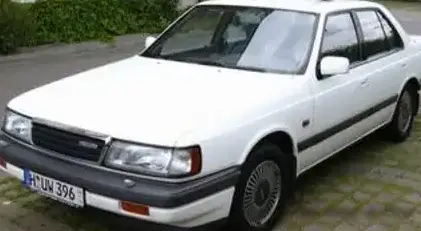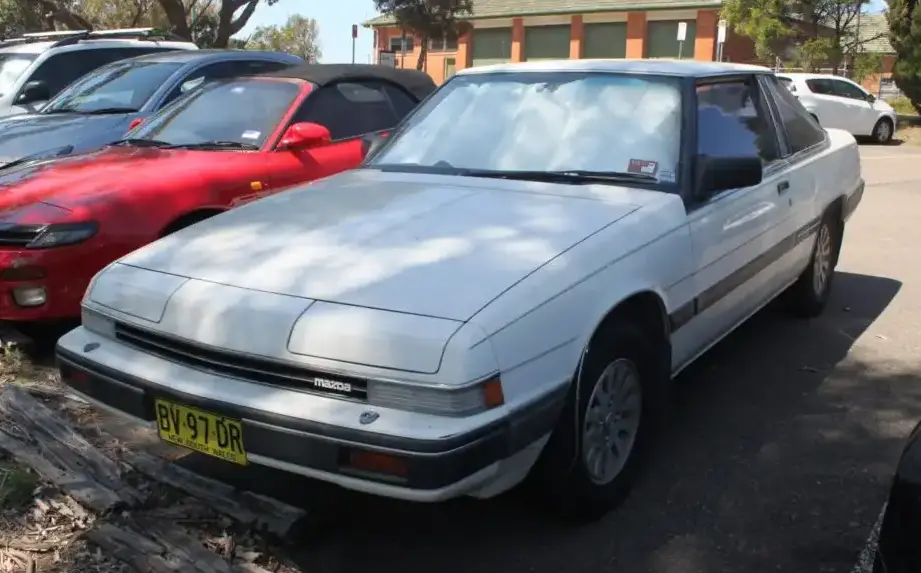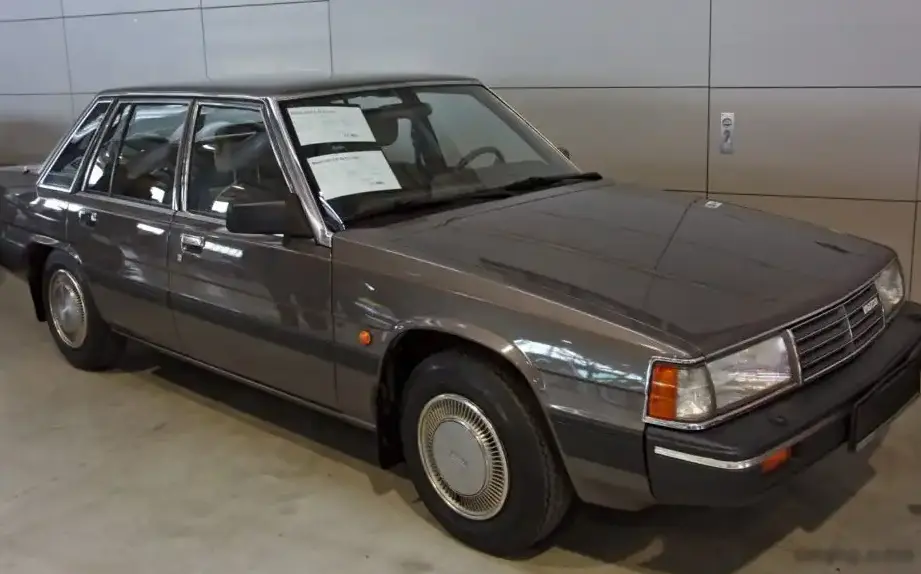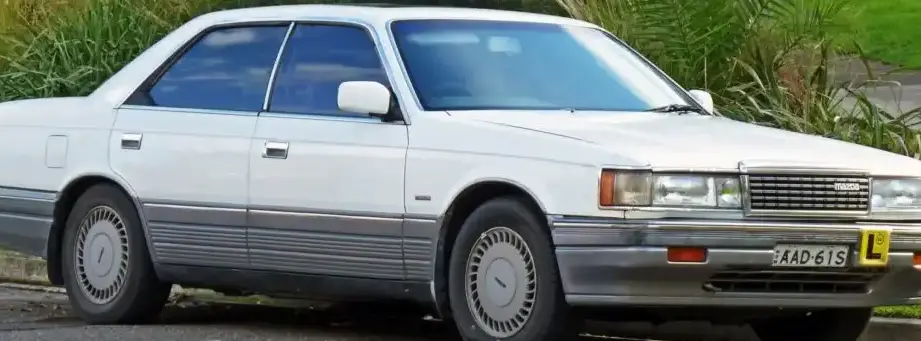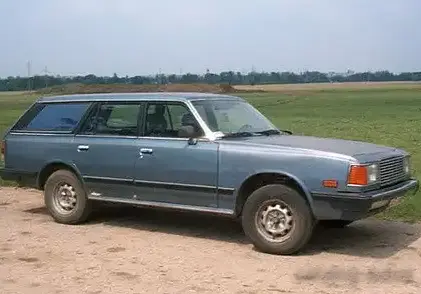
The Mazda 929 II Station Wagon, specifically the 2.0-liter (90 horsepower) variant produced between 1980 and 1982 (chassis code HV), represented a relatively uncommon offering in the American market. While the 929 sedan was more widely recognized, the station wagon body style, and particularly this lower-powered engine option, catered to a niche segment prioritizing practicality and fuel economy over outright performance. This generation 929 aimed to elevate Mazda’s presence in the mid-size luxury segment, competing with established American and European brands. The HV series was a significant step up from the first-generation 929, offering a more refined driving experience and improved build quality.
Technical Specifications
| Brand | Mazda |
| Model | 929 |
| Generation | 929 II Station Wagon (HV) |
| Type (Engine) | 2.0 (90 Hp) |
| Start of production | 1980 |
| End of production | 1982 |
| Powertrain Architecture | Internal Combustion engine |
| Body type | Station wagon (estate) |
| Fuel Type | Petrol (Gasoline) |
| Power | 90 Hp |
| Engine aspiration | Naturally aspirated engine |
Powertrain & Engine Architecture
The 1980-1982 Mazda 929 II Station Wagon 2.0 utilized Mazda’s FE engine, a 1,998 cc (121.8 cubic inch) inline-four cylinder gasoline engine. This engine, while not known for its high output, was designed for reliability and reasonable fuel efficiency. The FE engine featured a single overhead camshaft (SOHC) valvetrain, operating two valves per cylinder. Fuel delivery was managed by a Hitachi carburetor, a common setup for the era, though less sophisticated than the fuel injection systems becoming increasingly prevalent. The 90 horsepower output was achieved at 5,200 rpm, with peak torque of approximately 118 lb-ft at 3,000 rpm. This engine was paired exclusively with a three-speed automatic transmission in the US market. This transmission was a typical torque-converter automatic, prioritizing smooth shifts over sporty responsiveness. It was a relatively simple design, contributing to its overall durability, but lacked the overdrive gear found in some competing vehicles.
Driving Characteristics
The 90 hp 2.0-liter engine and three-speed automatic transmission combination resulted in a driving experience focused on comfort and ease of use rather than spirited performance. Acceleration was adequate for everyday driving, but passing maneuvers required careful planning. The automatic transmission’s gear ratios were optimized for fuel economy and smooth cruising, meaning the engine often operated at higher rpm during acceleration. Compared to the optional 2.2-liter engine available in some markets (and occasionally found in US-market 929 sedans), this 2.0-liter version felt noticeably less powerful. The 2.2-liter offered a more responsive driving experience, particularly when equipped with a manual transmission. The automatic transmission in the 2.0-liter model, while reliable, contributed to a somewhat sluggish feel. The suspension, tuned for comfort, absorbed bumps well but didn’t offer particularly sharp handling. Overall, the driving experience was geared towards a relaxed and comfortable ride, suitable for long highway journeys or daily commuting.
Equipment & Trim Levels
The Mazda 929 II Station Wagon 2.0, even in its base trim, was reasonably well-equipped for the early 1980s. Standard features typically included cloth upholstery, a woodgrain-trimmed dashboard, and an AM/FM radio. Power steering and power brakes were also standard. Air conditioning was a common option, as were power windows and door locks. The interior design emphasized a clean and functional aesthetic, with a focus on ergonomics. The station wagon body style offered a significant advantage in terms of cargo space, making it a practical choice for families or those needing to transport larger items. Optional extras included a sunroof, upgraded sound systems, and cruise control. The trim level for this specific engine/transmission combination was generally considered the entry-level offering for the 929 wagon, positioning it as a more affordable alternative to the higher-trim sedan models.
Chassis & Braking
The 929 II Station Wagon utilized a body-on-frame construction, a relatively traditional approach for the time. The suspension consisted of independent front suspension with MacPherson struts and a live rear axle with leaf springs. This setup prioritized ride comfort over handling precision. The braking system featured disc brakes on the front wheels and drum brakes on the rear wheels. While adequate for the vehicle’s weight and performance, the rear drum brakes were a cost-saving measure and didn’t offer the same stopping power as disc brakes. A stabilizer bar was fitted to the front suspension to reduce body roll during cornering. The chassis was designed to provide a stable and comfortable ride, but it wasn’t particularly sporty or agile. The steering was power-assisted, making it relatively easy to maneuver at low speeds.
Market Reception & Comparison
The Mazda 929 II Station Wagon, and particularly the 2.0-liter automatic variant, didn’t achieve significant sales volume in the US market. Critics generally praised the car’s build quality, comfortable ride, and spacious interior, but noted its lack of performance. Compared to competing station wagons from American manufacturers like Ford and Chevrolet, the 929 offered a more refined driving experience and a more upscale interior. However, it was often more expensive and less powerful. Compared to European competitors like Volvo and Saab, the 929 offered a more affordable price point but lacked the same level of brand prestige. Fuel economy was reasonable for the era, averaging around 20-25 mpg in combined driving. Reliability was generally good, although the carburetor required periodic maintenance. The 90 hp engine, while reliable, was considered underpowered by some reviewers, especially when paired with the automatic transmission.
Legacy
The Mazda 929 II Station Wagon 2.0, while not a mainstream success, holds a certain appeal for collectors and enthusiasts today. The FE engine is known for its durability, and well-maintained examples can still provide reliable transportation. Parts availability can be a challenge, as the car is relatively rare and many parts are no longer in production. However, a dedicated community of Mazda enthusiasts exists, and parts can often be sourced through online forums and specialty suppliers. The 929 II represents a significant step forward for Mazda in terms of design, build quality, and refinement. While the 90 hp automatic variant wasn’t the most exciting version of the 929, it offered a practical and comfortable option for those seeking a spacious and reliable station wagon. Today, these wagons are increasingly appreciated for their unique styling and their place in Mazda’s history.