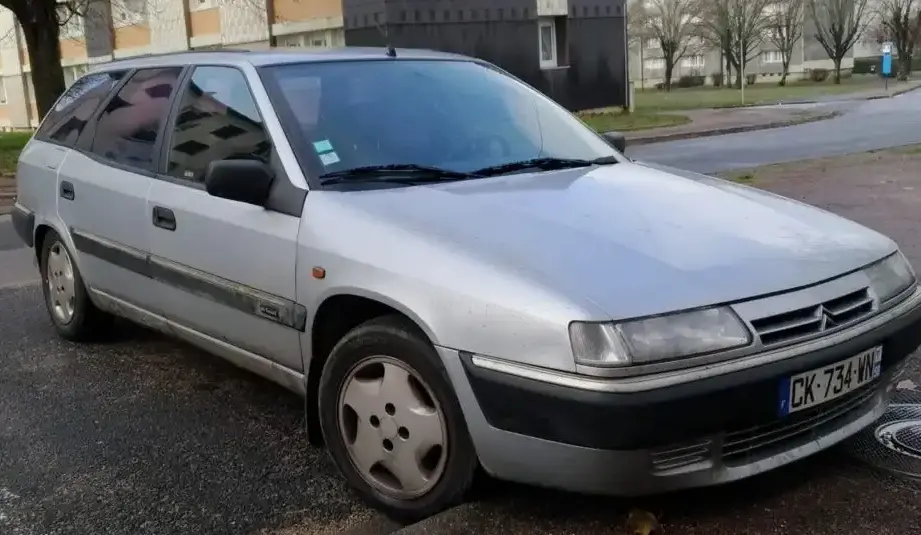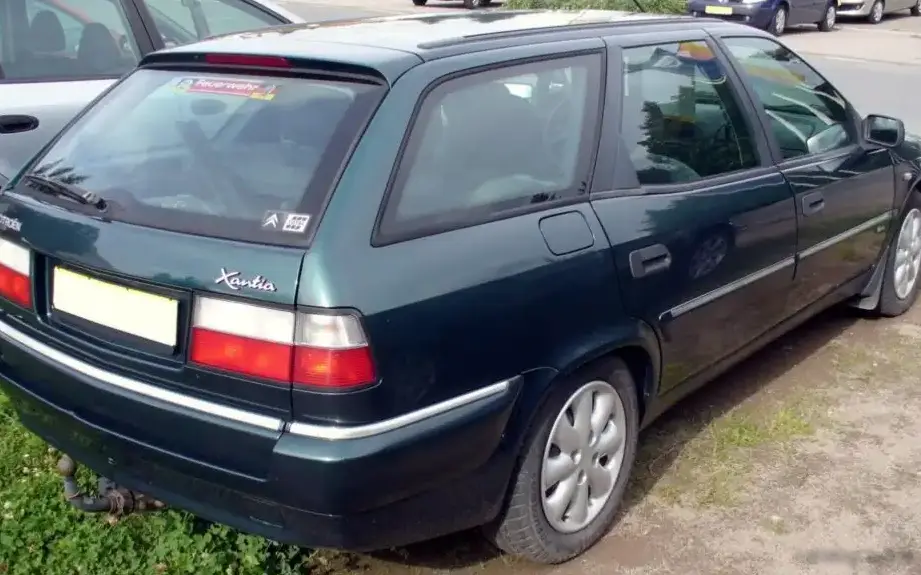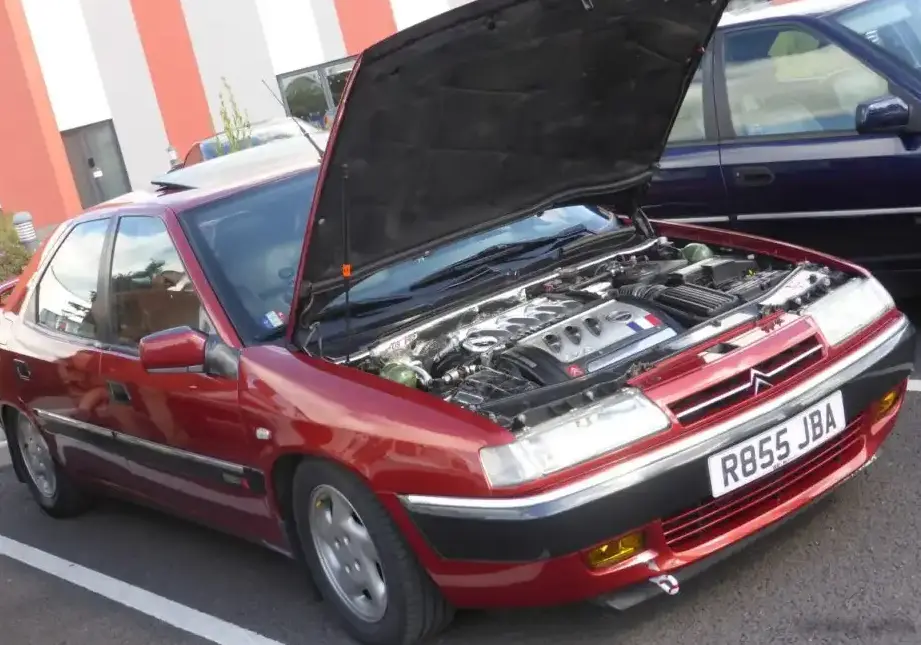
The Citroën Xantia 3.0i V6 24V, produced briefly in 1997, represents the pinnacle of performance for the first generation (X1) Xantia model line. Positioned as the flagship variant, it offered a significant step up in power and refinement compared to the more common four-cylinder engines. The Xantia itself was Citroën’s replacement for the BX, aiming to blend comfort, practicality, and a touch of avant-garde styling. This particular V6 model was primarily a European market offering, showcasing Citroën’s engineering capabilities and providing a luxurious, yet understated, grand touring experience. It utilized the PSA Group’s ES9J4 engine, a robust and well-regarded V6.
Technical Specifications
| Brand | Citroën |
| Model | Xantia |
| Generation | Xantia (X1) |
| Type (Engine) | 3.0i V6 24V (190 Hp) |
| Start of production | 1997 |
| End of production | 1997 |
| Powertrain Architecture | Internal Combustion engine |
| Body type | Hatchback |
| Seats | 5 |
| Doors | 5 |
| Fuel consumption (urban) | 15.9 l/100 km (14.8 US mpg, 17.8 UK mpg, 6.3 km/l) |
| Fuel consumption (extra urban) | 8 l/100 km (29.4 US mpg, 35.3 UK mpg, 12.5 km/l) |
| Fuel consumption (combined) | 10.9 l/100 km (21.6 US mpg, 25.9 UK mpg, 9.2 km/l) |
| Fuel Type | Petrol (Gasoline) |
| Acceleration 0 – 60 mph | 8.6 sec |
| Maximum speed | 230 km/h (142.92 mph) |
| Weight-to-power ratio | 7.6 kg/Hp, 130.9 Hp/tonne |
| Weight-to-torque ratio | 5.3 kg/Nm, 187.5 Nm/tonne |
| Power | 190 Hp @ 5750 rpm |
| Power per litre | 64.5 Hp/l |
| Torque | 272 Nm @ 4000 rpm (200.62 lb.-ft. @ 4000 rpm) |
| Maximum engine speed | 6520 rpm |
| Engine layout | Front, Transverse |
| Engine Model/Code | XZF ES9J4 |
| Engine displacement | 2946 cm3 (179.78 cu. in.) |
| Number of cylinders | 6 |
| Engine configuration | V-engine |
| Cylinder Bore | 87 mm (3.43 in.) |
| Piston Stroke | 82.6 mm (3.25 in.) |
| Compression ratio | 10.5:1 |
| Number of valves per cylinder | 4 |
| Fuel injection system | Multi-port manifold injection |
| Engine aspiration | Naturally aspirated engine |
| Valvetrain | DOHC |
| Engine oil capacity | 5.3 l (5.6 US qt | 4.66 UK qt) |
| Coolant capacity | 10 l (10.57 US qt | 8.8 UK qt) |
| Kerb Weight | 1451 kg (3198.91 lbs.) |
| Trunk (boot) space – minimum | 480 l (16.95 cu. ft.) |
| Trunk (boot) space – maximum | 878 l (31.01 cu. ft.) |
| Fuel tank capacity | 65 l (17.17 US gal | 14.3 UK gal) |
| Max. roof load | 75 kg (165.35 lbs.) |
| Permitted towbar download | 50 kg (110.23 lbs.) |
| Length | 4444 mm (174.96 in.) |
| Width | 1755 mm (69.09 in.) |
| Height | 1387 mm (54.61 in.) |
| Wheelbase | 2740 mm (107.87 in.) |
| Front track | 1482 mm (58.35 in.) |
| Rear track | 1442 mm (56.77 in.) |
| Front overhang | 931 mm (36.65 in.) |
| Rear overhang | 773 mm (30.43 in.) |
| Minimum turning circle | 11 m (36.09 ft.) |
| Drivetrain Architecture | Front wheel drive |
| Number of gears | 5 |
| Gearbox type | Manual transmission |
| Front suspension | Independent type McPherson, Wishbone |
| Rear suspension | Hydro-pneumatic element, Trailing arm |
| Front brakes | Ventilated discs |
| Rear brakes | Disc |
| Steering type | Steering rack and pinion |
| Power steering | Hydraulic Steering |
| Tires size | 205/65 R15 |
Powertrain & Engine Architecture
The heart of the Xantia 3.0i V6 24V is the ES9J4 engine, a 2.9-liter, naturally aspirated V6. This engine, part of the PSA Group’s XFZ family, features a 60-degree V-angle and a cast iron block with an aluminum cylinder head. It utilizes a multi-port fuel injection system and a double overhead camshaft (DOHC) valvetrain with four valves per cylinder, contributing to its relatively high specific output. The engine’s 24 valves allow for efficient cylinder filling and exhaust scavenging. The 5-speed manual transmission was the only gearbox option offered with this engine, providing a direct connection to the drivetrain. The engine’s design prioritized smooth power delivery and refinement over outright peak horsepower, making it well-suited for long-distance cruising.
Driving Characteristics
The Xantia 3.0i V6 24V offered a distinctly different driving experience compared to the lower-powered versions. The 190 horsepower and 272 Nm (200.62 lb-ft) of torque provided brisk acceleration, with a 0-60 mph time of around 8.6 seconds and a top speed of 143 mph. The manual transmission allowed for precise control, and the V6 engine’s torque curve meant that strong acceleration was available across a wide range of engine speeds. While not a sports car, the Xantia V6 felt confident and capable on both winding roads and highways. The hydropneumatic suspension, a Citroën hallmark, provided a remarkably smooth and comfortable ride, absorbing bumps and imperfections with ease. Compared to the 1.8L or 2.0L four-cylinder models, the V6 offered significantly more power and a more refined driving experience, but at the cost of increased fuel consumption.
Equipment & Trim Levels
The 3.0i V6 typically came well-equipped, reflecting its position as the range-topping model. Standard features included power windows, central locking, power steering, and an upgraded audio system. Interior upholstery was typically a high-quality cloth or leather, and the dashboard featured wood trim accents. Optional extras included a sunroof, air conditioning, and upgraded sound systems. The Xantia’s interior was known for its ergonomic design and comfortable seating. The V6 models often received additional sound deadening material to further enhance refinement.
Chassis & Braking
The Xantia’s chassis was designed to balance comfort and handling. The front suspension utilized independent McPherson struts and wishbones, while the rear suspension employed Citroën’s innovative hydropneumatic system. This system allowed for self-leveling and adjustable ride height, providing a consistently comfortable ride regardless of load. Braking duties were handled by ventilated discs at the front and solid discs at the rear. The braking system was generally considered effective, providing ample stopping power for the car’s weight and performance. The steering was a rack-and-pinion system with hydraulic power assistance, offering precise and responsive control.
Market Reception & Comparison
The Xantia 3.0i V6 24V was generally well-received by automotive critics, who praised its smooth engine, comfortable ride, and refined interior. However, its relatively high price and fuel consumption limited its appeal to a niche market. Compared to rivals like the Ford Mondeo or Opel/Vauxhall Vectra, the Xantia offered a more unique and sophisticated driving experience, but lacked the widespread brand recognition of its competitors. The V6 model was often seen as a more luxurious and refined alternative to the more common four-cylinder Xantia variants.
Legacy
The Citroën Xantia 3.0i V6 24V remains a relatively rare and sought-after classic car today. The ES9J4 V6 engine is known for its durability and reliability, provided it is properly maintained. However, the hydropneumatic suspension system can require specialized knowledge and maintenance. Well-maintained examples of the Xantia V6 are increasingly appreciated by enthusiasts for their unique blend of comfort, performance, and French automotive flair. The car represents a high point in Citroën’s engineering history and a testament to the company’s commitment to innovation and refinement.