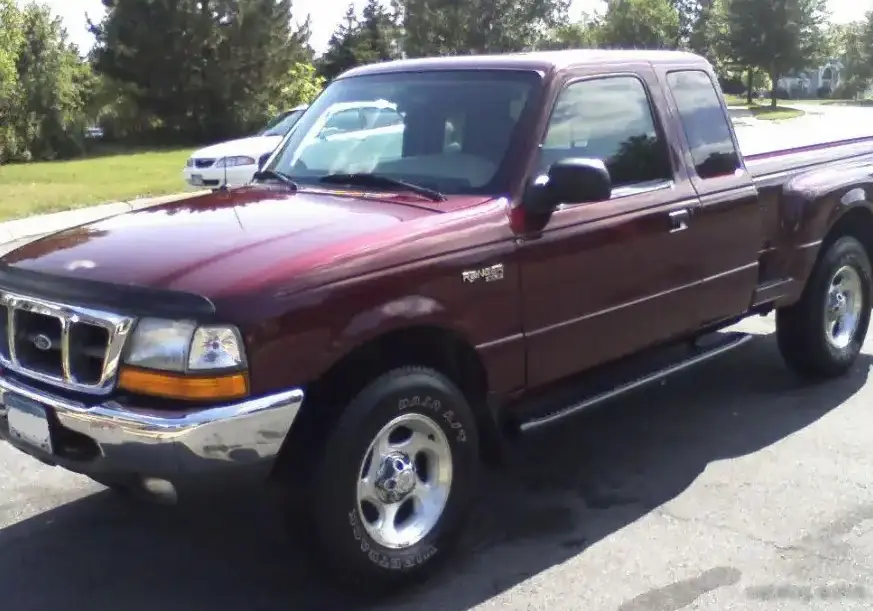
The Ford Ranger I Double Cab 2.5 TDCi (109 hp) Automatic, produced between 1998 and 2006, represents a significant entry in Ford’s mid-size pickup truck lineup during that period. This variant was primarily aimed at the European and Australian markets, offering a practical and versatile vehicle for both commercial and family use. It sat within the first generation (1993-2006) of the Ranger, which was a rebadged version of the Mazda B-Series, and the Double Cab configuration expanded the Ranger’s appeal by providing seating for five passengers alongside a usable cargo bed. The 2.5 TDCi engine, coupled with an automatic transmission, offered a balance between fuel efficiency and ease of driving, making it a popular choice for those who didn’t require the outright performance of higher-powered options.
Technical Specifications
| Brand | Ford |
| Model | Ranger |
| Generation | Ranger I Double Cab |
| Type (Engine) | 2.5 TDCi (109 Hp) Automatic |
| Start of production | 1998 |
| End of production | 2006 |
| Powertrain Architecture | Internal Combustion engine |
| Body type | Pick-up |
| Seats | 5 |
| Doors | 4 |
| Fuel Type | Diesel |
| Power | 109 Hp @ 3500 rpm |
| Power per litre | 43.6 Hp/l |
| Torque | 266 Nm @ 2000 rpm (196.19 lb.-ft. @ 2000 rpm) |
| Engine layout | Front, Longitudinal |
| Engine Model/Code | WL-T |
| Engine displacement | 2499 cm3 (152.5 cu. in.) |
| Number of cylinders | 4 |
| Engine configuration | Inline |
| Cylinder Bore | 93 mm (3.66 in.) |
| Piston Stroke | 92 mm (3.62 in.) |
| Number of valves per cylinder | 3 |
| Fuel injection system | Diesel Commonrail |
| Engine aspiration | Turbocharger, Intercooler |
| Engine oil capacity | 6.3 l (6.66 US qt | 5.54 UK qt) |
| Coolant | 9.4 l (9.93 US qt | 8.27 UK qt) |
| Max. weight | 2087 kg (4601.05 lbs.) |
| Fuel tank capacity | 70 l (18.49 US gal | 15.4 UK gal) |
| Length | 5020 mm (197.64 in.) |
| Width | 1695 mm (66.73 in.) |
| Height | 1750 mm (68.9 in.) |
| Wheelbase | 3000 mm (118.11 in.) |
| Front track | 1430 mm (56.3 in.) |
| Rear (Back) track | 1420 mm (55.91 in.) |
| Ride height (ground clearance) | 200 mm (7.87 in.) |
| Drivetrain Architecture | Rear wheel drive |
| Number of gears and type of gearbox | 5 gears, automatic transmission |
| Front suspension | Independent torsion bar, double wishbone |
| Rear suspension | Dependent suspension of two longitudinal semi-elliptic leaf springs |
| Front brakes | Ventilated discs |
| Rear brakes | Drum |
| Assisting systems | ABS (Anti-lock braking system) |
| Steering type | Steering rack and pinion |
| Tires size | 235/75 R15 |
| Wheel rims size | 15 |
Powertrain & Engine Architecture
The heart of this Ranger variant is the 2.5-liter WL-T inline-four cylinder diesel engine. This engine utilized a direct injection common rail system, a relatively modern technology for its time, which improved fuel efficiency and reduced emissions compared to older diesel injection systems. The turbocharger with intercooler further enhanced performance by forcing more air into the cylinders, boosting power output. The engine produced 109 horsepower at 3500 rpm and 266 Nm (196 lb-ft) of torque at 2000 rpm. The automatic transmission was a five-speed unit, designed to provide smooth gear changes and ease of driving, particularly in urban environments. While not known for its blistering acceleration, the transmission was well-suited to the engine’s torque characteristics, providing adequate performance for everyday use and towing light loads.
Driving Characteristics
The 2.5 TDCi Automatic Ranger offered a comfortable and relatively refined driving experience for a pickup truck of its era. The automatic transmission eliminated the need for constant gear shifting, making it ideal for city driving and long journeys. However, the 109 hp output meant that acceleration was modest, and overtaking required careful planning. Compared to the higher-powered 2.5 TDCi versions (often found with manual transmissions), this variant felt noticeably slower. The automatic transmission also slightly reduced fuel economy compared to the manual gearbox. The rear-wheel-drive configuration provided good traction in most conditions, but could struggle on slippery surfaces without careful throttle control. The suspension, while adequate, was tuned more for comfort than sporty handling.
Equipment & Trim Levels
The Double Cab configuration was the defining feature of this Ranger variant, offering seating for five passengers. Standard equipment typically included power steering, central locking, and an AM/FM radio. Air conditioning was often an optional extra, as were power windows and upgraded interior trim. The interior was generally functional and durable, with hard-wearing plastics and cloth upholstery. Higher trim levels might have included alloy wheels, a more sophisticated audio system, and additional comfort features. The Double Cab’s rear seats were typically best suited for shorter journeys, offering adequate legroom for adults but limited headroom.
Chassis & Braking
The Ranger I Double Cab utilized a body-on-frame construction, providing a robust and durable chassis. The front suspension consisted of independent torsion bars and double wishbones, while the rear suspension employed a traditional leaf spring setup. This configuration provided a good balance between ride comfort and load-carrying capacity. The braking system featured ventilated discs on the front wheels and drum brakes on the rear. Anti-lock Braking System (ABS) was often included as standard equipment, enhancing safety by preventing wheel lockup during hard braking. The tires were typically 235/75 R15, providing adequate grip for most road conditions.
Market Reception & Comparison
The Ford Ranger I Double Cab 2.5 TDCi Automatic was generally well-received in the European and Australian markets. Critics praised its practicality, versatility, and relatively affordable price point. However, the 109 hp engine and automatic transmission were sometimes criticized for being underpowered and lacking responsiveness. Compared to the manual transmission versions of the 2.5 TDCi, the automatic offered less engaging driving experience and slightly lower fuel economy. It also lagged behind the performance of the higher-powered Ranger variants, such as those equipped with the 2.5 TDCi engine in higher states of tune. Nevertheless, the automatic transmission appealed to buyers who prioritized convenience and ease of driving.
Legacy
The Ford Ranger I Double Cab 2.5 TDCi Automatic has proven to be a relatively reliable vehicle, with many examples still on the road today. The 2.5 TDCi engine, while not without its quirks, is generally durable and capable of high mileage with proper maintenance. Common issues include wear and tear on the turbocharger and fuel injection system. The automatic transmission is also generally reliable, but requires regular fluid changes to prevent premature failure. In the used car market, this variant represents a good value proposition for those seeking a practical and affordable pickup truck. Its Double Cab configuration and automatic transmission make it particularly appealing to buyers who need a versatile vehicle for both work and family use. While it may not offer the performance or refinement of more modern pickups, the Ranger I Double Cab 2.5 TDCi Automatic remains a capable and dependable workhorse.