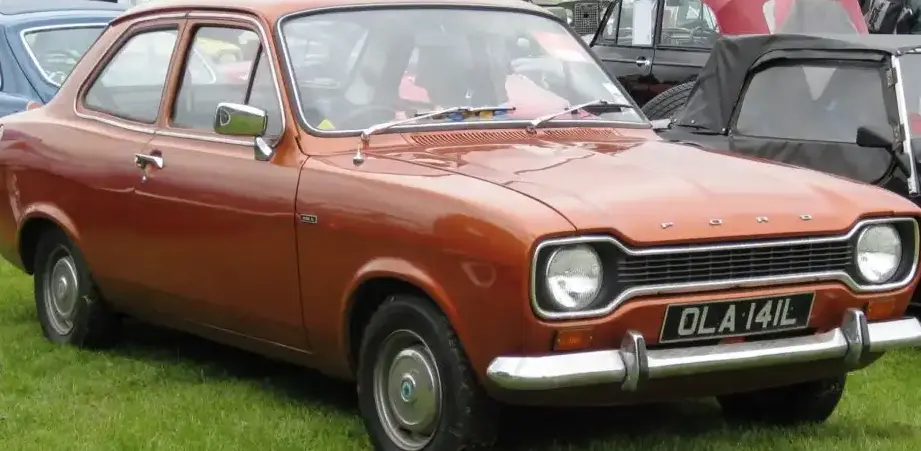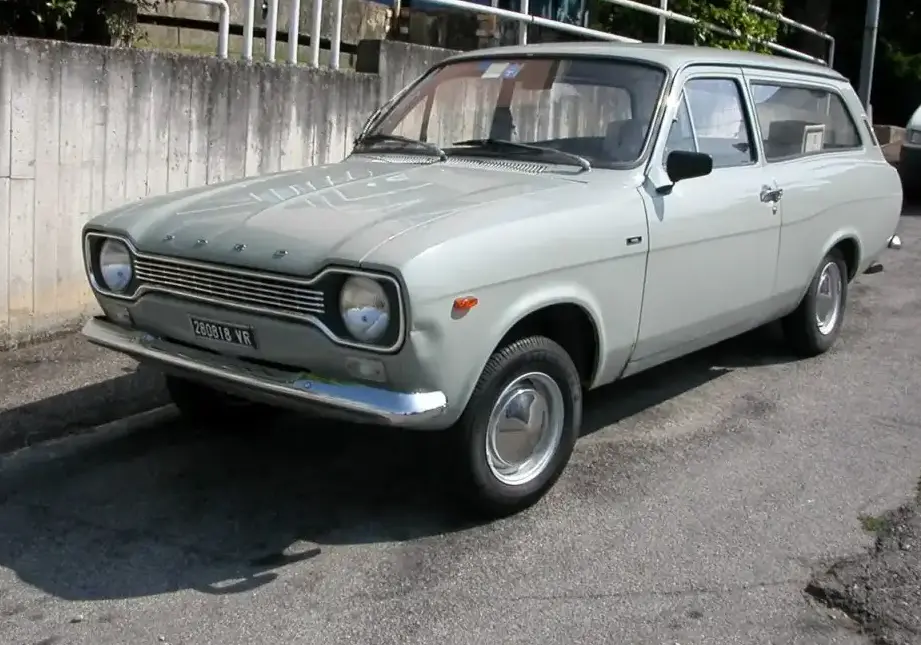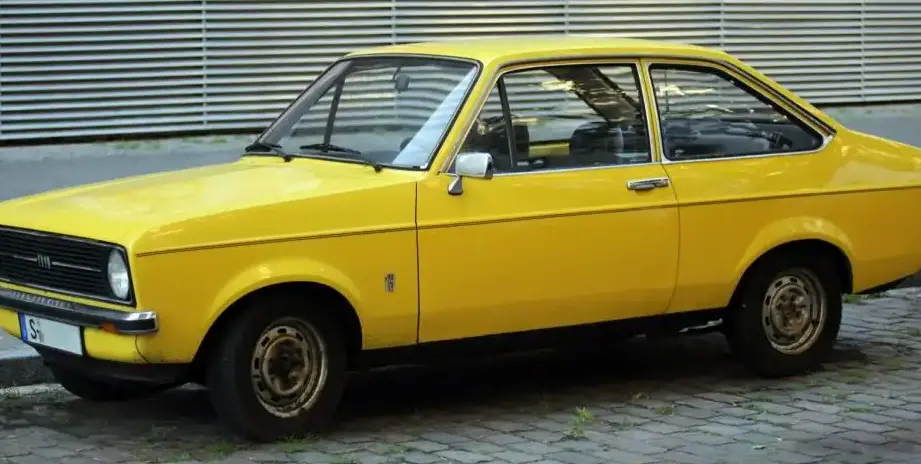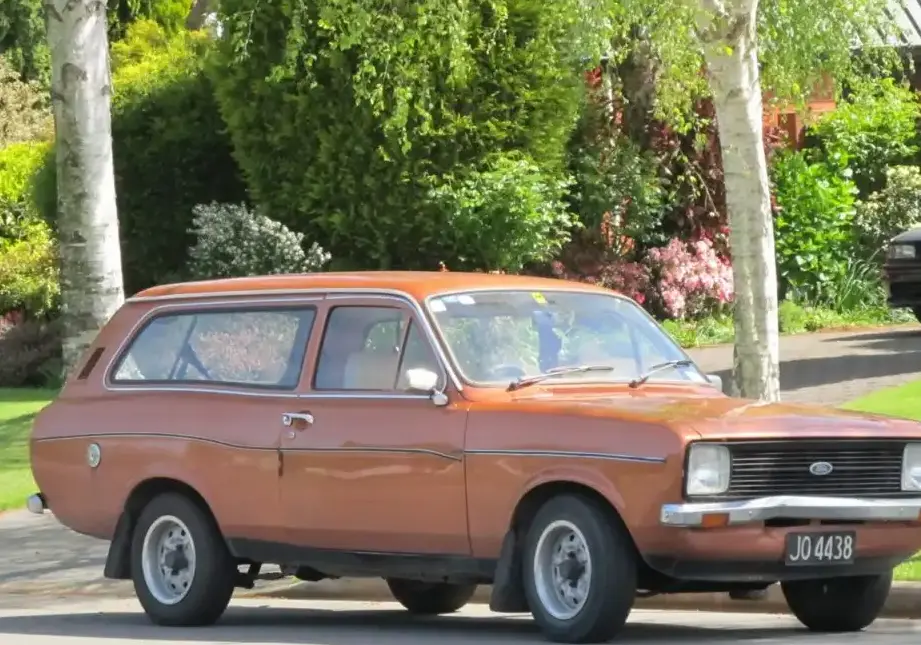
The Ford Escort II Turnier 1.3, designated with engine code BADR and producing 54 horsepower, was a practical and economical station wagon offered by Ford of Europe between 1976 and 1981. It represented the entry-level powertrain option within the Escort II Turnier (estate) range, positioned as a budget-friendly family vehicle. The Escort II, launched in 1975, was a significant update to the hugely successful first-generation Escort, offering improved refinement, safety, and a more modern appearance. The Turnier body style, introduced alongside the saloon and hatchback, catered to buyers needing increased cargo capacity. This particular 1.3L variant played a crucial role in making the Escort II accessible to a wider customer base, particularly in markets where fuel economy and purchase price were primary concerns.
Technical Specifications
| Brand | Ford |
| Model | Escort |
| Generation | Escort II Turnier |
| Type (Engine) | 1.3 (BADR) (54 Hp) |
| Start of production | 1976 |
| End of production | 1981 |
| Powertrain Architecture | Internal Combustion engine |
| Body type | Station wagon (estate) |
| Fuel Type | Petrol (Gasoline) |
| Power | 54 Hp |
| Engine aspiration | Naturally aspirated engine |
Powertrain & Engine Architecture
The heart of the Escort II Turnier 1.3 was the Ford BADR engine, a 1.3-liter inline-four cylinder petrol engine. This engine was a relatively simple design, reflecting the era’s focus on reliability and affordability. It featured a single overhead camshaft (SOHC) operating two valves per cylinder. Fuel delivery was managed by a single downdraft carburetor, a common setup for vehicles of this period. The BADR engine produced 54 horsepower at approximately 6,000 rpm and 73 lb-ft of torque at 3,000 rpm. The engine’s bore and stroke were 78.5mm x 80.3mm, resulting in a displacement of 1297cc.
The 1.3L engine was typically paired with a four-speed manual transmission, however, a three-speed automatic transmission was also offered, though less common. The automatic transmission, a Ford-built unit, was designed for smooth, if not particularly sporty, operation. It featured a torque converter and a relatively conservative gear ratio spread, prioritizing fuel efficiency and ease of driving over outright performance. The automatic transmission was a significant option for buyers who preferred the convenience of automatic operation, particularly in urban environments.
Driving Characteristics
The Escort II Turnier 1.3 with the BADR engine and automatic transmission was not a performance-oriented vehicle. Acceleration was modest, with a 0-60 mph time estimated to be around 16-18 seconds. The automatic transmission further dampened performance, as the torque converter inherently absorbs some engine power. However, the engine proved to be reasonably tractable, offering sufficient power for everyday driving and highway cruising, albeit with a need for careful planning when overtaking. The automatic transmission’s gear ratios were optimized for fuel economy, resulting in a relaxed driving experience at steady speeds. The steering was light and relatively precise, making the Escort II easy to maneuver in tight spaces. The suspension, while not particularly sophisticated, provided a comfortable ride, absorbing bumps and imperfections in the road surface reasonably well.
Compared to the 1.6L versions of the Escort II, the 1.3L automatic was noticeably slower and less responsive. The 1.6L engines offered a more engaging driving experience, with improved acceleration and a greater sense of power. However, the 1.3L engine’s lower fuel consumption and lower purchase price made it an attractive option for budget-conscious buyers.
Equipment & Trim Levels
The Escort II Turnier 1.3 typically came with a fairly basic level of equipment, reflecting its position as the entry-level model. Standard features generally included cloth upholstery, vinyl floor covering, and a basic instrument panel with speedometer, fuel gauge, and temperature gauge. The steering wheel was typically made of plastic. Optional extras included a radio, heated rear window, and upgraded upholstery. Trim levels varied slightly depending on the market, but generally, the 1.3L model was offered in a single, relatively spartan trim level. The Turnier body style itself added practicality with its large cargo area, which could be further expanded by folding down the rear seats.
Chassis & Braking
The Escort II Turnier featured a MacPherson strut front suspension and a leaf spring rear suspension. This setup provided a good balance of ride comfort and handling. The front suspension incorporated anti-roll bar to reduce body roll during cornering. The braking system consisted of disc brakes on the front wheels and drum brakes on the rear wheels. The brakes were adequate for the vehicle’s weight and performance, but lacked the stopping power of more modern braking systems. Steering was rack and pinion, providing precise and responsive handling.
Market Reception & Comparison
The Escort II Turnier 1.3 was generally well-received by critics as a practical and affordable family vehicle. It was praised for its fuel economy, reliability, and spacious interior. However, it was also criticized for its lack of performance and basic equipment level. Compared to other station wagons in its class, such as the Vauxhall Astra Estate and the Volkswagen Passat Variant, the Escort II Turnier 1.3 offered a competitive price point and a good level of practicality. Fuel economy was a key selling point, with the 1.3L engine achieving around 30-35 mpg in real-world driving conditions. Reliability was also a strong suit, with the BADR engine proving to be a durable and long-lasting unit.
Legacy
The Ford Escort II Turnier 1.3, while not a particularly glamorous or high-performance vehicle, played an important role in the success of the Escort II range. The BADR engine proved to be a reliable and economical powerplant, and the automatic transmission offered a convenient driving experience. Today, the Escort II Turnier 1.3 is a relatively rare sight on the roads, but it remains a popular choice among classic car enthusiasts. Parts availability is generally good, and the simple mechanical design makes it relatively easy to maintain. The 1.3L automatic variant, while not the most desirable version of the Escort II, offers a unique and charming driving experience, representing a bygone era of affordable and practical family motoring. Well-maintained examples are increasingly sought after by collectors and enthusiasts looking for a classic Ford estate car.