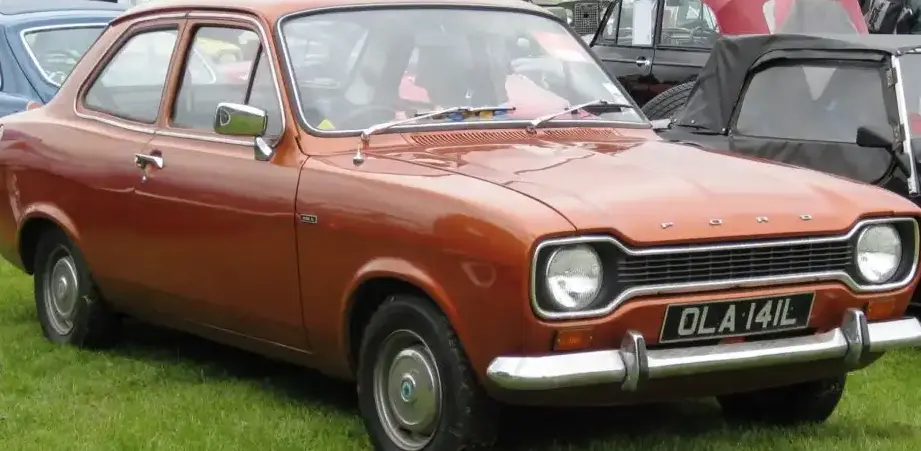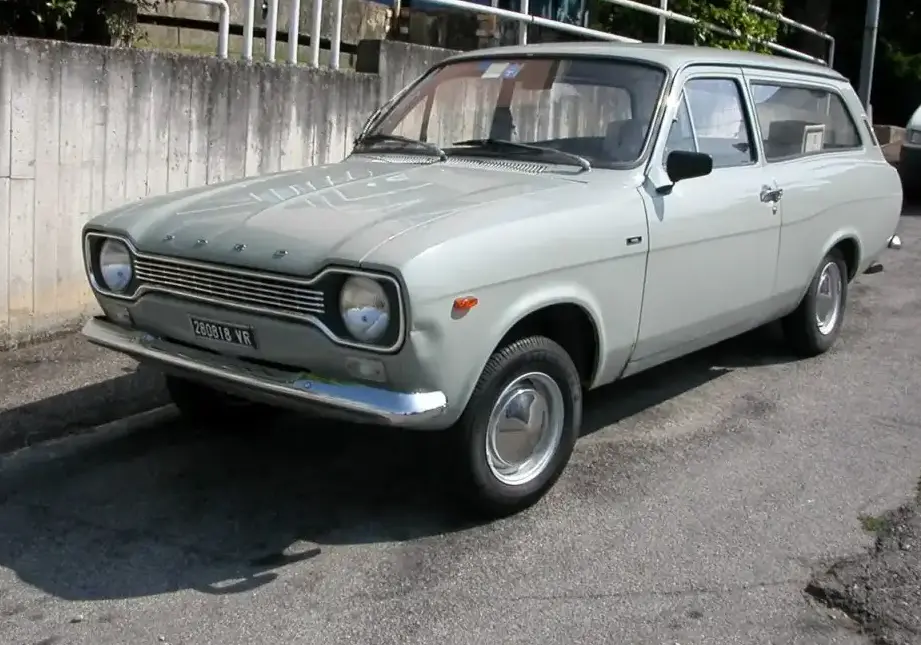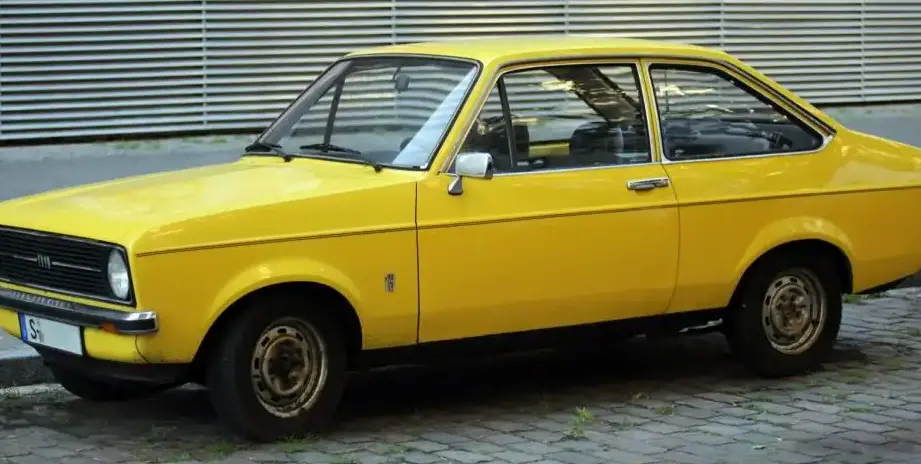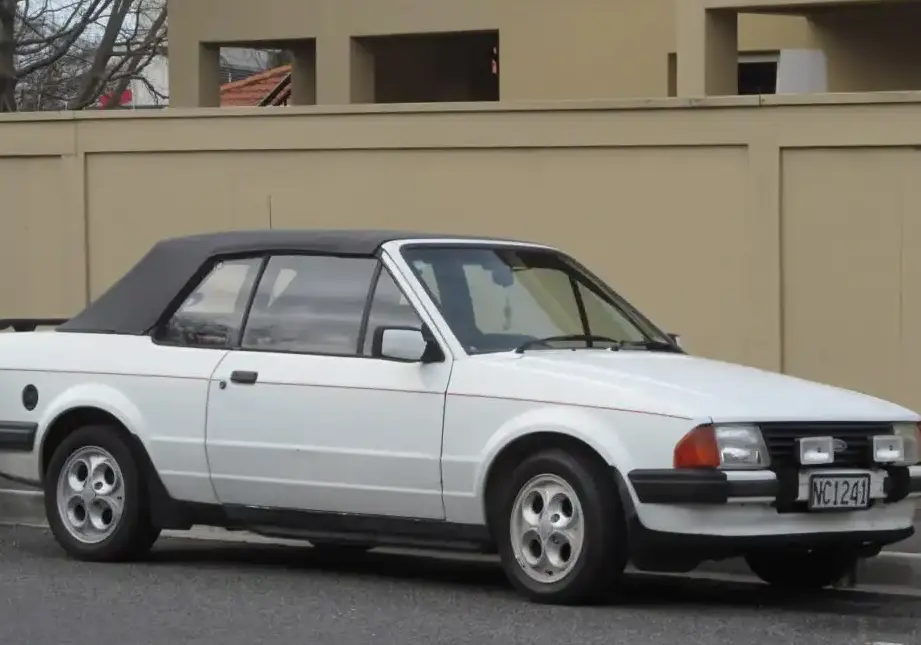
The Ford Escort III Cabriolet, produced between 1983 and 1985, represented Ford of Europe’s entry into the increasingly popular convertible market. Based on the Mk III Escort saloon and estate, the Cabriolet (designated ALD) offered open-air motoring at a relatively affordable price point. This particular variant, powered by a 1.6-liter engine producing 79 horsepower, served as a mainstream offering within the Escort Cabriolet range, positioned as a balance between economy and driving enjoyment. It was a key model in broadening the Escort’s appeal beyond its traditional rally-inspired image, targeting a more leisure-focused buyer.
Technical Specifications
| Brand | Ford |
| Model | Escort |
| Generation | Escort III Cabrio (ALD) |
| Type (Engine) | 1.6 (79 Hp) |
| Start of production | 1983 |
| End of production | 1985 |
| Powertrain Architecture | Internal Combustion Engine |
| Body type | Cabriolet |
| Fuel Type | Petrol (Gasoline) |
| Power | 79 Hp |
| Engine Aspiration | Naturally Aspirated |
| Engine Displacement | 1.6 Liters |
| Transmission | 4-Speed Automatic |
| Weight (approx.) | 2,200 lbs (998 kg) |
Powertrain & Engine Architecture
The 1.6-liter engine powering the Escort III Cabriolet was a naturally aspirated, inline-four cylinder unit. While not a particularly high-performance engine, it was known for its reliability and relatively smooth operation. The engine utilized a single overhead camshaft (SOHC) valvetrain, operating two valves per cylinder. Fuel delivery was managed by a carburetor, a common feature for Ford engines of this era. This carburetor setup, while simple, wasn’t as efficient or responsive as fuel injection systems becoming increasingly prevalent at the time. The engine’s 79 horsepower output was achieved at approximately 5,000 rpm, with peak torque of around 98 lb-ft at 3,000 rpm.
The transmission paired with this engine was a four-speed automatic. This automatic gearbox was chosen to appeal to buyers seeking ease of use and convenience, particularly in a leisure-oriented vehicle like the Cabriolet. It wasn’t a particularly sophisticated automatic by modern standards, lacking features like overdrive or selectable driving modes. However, it provided smooth, if somewhat leisurely, gear changes. The automatic transmission contributed to a slightly heavier overall vehicle weight compared to manual transmission models.
Driving Characteristics
The 1.6-liter automatic Escort Cabriolet offered a comfortable, rather than sporty, driving experience. Acceleration was adequate for everyday driving, but not particularly brisk. The 0-60 mph time was estimated to be around 13-14 seconds. The automatic transmission, while convenient, did detract from the engine’s available power, resulting in a noticeable lack of urgency when accelerating. Gear ratios were optimized for fuel economy and cruising comfort, rather than outright performance. Compared to the manual transmission versions of the 1.6, the automatic felt noticeably slower. Higher-spec Escort Cabriolets, equipped with the 1.6-liter fuel-injected engine or the larger 1.8-liter unit, offered significantly improved performance.
The Cabriolet’s soft-top roof, while providing open-air enjoyment, did introduce some body flex, particularly on uneven road surfaces. The suspension, consisting of MacPherson struts at the front and a twist-beam rear axle, provided a reasonably comfortable ride, but wasn’t particularly sophisticated. Steering was light and easy, making the car maneuverable in urban environments.
Equipment & Trim Levels
The 1.6-liter Escort Cabriolet typically came with a fairly basic level of equipment. Standard features included cloth upholstery, a basic instrument cluster, and a steering wheel. Power steering wasn’t standard on all models, and air conditioning was typically an optional extra. The interior trim was functional and durable, but lacked the refinement of more expensive convertibles. Optional extras included upgraded stereo systems, alloy wheels, and a more luxurious interior trim package. The exterior styling was relatively understated, with body-colored bumpers and a simple grille design. The soft-top roof was available in a range of colors.
Chassis & Braking
The Escort III Cabriolet utilized the standard Escort Mk III chassis, albeit with reinforcement to compensate for the removal of the roof. The front suspension featured MacPherson struts, while the rear suspension employed a simple twist-beam axle. Braking was typically accomplished with disc brakes at the front and drum brakes at the rear. The braking system was adequate for the car’s weight and performance, but lacked the stopping power of more modern systems. Stabilizer bars were fitted to both the front and rear axles to reduce body roll during cornering.
Market Reception & Comparison
The Ford Escort III Cabriolet was generally well-received by the motoring press as an affordable and accessible convertible. Critics praised its styling and ease of use, but noted its lack of outright performance. The 1.6-liter automatic version was seen as a good all-rounder, suitable for everyday driving and leisurely cruising. However, it was often criticized for its sluggish acceleration and relatively basic interior. Compared to other convertibles on the market at the time, such as the Volkswagen Golf Cabriolet, the Escort offered a more affordable price point, but lacked the same level of refinement. Fuel economy was reasonable for the era, averaging around 28-32 mpg.
Legacy
The Ford Escort III Cabriolet, particularly the 1.6-liter automatic variant, has become a popular classic car among enthusiasts. Its simple mechanicals and relatively affordable price make it an attractive entry point into classic car ownership. The 1.6-liter engine is known for its reliability, although regular maintenance is essential to prevent issues. Parts availability is generally good, although some trim-specific components can be difficult to find. Today, these cars are often sought after for their nostalgic appeal and open-air driving experience. While not a performance icon, the Escort III Cabriolet represents a significant chapter in Ford’s history, demonstrating the company’s ability to adapt to changing market demands and offer a wider range of vehicles to appeal to a broader audience. The automatic transmission, while not the most desirable among driving purists, remains a common and functional feature in many surviving examples.