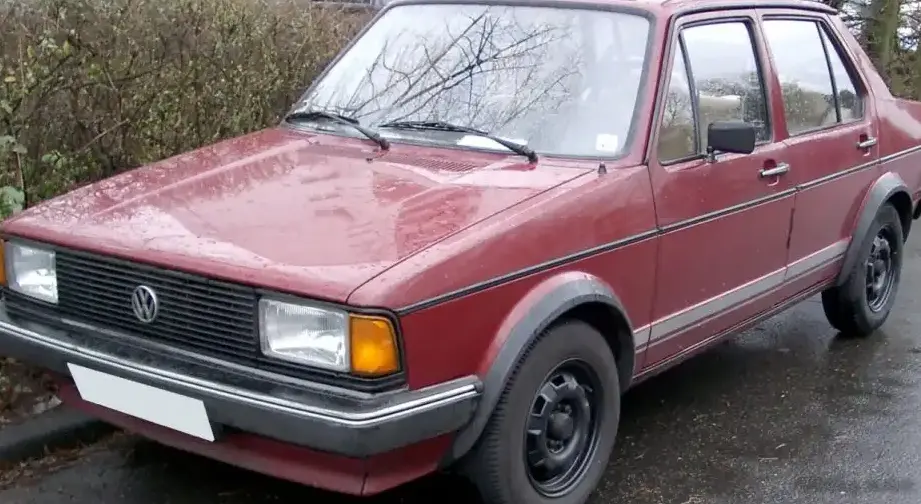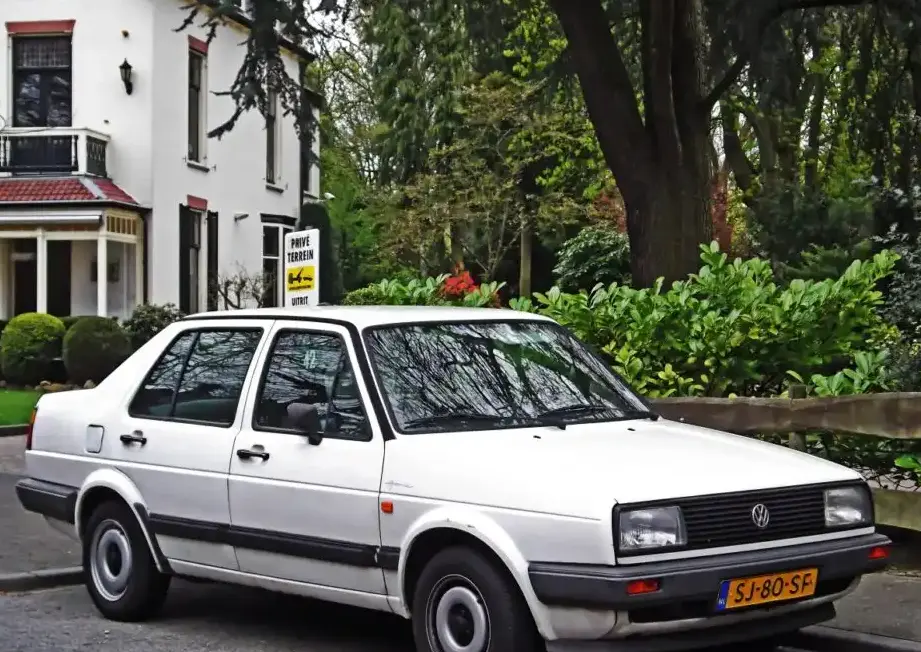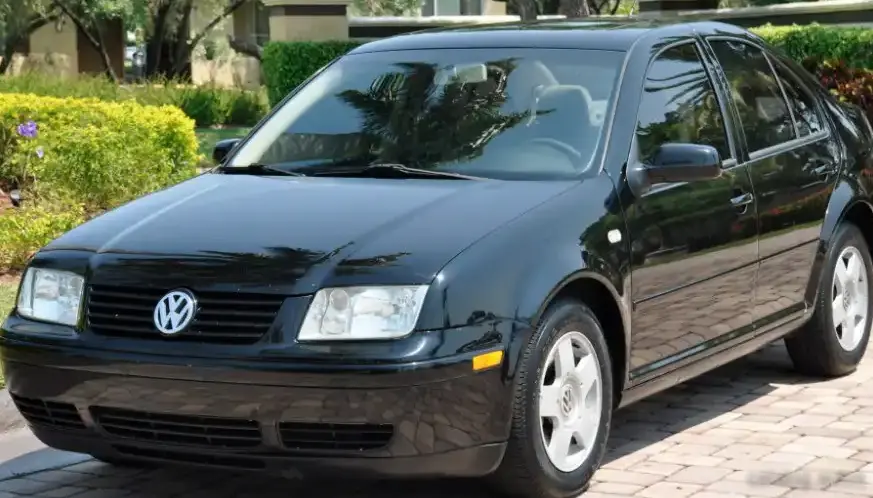
The Volkswagen Jetta IV 2.8 VR6, produced between 1999 and 2005, represented the performance-oriented pinnacle of the fourth-generation Jetta (Mk4) lineup. Built on the Volkswagen Group’s A4 (1HX0/A3) platform, shared with models like the Golf, Bora, and Audi A3, the 2.8 VR6 offered a significant step up in power and driving experience compared to the base engine options. Positioned as the premium trim level, it catered to drivers seeking a sporty yet practical sedan. This variant was primarily sold in North America and Europe, offering a unique blend of German engineering and accessible performance.
Technical Specifications
| Brand | Volkswagen |
| Model | Jetta |
| Generation | Jetta IV |
| Type (Engine) | 2.8 VR6 (200 Hp) |
| Start of production | 1999 |
| End of production | 2005 |
| Powertrain Architecture | Internal Combustion engine |
| Body type | Sedan |
| Seats | 5 |
| Doors | 4 |
| Fuel consumption (urban) | 15.3 l/100 km (15.4 US mpg, 18.5 UK mpg, 6.5 km/l) |
| Fuel consumption (extra urban) | 8.1 l/100 km (29 US mpg, 34.9 UK mpg, 12.3 km/l) |
| Fuel Type | Petrol (Gasoline) |
| Acceleration 0 – 100 km/h | 7.4 sec |
| Acceleration 0 – 62 mph | 7.4 sec |
| Acceleration 0 – 60 mph | 7 sec |
| Maximum speed | 235 km/h (146.02 mph) |
| Weight-to-power ratio | 7.3 kg/Hp, 137.5 Hp/tonne |
| Weight-to-torque ratio | 5.4 kg/Nm, 185.6 Nm/tonne |
| Power | 200 Hp @ 6200 rpm |
| Power per litre | 71.6 Hp/l |
| Torque | 270 Nm @ 3200 rpm (199.14 lb.-ft. @ 3200 rpm) |
| Engine layout | Front, Transverse |
| Engine Model/Code | BDF |
| Engine displacement | 2792 cm3 (170.38 cu. in.) |
| Number of cylinders | 6 |
| Engine configuration | V-engine |
| Cylinder Bore | 81 mm (3.19 in.) |
| Piston Stroke | 90.3 mm (3.56 in.) |
| Compression ratio | 10:1 |
| Number of valves per cylinder | 4 |
| Fuel injection system | Multi-port manifold injection |
| Engine aspiration | Naturally aspirated engine |
| Valvetrain | DOHC |
| Engine oil capacity | 5.8 l (6.13 US qt | 5.1 UK qt) |
| Coolant | 9.5 l (10.04 US qt | 8.36 UK qt) |
| Kerb Weight | 1455 kg (3207.73 lbs.) |
| Max. weight | 1965 kg (4332.08 lbs.) |
| Max load | 510 kg (1124.36 lbs.) |
| Trunk (boot) space – minimum | 460 l (16.24 cu. ft.) |
| Trunk (boot) space – maximum | 1470 l (51.91 cu. ft.) |
| Fuel tank capacity | 62 l (16.38 US gal | 13.64 UK gal) |
| Length | 4376 mm (172.28 in.) |
| Width | 1730 mm (68.11 in.) |
| Height | 1480 mm (58.27 in.) |
| Wheelbase | 2519 mm (99.17 in.) |
| Front track | 1513 mm (59.57 in.) |
| Rear (Back) track | 1487 mm (58.54 in.) |
| Drivetrain Architecture | The Internal combustion engine (ICE) drives the front wheels of the vehicle. |
| Drive wheel | Front wheel drive |
| Front suspension | Coil spring |
| Rear suspension | Coil spring |
| Front brakes | Disc |
| Rear brakes | Disc |
| Assisting systems | ABS (Anti-lock braking system) |
| Steering type | Steering rack and pinion |
| Power steering | Hydraulic Steering |
| Tires size | 205/55 R16 |
| Wheel rims size | 6.5J x 16 |
Powertrain & Engine Architecture
The heart of the Jetta IV 2.8 VR6 is the BDF engine code, a 2.8-liter naturally aspirated V6. Unlike a traditional V6, the VR6 configuration features a narrow-angle design (15 degrees between cylinder banks), allowing it to be packaged more compactly. This design contributes to a smoother engine operation and a distinctive exhaust note. The engine utilizes multi-port fuel injection and a double overhead camshaft (DOHC) valvetrain, optimizing airflow for increased power output. The 2.8 VR6 produced 200 horsepower at 6200 rpm and 270 Nm (199 lb-ft) of torque at 3200 rpm. While a 5-speed manual transmission was available, the automatic transmission option was a 5-speed unit, designed to provide smooth shifts and enhance the car’s usability in everyday driving. The automatic transmission was geared towards comfort and ease of use, rather than outright performance.
Driving Characteristics
The Jetta IV 2.8 VR6 with the automatic transmission offered a comfortable and refined driving experience. Acceleration from 0-60 mph took approximately 7 seconds, making it noticeably quicker than the base 1.8L four-cylinder models. However, it wasn’t as responsive as the manual transmission version or the higher-performance models like the R32. The automatic transmission’s gear ratios were optimized for fuel efficiency and smooth cruising, sometimes at the expense of immediate throttle response. The VR6 engine’s torque curve provided ample power for passing maneuvers and highway driving, but the automatic transmission could occasionally feel hesitant during quick downshifts. Compared to the 1.8T models, the VR6 offered a more linear power delivery and a more robust feel.
Equipment & Trim Levels
The 2.8 VR6 trim typically included features such as alloy wheels, a sunroof, heated front seats, and upgraded interior trim. Standard equipment also included air conditioning, power windows and locks, and a premium sound system. Optional extras included leather upholstery, a navigation system, and upgraded audio components. The interior generally featured a dark wood trim and comfortable seating, reflecting the car’s premium positioning. The instrument cluster often included additional gauges, such as an oil temperature indicator, catering to drivers interested in monitoring engine performance.
Chassis & Braking
The Jetta IV 2.8 VR6 utilized an independent suspension system with coil springs and shock absorbers on all four wheels. The front suspension featured a MacPherson strut design, while the rear suspension employed a multi-link setup. This configuration provided a good balance between ride comfort and handling. Brakes were disc brakes on all four wheels, providing adequate stopping power for the car’s weight and performance. An Anti-lock Braking System (ABS) was standard, enhancing safety and control during emergency braking situations. Stabilizer bars were fitted to both the front and rear axles to reduce body roll during cornering.
Market Reception & Comparison
The Jetta IV 2.8 VR6 was generally well-received by automotive critics, who praised its powerful engine, comfortable ride, and refined interior. However, some reviewers noted that the automatic transmission could detract from the driving experience compared to the manual version. Fuel economy was also a concern, with the 2.8 VR6 consuming significantly more fuel than the base 1.8L models. Compared to the 1.8T models, the VR6 offered more power but at a higher price point and with lower fuel efficiency. The 2.8 VR6 was often seen as a more mature and sophisticated alternative to the sportier 1.8T.
Legacy
The Jetta IV 2.8 VR6 remains a popular choice among enthusiasts seeking a reliable and enjoyable sedan. The VR6 engine is known for its durability and relatively simple maintenance requirements, although timing chain tensioner issues can occur with higher mileage. The automatic transmission, while not as sporty as the manual, has proven to be generally reliable. Today, well-maintained examples of the Jetta IV 2.8 VR6 can be found on the used car market, offering a unique blend of German engineering, performance, and practicality. Its status as a capable and comfortable daily driver, combined with its distinctive engine note, ensures its continued appeal to a dedicated following.