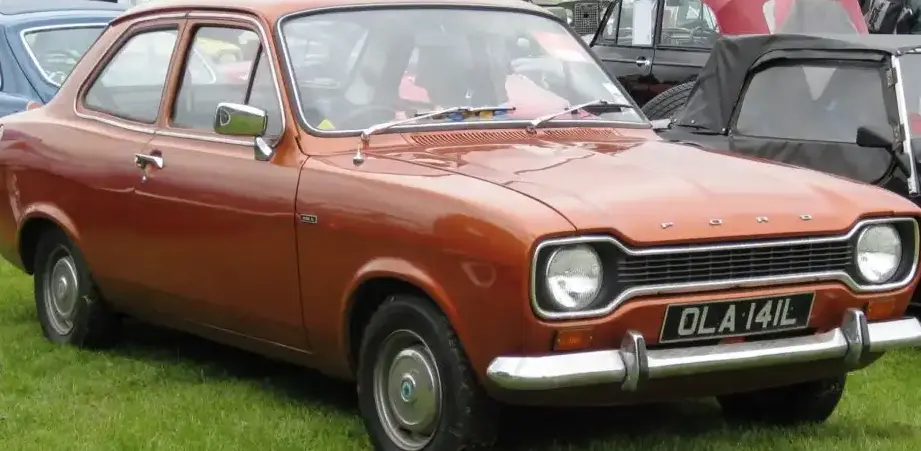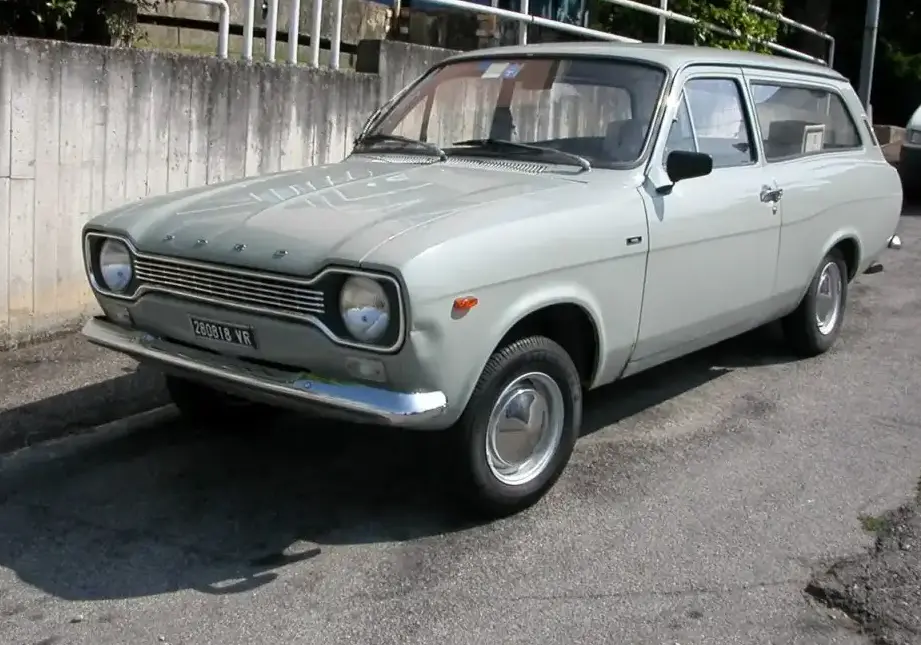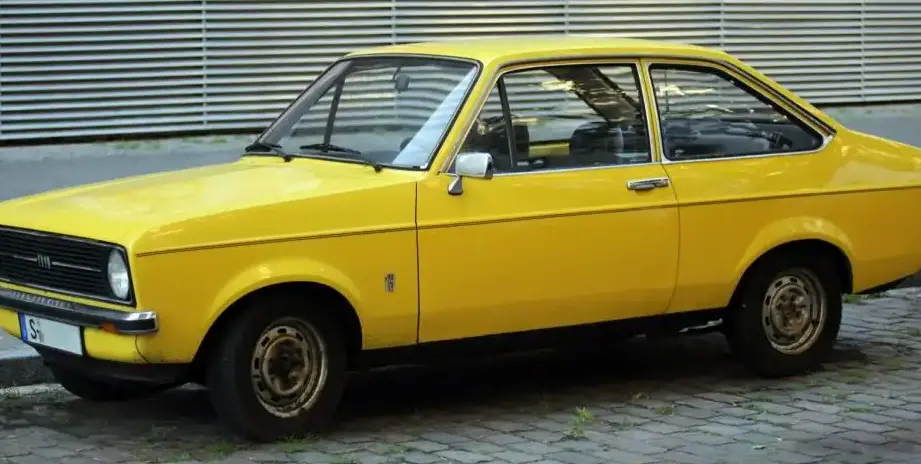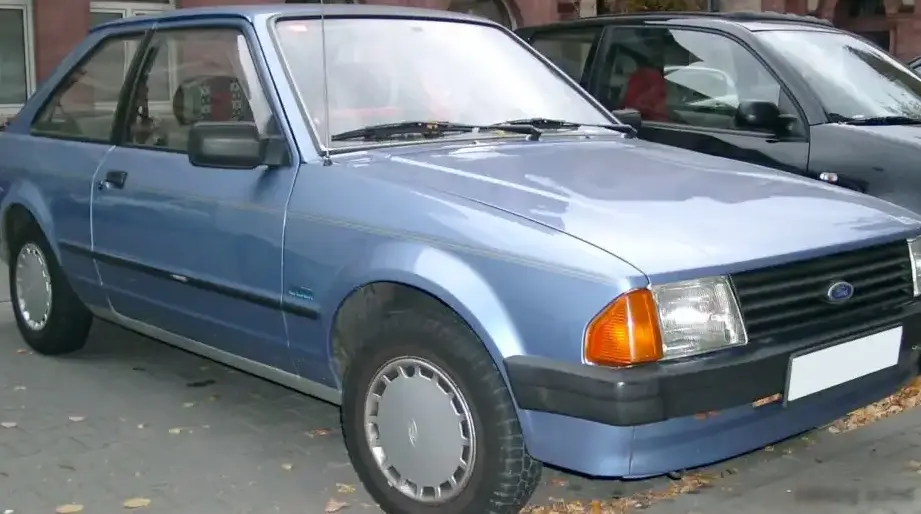
The Ford Escort III 1.6 XR3i, produced between 1982 and 1985, represented a performance-oriented variant within the third generation of the popular Ford Escort. Falling under the GAA, AWA, ABFT, and AVA chassis codes, the XR3i aimed to deliver a more engaging driving experience than the standard Escort models. It occupied a mid-range performance position in the lineup, bridging the gap between the base models and the later, more potent RS1600. The XR3i was primarily marketed in Europe, becoming a popular choice for drivers seeking a sporty and affordable hatchback.
Technical Specifications
| Brand | Ford |
| Model | Escort |
| Generation | Escort III (GAA, AWA, ABFT, AVA) |
| Type | 1.6 XR3i (105 Hp) |
| Start of production | 1982 |
| End of production | 1985 |
| Powertrain Architecture | Internal Combustion Engine |
| Body type | Hatchback |
| Seats | 4 |
| Doors | 3 |
| Fuel consumption (urban) | 10.2 l/100 km (23.1 US mpg) |
| Fuel consumption (extra urban) | 8.9 l/100 km (26.4 US mpg) |
| Fuel Type | Petrol (Gasoline) |
| Acceleration 0 – 100 km/h | 9.7 sec |
| Acceleration 0 – 62 mph | 9.7 sec |
| Acceleration 0 – 60 mph | 9.2 sec |
| Maximum speed | 182 km/h (113.09 mph) |
| Weight-to-power ratio | 8.3 kg/Hp |
| Weight-to-torque ratio | 6.5 kg/Nm |
| Power | 105 Hp @ 6000 rpm |
| Torque | 133 Nm @ 4000 rpm (98.1 lb.-ft. @ 4000 rpm) |
| Engine displacement | 1597 cm3 (97.45 cu. in.) |
| Number of cylinders | 4 |
| Compression ratio | 9:1 |
| Engine aspiration | Naturally aspirated |
| Kerb Weight | 870 kg (1918.02 lbs.) |
| Max. weight | 1375 kg (3031.36 lbs.) |
| Max load | 505 kg (1113.33 lbs.) |
| Trunk (boot) space – minimum | 305 l (10.77 cu. ft.) |
| Trunk (boot) space – maximum | 1378 l (48.66 cu. ft.) |
| Fuel tank capacity | 48 l (12.68 US gal) |
| Length | 3966 mm (156.14 in.) |
| Width | 1640 mm (64.57 in.) |
| Height | 1337 mm (52.64 in.) |
| Wheelbase | 2396 mm (94.33 in.) |
| Minimum turning circle | 10 m (32.81 ft.) |
| Drivetrain Architecture | Front Wheel Drive |
| Number of gears | 5 |
| Gearbox type | Manual Transmission |
| Tire size | 185/60 HR13 |
Powertrain & Engine Architecture
The heart of the Escort III XR3i was the 1.6-liter, naturally aspirated inline-four cylinder engine. This engine, often referred to by its internal code, was a development of Ford’s existing Zetec series. It featured a cast iron block and an aluminum cylinder head, employing a single overhead camshaft (SOHC) design. Fuel delivery was managed by a Bosch K-Jetronic mechanical fuel injection system, a relatively sophisticated setup for the time, contributing to improved fuel efficiency and responsiveness compared to carbureted engines. The engine’s 9:1 compression ratio and carefully tuned intake and exhaust systems helped it produce 105 horsepower at 6000 rpm and 133 Nm (98.1 lb-ft) of torque at 4000 rpm. The engine was mated to a five-speed manual transmission, providing drivers with precise control over the power delivery. This transmission was known for its relatively short throw and positive engagement.
Driving Characteristics
The XR3i offered a noticeable step up in performance compared to the standard Escort models. While not a particularly fast car by modern standards, its 0-60 mph time of around 9.2 seconds was respectable for the early 1980s. The five-speed gearbox allowed drivers to keep the engine in its optimal power band, providing brisk acceleration. The XR3i’s handling was also improved over the base Escort, thanks to a stiffer suspension and a more responsive steering system. However, the front-wheel-drive layout could exhibit understeer when pushed hard into corners. The gear ratios were tuned for a balance between acceleration and fuel economy, making it a suitable vehicle for both daily commuting and spirited driving. Compared to the later RS1600, which featured a more powerful engine and a limited-slip differential, the XR3i was less aggressive and more approachable for a wider range of drivers.
Equipment & Trim Levels
The XR3i came reasonably well-equipped for its price point. Standard features typically included a sports steering wheel, upgraded instrumentation (including a tachometer), and Recaro sports seats. Interior trim was generally more refined than that of the base Escort, with higher-quality materials and a more modern design. Exterior features included distinctive body-colored bumpers, a rear spoiler, and alloy wheels. Optional extras included a sunroof, central locking, and upgraded audio systems. The interior upholstery was typically cloth, available in a variety of colors and patterns. The dashboard layout was functional and driver-focused, with all essential controls within easy reach.
Chassis & Braking
The Escort III XR3i utilized a MacPherson strut front suspension and a semi-trailing arm rear suspension. The suspension was tuned to provide a firmer ride and improved handling compared to the standard Escort. The front brakes were ventilated discs, while the rear brakes were typically drum brakes, although some later models featured rear disc brakes. The steering was a rack-and-pinion system, providing precise and responsive steering feel. The XR3i’s chassis was reinforced in key areas to improve rigidity and handling. Stabilizer bars were fitted to both the front and rear axles to reduce body roll during cornering.
Market Reception & Comparison
The Escort III XR3i was generally well-received by automotive critics. It was praised for its sporty handling, responsive engine, and relatively affordable price. However, some critics noted that the interior was somewhat basic and that the rear drum brakes were a limitation. Compared to rivals such as the Volkswagen Golf GTI, the XR3i offered a similar level of performance and handling at a lower price point. Fuel economy was reasonable for a performance-oriented hatchback of the time, averaging around 23-26 mpg in mixed driving conditions. Reliability was generally good, although the K-Jetronic fuel injection system could require occasional maintenance.
Legacy
The Ford Escort III XR3i remains a popular classic car among enthusiasts. The 1.6-liter engine and five-speed manual transmission combination is generally considered to be a reliable and durable powertrain. While parts availability can be a challenge, many components are still available from specialist suppliers. The XR3i’s relatively simple mechanical design makes it a relatively easy car to maintain and repair. Today, well-maintained examples of the XR3i are sought after by collectors and enthusiasts, representing a nostalgic reminder of the 1980s hot hatch era. The XR3i paved the way for the more powerful RS1600 and helped establish the Escort as a performance icon in Europe.