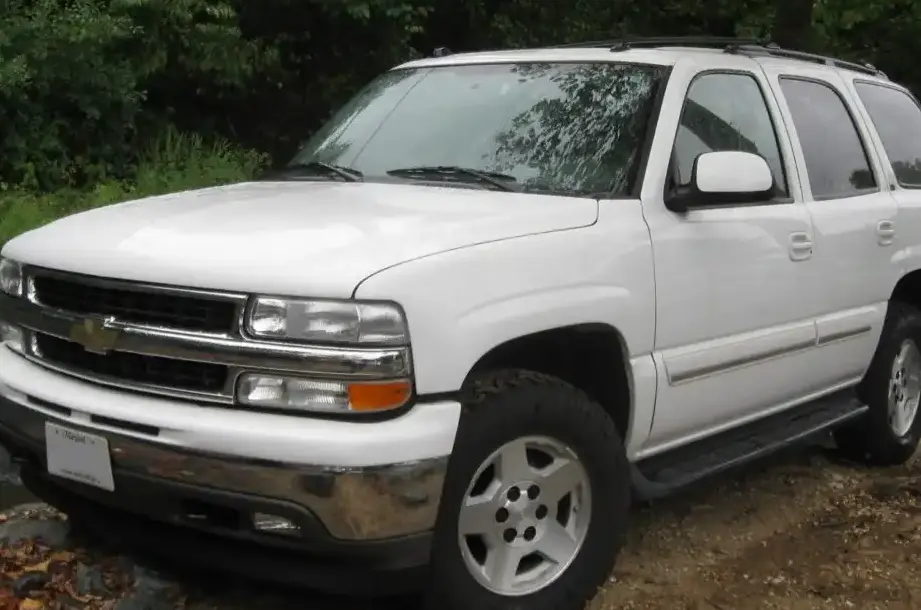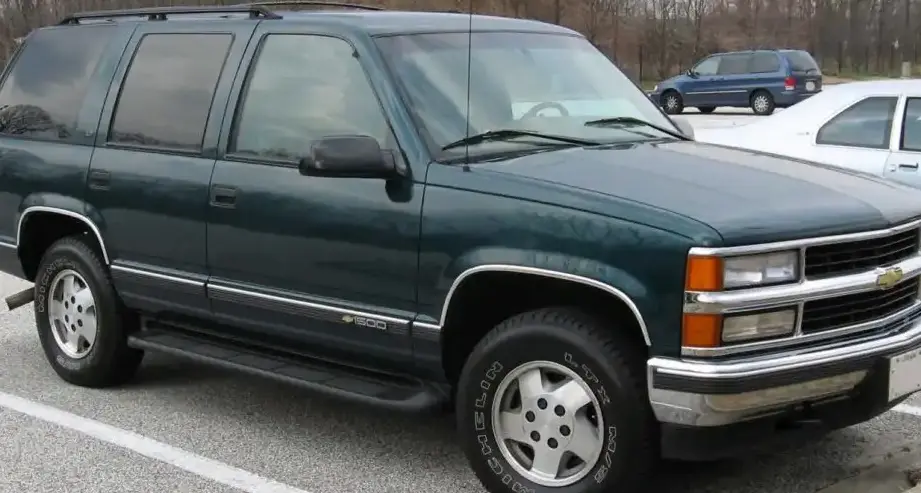
The Chevrolet Tahoe (GMT410) 6.5 V8 Turbo Diesel 4WD, produced from 1995 to 1999, represents a significant iteration of Chevrolet’s full-size SUV offering. This variant occupied a specific niche within the second generation Tahoe lineup, appealing to buyers needing substantial towing capacity and durability, particularly in regions where diesel fuel was readily available and preferred for heavy-duty applications. The GMT410 platform, shared with the GMC Yukon, marked a move towards a more rounded and aerodynamic design compared to its predecessor, while retaining the body-on-frame construction favored for truck-based SUVs. This particular diesel configuration was positioned as a workhorse trim, prioritizing capability over outright speed or luxury, and served as a robust alternative to the gasoline-powered engines available in the Tahoe range.
Technical Specifications
| Brand | Chevrolet |
| Model | Tahoe |
| Generation | Tahoe (GMT410) |
| Type (Engine) | 6.5 V8 TD 4WD (180 Hp) |
| Start of production | 1995 |
| End of production | 1999 |
| Powertrain Architecture | Internal Combustion engine |
| Body type | SUV |
| Seats | 5 |
| Doors | 3 |
| Fuel consumption (combined) | 16.2 l/100 km |
| Fuel consumption (US mpg) | 14.5 |
| Fuel consumption (UK mpg) | 17.4 |
| Fuel consumption (km/l) | 6.2 |
| Fuel Type | Diesel |
| Weight-to-power ratio | 11.6 kg/Hp |
| Power | 180 Hp @ 3400 rpm |
| Power per litre | 27.8 Hp/l |
| Torque | 366 Nm @ 1700 rpm |
| Torque (lb.-ft.) | 269.95 lb.-ft. @ 1700 rpm |
| Engine layout | Front, Longitudinal |
| Engine Model/Code | L56 |
| Engine displacement | 6468 cm3 |
| Engine displacement (cu. in.) | 394.7 |
| Number of cylinders | 8 |
| Engine configuration | V-engine |
| Cylinder Bore | 102.9 mm |
| Cylinder Bore (in.) | 4.05 |
| Piston Stroke | 97 mm |
| Piston Stroke (in.) | 3.82 |
| Compression ratio | 21.5:1 |
| Number of valves per cylinder | 2 |
| Fuel injection system | Precombustion chamber injection |
| Engine aspiration | Turbocharger |
| Engine oil capacity | 6.6 l |
| Engine oil capacity (US qt) | 6.97 |
| Engine oil capacity (UK qt) | 5.81 |
| Kerb Weight | 2092 kg |
| Kerb Weight (lbs) | 4612.07 |
| Fuel tank capacity | 113 l |
| Fuel tank capacity (US gal) | 29.85 |
| Fuel tank capacity (UK gal) | 24.86 |
| Length | 4788 mm |
| Length (in.) | 188.5 |
| Width | 1958 mm |
| Width (in.) | 77.09 |
| Height | 1839 mm |
| Height (in.) | 72.4 |
| Wheelbase | 2832 mm |
| Wheelbase (in.) | 111.5 |
| Front track | 1628 mm |
| Front track (in.) | 64.09 |
| Rear track | 1613 mm |
| Rear track (in.) | 63.5 |
| Drive wheel | All wheel drive (4×4) |
| Number of gears | 5 |
| Gearbox type | manual transmission |
| Front suspension | Torsion |
| Rear suspension | Leaf spring |
| Front brakes | Disc |
| Rear brakes | Drum |
| Assisting systems | ABS (Anti-lock braking system) |
| Power steering | Hydraulic Steering |
| Tires size | 225/75 R16 |
Powertrain & Engine Architecture
The heart of this Tahoe variant is the 6.5-liter naturally aspirated V8 diesel engine, designated the L56. This engine, a product of Detroit Diesel, utilized a precombustion chamber injection system. Unlike direct injection diesels, precombustion chambers housed a glow plug and a small auxiliary combustion chamber, promoting more complete combustion, especially during cold starts. The L56 was known for its durability and relatively simple design, contributing to its longevity. The turbocharger, a key component, boosted power output to 180 horsepower at 3400 rpm and 366 Nm (270 lb-ft) of torque at a low 1700 rpm. This torque curve was particularly advantageous for towing and hauling. The engine’s robust construction and relatively low-stress operation made it well-suited for extended service intervals, though regular maintenance was still crucial. The 5-speed manual transmission was the only transmission option available with this engine, providing a direct connection to the engine’s power and allowing for greater driver control.
Driving Characteristics
The 6.5L diesel Tahoe offered a distinctly different driving experience compared to its gasoline counterparts. While not a performance-oriented vehicle, the engine’s substantial low-end torque made it exceptionally capable for towing trailers, boats, or other heavy loads. Acceleration was modest, but the engine pulled strongly once underway. The manual transmission, while offering more control, required more driver involvement than the automatic transmissions found in other Tahoe trims. The gear ratios were optimized for towing and fuel efficiency, rather than quick acceleration. Compared to the 5.7L V8 gasoline engine, the diesel offered significantly more torque but less peak horsepower. The diesel’s heavier engine also impacted handling, resulting in a slightly more deliberate feel in corners.
Equipment & Trim Levels
The 6.5L diesel 4WD Tahoe typically came with a relatively basic trim level, focusing on functionality rather than luxury. Standard features generally included air conditioning, a basic AM/FM radio, cloth upholstery, and manual windows and locks. Power steering and anti-lock brakes (ABS) were also standard. Optional extras included a CD player, upgraded sound system, and a towing package. The interior was designed for durability and ease of cleaning, reflecting the vehicle’s intended use as a workhorse. The exterior typically featured black plastic trim and relatively simple steel wheels.
Chassis & Braking
The GMT410 Tahoe utilized a traditional body-on-frame construction, providing a robust and durable platform. The front suspension employed a torsion bar setup, while the rear suspension utilized leaf springs. This configuration was designed to handle heavy loads and provide a comfortable ride, albeit with some body roll in corners. The braking system featured disc brakes at the front and drum brakes at the rear. ABS was standard, enhancing braking performance and stability, particularly on slippery surfaces. The 4WD system was typically a part-time system, allowing the driver to engage four-wheel drive when needed for improved traction in off-road or inclement weather conditions.
Market Reception & Comparison
The 6.5L diesel Tahoe garnered a positive reception from buyers who prioritized towing capacity and durability. Critics acknowledged the engine’s robust nature and impressive torque output, but noted its relatively low horsepower and modest acceleration. Compared to the gasoline-powered Tahoe models, the diesel offered superior fuel economy when towing heavy loads, but was generally more expensive to purchase. The diesel also required more diligent maintenance, including regular oil changes and fuel filter replacements. The 1.8L gasoline engine offered a more affordable entry point, while the larger 5.7L V8 provided more power for those who didn’t require the diesel’s towing capabilities.
Legacy
The Chevrolet Tahoe (GMT410) 6.5L diesel 4WD has developed a loyal following among enthusiasts and those seeking a durable and capable SUV. The L56 engine, while no longer in production, is known for its longevity and relatively simple mechanical design. Well-maintained examples continue to command reasonable prices in the used car market. However, potential buyers should be aware of the engine’s age and the potential for maintenance issues associated with older diesel engines. The GMT410 Tahoe, particularly the diesel variant, represents a significant chapter in Chevrolet’s SUV history, embodying a commitment to ruggedness, capability, and long-term durability.