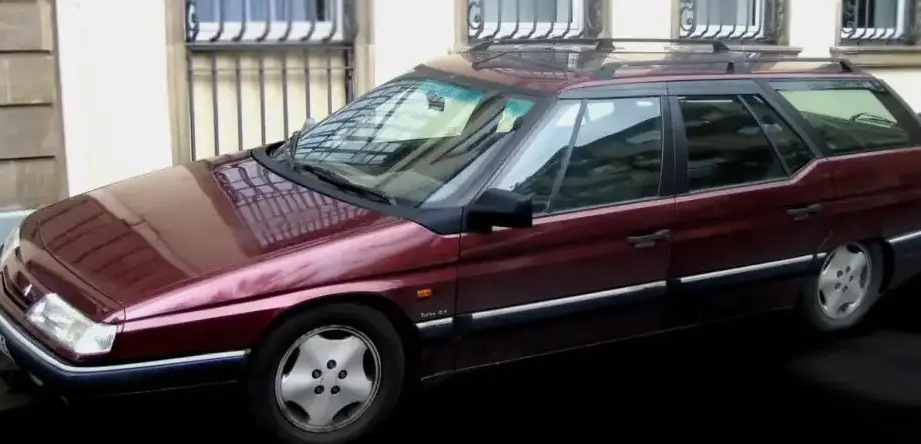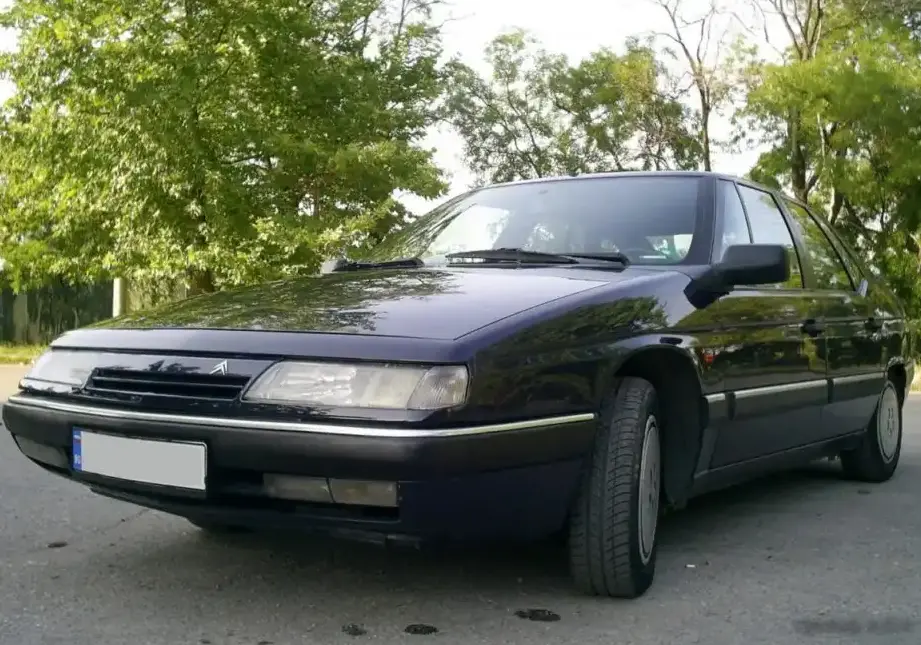
The Citroen XM (Y3) 2.0 i Turbo CT, produced between 1992 and 1994, represented a compelling blend of performance and comfort within the second generation of the XM line. Positioned as a mid-range offering, it slotted between the naturally aspirated 2.0i models and the flagship 3.0 V6 variants. The XM, launched in 1989, was Citroen’s attempt to replace the aging CX, aiming to provide a technologically advanced and luxurious executive car that continued the brand’s tradition of innovative suspension systems. The Y3 designation refers to the facelifted version introduced in 1994, but the 2.0 i Turbo CT was available prior to this update. This variant was primarily sold in European markets, where it competed with vehicles like the Ford Granada, Peugeot 605, and BMW 5 Series.
Technical Specifications
| Brand | Citroen |
| Model | XM |
| Generation | XM (Y3) |
| Type (Engine) | 2.0 i Turbo CT (141 Hp) |
| Start of production | 1992 |
| End of production | 1994 |
| Powertrain Architecture | Internal Combustion engine |
| Body type | Hatchback |
| Seats | 5 |
| Doors | 5 |
| Fuel consumption (urban) | 12.7 l/100 km (18.5 US mpg, 22.2 UK mpg) |
| Fuel consumption (extra urban) | 7.1 l/100 km (33.1 US mpg, 39.8 UK mpg) |
| Fuel Type | Petrol (Gasoline) |
| Acceleration 0 – 100 km/h | 9.8 sec |
| Acceleration 0 – 62 mph | 9.8 sec |
| Acceleration 0 – 60 mph | 9.3 sec |
| Maximum speed | 212 km/h (131.73 mph) |
| Weight-to-power ratio | 9.9 kg/Hp |
| Weight-to-torque ratio | 6.2 kg/Nm |
| Power | 141 Hp @ 4400 rpm |
| Power per litre | 70.6 Hp/l |
| Torque | 226 Nm @ 2200 rpm (166.69 lb.-ft. @ 2200 rpm) |
| Engine layout | Front, Transverse |
| Engine Model/Code | RGY XU10 J2TE |
| Engine displacement | 1998 cm3 (121.93 cu. in.) |
| Number of cylinders | 4 |
| Engine configuration | Inline |
| Cylinder Bore | 86 mm (3.39 in.) |
| Piston Stroke | 86 mm (3.39 in.) |
| Compression ratio | 8.5:1 |
| Number of valves per cylinder | 2 |
| Fuel injection system | Multi-port manifold injection |
| Engine aspiration | Turbocharger, Intercooler |
| Engine oil capacity | 5.4 l (5.71 US qt | 4.75 UK qt) |
| Coolant capacity | 7.5 l (7.93 US qt | 6.6 UK qt) |
| Kerb Weight | 1400 kg (3086.47 lbs.) |
| Max. weight | 1950 kg (4299.01 lbs.) |
| Max load | 550 kg (1212.54 lbs.) |
| Trunk (boot) space – minimum | 455 l (16.07 cu. ft.) |
| Trunk (boot) space – maximum | 1460 l (51.56 cu. ft.) |
| Fuel tank capacity | 80 l (21.13 US gal | 17.6 UK gal) |
| Length | 4708 mm (185.35 in.) |
| Width | 1794 mm (70.63 in.) |
| Width including mirrors | 2000 mm (78.74 in.) |
| Height | 1385 mm (54.53 in.) |
| Wheelbase | 2850 mm (112.2 in.) |
| Front track | 1520 mm (59.84 in.) |
| Rear track | 1450 mm (57.09 in.) |
| Front overhang | 1068 mm (42.05 in.) |
| Rear overhang | 790 mm (31.1 in.) |
| Ride height (ground clearance) | 141 mm (5.55 in.) |
| Minimum turning circle | 12.5 m (41.01 ft.) |
| Drivetrain Architecture | Front wheel drive |
| Number of gears | 5 |
| Gearbox type | Manual transmission |
| Front suspension | Independent type McPherson, Wishbone |
| Rear suspension | Hydro-pneumatic element, Trailing arm |
| Front brakes | Ventilated discs |
| Rear brakes | Disc |
| Assisting systems | ABS (Anti-lock braking system) |
| Steering type | Steering rack and pinion |
| Power steering | Hydraulic Steering |
| Tires size | 205/60 R15 |
Powertrain & Engine Architecture
The heart of the XM 2.0 i Turbo CT is the Peugeot-Renault-Volvo (PRV) XU10 J2TE engine, a 1998cc inline-four cylinder unit. This engine, designated RGY, featured a single overhead camshaft (SOHC) design with two valves per cylinder. The key to its performance was a Garrett T25 turbocharger with an intercooler, boosting power output to 141 horsepower at 4400 rpm and 226 Nm (166.69 lb-ft) of torque at 2200 rpm. Fuel delivery was managed by Bosch Motronic multi-port fuel injection. The engine’s design prioritized drivability and refinement over outright peak power. The five-speed manual transmission was the standard offering, providing a balance between performance and fuel economy. The gearbox was known for its relatively long gearing, contributing to the XM’s comfortable cruising characteristics.
Driving Characteristics
The 2.0 i Turbo CT offered a noticeable step up in performance compared to the naturally aspirated 2.0i models. Acceleration to 60 mph took approximately 9.3 seconds, and it could reach a top speed of 131.73 mph. While not a sports car, the turbocharger provided a useful surge of power for overtaking and highway driving. The long gearing of the manual transmission meant that the engine didn’t feel strained at higher speeds. However, the turbo lag was noticeable, requiring drivers to downshift to access the engine’s full potential. The XM’s signature hydropneumatic suspension provided an exceptionally smooth and comfortable ride, absorbing bumps and imperfections in the road with ease. This, combined with the relatively quiet engine, made for a refined driving experience.
Equipment & Trim Levels
The 2.0 i Turbo CT trim level was well-equipped for its time. Standard features included central locking, electric windows, power steering, and an adjustable steering column. The interior typically featured cloth upholstery, although leather was available as an option. Air conditioning was also a common feature. Higher-spec models could be equipped with features like a sunroof, upgraded audio systems, and even rear headrests. The dashboard layout was functional and ergonomically designed, with most controls within easy reach of the driver. The XM’s interior was known for its spaciousness and comfortable seating.
Chassis & Braking
The XM featured an independent front suspension with McPherson struts and wishbones, while the rear suspension utilized Citroen’s innovative hydropneumatic system. This system allowed for self-leveling and adjustable ride height, providing a consistently comfortable ride regardless of load. The braking system consisted of ventilated discs on the front wheels and solid discs on the rear. Anti-lock braking system (ABS) was standard, enhancing safety and control. The steering was rack and pinion, providing precise and responsive handling. The XM’s chassis was designed to prioritize comfort and stability over sporty handling.
Market Reception & Comparison
The Citroen XM 2.0 i Turbo CT was generally well-received by automotive critics. It was praised for its comfortable ride, spacious interior, and refined engine. However, some critics noted the noticeable turbo lag and the relatively high fuel consumption. Compared to the naturally aspirated 2.0i models, the Turbo CT offered a significant performance boost, but at the cost of slightly increased fuel consumption. The 3.0 V6 models provided even more power and refinement, but were considerably more expensive. The 2.0 i Turbo CT represented a good compromise between performance, comfort, and price.
Legacy
The Citroen XM, while not a commercial blockbuster, remains a fondly remembered car among enthusiasts. The 2.0 i Turbo CT powertrain, while not without its quirks, proved to be relatively reliable when properly maintained. The hydropneumatic suspension system, while complex, provided an unparalleled ride quality. Today, well-maintained examples of the XM 2.0 i Turbo CT are becoming increasingly collectible. Common issues include corrosion, leaks in the hydropneumatic system, and wear and tear on the turbocharger. However, with careful maintenance and attention, these cars can continue to provide a unique and rewarding driving experience.