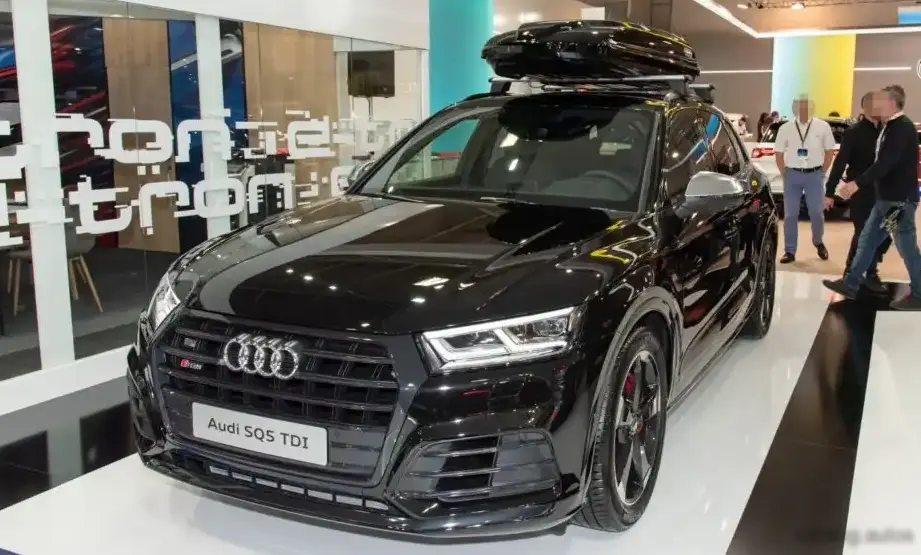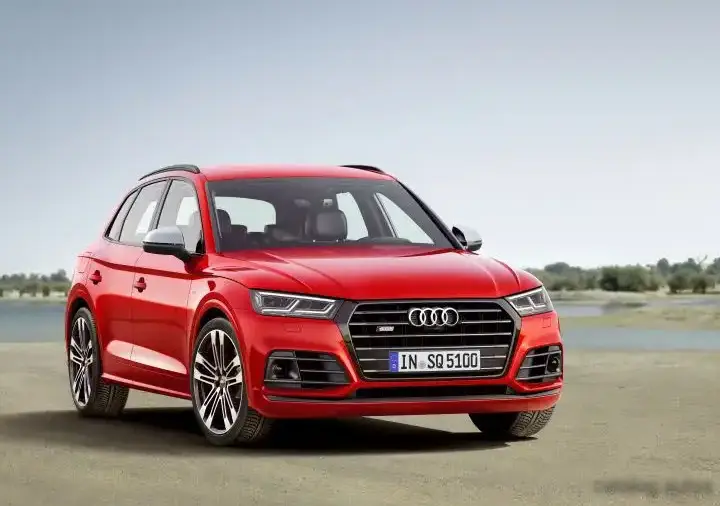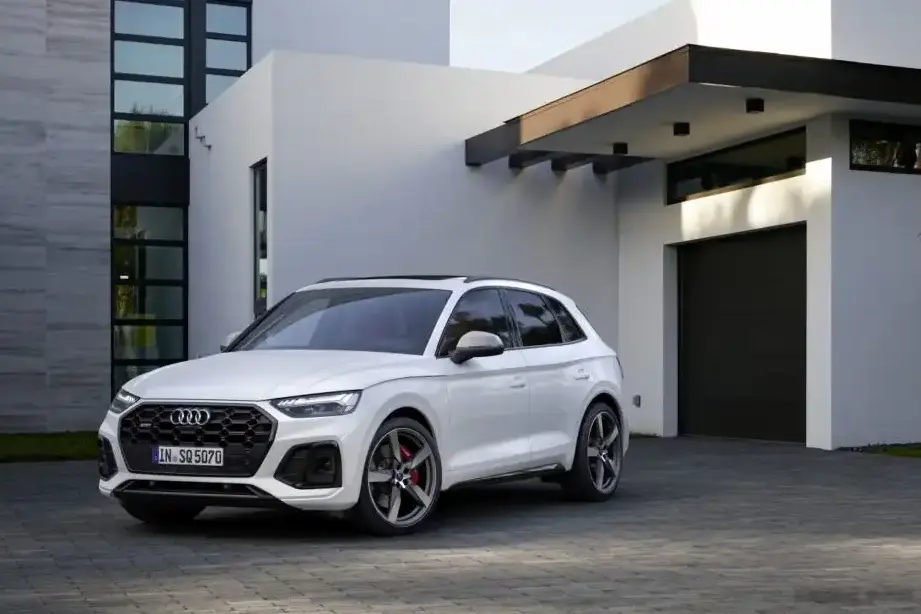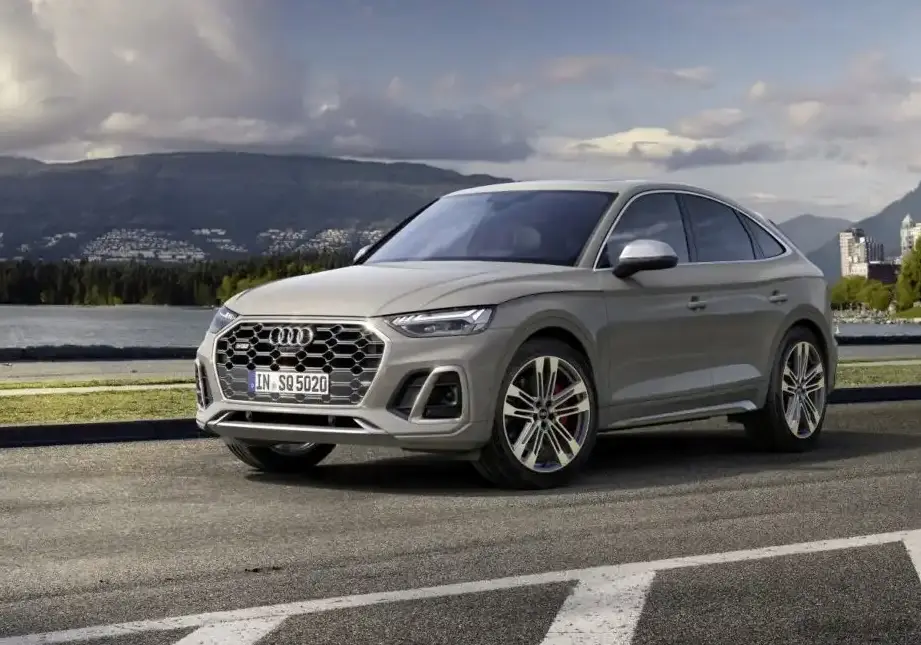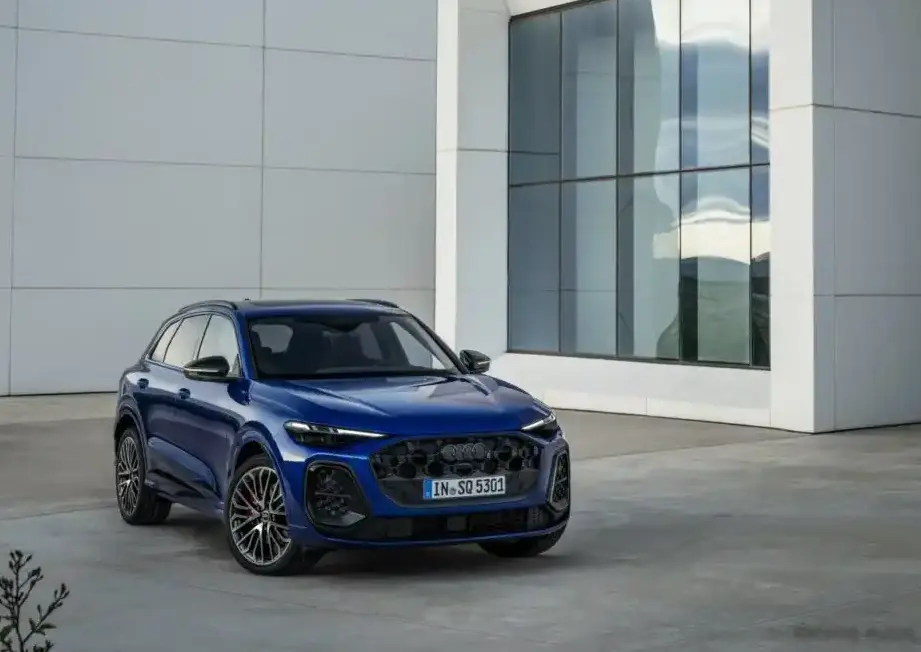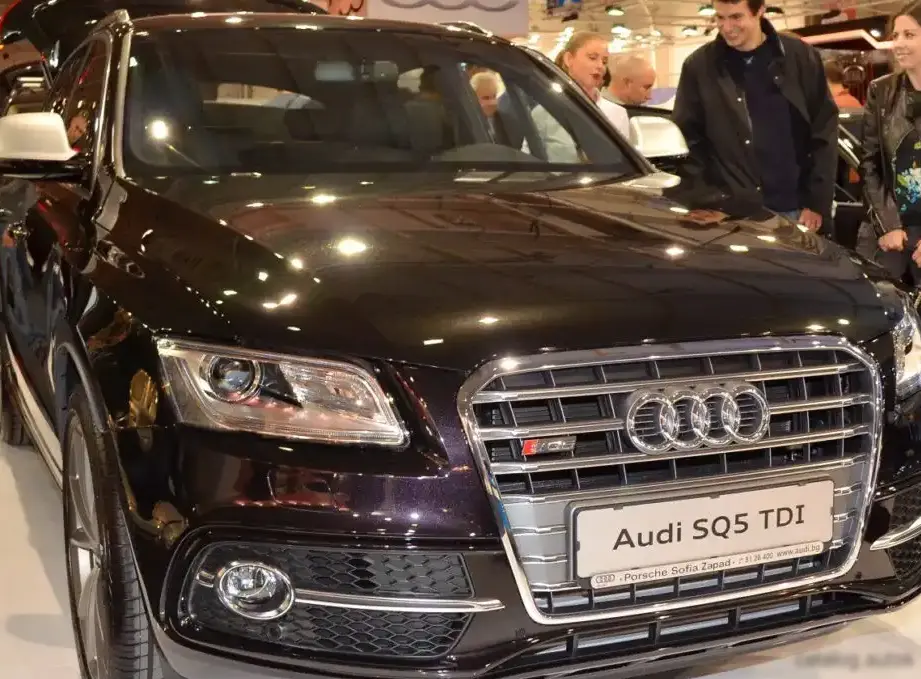
The Audi SQ5 I (8R) 3.0 TDI plus V6 quattro Tiptronic represents the performance pinnacle of the first-generation SQ5 line, produced between 2015 and 2017. Positioned as the top-tier diesel variant, it offered a significant power upgrade over the standard SQ5 models, appealing to buyers seeking both luxury and spirited driving dynamics within the compact SUV segment. This model occupied the premium end of the SQ5 range, bridging the gap between the standard 3.0 TDI and the later, more focused performance variants. It was primarily marketed in Europe and other regions where diesel engines remained popular, offering a compelling alternative to gasoline-powered performance SUVs.
Technical Specifications
| Brand | Audi |
| Model | SQ5 |
| Generation | SQ5 I (8R) |
| Type (Engine) | 3.0 TDI plus V6 (340 Hp) quattro Tiptronic |
| Start of production | 2015 |
| End of production | 2017 |
| Powertrain Architecture | Internal Combustion engine |
| Body type | SUV |
| Seats | 5 |
| Doors | 5 |
| Fuel consumption (urban) | 7.8-7.9 l/100 km (30.2 – 29.8 US mpg, 36.2 – 35.8 UK mpg, 12.8 – 12.7 km/l) |
| Fuel consumption (extra urban) | 5.9-6.0 l/100 km (39.9 – 39.2 US mpg, 47.9 – 47.1 UK mpg, 16.9 – 16.7 km/l) |
| Fuel consumption (combined) | 6.6-6.7 l/100 km (35.6 – 35.1 US mpg, 42.8 – 42.2 UK mpg, 15.2 – 14.9 km/l) |
| CO2 emissions | 174-177 g/km |
| Fuel Type | Diesel |
| Acceleration 0 – 100 km/h | 5.1 sec |
| Acceleration 0 – 62 mph | 5.1 sec |
| Acceleration 0 – 60 mph | 4.8 sec |
| Maximum speed | 250 km/h (155.34 mph) |
| Emission standard | Euro 6 |
| Weight-to-power ratio | 5.9 kg/Hp, 170 Hp/tonne |
| Weight-to-torque ratio | 2.9 kg/Nm, 350 Nm/tonne |
| Power | 340 Hp @ 4100-4300 rpm |
| Power per litre | 114.6 Hp/l |
| Torque | 700 Nm @ 1500-2550 rpm (516.29 lb.-ft. @ 1500-2550 rpm) |
| Engine layout | Front, Longitudinal |
| Engine Model/Code | DEHA |
| Engine displacement | 2967 cm3 (181.06 cu. in.) |
| Number of cylinders | 6 |
| Engine configuration | V-engine |
| Cylinder Bore | 83 mm (3.27 in.) |
| Piston Stroke | 91.4 mm (3.6 in.) |
| Compression ratio | 15.5:1 |
| Number of valves per cylinder | 4 |
| Fuel injection system | Diesel Commonrail |
| Engine aspiration | BiTurbo, Intercooler |
| Engine oil capacity | 6.4 l (6.76 US qt | 5.63 UK qt) |
| Kerb Weight | 2000 kg (4409.25 lbs.) |
| Max. weight | 2585 kg (5698.95 lbs.) |
| Max load | 585 kg (1289.7 lbs.) |
| Trunk (boot) space – minimum | 540 l (19.07 cu. ft.) |
| Trunk (boot) space – maximum | 1560 l (55.09 cu. ft.) |
| Fuel tank capacity | 75 l (19.81 US gal | 16.5 UK gal) |
| AdBlue tank | 23 l (6.08 US gal | 5.06 UK gal) |
| Max. roof load | 75 kg (165.35 lbs.) |
| Permitted trailer load with brakes (8%) | 2400 kg (5291.09 lbs.) |
| Permitted trailer load with brakes (12%) | 2400 kg (5291.09 lbs.) |
| Permitted trailer load without brakes | 750 kg (1653.47 lbs.) |
| Permitted towbar download | 100 kg (220.46 lbs.) |
| Length | 4644 mm (182.83 in.) |
| Width | 1911 mm (75.24 in.) |
| Width including mirrors | 2089 mm (82.24 in.) |
| Height | 1624 mm (63.94 in.) |
| Wheelbase | 2813 mm (110.75 in.) |
| Front track | 1638 mm (64.49 in.) |
| Rear (Back) track | 1632 mm (64.25 in.) |
| Front overhang | 896 mm (35.28 in.) |
| Rear overhang | 935 mm (36.81 in.) |
| Drag coefficient (Cd) | 0.35 |
| Minimum turning circle (turning diameter) | 11.6 m (38.06 ft.) |
| Drive wheel | All wheel drive (4×4) |
| Number of gears and type of gearbox | 8 gears, automatic transmission Tiptronic |
| Front suspension | Independent multi-link suspension |
| Rear suspension | Independent on trapezoidal lever |
| Front brakes | Ventilated discs |
| Rear brakes | Ventilated discs |
| Assisting systems | ABS (Anti-lock braking system) |
| Steering type | Steering rack and pinion |
| Power steering | Electric Steering |
| Tires size | 255/45 R20; 255/40 R21 |
| Wheel rims size | 8.5J x 20; 21 |
Powertrain & Engine Architecture
The heart of the SQ5 I (8R) 3.0 TDI plus is the DEHA engine, a 3.0-liter V6 turbodiesel. This engine is a sophisticated design featuring a bi-turbocharger setup – one low-inertia turbo for rapid response and one larger turbo for peak power. The engine utilizes a common rail direct injection system, delivering fuel at extremely high pressures for optimized combustion. The cylinder head incorporates four valves per cylinder, enhancing volumetric efficiency. The 15.5:1 compression ratio is typical for a high-performance diesel, contributing to both power and efficiency. The eight-speed Tiptronic automatic transmission is a crucial component, offering smooth and quick shifts. It’s programmed for both comfort and performance, with the ability for the driver to manually select gears. The transmission is designed to handle the substantial 700 Nm (516 lb-ft) of torque produced by the engine.
Driving Characteristics
The 340 hp and 700 Nm of torque translate into impressive performance. Acceleration from 0-60 mph takes approximately 4.8 seconds, making it a genuinely quick SUV. The Tiptronic transmission is well-matched to the engine’s characteristics, providing seamless gear changes during normal driving and responsive downshifts when pushed. Compared to the standard SQ5 3.0 TDI (typically around 270-300 hp), the ‘plus’ variant offers a noticeable increase in power and a more urgent throttle response. While the standard SQ5 felt refined and capable, the 3.0 TDI plus delivers a more visceral and engaging driving experience. The eight-speed transmission’s gear ratios are optimized for both acceleration and highway cruising, keeping engine speeds relatively low at higher speeds for improved fuel economy.
Equipment & Trim Levels
The SQ5 3.0 TDI plus typically came well-equipped as standard. Interior features included sport seats upholstered in a combination of Alcantara and leather, brushed aluminum trim, and a three-spoke multifunction steering wheel. Standard technology included Audi’s MMI infotainment system with navigation, a premium sound system, and tri-zone automatic climate control. Optional extras included panoramic sunroof, adaptive cruise control, and advanced driver-assistance systems like blind-spot monitoring and lane-keeping assist. Exterior features typically included S-line styling cues, such as unique bumpers, side skirts, and a rear spoiler. LED headlights were also a common feature.
Chassis & Braking
The SQ5 I (8R) features a fully independent suspension system, with multi-link setups at both the front and rear. This provides a comfortable ride while maintaining excellent handling characteristics. The suspension is tuned to be slightly firmer than the standard Q5, reflecting the SQ5’s performance focus. Braking duties are handled by ventilated discs on all four wheels, providing ample stopping power. The electronic stability control (ESC) system is integrated with Audi’s quattro all-wheel-drive system, enhancing traction and stability in all conditions. The quattro system utilizes a self-locking center differential, distributing torque between the front and rear axles as needed.
Market Reception & Comparison
The SQ5 3.0 TDI plus was generally well-received by automotive critics. It was praised for its potent engine, refined ride, and luxurious interior. Compared to other performance SUVs in its class, such as the Porsche Macan, the SQ5 offered a compelling combination of performance, practicality, and value. Fuel economy was also a strong point, with combined figures around 35 mpg being achievable in real-world driving. Reliability was generally good, although, like any complex vehicle, it was not without its potential issues. Some owners reported occasional issues with the turbochargers or the diesel particulate filter (DPF).
Legacy
The Audi SQ5 I (8R) 3.0 TDI plus V6 quattro Tiptronic remains a desirable used car today. Its combination of performance, luxury, and practicality continues to appeal to buyers. The DEHA engine, while complex, is generally considered robust when properly maintained. Regular servicing, including oil changes and DPF regeneration, is crucial for long-term reliability. The SQ5’s quattro all-wheel-drive system provides excellent all-weather capability, making it a practical choice for drivers in colder climates. As a first-generation SQ5, it represents a significant step up in performance and refinement compared to the standard Q5, and it laid the foundation for the subsequent generations of SQ5 models.