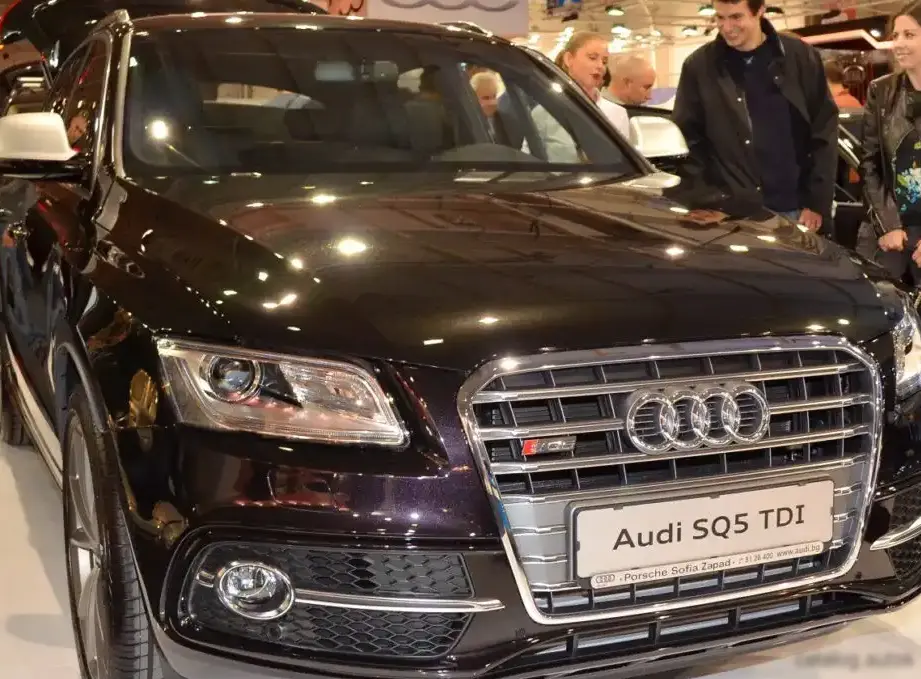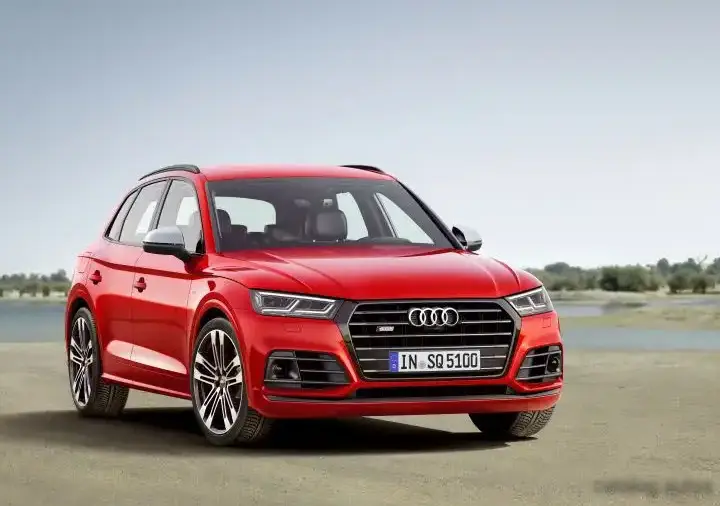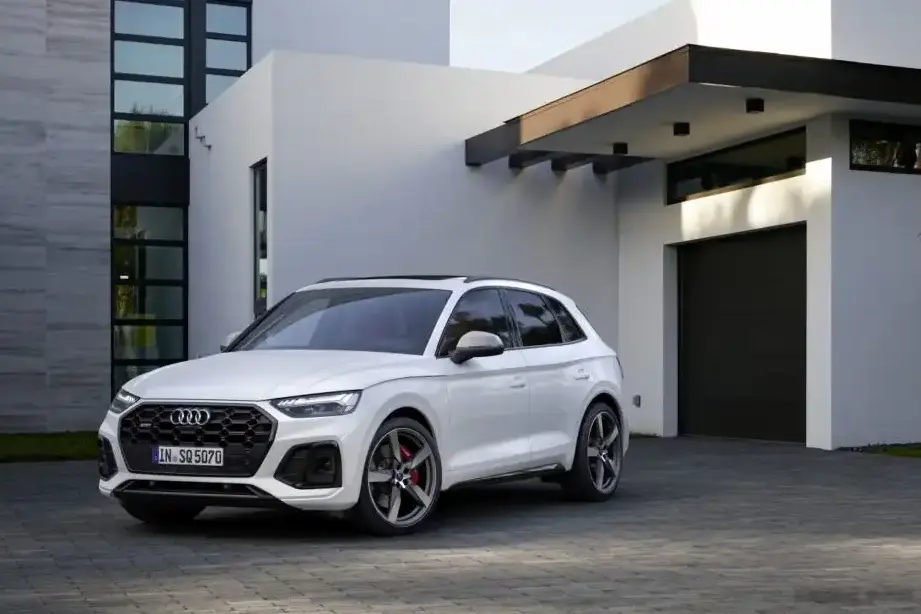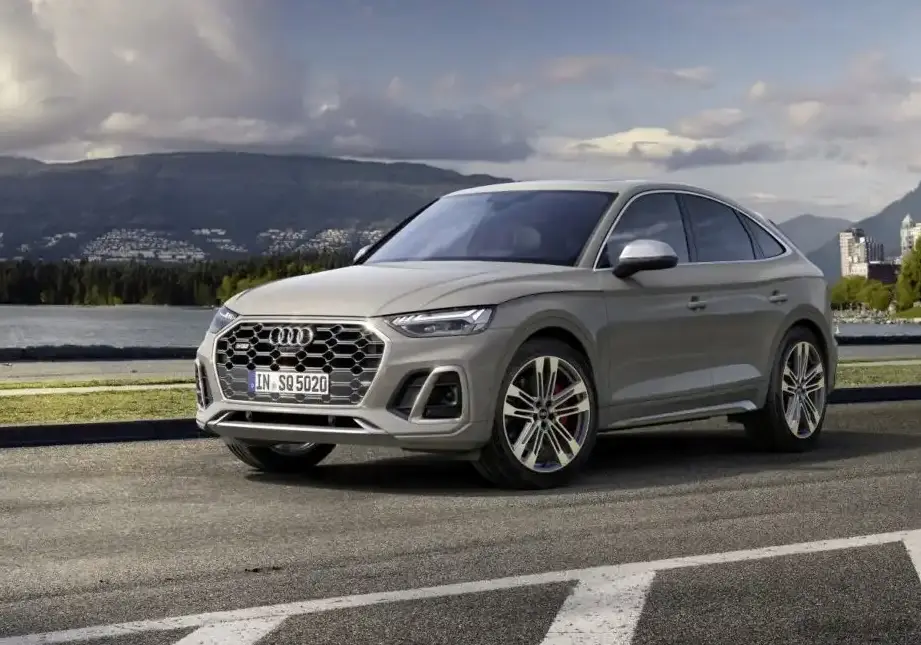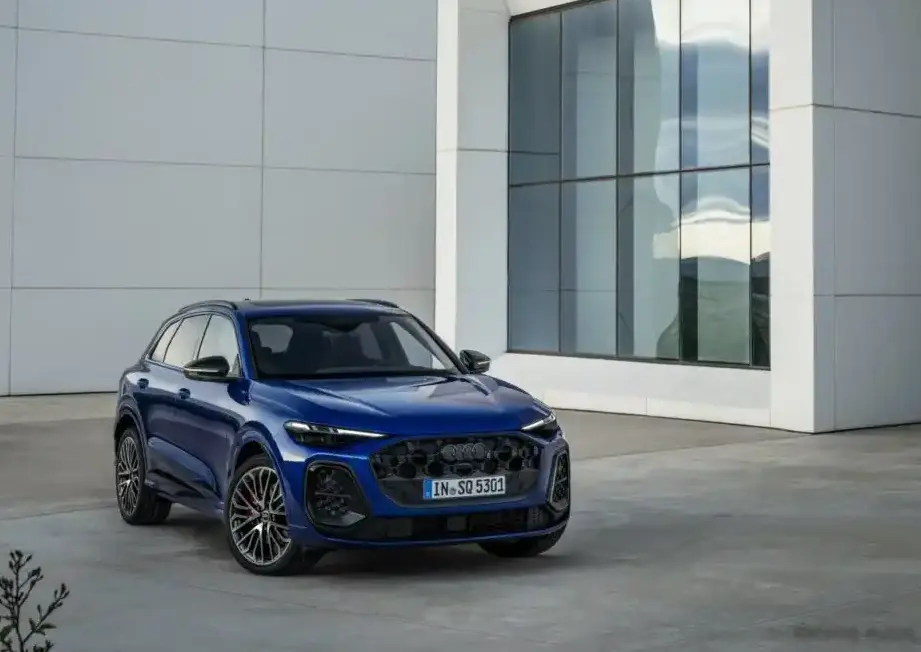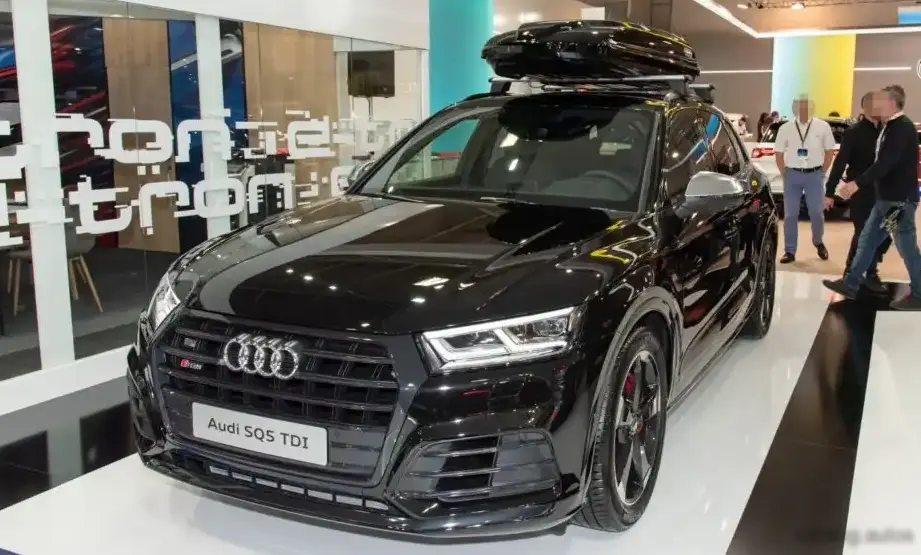
The Audi SQ5 II (FY) 3.0 TDI V6, produced from 2019 to 2020, represents a performance-oriented iteration of the second-generation Q5 SUV. Positioned as the diesel-powered performance variant, it slots above the standard Q5 and Q5 TDI models, offering a significant increase in power and dynamic capability. This model year saw the introduction of mild-hybrid technology to enhance efficiency and responsiveness. The SQ5 II primarily targeted the European market, where diesel engines remained popular for their fuel economy and torque, but was also available in select international markets. It competes with other performance SUVs like the Porsche Macan Diesel and BMW X3 M40d.
Technical Specifications
| Brand | Audi |
| Model | SQ5 |
| Generation | SQ5 II (FY) |
| Type (Engine) | 3.0 TDI V6 (347 Hp) Mild Hybrid quattro tiptronic |
| Start of production | 2019 |
| End of production | 2020 |
| Powertrain Architecture | MHEV (Mild Hybrid Electric Vehicle) |
| Body type | SUV |
| Seats | 5 |
| Doors | 5 |
| Fuel consumption at Low speed (WLTP) | 10.7 l/100 km (22 US mpg, 26.4 UK mpg, 9.3 km/l) |
| Fuel consumption at Medium speed (WLTP) | 8 l/100 km (29.4 US mpg, 35.3 UK mpg, 12.5 km/l) |
| Fuel consumption at high speed (WLTP) | 7.2 l/100 km (32.7 US mpg, 39.2 UK mpg, 13.9 km/l) |
| Fuel consumption at very high speed (WLTP) | 8.1 l/100 km (29 US mpg, 34.9 UK mpg, 12.3 km/l) |
| Combined fuel consumption (WLTP) | 8.2 l/100 km (28.7 US mpg, 34.4 UK mpg, 12.2 km/l) |
| CO2 emissions (WLTP) | 213 g/km |
| Fuel consumption (economy) – urban (NEDC) | 7.5 l/100 km (31.4 US mpg, 37.7 UK mpg, 13.3 km/l) |
| Fuel consumption (economy) – extra urban (NEDC) | 6 l/100 km (39.2 US mpg, 47.1 UK mpg, 16.7 km/l) |
| Fuel consumption (economy) – combined (NEDC) | 6.6-6.8 l/100 km (35.6 – 34.6 US mpg, 42.8 – 41.5 UK mpg, 15.2 – 14.7 km/l) |
| CO2 emissions (NEDC) | 172-177 g/km |
| Fuel Type | Diesel |
| Acceleration 0 – 100 km/h | 5.1 sec |
| Acceleration 0 – 62 mph | 5.1 sec |
| Acceleration 0 – 60 mph | 4.8 sec |
| Maximum speed | 250 km/h (155.34 mph) – Electronically limited |
| Emission standard | Euro 6d-TEMP |
| Weight-to-power ratio | 5.7 kg/Hp, 175.3 Hp/tonne |
| Weight-to-torque ratio | 2.8 kg/Nm, 353.5 Nm/tonne |
| Gross battery capacity | 0.5 kWh |
| Battery voltage | 48 V |
| Battery technology | Lithium-ion (Li-Ion) |
| Battery location | Under the trunk |
| Recuperation output | 12 kW |
| Power | 347 Hp @ 3850 rpm |
| Torque | 700 Nm @ 2500-3100 rpm (516.29 lb.-ft. @ 2500-3100 rpm) |
| Engine layout | Front, Longitudinal |
| Engine Model/Code | EA897evo2 / DEWB |
| Engine displacement | 2967 cm3 (181.06 cu. in.) |
| Number of cylinders | 6 |
| Engine configuration | V-engine |
| Cylinder Bore | 83 mm (3.27 in.) |
| Piston Stroke | 91.4 mm (3.6 in.) |
| Compression ratio | 15.5:1 |
| Number of valves per cylinder | 4 |
| Fuel injection system | Diesel Commonrail |
| Engine aspiration | Turbocharger and Electric Powered Compressor, Intercooler |
| Valvetrain | DOHC |
| Engine oil capacity | 6.1 l (6.45 US qt, 5.37 UK qt) |
| Coolant | 11.5 l (12.15 US qt, 10.12 UK qt) |
| Kerb Weight | 1980 kg (4365.15 lbs.) |
| Max. weight | 2625 kg (5787.13 lbs.) |
| Max load | 645 kg (1421.98 lbs.) |
| Trunk (boot) space – minimum | 550 l (19.42 cu. ft.) |
| Trunk (boot) space – maximum | 1550 l (54.74 cu. ft.) |
| Fuel tank capacity | 70 l (18.49 US gal, 15.4 UK gal) |
| AdBlue tank | 24 l (6.34 US gal, 5.28 UK gal) |
| Max. roof load | 75 kg (165.35 lbs.) |
| Permitted trailer load with brakes (8%) | 2400 kg (5291.09 lbs.) |
| Permitted trailer load with brakes (12%) | 2400 kg (5291.09 lbs.) |
| Permitted trailer load without brakes | 750 kg (1653.47 lbs.) |
| Permitted towbar download | 100 kg (220.46 lbs.) |
| Length | 4671 mm (183.9 in.) |
| Width | 1893 mm (74.53 in.) |
| Width including mirrors | 2140 mm (84.25 in.) |
| Height | 1635 mm (64.37 in.) |
| Wheelbase | 2824 mm (111.18 in.) |
| Front track | 1624 mm (63.94 in.) |
| Rear track | 1613 mm (63.5 in.) |
| Front overhang | 899 mm (35.39 in.) |
| Rear overhang | 948 mm (37.32 in.) |
| Minimum turning circle | 11.8 m (38.71 ft.) |
| Drivetrain Architecture | ICE and electric motor drive all four wheels. |
| Drive wheel | All wheel drive (4×4) |
| Number of gears | 8 |
| Gearbox type | Automatic transmission tiptronic |
| Front suspension | Independent multi-link suspension |
| Rear suspension | Independent multi-link suspension |
| Front brakes | Ventilated discs, 375 mm |
| Rear brakes | Ventilated discs |
| Tires size | 255/45 R20; 255/40 R21 |
| Wheel rims size | 8J x 20; 8.5J x 21 |
INTRODUCTION
The Audi SQ5 II (FY) 3.0 TDI V6, launched in 2019, is the performance-focused diesel variant of the second-generation Q5. Built on the MLB Evo platform (specifically the 1HX0/A3 variant for the Q5), it aimed to deliver a blend of sporty driving dynamics, luxurious comfort, and relatively efficient fuel consumption. The introduction of a 48-volt mild-hybrid system marked a step towards electrification, improving responsiveness and enabling features like coasting with the engine off. This model filled the gap between the standard Q5 TDI and the higher-performance SQ5 TFSI (petrol) models, appealing to buyers who preferred the characteristics of a diesel engine – namely, its high torque output – combined with enhanced performance.
Powertrain & Engine Architecture
At the heart of the SQ5 II 3.0 TDI lies the EA897evo2 3.0-liter V6 diesel engine, designated with the code DEWB. This engine benefits from advanced technologies such as a turbocharger and an electric powered compressor (EPC) working in tandem to minimize turbo lag and provide instant power delivery. The engine utilizes a common rail direct injection system, operating at extremely high pressures to optimize combustion efficiency. The valvetrain employs Dual Overhead Camshafts (DOHC) with four valves per cylinder. The 48V mild-hybrid system incorporates a belt starter generator (BSG) and a small lithium-ion battery, allowing for regenerative braking, extended engine-off coasting, and smoother start-stop operation. The engine is paired with Audi’s eight-speed tiptronic automatic transmission, known for its quick and smooth shifts. This transmission is specifically tuned to handle the high torque output of the diesel engine.
Driving Characteristics
The SQ5 II 3.0 TDI delivers a noticeably more engaging driving experience compared to the standard Q5 models. The 700 Nm (516 lb-ft) of torque, available from 2500-3100 rpm, provides strong acceleration in any gear. The mild-hybrid system contributes to a responsive feel, particularly during initial acceleration. While not as overtly sporty as the SQ5 TFSI, the TDI variant offers a more relaxed and refined driving experience, especially on long journeys. The tiptronic transmission is well-matched to the engine, providing seamless gear changes. The quattro all-wheel-drive system ensures excellent traction and stability in all weather conditions. The gear ratios are optimized for both performance and fuel efficiency, with a relatively short final drive contributing to brisk acceleration.
Equipment & Trim Levels
The SQ5 II 3.0 TDI typically came well-equipped as standard. Interior features included sport seats upholstered in a combination of Alcantara and leather, brushed aluminum trim, and a three-spoke multifunction steering wheel. Standard technology included Audi’s Virtual Cockpit digital instrument cluster, a large infotainment screen with navigation, and a premium sound system. Optional extras included panoramic sunroof, adaptive cruise control, a head-up display, and various driver-assistance systems. Exterior styling cues included S-specific bumpers, a rear diffuser, quad exhaust outlets, and larger alloy wheels (typically 20 or 21 inches).
Chassis & Braking
The SQ5 II 3.0 TDI features a sophisticated chassis designed to balance comfort and handling. It utilizes an independent multi-link suspension setup at both the front and rear. The suspension is tuned to be firmer than the standard Q5, providing better body control and reduced roll. Larger ventilated disc brakes (375mm front, ventilated discs rear) provide ample stopping power. The electronic stability control (ESC) system is integrated with the quattro all-wheel-drive system to enhance stability and traction. The steering is a speed-sensitive electric power steering system, offering precise and responsive control.
Market Reception & Comparison
The SQ5 II 3.0 TDI was generally well-received by automotive critics. It was praised for its strong performance, comfortable ride, and refined interior. The mild-hybrid system was seen as a positive step towards improving fuel efficiency without compromising driving enjoyment. Compared to the SQ5 TFSI, the TDI variant offered better fuel economy and a broader torque curve, making it more suitable for long-distance driving and towing. However, the TFSI model provided a more exhilarating and sporty driving experience. Against competitors like the Porsche Macan Diesel and BMW X3 M40d, the SQ5 TDI offered a compelling combination of performance, luxury, and value.
Legacy
The EA897evo2 engine family, including the DEWB variant found in the SQ5 II 3.0 TDI, has proven to be relatively reliable. While diesel engines can be susceptible to issues with the diesel particulate filter (DPF) and AdBlue system, these engines have generally demonstrated good durability with proper maintenance. On the used car market, the SQ5 II 3.0 TDI remains a desirable option for buyers seeking a performance SUV with good fuel economy. Its blend of luxury, performance, and practicality continues to appeal to a wide range of buyers. The mild-hybrid technology, while not a full hybrid system, represents an important step in Audi’s transition towards electrification.