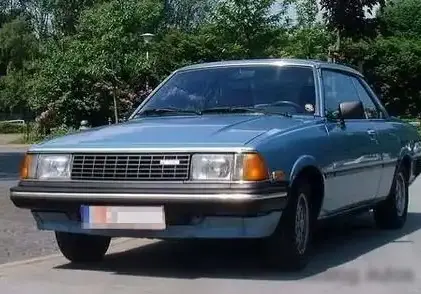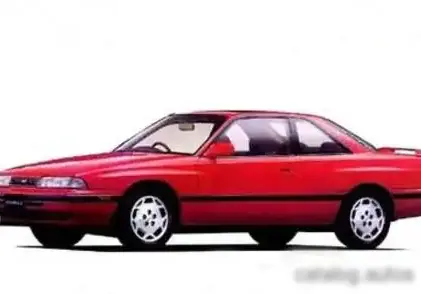
The Mazda Capella Coupe 2.0i, produced between 1989 and 1994, represented a stylish and relatively affordable offering in the personal coupe segment. Part of the second generation (CD) Capella line, the Coupe distinguished itself with a two-door body style and aimed to provide a more sporting alternative to the four-door sedan and hardtop variations. This particular 2.0i variant, equipped with a 145 horsepower engine, occupied a mid-range position within the Capella Coupe lineup, offering a balance between performance and economy. It was primarily marketed towards buyers seeking a comfortable and visually appealing coupe without the expense of the higher-performance or luxury-oriented trims.
Technical Specifications
| Brand | Mazda |
| Model | Capella |
| Generation | Capella Coupe |
| Type (Engine) | 2.0 i (145 Hp) |
| Start of production | 1989 |
| End of production | 1994 |
| Powertrain Architecture | Internal Combustion engine |
| Body type | Coupe |
| Seats | 5 |
| Doors | 2 |
| Fuel Type | Petrol (Gasoline) |
| Weight-to-power ratio | 8 kg/Hp, 125 Hp/tonne |
| Weight-to-torque ratio | 6.3 kg/Nm, 158.6 Nm/tonne |
| Power | 145 Hp @ 6500 rpm |
| Power per litre | 72.5 Hp/l |
| Torque | 184 Nm @ 5000 rpm (135.71 lb.-ft. @ 5000 rpm) |
| Engine layout | Front, Transverse |
| Engine displacement | 1999 cm3 (121.99 cu. in.) |
| Number of cylinders | 4 |
| Engine configuration | Inline |
| Cylinder Bore | 87.5 mm (3.44 in.) |
| Piston Stroke | 83.1 mm (3.27 in.) |
| Compression ratio | 10:1 |
| Number of valves per cylinder | 4 |
| Fuel injection system | Multi-port manifold injection |
| Engine aspiration | Naturally aspirated engine |
| Valvetrain | DOHC |
| Kerb Weight | 1160 kg (2557.36 lbs.) |
| Fuel tank capacity | 60 l (15.85 US gal | 13.2 UK gal) |
| Length | 4450 mm (175.2 in.) |
| Width | 1690 mm (66.54 in.) |
| Height | 1360 mm (53.54 in.) |
| Wheelbase | 2515 mm (99.02 in.) |
| Minimum turning circle | 11 m (36.09 ft.) |
| Drivetrain | Front wheel drive |
| Front brakes | Ventilated discs |
| Rear brakes | Drum |
| Tires size | 195/60 R15 86 H |
| Wheel rims size | 6J x 15 ET 50 |
Powertrain & Engine Architecture
The heart of the Capella Coupe 2.0i was the Mazda F2 engine, a 1.999-liter inline-four cylinder powerplant. This engine utilized a double overhead camshaft (DOHC) valvetrain with four valves per cylinder, contributing to its respectable power output for its displacement. Fuel delivery was managed by a multi-port fuel injection system, ensuring efficient combustion and smooth power delivery. The F2 engine was known for its relatively robust construction and willingness to rev. The engine’s 10:1 compression ratio was a standard figure for naturally aspirated engines of the era. While not a particularly advanced engine by modern standards, it represented a solid and reliable design. The transmission paired with the 2.0i engine was typically a four-speed automatic, chosen for its convenience and ease of use, appealing to a broader customer base than a manual transmission might have.
Driving Characteristics
The 145 horsepower and 184 Nm (135.71 lb-ft) of torque provided by the 2.0i engine delivered adequate performance for everyday driving. Acceleration was respectable, though not particularly brisk, with a 0-60 mph time estimated to be around 9-10 seconds. The four-speed automatic transmission, while smooth, did contribute to some power loss compared to a manual gearbox. Gear ratios were tuned for comfortable cruising rather than outright performance. Compared to the more powerful variants of the Capella Coupe, such as those equipped with the 2.0-liter turbocharged engine, the 2.0i felt noticeably less responsive. However, it offered a more relaxed and fuel-efficient driving experience. The front-wheel-drive configuration provided predictable handling, but lacked the dynamic capabilities of rear-wheel-drive coupes.
Equipment & Trim Levels
The Capella Coupe 2.0i typically came equipped with a reasonable level of standard features. These included power steering, central locking, electric windows, and an AM/FM radio. Interior upholstery was generally cloth, with options for upgraded materials available. The dashboard layout was functional and straightforward, with easy-to-read gauges. Optional extras included air conditioning, a sunroof, and upgraded audio systems. The trim level of the 2.0i generally positioned it as a mid-range offering, bridging the gap between the base models and the more luxurious or performance-oriented trims. The interior space, while adequate for a coupe, was not particularly generous, especially in the rear seats.
Chassis & Braking
The Capella Coupe utilized a MacPherson strut front suspension and a semi-trailing arm rear suspension. This setup provided a comfortable ride quality, although it wasn’t particularly sporty. The front brakes were ventilated discs, offering good stopping power, while the rear brakes were drums, a cost-saving measure common in vehicles of this era. The 195/60 R15 tires provided adequate grip for most driving conditions. The chassis was relatively lightweight, contributing to the car’s nimble handling. Stabilizer bars were fitted to both the front and rear axles to reduce body roll during cornering.
Market Reception & Comparison
The Mazda Capella Coupe 2.0i was generally well-received by automotive critics as a stylish and practical coupe. It was praised for its comfortable ride, attractive design, and relatively affordable price. However, some critics noted that its performance was not as exciting as some of its rivals. Compared to other coupes in its class, such as the Toyota Celica or Honda Prelude, the Capella Coupe offered a slightly more understated and mature driving experience. Fuel economy was considered to be good for a vehicle of its size and engine displacement. Reliability was generally good, although some owners reported minor issues with the automatic transmission over time.
Legacy
The Mazda Capella Coupe 2.0i has become a relatively sought-after classic car among enthusiasts. Its attractive styling and reliable powertrain have contributed to its enduring appeal. While not as iconic as some other coupes of the era, it represents a well-built and enjoyable vehicle. The F2 engine, when properly maintained, is known for its longevity. Finding well-preserved examples can be challenging, as many have been lost to time or neglect. However, those that remain offer a glimpse into the automotive design and engineering of the late 1980s and early 1990s. In the used car market today, prices for well-maintained Capella Coupe 2.0i models vary depending on condition and mileage, but generally remain affordable, making them an accessible entry point into classic car ownership.