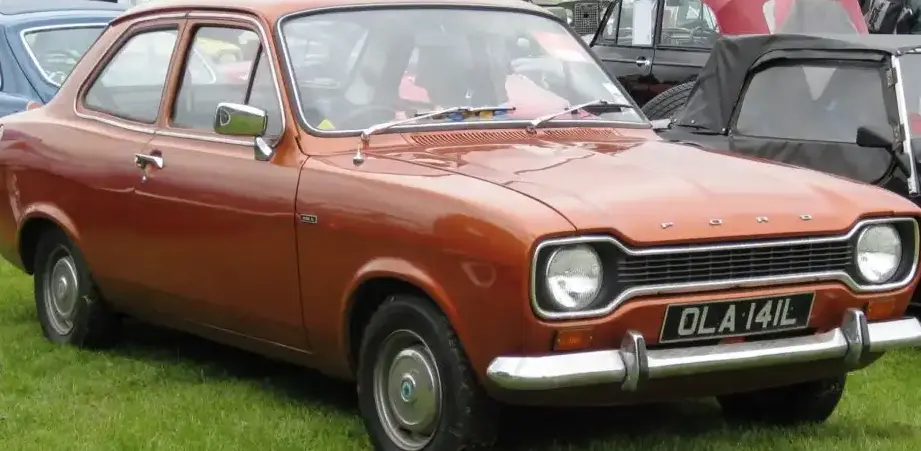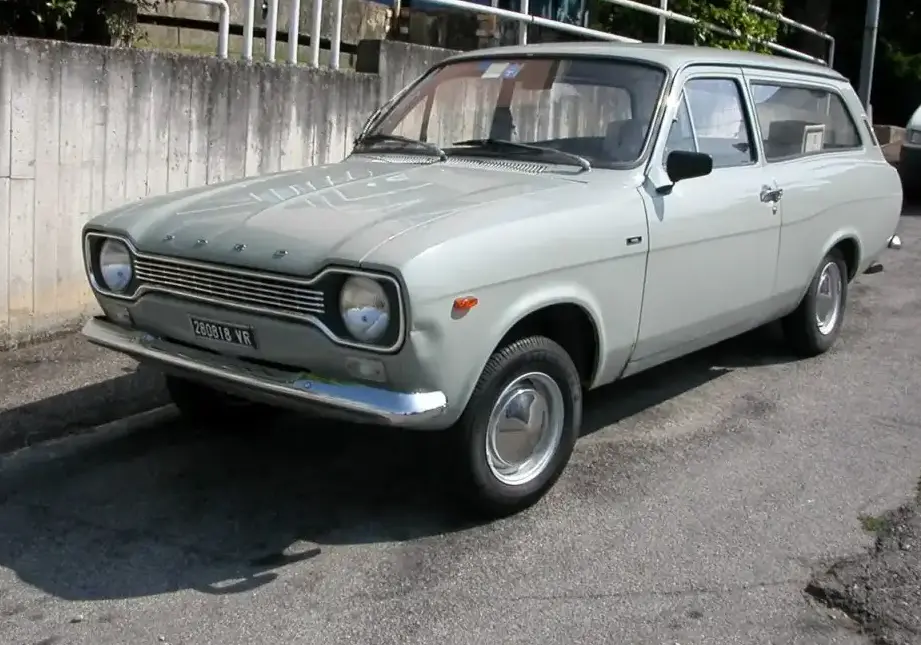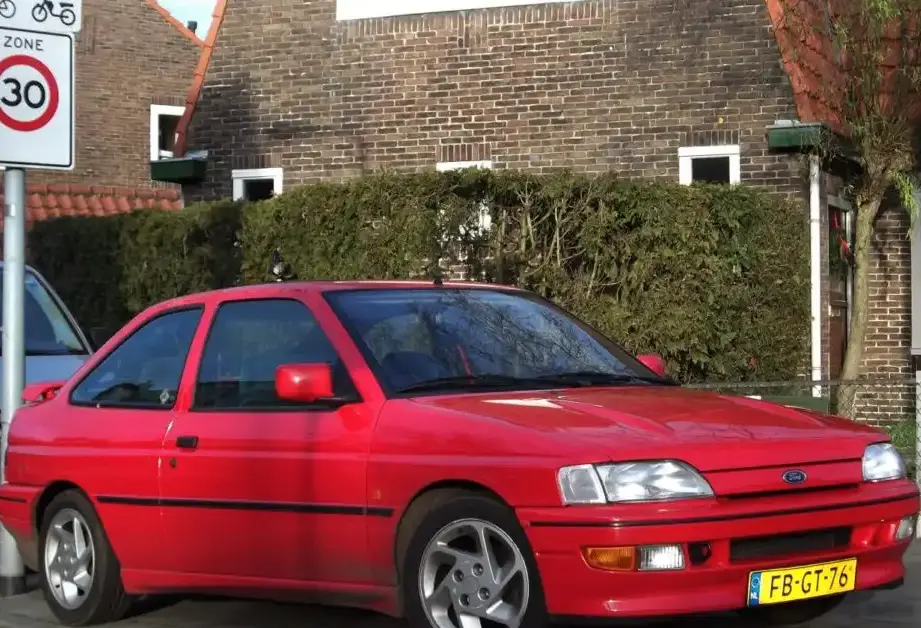
The Ford Escort V (GAL) 1.4, produced between 1990 and 1992, represented the entry point into the fifth generation of Ford’s long-running Escort line. Positioned as an affordable and practical hatchback, this variant played a crucial role in maintaining the Escort’s popularity in the European market, particularly in the United Kingdom and Germany. The GAL generation marked a significant redesign for the Escort, moving towards more aerodynamic styling and improved interior space. The 1.4-liter engine option, producing 71 horsepower, was specifically targeted at buyers prioritizing fuel economy and low running costs over outright performance. It served as a base model, offering a more accessible price point compared to the higher-specification 1.6 and 1.8-liter versions.
Technical Specifications
| Brand | Ford |
| Model | Escort |
| Generation | Escort V (GAL) |
| Type (Engine) | 1.4 (71 Hp) |
| Start of production | 1990 |
| End of production | 1992 |
| Powertrain Architecture | Internal Combustion engine |
| Body type | Hatchback |
| Fuel Type | Petrol (Gasoline) |
| Power | 71 Hp |
| Engine Model/Code | F6F, F6G |
| Engine aspiration | Naturally aspirated engine |
| Engine oil capacity | 3.5 l (3.7 US qt | 3.08 UK qt) |
| Coolant capacity | 7.6 l (8.03 US qt | 6.69 UK qt) |
Powertrain & Engine Architecture
The Ford Escort V 1.4 utilized the Ford F6F or F6G engine, a 1392cc (84.8 cubic inch) inline-four cylinder petrol engine. This engine was a relatively simple design, featuring a single overhead camshaft (SOHC) operating two valves per cylinder. Fuel delivery was managed by a Bosch fuel injection system, a significant upgrade from the carburetors used in earlier Escort models, contributing to improved fuel efficiency and reduced emissions. The engine’s block was cast iron, while the cylinder head was aluminum, helping to manage weight. The compression ratio was typically around 9.2:1. While not a powerhouse, the F6F/F6G engine was known for its durability and relatively low maintenance requirements. The 71 horsepower output was achieved at approximately 6000 rpm, with peak torque of around 88 lb-ft (120 Nm) at 3500 rpm. The engine was typically paired with a four-speed manual transmission, but a three-speed automatic transmission was also available, though less common. The automatic transmission, while offering convenience, did noticeably impact acceleration and fuel economy.
Driving Characteristics
The Escort V 1.4, particularly in automatic transmission guise, offered a decidedly unhurried driving experience. Acceleration from 0 to 60 mph (0-97 km/h) took around 14-16 seconds, making it one of the slower variants in the Escort V lineup. The three-speed automatic transmission had relatively widely spaced gear ratios, resulting in noticeable shifts and a lack of responsiveness compared to the five-speed manual transmission available with the 1.6 and 1.8-liter engines. However, the 1.4-liter engine was reasonably tractable, providing sufficient power for everyday driving and urban commutes. The steering was light and precise, making the Escort easy to maneuver in tight spaces. The suspension, while basic, provided a comfortable ride, absorbing bumps and imperfections in the road surface reasonably well. Compared to the more powerful Escort variants, the 1.4 felt noticeably less capable on winding roads or when carrying a full load of passengers and luggage.
Equipment & Trim Levels
The Escort V 1.4 typically came with a fairly basic level of equipment. Standard features generally included central locking, a basic stereo system, and cloth upholstery. Power steering was often an optional extra, as were electric windows. Interior trim was functional and durable, prioritizing practicality over luxury. The dashboard layout was straightforward and easy to use, with clearly labeled controls. Higher trim levels, such as the LX, added features like upgraded upholstery, a more sophisticated stereo system, and alloy wheels. The 1.4 model was often seen as a ‘fleet’ vehicle, meaning many were purchased by companies for use as company cars, and therefore often lacked many optional extras. The focus was on providing a reliable and affordable vehicle for everyday use.
Chassis & Braking
The Escort V 1.4 utilized a MacPherson strut front suspension and a semi-independent twist beam rear suspension. This setup provided a good balance between ride comfort and handling. The front brakes were typically disc brakes, while the rear brakes were drum brakes. This configuration was common for the base models, with higher-specification Escorts receiving rear disc brakes. The braking system was adequate for the vehicle’s performance, but lacked the stopping power of more advanced systems found on higher-end cars. Stabilizer bars were fitted to both the front and rear axles, helping to reduce body roll during cornering. The chassis was relatively lightweight, contributing to the Escort’s fuel efficiency and maneuverability.
Market Reception & Comparison
The Ford Escort V 1.4 was generally well-received by critics as a sensible and affordable family car. It was praised for its fuel economy, reliability, and ease of driving. However, it was also criticized for its lack of performance, particularly when equipped with the automatic transmission. Compared to the 1.6-liter and 1.8-liter Escort variants, the 1.4 offered significantly less power and acceleration. The 1.6-liter engine provided a noticeable improvement in performance without a significant increase in fuel consumption, making it a popular alternative. The 1.8-liter Escort, particularly the XR3i model, offered a much more sporty driving experience, but at a higher price point. In terms of reliability, the 1.4-liter engine proved to be very durable, with many examples exceeding 150,000 miles (240,000 kilometers) without major issues.
Legacy
The Ford Escort V 1.4 remains a relatively common sight on European roads today, testament to its durability and affordability. While not a particularly sought-after model by enthusiasts, it represents a practical and reliable classic car. The F6F/F6G engine is known for its simplicity and ease of maintenance, making it a popular choice for DIY mechanics. Parts availability is generally good, although some components may be becoming increasingly difficult to find. The automatic transmission versions, while less desirable than the manual models, offer a comfortable and convenient driving experience for those prioritizing ease of use over performance. The Escort V 1.4’s legacy lies in its role as an accessible and dependable family car, providing affordable transportation for a wide range of drivers.