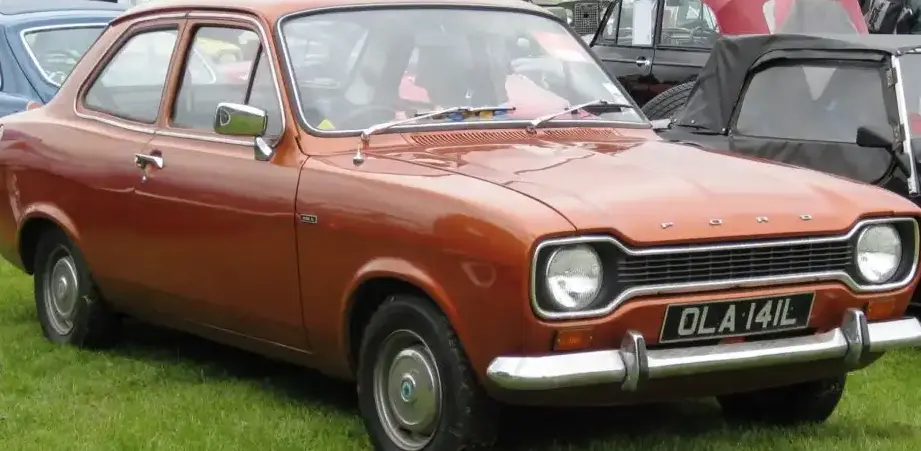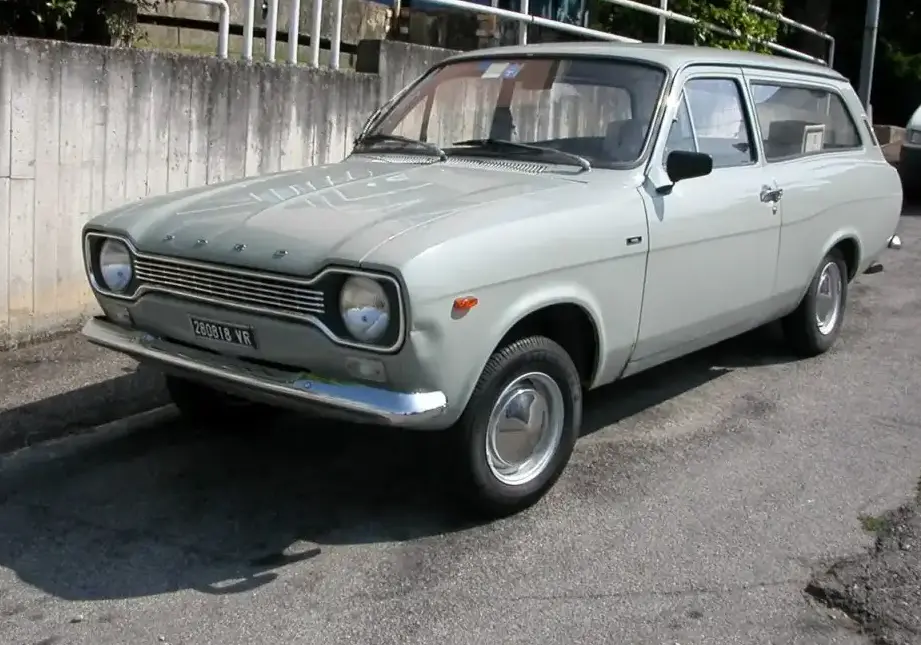
The Ford Escort RS Cosworth, specifically the 4×4 variant produced between 1992 and 1995, represents a high-performance iteration of the sixth-generation Escort (GAL). Developed to homologate the car for Group A rallying, the RS Cosworth was a significant departure from the standard Escort, boasting a turbocharged engine, all-wheel drive, and distinctive bodywork. This model cemented the Escort’s reputation as a capable and exciting performance car, particularly within the European market. While the standard Escort aimed for affordability and practicality, the RS Cosworth targeted enthusiasts seeking a rally-bred experience on the road.
Technical Specifications
| Brand | Ford |
| Model | Escort |
| Generation | Escort VI (GAL) |
| Type | RS Cosworth 4×4 (220 Hp) |
| Production Years | 1992-1995 |
| Body Type | Sedan |
| Engine Type | Internal Combustion Engine (Turbocharged) |
| Fuel Type | Petrol (Gasoline) |
| Power Output | 220 Hp |
| Engine Model/Code | N5F |
| Engine Aspiration | Turbocharged |
| Engine Oil Capacity | 3.6 l (3.8 US qt / 3.17 UK qt) |
| Coolant Capacity | 7.5 l (7.93 US qt / 6.6 UK qt) |
Introduction
The Ford Escort RS Cosworth 4×4 emerged from Ford’s desire to compete in the fiercely contested Group A rallying championship. Homologation rules required a certain number of road-going versions to be produced, leading to the creation of this iconic performance car. Built between 1992 and 1995, the RS Cosworth 4×4 was based on the standard Escort VI (GAL) platform, but underwent extensive modifications to accommodate its powerful engine and all-wheel-drive system. The most visually striking change was the widened wheel arches and distinctive rear wing, necessitated by the larger track width and improved aerodynamics. It quickly became a sought-after vehicle, appealing to both rally fans and performance car enthusiasts.
Powertrain & Engine Architecture
The heart of the RS Cosworth is the YB series 2.0-liter inline-four engine, designated as the N5F code. This wasn’t simply a boosted version of the standard YB; it featured a Cosworth-designed cylinder head with larger valves and ports, a Garrett T25 turbocharger, and a strengthened engine block. The engine utilized Bosch fuel injection and engine management systems, carefully calibrated to deliver 220 horsepower and 203 lb-ft of torque. The turbocharger provided significant boost, contributing to the car’s rapid acceleration. The engine’s valvetrain employed dual overhead camshafts (DOHC) for improved breathing and performance. The transmission was a five-speed manual gearbox, specifically designed to handle the engine’s output and the demands of the all-wheel-drive system. The 4×4 system itself was a complex setup, utilizing a viscous coupling to distribute power between the front and rear axles, providing enhanced traction and stability.
Driving Characteristics
The RS Cosworth 4×4 offered a thrilling driving experience, characterized by its responsive handling and potent acceleration. The turbocharger provided a noticeable surge of power, delivering strong performance across the rev range. While turbo lag was present, it was manageable, and the engine pulled strongly once on boost. The all-wheel-drive system provided excellent grip, particularly on loose surfaces, making the car feel planted and secure. The five-speed gearbox offered precise shifts, allowing drivers to effectively manage the engine’s power. Compared to the rear-wheel-drive RS Cosworth (which was also available), the 4×4 variant offered superior traction and stability, making it more accessible to a wider range of drivers. However, the 4×4 system added weight, slightly diminishing the car’s agility compared to its rear-wheel-drive sibling. The suspension was firm, reflecting the car’s performance focus, and provided good body control, but could be somewhat harsh on uneven road surfaces.
Equipment & Trim Levels
The RS Cosworth 4×4 was relatively well-equipped for its time, although the focus remained on performance rather than luxury. Standard features included Recaro sports seats, providing excellent support during spirited driving. The interior featured a distinctive blue and grey color scheme, with a leather-wrapped steering wheel and gear knob. Electric windows and central locking were also standard. Optional extras included a sunroof, air conditioning, and upgraded audio systems. The dashboard layout was similar to that of the standard Escort VI, but with unique RS Cosworth badging and instrumentation, including boost gauge. The trim level was essentially a single, high-performance specification, with limited options for customization beyond the available extras.
Chassis & Braking
The chassis of the RS Cosworth 4×4 underwent significant modifications compared to the standard Escort. The most noticeable change was the widened track, achieved through the use of wider wheels and modified suspension components. The suspension itself featured stiffer springs and dampers, along with a larger diameter stabilizer bar, to improve handling and reduce body roll. The braking system was upgraded with larger front brake discs and calipers, providing improved stopping power. Rear brakes were initially drums on some models, but later versions received rear disc brakes as standard. The steering was power-assisted, providing a responsive and precise feel. The car’s weight distribution was carefully optimized to enhance handling balance, although the all-wheel-drive system added weight compared to the rear-wheel-drive version.
Market Reception & Comparison
The Ford Escort RS Cosworth 4×4 was widely praised by automotive journalists for its performance and handling. Critics lauded its powerful engine, excellent grip, and responsive steering. However, some reviewers noted the firm ride and the presence of turbo lag. Compared to other performance cars of the era, such as the Subaru Impreza WRX and Mitsubishi Lancer Evolution, the RS Cosworth offered a more raw and visceral driving experience. It was generally considered to be more focused on driver involvement than its Japanese rivals. In terms of fuel economy, the RS Cosworth 4×4 was unsurprisingly thirsty, returning around 20-25 mpg in mixed driving. Reliability was generally good, although the turbocharged engine and complex all-wheel-drive system required regular maintenance. Compared to the naturally aspirated RS Cosworth, the 4×4 variant commanded a higher price due to its increased performance and exclusivity.
Legacy
The Ford Escort RS Cosworth 4×4 has become a highly collectible car, particularly among rally enthusiasts and Ford aficionados. Its limited production run and iconic status have driven up prices in the used car market. The YB engine, in its Cosworth-tuned form, remains a popular choice for engine swaps and modifications. The RS Cosworth’s success in rallying helped to solidify Ford’s reputation as a manufacturer of performance cars. Today, well-maintained examples of the RS Cosworth 4×4 are highly sought after, representing a significant piece of automotive history. While maintenance can be costly due to the car’s age and complexity, the driving experience and collectibility make it a worthwhile investment for many enthusiasts. The car continues to be celebrated for its blend of performance, handling, and rally-bred heritage.