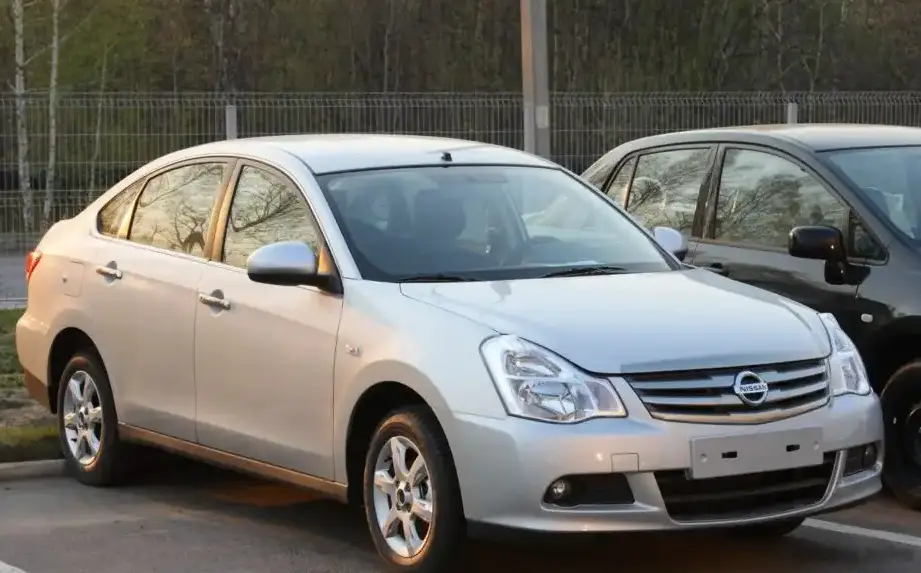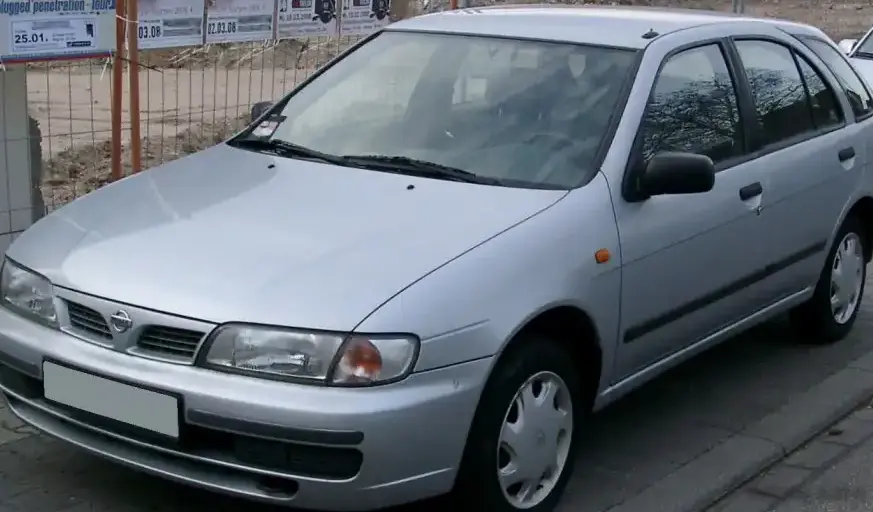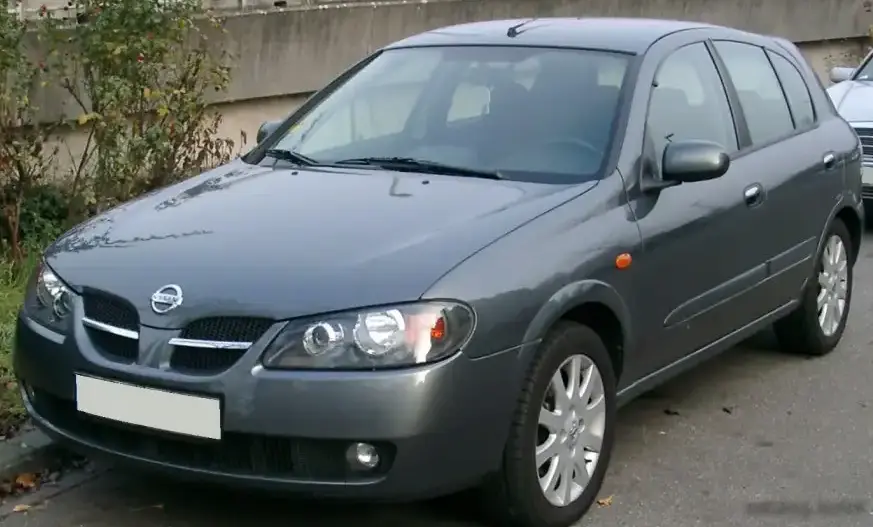
The Nissan Almera II, specifically the N16 series facelift produced from 2003 to 2006, represented Nissan’s entry into the competitive European compact hatchback market. This generation Almera aimed to provide a practical and affordable option for families and individuals seeking a reliable and economical vehicle. The 1.8 16V variant, paired with a four-speed automatic transmission, occupied a mid-range position within the Almera II lineup, offering a balance between performance and convenience. It was positioned above the base 1.5L models and below the more sporting, albeit less common, options. This particular configuration was primarily sold in Europe and other international markets, with limited availability in North America.
Technical Specifications
| Brand | Nissan |
| Model | Almera |
| Generation | Almera II Hatchback (N16, facelift 2003) |
| Type (Engine) | 1.8 16V (116 Hp) Automatic |
| Start of production | 2003 |
| End of production | 2006 |
| Powertrain Architecture | Internal Combustion engine |
| Body type | Hatchback |
| Seats | 5 |
| Doors | 3/5 |
| Fuel consumption (urban) | 10.6 l/100 km (22.2 US mpg) |
| Fuel consumption (extra urban) | 6.2 l/100 km (37.9 US mpg) |
| Fuel Type | Petrol (Gasoline) |
| Acceleration 0 – 100 km/h | 12.5 sec |
| Acceleration 0 – 62 mph | 12.5 sec |
| Acceleration 0 – 60 mph | 11.9 sec |
| Maximum speed | 176 km/h (109.36 mph) |
| Weight-to-power ratio | 9.7 kg/Hp |
| Weight-to-torque ratio | 6.9 kg/Nm |
| Power | 116 Hp @ 5600 rpm |
| Torque | 163 Nm @ 4000 rpm (120.22 lb.-ft. @ 4000 rpm) |
| Engine layout | Front, Transverse |
| Engine Model/Code | QG18DE |
| Engine displacement | 1769 cm3 (107.95 cu. in.) |
| Number of cylinders | 4 |
| Engine configuration | Inline |
| Cylinder Bore | 80 mm (3.15 in.) |
| Piston Stroke | 88 mm (3.46 in.) |
| Compression ratio | 9.5:1 |
| Number of valves per cylinder | 4 |
| Fuel injection system | Multi-port manifold injection |
| Engine aspiration | Naturally aspirated engine |
| Valvetrain | DOHC |
| Engine oil capacity | 2.9 l (3.06 US qt | 2.55 UK qt) |
| Coolant capacity | 6.7 l (7.08 US qt | 5.9 UK qt) |
| Kerb Weight | 1130 kg (2491.22 lbs.) |
| Max. weight | 1735 kg (3825.02 lbs.) |
| Max load | 605 kg (1333.8 lbs.) |
| Trunk (boot) space – minimum | 355 l (12.54 cu. ft.) |
| Trunk (boot) space – maximum | 1020 l (36.02 cu. ft.) |
| Fuel tank capacity | 60 l (15.85 US gal | 13.2 UK gal) |
| Length | 4184 mm (164.72 in.) |
| Width | 1706 mm (67.17 in.) |
| Height | 1448 mm (57.01 in.) |
| Wheelbase | 2535 mm (99.8 in.) |
| Front track | 1470 mm (57.87 in.) |
| Rear track | 1455 mm (57.28 in.) |
| Ride height (ground clearance) | 140 mm (5.51 in.) |
| Drivetrain Architecture | Front wheel drive |
| Number of gears | 4 |
| Gearbox type | Automatic transmission |
| Front suspension | Spring Strut |
| Rear suspension | Rigid axle suspension |
| Front brakes | Ventilated discs |
| Rear brakes | Disc |
| Assisting systems | ABS (Anti-lock braking system) |
| Steering type | Steering rack and pinion |
| Power steering | Hydraulic Steering |
| Tires size | 185/65 R15 |
| Wheel rims size | 15 |
INTRODUCTION
The 1.8 16V automatic Almera II, produced between 2003 and 2006, was a facelifted version of the N16 series. The facelift brought subtle cosmetic changes, including revised headlights and bumpers, along with minor improvements to the interior. Built on the Nissan N platform, shared with models like the Renault Mégane and Scenic, the Almera II aimed to offer a more refined and spacious alternative to rivals like the Ford Focus and Volkswagen Golf. The automatic transmission option was geared towards buyers prioritizing ease of use over outright performance, making it a popular choice for urban commuters and those less interested in manual gear changes.
Powertrain & Engine Architecture
At the heart of this Almera variant lies the QG18DE engine, a 1.8-liter inline-four cylinder gasoline engine. This engine is a naturally aspirated design, utilizing multi-port fuel injection and a double overhead camshaft (DOHC) valvetrain with four valves per cylinder. The QG series engines were known for their relative reliability and smooth operation. The QG18DE produces 116 horsepower at 5600 rpm and 163 Nm (120.22 lb-ft) of torque at 4000 rpm. The engine’s 9.5:1 compression ratio contributed to a reasonable balance between power and fuel efficiency. Paired with the engine is a four-speed automatic transmission. This transmission, while providing convenient shifting, was a somewhat dated design by the early 2000s, lacking the smoothness and efficiency of more modern automatic gearboxes. It featured standard torque converter technology and electronic control for shift points.
Driving Characteristics
The 1.8L automatic Almera II offered adequate, but not exhilarating, performance. Acceleration from 0-60 mph took around 11.9 seconds, and top speed was approximately 109 mph. The four-speed automatic transmission, while convenient, resulted in noticeable gear changes and a less responsive feel compared to the manual transmission options. The gear ratios were tuned for fuel economy and comfortable cruising rather than sporty acceleration. In real-world driving, the Almera II 1.8 automatic felt most at home in urban environments and on highways, providing sufficient power for everyday tasks. However, overtaking maneuvers required careful planning, and the engine could feel strained when pushed hard. Compared to the more powerful 2.0L variants, the 1.8 automatic lacked the punch needed for a more engaging driving experience.
Equipment & Trim Levels
The 1.8 16V automatic Almera II typically came equipped with a reasonable level of standard features. These included power steering, central locking, electric front windows, and an AM/FM radio. Higher trim levels, such as the ‘Visia’ or ‘Acenta’, added features like air conditioning, alloy wheels, and a CD player. Optional extras included a sunroof, side airbags, and upgraded audio systems. Interior upholstery was typically cloth, with a relatively simple and functional dashboard layout. The overall interior design prioritized practicality over luxury.
Chassis & Braking
The Almera II utilized a front-wheel-drive layout with a MacPherson strut suspension at the front and a rigid axle suspension at the rear. This suspension setup provided a comfortable ride quality, but handling was not particularly sharp. The front brakes were ventilated discs, while the rear brakes were solid discs. Anti-lock Braking System (ABS) was standard, enhancing safety during emergency braking situations. The steering was hydraulic power-assisted, providing light and easy steering feel. The relatively modest weight of the vehicle (around 2491 lbs) helped to offset the limitations of the suspension and braking systems.
Market Reception & Comparison
The Nissan Almera II 1.8 automatic received mixed reviews from automotive critics. While praised for its practicality, spaciousness, and affordability, it was often criticized for its uninspiring driving dynamics and the dated four-speed automatic transmission. Fuel economy was considered average for its class. Compared to rivals like the Ford Focus and Volkswagen Golf, the Almera II lacked the refinement and driving engagement offered by those models. However, it often undercut them in price, making it an attractive option for budget-conscious buyers. The 1.5L models offered better fuel economy, while the 2.0L variants provided more performance, catering to different buyer preferences.
Legacy
The Nissan Almera II 1.8 automatic, while not a standout performer, proved to be a reasonably reliable and durable vehicle. The QG18DE engine is generally considered to be a robust unit, capable of high mileage with proper maintenance. The four-speed automatic transmission, however, is a potential weak point, and may require attention as the vehicle ages. Today, these Almeras are relatively affordable on the used car market, making them a viable option for those seeking a cheap and practical hatchback. However, potential buyers should be aware of the age-related issues common to vehicles of this era, such as corrosion and wear and tear on suspension components.