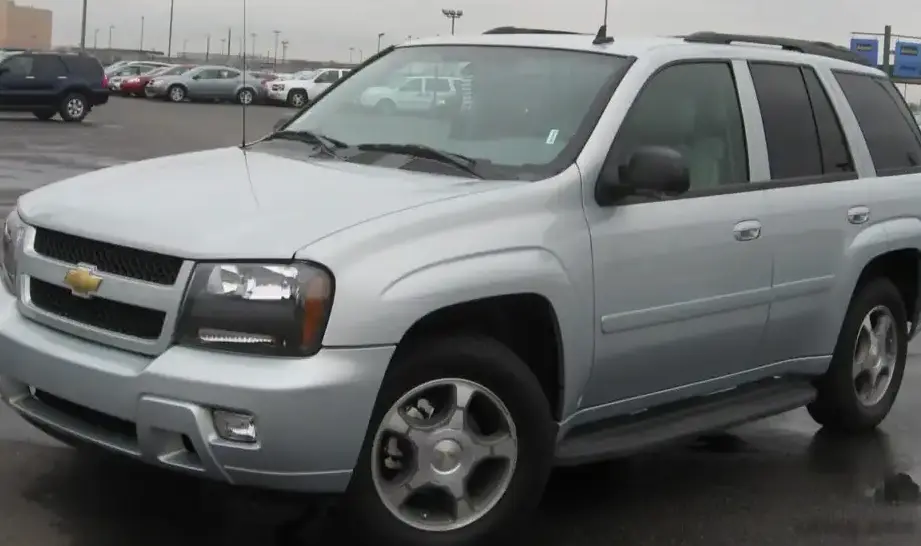
The Chevrolet Trailblazer II, specifically the 2.5d variant produced from 2016 to 2019, represents a mid-cycle refresh of the second-generation Trailblazer SUV. Introduced as a more globally-focused vehicle than its predecessor, the Trailblazer II aimed to provide a robust, seven-passenger SUV option, particularly in markets outside of North America. The 2.5d model occupied a key position in the lineup, offering a balance between fuel efficiency, capability, and affordability, often serving as a mid-range option. This variant was primarily sold in markets like South America, Australia, and parts of Asia, where diesel engines are more prevalent and appreciated for their torque characteristics.
Technical Specifications
| Brand | Chevrolet |
| Model | Trailblazer |
| Generation | Trailblazer II (facelift 2016) |
| Type (Engine) | 2.5d (163 Hp) |
| Start of production | 2016 |
| End of production | 2019 |
| Powertrain Architecture | Internal Combustion engine |
| Body type | SUV |
| Seats | 7 |
| Doors | 5 |
| Fuel Type | Diesel |
| Power | 163 Hp @ 3800 rpm |
| Power per litre | 66.6 Hp/l |
| Torque | 380 Nm @ 2000 rpm / 280.27 lb.-ft. @ 2000 rpm |
| Engine layout | Front, Longitudinal |
| Engine displacement | 2449 cm3 / 149.45 cu. in. |
| Number of cylinders | 4 |
| Engine configuration | Inline |
| Number of valves per cylinder | 4 |
| Fuel injection system | Diesel Commonrail |
| Engine aspiration | Turbocharger, Intercooler |
| Valvetrain | DOHC, FGT |
| Engine oil capacity | 5.6 l / 5.92 US qt | 4.93 UK qt |
| Coolant | 9 l / 9.51 US qt | 7.92 UK qt |
| Fuel tank capacity | 76 l / 20.08 US gal | 16.72 UK gal |
| Length | 4887 mm / 192.4 in. |
| Width | 1902 mm / 74.88 in. |
| Width including mirrors | 2132 mm / 83.94 in. |
| Height | 1852 mm / 72.91 in. |
| Minimum turning circle | 11.8 m / 38.71 ft. |
| Wading depth | 800 mm / 31.5 in. |
| Drivetrain Architecture | Rear wheel drive |
| Number of gears | 6 gears, manual transmission |
| Front suspension | Double wishbone |
| Rear suspension | Independent multi-link suspension |
| Front brakes | Ventilated discs |
| Rear brakes | Disc |
| Steering type | Steering rack and pinion |
| Power steering | Hydraulic Steering |
| Tires size | 245/70 R16; 255/65 R17 |
| Wheel rims size | 6.5J x 16; 7.0J x 17 |
Powertrain & Engine Architecture
The heart of the 2.5d Trailblazer II is the Duramax 2.5-liter inline-four cylinder diesel engine. This engine, designated with various codes depending on the market, is a turbocharged common-rail direct injection (CRDI) unit. The use of a turbocharger and intercooler significantly boosts power output and improves efficiency. The engine utilizes a Double Overhead Camshaft (DOHC) valvetrain with four valves per cylinder, contributing to its relatively high specific output for a diesel of its size. The common-rail fuel injection system, operating at very high pressures, ensures precise fuel delivery and optimized combustion. The 6-speed manual transmission was the standard offering for this variant, providing drivers with full control over gear selection. The engine’s longitudinal mounting allowed for a more traditional rear-wheel-drive layout, enhancing towing capacity and off-road capability.
Driving Characteristics
The 2.5d Trailblazer II, equipped with the manual transmission, offered a practical and capable driving experience. While not a performance-oriented vehicle, the 163 horsepower and 380 Nm (280 lb-ft) of torque provided sufficient power for everyday driving and hauling loads. The torque curve was relatively flat, delivering strong pulling power from low engine speeds, making it well-suited for towing and navigating challenging terrain. Compared to higher-output versions of the Trailblazer, the 2.5d felt less urgent in acceleration, but the manual transmission allowed drivers to maximize the available power. The gear ratios were tuned for a balance of fuel economy and usability, with a relatively tall sixth gear for highway cruising. The rear-wheel-drive configuration contributed to a more truck-like feel, offering good stability when properly loaded.
Equipment & Trim Levels
The 2.5d Trailblazer II typically came with a respectable level of standard equipment, positioning it as a mid-range offering. Standard features often included air conditioning, power windows and locks, a basic audio system with USB connectivity, and steel wheels with hubcaps. Higher trim levels, available as optional packages, added features such as alloy wheels, a more advanced infotainment system with touchscreen display, rear parking sensors, and upgraded interior upholstery. Interior materials were generally durable and practical, reflecting the vehicle’s intended use as a workhorse SUV. Safety features typically included ABS brakes, dual front airbags, and seatbelt pretensioners.
Chassis & Braking
The Trailblazer II’s chassis was designed to handle both on-road comfort and off-road capability. The front suspension utilized a double wishbone setup, providing a comfortable ride and good handling characteristics. The rear suspension employed an independent multi-link design, further enhancing ride quality and stability. Braking duties were handled by ventilated discs at the front and solid discs at the rear, providing adequate stopping power for the vehicle’s weight. Hydraulic power steering offered a responsive and predictable steering feel. Tire sizes varied depending on the trim level, with 245/70 R16 and 255/65 R17 being common options.
Market Reception & Comparison
The 2.5d Trailblazer II received generally positive reviews in markets where it was sold. Critics praised its robust construction, spacious interior, and capable diesel engine. Fuel economy was a key selling point, particularly compared to gasoline-powered SUVs. Compared to other trims in the Trailblazer lineup, the 2.5d offered a more affordable entry point, making it accessible to a wider range of buyers. However, some reviewers noted that the manual transmission could be less appealing to buyers accustomed to automatic transmissions. Compared to competitors like the Toyota Fortuner and Mitsubishi Pajero Sport, the Trailblazer II offered a competitive combination of features, performance, and price.
Legacy
The 2.5d Duramax engine, when properly maintained, has proven to be a relatively reliable powertrain. Common issues, if any, typically involve the fuel injection system or turbocharger, but these are generally addressable with routine maintenance and timely repairs. On the used car market, the 2.5d Trailblazer II represents a good value proposition for buyers seeking a capable and affordable seven-passenger SUV. Its robust construction and durable engine make it a practical choice for families and those who require a vehicle for towing or off-road adventures. The availability of parts and service is generally good in markets where the Trailblazer II was officially sold, ensuring long-term ownership viability.