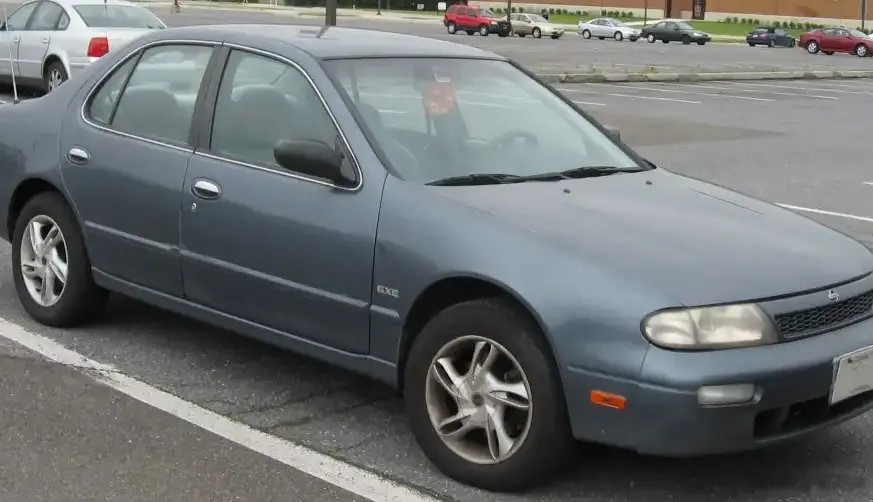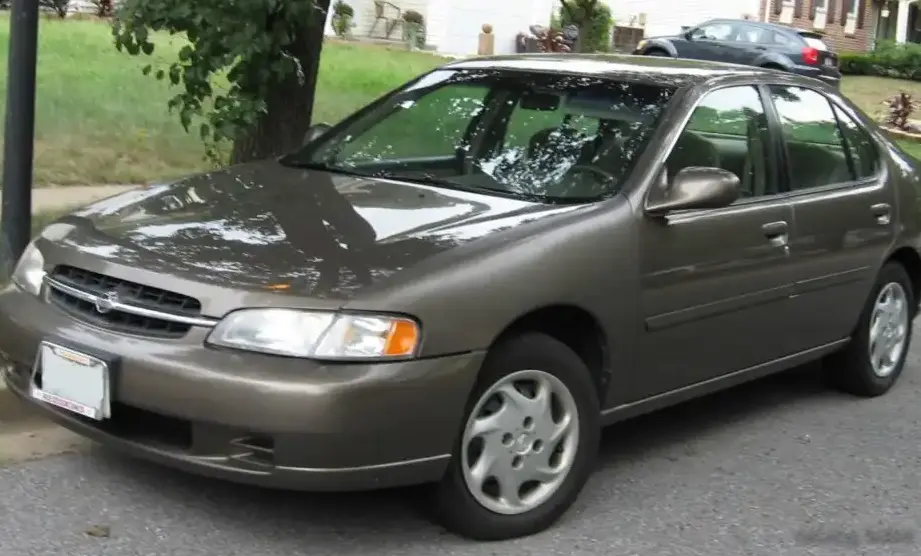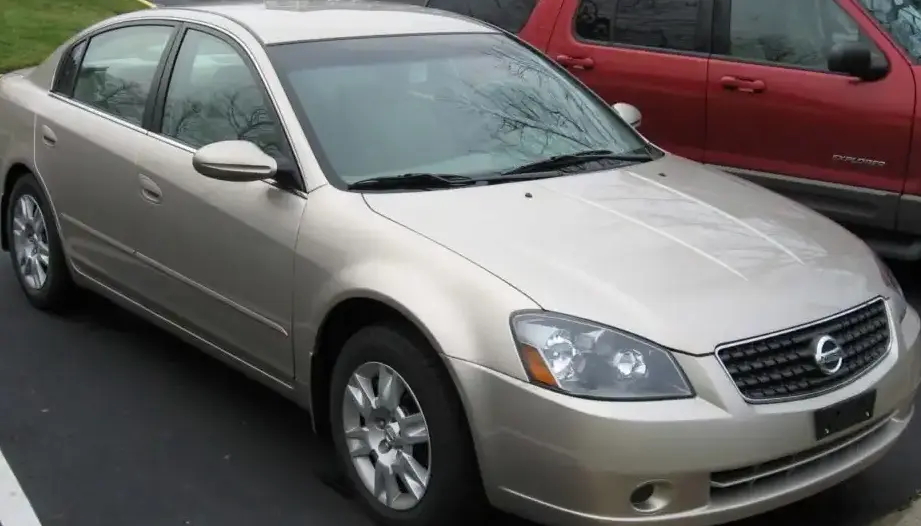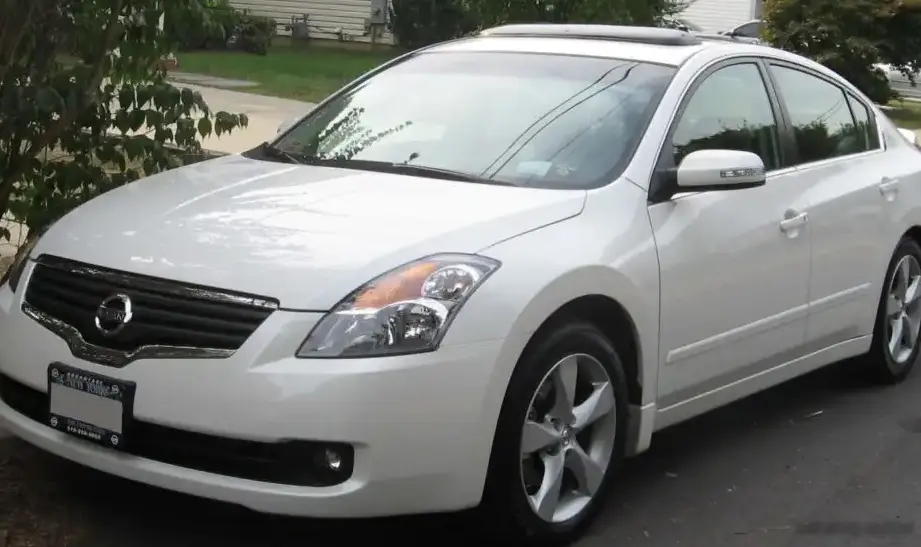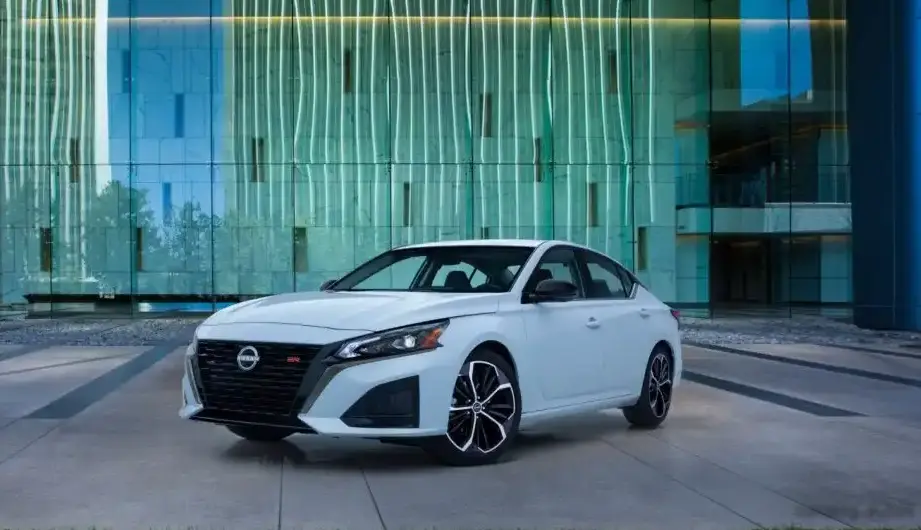
The Nissan Altima VI (facelift, introduced in June 2022) 2.0 VC-Turbo with the Xtronic Continuously Variable Transmission (CVT) represents a significant offering in the mid-size sedan segment. This variant, positioned as a step up from the base 2.5-liter engine option, aimed to provide a blend of performance and fuel efficiency. It falls within the sixth generation of the Altima (L33), which debuted in 2019 and received a substantial refresh for the 2022 model year, focusing on updated styling, enhanced technology, and improved driving dynamics. The 2.0 VC-Turbo Xtronic trim was generally offered in the SR and SL trim levels, appealing to buyers seeking a more engaging driving experience without sacrificing comfort and features.
Technical Specifications
| Brand | Nissan |
| Model | Altima |
| Generation | Altima VI (facelift 2022) |
| Type (Engine) | 2.0 VC-Turbo (236 Hp) Xtronic |
| Start of production | June, 2022 |
| Powertrain Architecture | Internal Combustion engine |
| Body type | Sedan |
| Seats | 5 |
| Doors | 4 |
| Fuel consumption (urban) | 9.4 l/100 km (25 US mpg) |
| Fuel consumption (extra urban) | 6.9 l/100 km (34.1 US mpg) |
| Fuel consumption (combined) | 8.1 l/100 km (29 US mpg) |
| Fuel Type | Petrol (Gasoline) |
| Emission standard | LEV3-ULEV70 |
| Weight-to-power ratio | 6.6 kg/Hp |
| Weight-to-torque ratio | 4.3 kg/Nm |
| Power | 236 Hp @ 5600 rpm |
| Power per litre | 118.2 Hp/l |
| Torque | 362 Nm @ 4000 rpm (267 lb.-ft. @ 4000 rpm) |
| Maximum engine speed | 6000 rpm |
| Engine layout | Front, Transverse |
| Engine Model/Code | KR20DDET |
| Engine displacement | 1997 cm3 (121.86 cu. in.) |
| Number of cylinders | 4 |
| Engine configuration | Inline |
| Cylinder Bore | 84 mm (3.31 in.) |
| Piston Stroke | 90.1 mm (3.55 in.) |
| Compression ratio | 8:1 |
| Number of valves per cylinder | 4 |
| Fuel injection system | Direct injection and Multi-port manifold injection |
| Engine aspiration | Turbocharger, Intercooler |
| Engine oil capacity | 4.7 l (4.97 US qt | 4.14 UK qt) |
| Coolant capacity | 8.2 l (8.66 US qt | 7.21 UK qt) |
| Kerb Weight | 1569 kg (3459.05 lbs.) |
| Max. weight | 2014 kg (4440.11 lbs.) |
| Max load | 445 kg (981.06 lbs.) |
| Trunk (boot) space | 436 l (15.4 cu. ft.) |
| Fuel tank capacity | 61 l (16.11 US gal | 13.42 UK gal) |
| Length | 4900 mm (192.91 in.) |
| Width | 1852 mm (72.91 in.) |
| Height | 1443 mm (56.81 in.) |
| Wheelbase | 2824 mm (111.18 in.) |
| Front track | 1595 mm (62.8 in.) |
| Rear track | 1595 mm (62.8 in.) |
| Minimum turning circle | 11.4 m (37.4 ft.) |
| Drivetrain | Front wheel drive |
| Gearbox | automatic transmission Xtronic |
| Front suspension | Independent coil spring, Transverse stabilizer |
| Rear suspension | Independent multi-link spring suspension with stabilizer |
| Front brakes | Ventilated discs, 295.91×25.91 mm |
| Rear brakes | Disc, 292.1×8.89 mm |
| Tires size | 235/40 R19 |
| Wheel rims size | 19 |
Powertrain & Engine Architecture
The heart of this Altima variant is the KR20DDET, a 2.0-liter inline-four cylinder engine featuring Nissan’s Variable Compression-Ratio (VC-Turbo) technology. This innovative system allows the engine to seamlessly adjust its compression ratio between 8:1 and 14:1, optimizing for both power and efficiency. The engine utilizes direct injection combined with multi-port fuel injection to enhance combustion and reduce emissions. A single twin-scroll turbocharger with an intercooler provides forced induction, boosting power output. The engine is paired exclusively with Nissan’s Xtronic CVT (Continuously Variable Transmission), designed to provide smooth, stepless gear changes and contribute to improved fuel economy. The Xtronic transmission features simulated shift points for a more conventional driving feel when desired.
Driving Characteristics
The 2.0 VC-Turbo Xtronic Altima delivers a noticeable improvement in acceleration compared to the standard 2.5-liter engine. While not a sports sedan, the 236 horsepower and 267 lb-ft of torque provide ample power for everyday driving and confident highway merging. The CVT, while efficient, can sometimes feel less responsive than a traditional automatic transmission, particularly during hard acceleration. However, Nissan’s programming attempts to mitigate this with simulated shift points. The suspension is tuned for comfort, providing a relatively smooth ride, but it doesn’t offer the same level of handling precision as some competitors. The steering is light and easy to use, making it well-suited for urban driving.
Equipment & Trim Levels
The 2.0 VC-Turbo engine was primarily available on the SR and SL trim levels. The SR trim typically included sportier exterior styling cues, such as a black mesh grille and dark-finish wheels, along with interior accents like sport seats. Standard features generally included NissanConnect infotainment system with a touchscreen display, Apple CarPlay and Android Auto compatibility, Nissan Safety Shield 360 (a suite of driver-assistance technologies), and automatic climate control. The SL trim added more luxurious features, such as leather upholstery, heated front seats, a premium audio system, and additional chrome exterior trim. Optional extras could include a panoramic sunroof, navigation system, and advanced driver-assistance features like adaptive cruise control and lane-keeping assist.
Chassis & Braking
The Altima VI utilizes a front-wheel-drive platform with an independent coil spring suspension in the front and an independent multi-link suspension in the rear. The SR trim often featured a slightly stiffer suspension tuning for improved handling. Braking duties are handled by ventilated discs in the front and solid discs in the rear. The braking system is equipped with ABS (Anti-lock Braking System), electronic brake-force distribution, and brake assist. The standard wheel size for the 2.0 VC-Turbo models is 19 inches, providing a good balance between ride comfort and handling.
Market Reception & Comparison
Critics generally praised the 2.0 VC-Turbo engine for its innovative technology and improved performance compared to the base engine. However, some reviewers noted that the CVT could detract from the driving experience. Fuel economy figures were competitive within the mid-size sedan segment, with the combined EPA rating of 29 mpg being a key selling point. Compared to other trims, the 2.0 VC-Turbo offered a more premium driving experience, but at a higher price point. Competitors like the Honda Accord 2.0T and Mazda 6 Turbo offered similar levels of performance and features, providing buyers with a range of options.
Legacy
The KR20DDET engine, with its VC-Turbo technology, represents a significant advancement in internal combustion engine design. While the long-term reliability of the VC-Turbo system is still being assessed, early reports suggest it has proven to be reasonably durable. On the used car market, the 2022 Altima 2.0 VC-Turbo models hold their value relatively well, due to their combination of performance, fuel efficiency, and technology. The Xtronic CVT, while generally reliable, requires regular maintenance (fluid changes) to ensure optimal performance and longevity. The Altima VI, particularly the 2.0 VC-Turbo variant, is considered a solid and well-rounded mid-size sedan that offers a compelling alternative to more established competitors.