
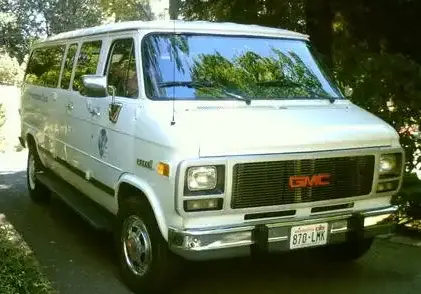
The Chevrolet Van II, specifically equipped with the 4.3-liter V8 engine producing 161 horsepower, represented a significant offering in the full-size van segment during its 1980-1983 production run. This variant occupied a middle ground within the Van II lineup, providing a balance between capability and affordability. It was positioned above the smaller displacement V6 options and below the more powerful, though less common, larger V8s. The Van II itself was a continuation of Chevrolet’s long-standing tradition of producing versatile vans, catering to both commercial and family needs. It built upon the foundation of the earlier Chevrolet vans, offering improved features and a more modern design for the era.
Technical Specifications
| Brand | Chevrolet |
| Model | Van II |
| Generation | Van II |
| Engine Type | 4.3 V8 (161 Hp) |
| Production Years | 1980 – 1983 |
| Powertrain Architecture | Internal Combustion Engine |
| Body Type | Minivan |
| Fuel Type | Petrol (Gasoline) |
| Power Output | 161 Hp |
| Engine Aspiration | Naturally Aspirated |
Powertrain & Engine Architecture
The heart of this Van II variant was Chevrolet’s 4.3-liter (262 cubic inch) small-block V8 engine. This engine, internally designated as the 305, was a staple of Chevrolet’s lineup for many years. It featured a cast iron block and cylinder heads, with two valves per cylinder. Fuel delivery was managed by a Rochester Quadrajet carburetor, a four-barrel design known for its ability to provide good performance across a wide range of driving conditions. The engine utilized a traditional pushrod valvetrain, which was cost-effective and relatively simple to maintain. The 161 horsepower output was achieved at approximately 4,800 RPM, with peak torque of around 230 lb-ft at 3,200 RPM. This torque figure was crucial for a van intended for hauling passengers or cargo. The transmission paired with this engine was typically a three-speed automatic, the Turbo-Hydramatic 350, a robust and widely used transmission known for its durability. While not the most fuel-efficient transmission, it provided smooth and reliable operation, well-suited for the demands of van ownership.
Driving Characteristics
The 4.3 V8-powered Van II offered a noticeable step up in performance compared to the V6-equipped models. While not a sports van by any means, the 161 horsepower and 230 lb-ft of torque provided adequate power for highway cruising and carrying a full load. Acceleration was respectable for the era, and the van could maintain highway speeds with relative ease. The three-speed automatic transmission, while lacking the sophistication of modern transmissions, offered predictable shift points. The gear ratios were optimized for torque delivery, prioritizing usability over outright speed. Compared to the larger V8 options, the 4.3-liter engine felt more responsive at lower RPMs, making it a better choice for city driving and stop-and-go traffic. However, it lacked the sheer pulling power of the larger engines when fully loaded or towing a trailer. The overall driving experience was characterized by a comfortable ride, typical of body-on-frame vans, but with somewhat vague steering and handling.
Equipment & Trim Levels
The Van II with the 4.3 V8 engine was typically offered in a variety of trim levels, ranging from basic work vans to more luxurious passenger models. Standard equipment generally included a basic interior with vinyl upholstery, a simple dashboard layout, and manual windows and locks. Air conditioning was often an optional extra, as were features like power steering and power brakes. Higher trim levels, such as the Chateau or Beauville, offered more upscale interiors with cloth or carpeted surfaces, upgraded instrumentation, and additional convenience features. Optional extras could include a rear air conditioning system, a stereo system, and various interior lighting packages. The exterior styling remained relatively consistent across trim levels, with the primary differences being the addition of chrome trim and upgraded wheel covers on the more luxurious models.
Chassis & Braking
The Chevrolet Van II utilized a traditional body-on-frame construction, providing a robust and durable platform. The chassis featured a coil spring suspension in the front and leaf springs in the rear. The rear leaf springs were designed to handle the weight of passengers and cargo. Braking systems varied depending on the trim level and GVWR (Gross Vehicle Weight Rating). Base models typically featured drum brakes on all four wheels, while higher trim levels and heavier-duty models often came equipped with front disc brakes and rear drum brakes. Power steering was an optional extra, making maneuvering the large van easier, particularly in tight spaces. Stabilizer bars were not typically standard equipment, contributing to the van’s somewhat soft and body-roll-prone handling characteristics. The steering system was a recirculating ball setup, which was common for the era but lacked the precision of more modern steering systems.
Market Reception & Comparison
The Chevrolet Van II 4.3 V8 was generally well-received by consumers and critics alike. It offered a good balance of power, fuel economy (for a full-size van), and affordability. Compared to the V6-equipped models, the V8 provided a significant improvement in performance, making it a more desirable option for those who frequently hauled passengers or cargo. However, it was more expensive than the V6 models and offered slightly worse fuel economy. Compared to the larger V8 options, the 4.3-liter engine was more fuel-efficient and offered better low-end torque, making it a more practical choice for everyday driving. Competitors in the full-size van segment included the Ford Econoline and the Dodge Ram Van. The Chevrolet Van II generally held its own in terms of features, reliability, and price.
Legacy
The 4.3-liter V8 engine proved to be a remarkably durable and reliable powerplant. Many examples of the Van II equipped with this engine are still on the road today, a testament to its robust design and construction. While maintenance costs can increase with age, parts availability remains relatively good, thanks to the engine’s widespread use in other Chevrolet vehicles. In the used car market, these vans are often sought after by collectors and enthusiasts who appreciate their classic styling and simple mechanicals. They are also popular choices for conversion projects, such as camper vans and mobile workshops. The Van II 4.3 V8 represents a significant chapter in Chevrolet’s van history, offering a practical and dependable transportation solution for a wide range of customers.
