
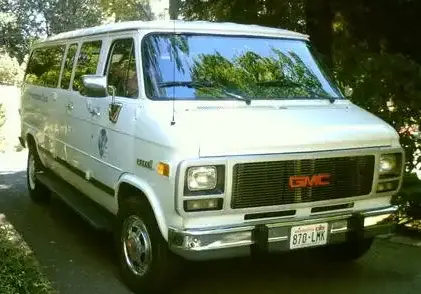
The Chevrolet Van II, specifically equipped with the 6.2-liter V8 engine producing 132 horsepower, represents a unique chapter in Chevrolet’s full-size van history. Produced from 1980 to 1983, this variant occupied a specific niche within the broader Van II generation (1972-1995), offering a balance between capability and affordability. While the Van II series was known for its robust construction and spacious interior, the 6.2L V8 configuration was positioned as a step up from the smaller inline-six engines, aimed at buyers needing more power for towing, hauling, or simply a more confident driving experience. This model year saw a transition period for Chevrolet vans, bridging the gap between the older, more utilitarian designs and the more modern, aerodynamic styles that would follow.
Technical Specifications
| Brand | Chevrolet |
| Model | Van II |
| Generation | Van II |
| Engine Type | 6.2L V8 (132 Hp) |
| Production Years | 1980 – 1983 |
| Powertrain Architecture | Internal Combustion Engine |
| Body Type | Minivan |
| Fuel Type | Gasoline |
| Power Output | 132 Hp |
| Engine Aspiration | Naturally Aspirated |
| Displacement | 6.2 Liters (379 cubic inches) |
| Transmission (Typical) | 3-Speed Automatic (TH350) |
| Rear Axle Ratio (Typical) | Varies, commonly around 3.08:1 |
| Braking System (Front) | Disc |
| Braking System (Rear) | Drum |
| Curb Weight (Approximate) | 4,000 – 4,500 lbs (depending on configuration) |
Powertrain & Engine Architecture
The heart of this Van II variant is the Chevrolet 379 cubic inch (6.2 liter) small-block V8 engine. This engine, internally designated as the 305, was a mainstay of Chevrolet’s lineup for decades. The 1980-1983 version utilized a two-barrel carburetor for fuel delivery, a relatively simple system compared to later fuel injection technologies. The engine featured a cast iron block and cylinder heads, contributing to its durability. The valvetrain employed a hydraulic lifter camshaft, reducing the need for frequent valve adjustments. The 132 horsepower output was achieved through a relatively conservative compression ratio and camshaft profile, prioritizing reliability and low-end torque over peak power. The engine was typically paired with the TH350 three-speed automatic transmission, a robust and widely used unit known for its dependability. This transmission featured a torque converter that provided smooth engagement and multiplication of engine torque, particularly useful for starting from a standstill with a heavy load. The TH350’s gear ratios were geared towards providing adequate acceleration and highway cruising ability, though it wasn’t designed for particularly sporty performance.
Driving Characteristics
The 6.2L V8-equipped Van II offered a noticeable improvement in performance compared to the base inline-six engine options. While not a performance vehicle by any means, the V8 provided sufficient power for comfortable highway cruising, even when fully loaded with passengers or cargo. The TH350 automatic transmission contributed to a smooth and relatively effortless driving experience. However, the three-speed transmission meant that the engine would rev relatively high at highway speeds, potentially leading to increased fuel consumption and noise levels. Acceleration was adequate, but not brisk. The Van II’s substantial weight and aerodynamic profile limited its overall speed capabilities. Compared to later fuel-injected V8 versions of the Van II, this carburetor-equipped model felt less responsive and delivered slightly lower fuel economy. The rear axle ratio played a significant role in the driving experience; lower ratios (e.g., 3.08:1) prioritized fuel economy and highway cruising, while higher ratios offered better acceleration at the expense of fuel efficiency.
Equipment & Trim Levels
The Chevrolet Van II 6.2L V8 was typically offered in a variety of trim levels, ranging from basic work vans to more comfortable passenger models. Standard features generally included a basic vinyl interior, a simple dashboard layout, and manual windows and locks. Optional extras included air conditioning, upgraded upholstery (cloth or vinyl), a radio, and various convenience features such as cruise control and power steering. The specific trim level determined the level of interior finish and the availability of optional equipment. Higher trim levels often featured more comfortable seating, upgraded interior trim, and additional sound insulation. The 6.2L V8 was often bundled with options packages geared towards towing and hauling, such as heavy-duty suspension components and a trailer towing package.
Chassis & Braking
The Van II chassis was a traditional body-on-frame construction, providing a robust and durable platform. The suspension consisted of independent front suspension with coil springs and a solid rear axle with leaf springs. The rear brakes were typically drum brakes, while the front brakes were disc brakes. This configuration was adequate for the van’s weight and intended use, but it wasn’t particularly sophisticated. Stabilizer bars were often included, particularly on higher trim levels, to reduce body roll during cornering. The steering was typically power steering, making it easier to maneuver the large van. The Van II’s ride quality was generally comfortable, but it could be somewhat bouncy when unloaded. The braking system, while functional, lacked the stopping power and modulation of more modern braking systems.
Market Reception & Comparison
The Chevrolet Van II 6.2L V8 was generally well-received by buyers who needed a capable and reliable van for work or family use. Critics praised its spacious interior, robust construction, and relatively affordable price. However, some reviewers noted its dated styling and lack of modern features compared to competing vans from Ford and Dodge. Compared to the inline-six engine options, the V8 offered a significant improvement in performance, but it also came with a higher price tag and slightly lower fuel economy. Compared to the later fuel-injected V8 versions of the Van II, the carburetor-equipped model was less refined and delivered slightly lower performance. The 6.2L V8 was a popular choice for buyers who needed to tow trailers or haul heavy loads, as it provided ample torque and pulling power.
Legacy
The Chevrolet Van II 6.2L V8 has become a popular choice among classic van enthusiasts and collectors. Its simple, robust design and readily available parts make it relatively easy to maintain and repair. The 305 V8 engine is known for its durability and longevity, and many examples are still on the road today. While not a particularly valuable collector car, well-maintained examples of the 6.2L V8-equipped Van II are increasingly sought after by those who appreciate its classic styling and rugged character. The Van II’s legacy as a dependable and versatile workhorse continues to endure, and it remains a popular choice for custom van conversions and restoration projects. The carburetor, while simple, requires periodic maintenance, and finding qualified mechanics familiar with these systems can become increasingly challenging. Overall, the 1980-1983 Chevrolet Van II with the 6.2L V8 represents a solid and dependable piece of American automotive history.
