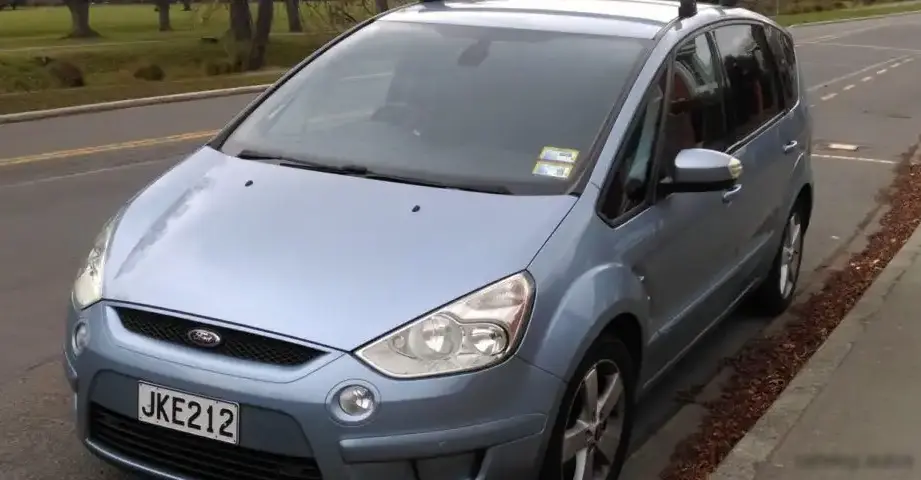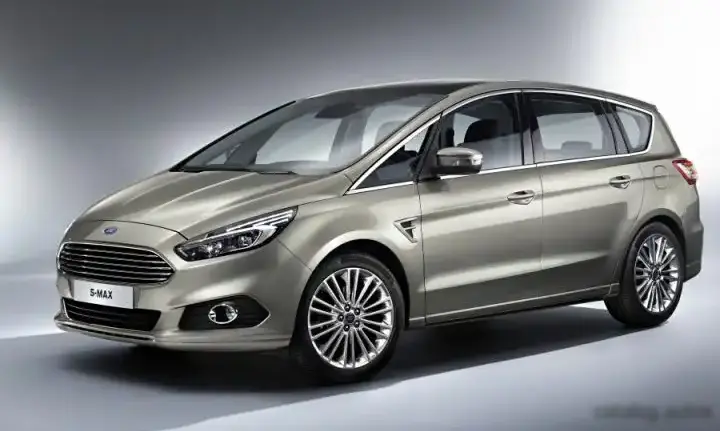
The Ford S-MAX II 2.0 EcoBoost (240 Hp) S&S Automatic, produced between 2015 and 2018, represents a significant iteration of Ford’s multi-purpose vehicle (MPV) offering. Positioned as a mid-to-upper trim level within the second-generation S-MAX range (introduced in 2015, internally designated as the 2015-2018 model year), this variant aimed to deliver a blend of performance, practicality, and fuel efficiency for families and those requiring flexible passenger and cargo space. It was primarily marketed in Europe, where the MPV segment remained strong, offering a more dynamic alternative to larger, more conventional people carriers.
Technical Specifications
| Brand | Ford |
| Model | S-MAX |
| Generation | S-MAX II |
| Type (Engine) | 2.0 EcoBoost (240 Hp) S&S Automatic |
| Start of production | 2015 |
| End of production | 2018 |
| Powertrain Architecture | Internal Combustion engine |
| Body type | MPV |
| Seats | 5 |
| Doors | 5 |
| Fuel consumption (urban) | 10.3 l/100 km (22.8 US mpg, 27.4 UK mpg, 9.7 km/l) |
| Fuel consumption (extra urban) | 6.5 l/100 km (36.2 US mpg, 43.5 UK mpg, 15.4 km/l) |
| Fuel consumption (combined) | 7.9 l/100 km (29.8 US mpg, 35.8 UK mpg, 12.7 km/l) |
| CO2 emissions | 180 g/km |
| Fuel Type | Petrol (Gasoline) |
| Acceleration 0 – 100 km/h | 8.4 sec |
| Acceleration 0 – 62 mph | 8.4 sec |
| Acceleration 0 – 60 mph | 8 sec |
| Maximum speed | 226 km/h (140.43 mph) |
| Emission standard | Euro 5 |
| Weight-to-power ratio | 7.1 kg/Hp, 140.8 Hp/tonne |
| Weight-to-torque ratio | 4.9 kg/Nm, 202.5 Nm/tonne |
| Power | 240 Hp @ 5400 rpm |
| Power per litre | 120.1 Hp/l |
| Torque | 345 Nm @ 2300-4900 rpm (254.46 lb.-ft. @ 2300-4900 rpm) |
| Engine layout | Front, Transverse |
| Engine Model/Code | R9CD, R9CI |
| Engine displacement | 1999 cm3 (121.99 cu. in.) |
| Number of cylinders | 4 |
| Engine configuration | Inline |
| Cylinder Bore | 87.5 mm (3.44 in.) |
| Piston Stroke | 83.1 mm (3.27 in.) |
| Compression ratio | 10:1 |
| Number of valves per cylinder | 4 |
| Fuel injection system | Direct injection |
| Engine aspiration | Turbocharger, Intercooler |
| Valvetrain | DOHC |
| Engine oil capacity | 5.4 l (5.71 US qt | 4.75 UK qt) |
| Coolant | 8.9 l (9.4 US qt | 7.83 UK qt) |
| Kerb Weight | 1704 kg (3756.68 lbs.) |
| Max. weight | 2510 kg (5533.6 lbs.) |
| Max load | 806 kg (1776.93 lbs.) |
| Trunk (boot) space – minimum | 700 l (24.72 cu. ft.) |
| Trunk (boot) space – maximum | 2200 l (77.69 cu. ft.) |
| Fuel tank capacity | 70 l (18.49 US gal | 15.4 UK gal) |
| Length | 4796 mm (188.82 in.) |
| Width | 1916 mm (75.43 in.) |
| Width including mirrors | 2137 mm (84.13 in.) |
| Height | 1655 mm (65.16 in.) |
| Wheelbase | 2849 mm (112.17 in.) |
| Front track | 1606 mm (63.23 in.) |
| Rear (Back) track | 1606 mm (63.23 in.) |
| Ride height (ground clearance) | 128-150 mm (5.04 – 5.91 in.) |
| Minimum turning circle | 12 m (39.37 ft.) |
| Drivetrain Architecture | Front wheel drive |
| Number of gears and type of gearbox | 6 gears, automatic transmission |
| Front suspension | Independent, type McPherson with coil spring and anti-roll bar |
| Rear suspension | Independent coil spring |
| Front brakes | Ventilated discs |
| Rear brakes | Disc |
| Assisting systems | ABS (Anti-lock braking system) |
| Steering type | Steering rack and pinion |
| Tires size | 235/55 R17; 235/50 R18; 245/45 R19 |
| Wheel rims size | 7.5J x 17; 7.5J x 18; 8J x 19 |
Powertrain & Engine Architecture
At the heart of the S-MAX II 2.0 EcoBoost (240 Hp) lies the Ford EcoBoost 2.0-liter turbocharged inline-four cylinder engine. Specifically, engines were built to either the R9CD or R9CI specification, with minor variations. This engine is a key member of Ford’s EcoBoost family, emphasizing a balance of power and efficiency through technologies like direct fuel injection and turbocharging. The engine utilizes a twin-scroll turbocharger, designed to reduce turbo lag and improve responsiveness. The direct injection system delivers fuel directly into the combustion chamber, allowing for more precise fuel control and increased efficiency. The engine also features variable valve timing (VVT) on both intake and exhaust camshafts, further optimizing performance and fuel economy. The six-speed automatic transmission, sourced from Getrag, was specifically tuned to complement the engine’s torque curve. The transmission features a torque converter and electronic control for smooth and efficient gear changes. The inclusion of Ford’s Start-Stop system further enhances fuel economy by automatically shutting off the engine when the vehicle is stationary.
Driving Characteristics
The 240 hp EcoBoost engine, coupled with the six-speed automatic, provided a noticeably more spirited driving experience compared to lower-powered S-MAX variants. Acceleration from 0-60 mph was achieved in around 8 seconds, making it competitive within its class. The automatic transmission, while generally smooth, wasn’t particularly sporty, prioritizing comfort and ease of use over aggressive shifting. Gear ratios were optimized for mid-range acceleration and highway cruising. Compared to the 1.5 EcoBoost or diesel options, the 2.0 EcoBoost offered significantly more power and torque, making overtaking and hill climbing less strenuous. However, it came at the cost of slightly higher fuel consumption. The front-wheel-drive configuration, while adequate for most driving conditions, could exhibit some torque steer under hard acceleration.
Equipment & Trim Levels
The 2.0 EcoBoost Automatic trim typically included a generous level of standard equipment. This often included features like Ford’s SYNC 2 infotainment system with an 8-inch touchscreen, automatic climate control, keyless entry and start, and a suite of safety features such as ABS, ESP, and multiple airbags. Interior upholstery was typically cloth or a combination of cloth and leather. Optional extras included a panoramic sunroof, leather seats, a premium sound system, and advanced driver-assistance systems like adaptive cruise control and lane-keeping assist. The S-MAX II offered a high degree of customization, allowing buyers to tailor the vehicle to their specific needs and preferences.
Chassis & Braking
The S-MAX II utilized an independent suspension system on both the front and rear axles. The front suspension employed McPherson struts with coil springs and an anti-roll bar, while the rear suspension featured an independent multi-link setup. This configuration provided a good balance of ride comfort and handling. Braking duties were handled by ventilated discs on the front wheels and solid discs on the rear. ABS (Anti-lock Braking System) and ESP (Electronic Stability Program) were standard features, enhancing safety and control. The chassis was designed to accommodate the increased power and torque of the 2.0 EcoBoost engine, with reinforced components and optimized suspension tuning.
Market Reception & Comparison
The Ford S-MAX II 2.0 EcoBoost Automatic generally received positive reviews from automotive critics. It was praised for its spacious interior, comfortable ride, and strong performance. However, some critics noted that the automatic transmission could feel somewhat sluggish at times. Compared to the diesel-powered S-MAX variants, the 2.0 EcoBoost offered a more refined driving experience but with slightly higher running costs. Against competitors like the Volkswagen Touran and Citroën C4 Picasso, the S-MAX II stood out for its more dynamic handling and stylish design.
Legacy
The 2.0 EcoBoost engine has proven to be a relatively reliable powertrain, although some owners have reported issues with the timing belt and water pump. Regular maintenance, including timely oil changes and coolant flushes, is crucial for ensuring long-term reliability. On the used car market, the S-MAX II 2.0 EcoBoost Automatic holds its value reasonably well, particularly well-maintained examples with a full service history. It remains a popular choice for families seeking a practical and versatile MPV with a touch of performance.