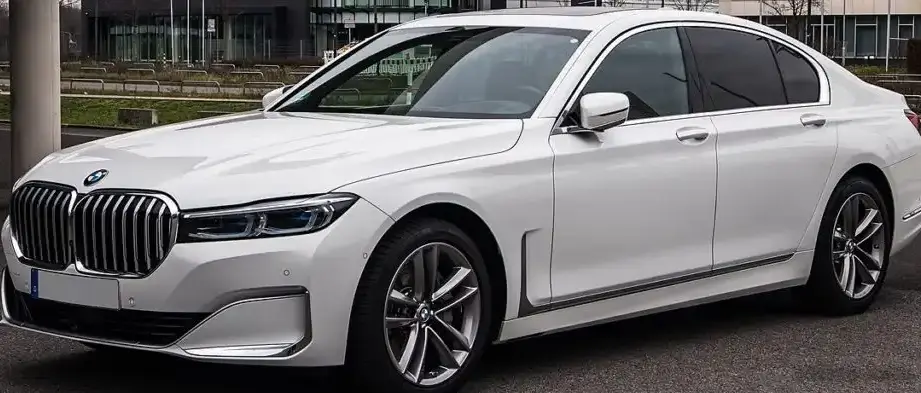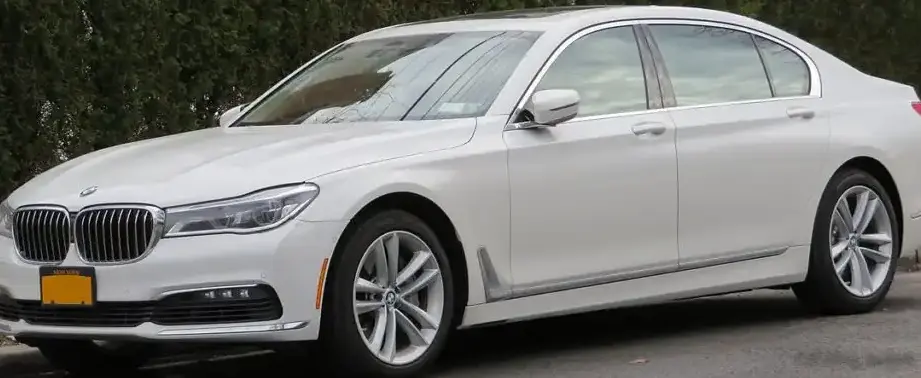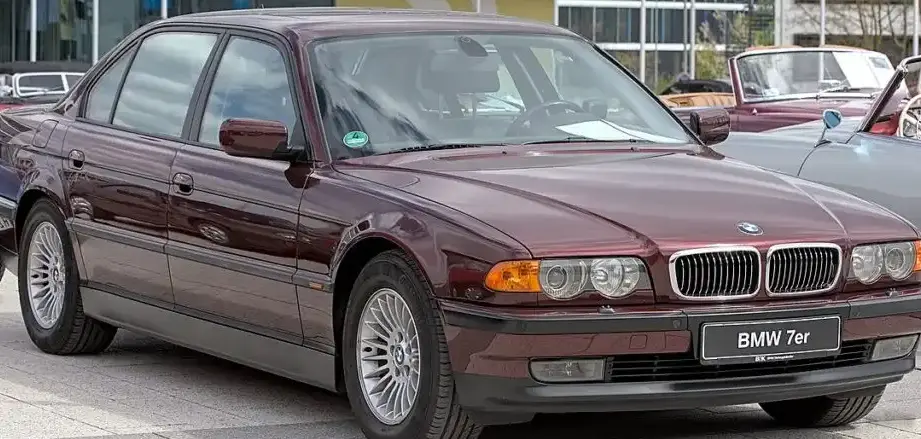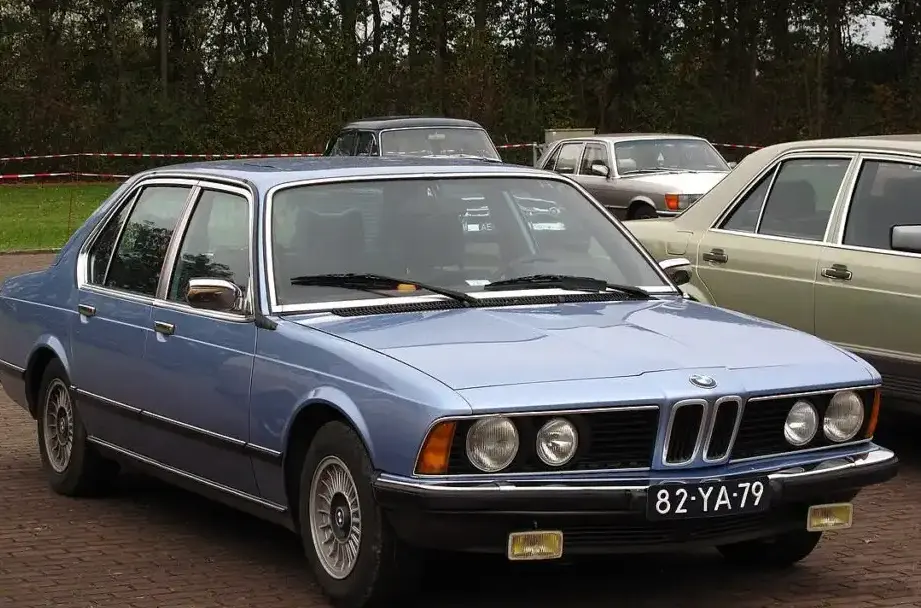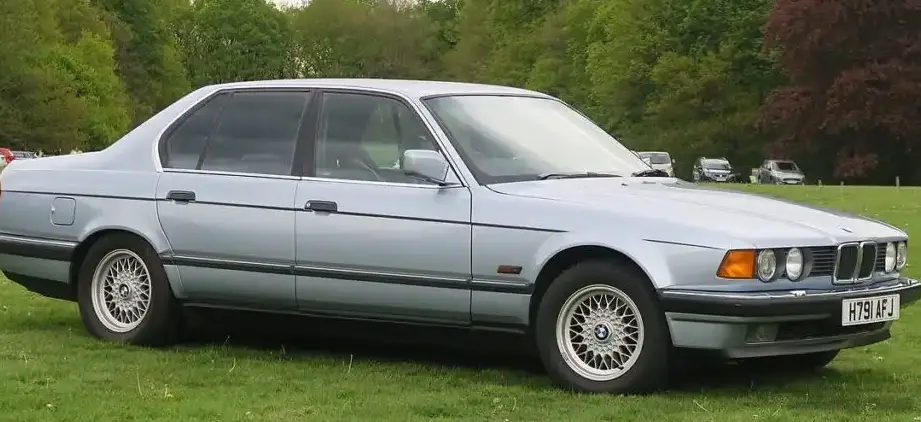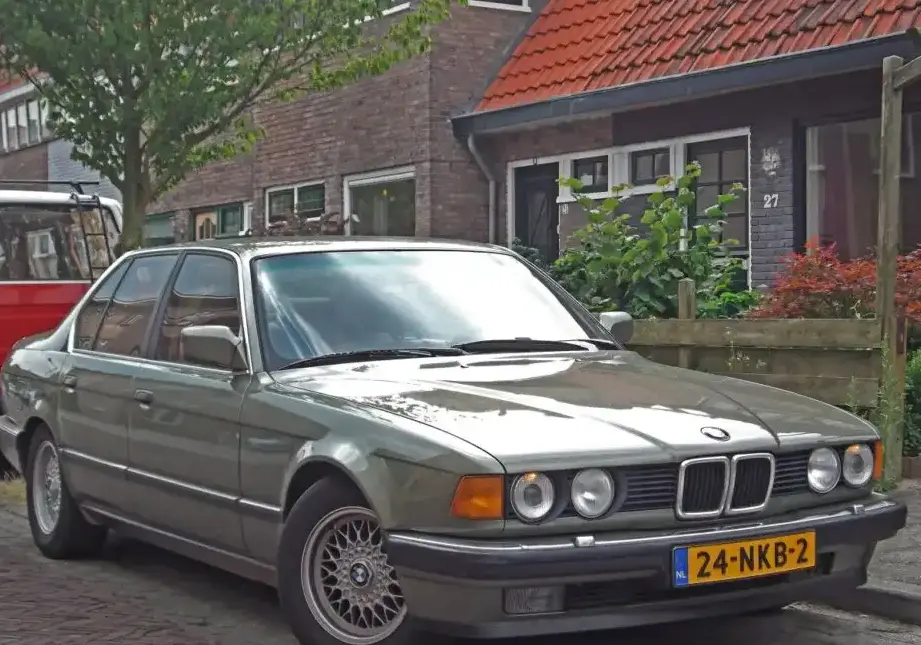
The BMW 730i, produced between 1986 and 1992, was the entry-level model in the E32 generation of the BMW 7 Series. Representing a significant step upmarket for BMW, the E32 aimed to compete directly with the Mercedes-Benz S-Class and establish BMW as a premier luxury automaker. The 730i, powered by the M30B30 inline-six engine, offered a balance of performance and efficiency, making it a popular choice for buyers seeking a sophisticated and comfortable sedan without the higher price tag of the V8-powered 735i and 750iL models. It served as the gateway into the E32 range, appealing to a broader customer base while still delivering the core BMW driving experience.
Technical Specifications
| Brand | BMW |
| Model | 7 Series |
| Generation | 7 Series (E32) |
| Type (Engine) | 730i (197 Hp) |
| Start of production | 1986 |
| End of production | 1992 |
| Powertrain Architecture | Internal Combustion engine |
| Body type | Sedan |
| Seats | 5 |
| Doors | 4 |
| Fuel consumption (economy) – urban | 15.5 l/100 km (15.2 US mpg, 18.2 UK mpg, 6.5 km/l) |
| Fuel consumption (economy) – extra urban | 7.6 l/100 km (30.9 US mpg, 37.2 UK mpg, 13.2 km/l) |
| Fuel consumption (economy) – combined | 10.8 l/100 km (21.8 US mpg, 26.2 UK mpg, 9.3 km/l) |
| Fuel Type | Petrol (Gasoline) |
| Acceleration 0 – 100 km/h | 8.9 sec |
| Acceleration 0 – 62 mph | 8.9 sec |
| Acceleration 0 – 60 mph | 8.5 sec |
| Maximum speed | 225 km/h (139.81 mph) |
| Weight-to-power ratio | 8.1 kg/Hp, 123.1 Hp/tonne |
| Weight-to-torque ratio | 5.8 kg/Nm, 171.9 Nm/tonne |
| Power | 197 Hp @ 5800 rpm |
| Power per litre | 66 Hp/l |
| Torque | 275 Nm @ 4000 rpm (202.83 lb.-ft. @ 4000 rpm) |
| Engine layout | Front, Longitudinal |
| Engine Model/Code | M30B30 |
| Engine displacement | 2986 cm3 (182.22 cu. in.) |
| Number of cylinders | 6 |
| Engine configuration | Inline |
| Cylinder Bore | 89 mm (3.5 in.) |
| Piston Stroke | 80 mm (3.15 in.) |
| Compression ratio | 9.2:1 |
| Number of valves per cylinder | 2 |
| Fuel injection system | Multi-port manifold injection |
| Engine aspiration | Naturally aspirated engine |
| Engine oil capacity | 5.75 l (6.08 US qt, 5.06 UK qt) |
| Coolant | 12 l (12.68 US qt, 10.56 UK qt) |
| Kerb Weight | 1600 kg (3527.4 lbs.) |
| Max. weight | 2130 kg (4695.85 lbs.) |
| Max load | 530 kg (1168.45 lbs.) |
| Trunk (boot) space – minimum | 500 l (17.66 cu. ft.) |
| Fuel tank capacity | 90 l (23.78 US gal, 19.8 UK gal) |
| Length | 4910 mm (193.31 in.) |
| Width | 1845 mm (72.64 in.) |
| Height | 1411 mm (55.55 in.) |
| Wheelbase | 2832 mm (111.5 in.) |
| Front track | 1527 mm (60.12 in.) |
| Rear (Back) track | 1550 mm (61.02 in.) |
| Drag coefficient (Cd) | 0.32 |
| Minimum turning circle | 11.6 m (38.06 ft.) |
| Drivetrain Architecture | Rear wheel drive |
| Drive wheel | Rear wheel drive |
| Number of gears and type of gearbox | 5 gears, manual transmission |
| Front suspension | Spring Strut |
| Rear suspension | Coil spring |
| Front brakes | Ventilated discs |
| Rear brakes | Disc |
| Assisting systems | ABS (Anti-lock braking system) |
| Steering type | Steering rack and pinion |
| Power steering | Hydraulic Steering |
| Tires size | 205/65 R15 |
| Wheel rims size | 15 |
Powertrain & Engine Architecture
The heart of the 730i was the M30B30, a 3.0-liter inline-six engine. This engine was a further development of the long-running M30 family, known for its smoothness and durability. The B30 featured multi-port fuel injection, a relatively advanced system for its time, contributing to improved fuel efficiency and throttle response. The engine produced 197 horsepower at 5800 rpm and 275 Nm (202.83 lb-ft) of torque at 4000 rpm. The engine’s design emphasized low-end torque, making it well-suited for comfortable cruising. The 730i was typically equipped with a 5-speed manual transmission, although a 4-speed automatic transmission was also available. The automatic, while offering convenience, did slightly diminish acceleration performance compared to the manual.
Driving Characteristics
The 730i offered a refined driving experience, prioritizing comfort and quietness over outright sportiness. The inline-six engine provided adequate power for everyday driving, with smooth and linear acceleration. While not as quick as the 735i or 750iL, the 730i felt responsive enough for most situations. The automatic transmission, when equipped, offered smooth shifts but could sometimes feel hesitant during quick overtaking maneuvers. The suspension was tuned for comfort, absorbing bumps and imperfections in the road effectively. Steering was precise and well-weighted, providing a confident feel at highway speeds. The 730i was a capable grand tourer, offering a comfortable and relaxing ride for long journeys.
Equipment & Trim Levels
The 730i came standard with a respectable level of equipment, including power windows, power locks, air conditioning, and a basic audio system. Leather upholstery was a common option, as were heated front seats. Higher trim levels offered features such as a sunroof, upgraded audio systems, and more luxurious interior appointments. The interior design was typical of BMW in the late 1980s, with a driver-focused layout and high-quality materials. The dashboard featured analog gauges and a simple, functional design. The 730i aimed to provide a luxurious and comfortable interior without the excessive ornamentation found in some of its competitors.
Chassis & Braking
The E32 7 Series featured an independent suspension system, with MacPherson struts at the front and semi-trailing arms at the rear. This setup provided a good balance of ride comfort and handling. The 730i was equipped with ventilated disc brakes at the front and solid disc brakes at the rear. Anti-lock braking system (ABS) was standard, enhancing safety and control during emergency braking situations. The chassis was designed to be rigid and strong, contributing to the car’s overall stability and handling. The steering system utilized a rack-and-pinion setup with hydraulic power assistance, providing precise and responsive steering feel.
Market Reception & Comparison
The 730i was generally well-received by automotive critics, who praised its comfortable ride, refined engine, and overall build quality. However, some critics noted that it lacked the outright performance of the higher-end 7 Series models. Compared to the 735i, the 730i offered a more affordable entry point into the E32 range, but at the expense of some performance. The 730i also offered better fuel economy than the V8-powered models. In terms of reliability, the M30B30 engine proved to be very durable, with many examples still running reliably today. The 730i represented a good value proposition for buyers seeking a luxurious and comfortable sedan.
Legacy
The E32 730i remains a popular choice among BMW enthusiasts and collectors. Its combination of classic BMW styling, a durable engine, and a comfortable ride has ensured its enduring appeal. While not as sought-after as the 750iL, the 730i offers a more affordable entry point into E32 ownership. Well-maintained examples are becoming increasingly rare, and prices have been steadily rising in recent years. The M30B30 engine is known for its longevity and relatively simple maintenance requirements, making it a reliable and enjoyable powerplant. The 730i represents a significant chapter in BMW’s history, marking the company’s commitment to building world-class luxury sedans.