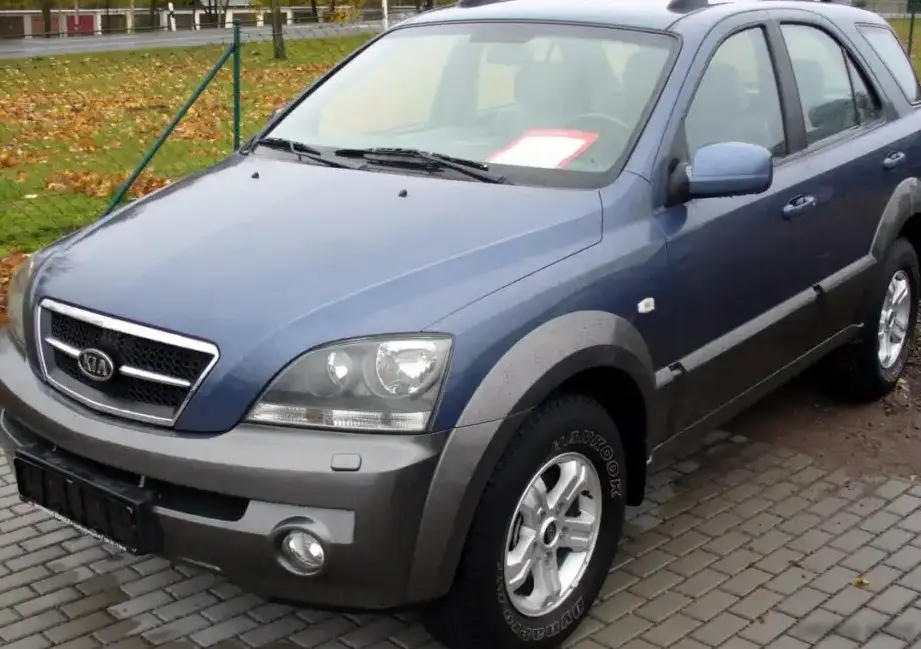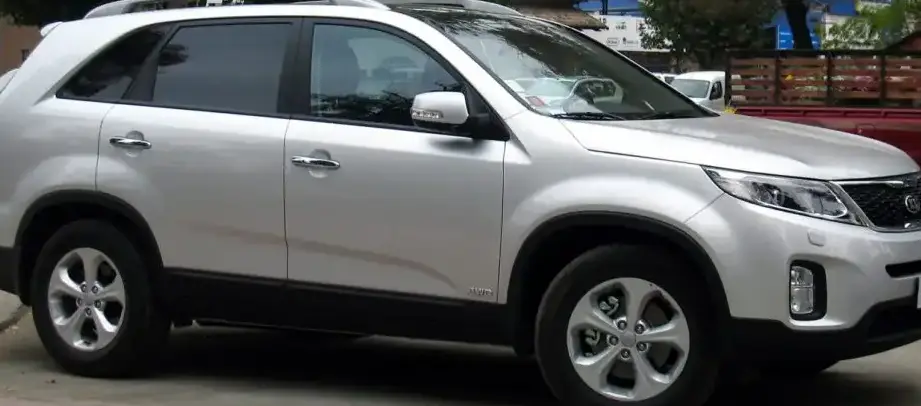
The Kia Sorento II, specifically the facelifted version introduced in 2012, represented a significant step forward for the Korean automaker in the competitive mid-size SUV segment. This iteration, produced through 2014, offered a range of engine and drivetrain options, with the 2.0D 16V CRDi 4WD variant occupying a key position as a fuel-efficient and capable all-weather option. Positioned as a mid-range offering, it bridged the gap between the base gasoline engines and the more powerful, but also more expensive, diesel options. This model was primarily aimed at families seeking a versatile vehicle with seven-passenger capability and the added security of all-wheel drive.
Technical Specifications
| Brand | Kia |
| Model | Sorento |
| Generation | Sorento II (facelift 2012) |
| Type (Engine) | 2.0D 16V CRDi (150 Hp) 4WD |
| Start of production | 2012 |
| End of production | 2014 |
| Powertrain Architecture | Internal Combustion engine |
| Body type | SUV |
| Seats | 5-7 |
| Doors | 5 |
| Fuel consumption (urban) | 8.4 l/100 km (28 US mpg) |
| Fuel consumption (extra urban) | 5.2 l/100 km (45.2 US mpg) |
| Fuel consumption (combined) | 6.4 l/100 km (36.8 US mpg) |
| CO2 emissions | 168 g/km |
| Fuel Type | Diesel |
| Acceleration 0 – 100 km/h | 11.1 sec |
| Acceleration 0 – 62 mph | 11.1 sec |
| Acceleration 0 – 60 mph | 10.5 sec |
| Maximum speed | 186 km/h (115.58 mph) |
| Emission standard | Euro 5 |
| Weight-to-power ratio | 11.9 kg/Hp |
| Weight-to-torque ratio | 4.7 kg/Nm |
| Power | 150 Hp |
| Torque | 382 Nm @ 1800 rpm (281.75 lb.-ft. @ 1800 rpm) |
| Engine layout | Front, Transverse |
| Engine Model/Code | D4HA |
| Engine displacement | 1995 cm3 (121.74 cu. in.) |
| Number of cylinders | 4 |
| Engine configuration | Inline |
| Fuel injection system | Diesel Commonrail |
| Engine aspiration | Turbocharger, Intercooler |
| Engine oil capacity | 6.7 l (7.08 US qt | 5.9 UK qt) |
| Coolant capacity | 8.6 l (9.09 US qt | 7.57 UK qt) |
| Kerb Weight | 1786 kg (3937.46 lbs.) |
| Max. weight | 2510 kg (5533.6 lbs.) |
| Max load | 724 kg (1596.15 lbs.) |
| Trunk (boot) space – minimum | 515 l (18.19 cu. ft.) |
| Fuel tank capacity | 70 l (18.49 US gal | 15.4 UK gal) |
| Length | 4685 mm (184.45 in.) |
| Width | 1885 mm (74.21 in.) |
| Height | 1745 mm (68.7 in.) |
| Wheelbase | 2700 mm (106.3 in.) |
| Minimum turning circle | 10.9 m (35.76 ft.) |
| Drive wheel | All wheel drive (4×4) |
| Number of gears | 6 |
| Gearbox type | Manual transmission |
| Assisting systems | ABS (Anti-lock braking system) |
| Steering type | Steering rack and pinion |
| Power steering | Electric Steering |
| Tires size | 235/65 R17; 235/60 R18; 235/55 R19 |
| Wheel rims size | 17; 18; 19 |
Powertrain & Engine Architecture
The heart of this Sorento variant is the D4HA 2.0-liter four-cylinder diesel engine. This engine utilizes a common-rail direct injection system, delivering fuel at extremely high pressure for optimized combustion. The 16-valve configuration, coupled with a turbocharger and intercooler, helps to maximize power output and efficiency. The engine produces 150 horsepower and a substantial 382 Nm (281.75 lb-ft) of torque at just 1800 rpm, providing good low-end grunt for everyday driving and towing. The engine is transversely mounted in the front of the vehicle. Paired with this engine is a six-speed manual transmission, chosen for its efficiency and driver engagement. While an automatic transmission was available on other Sorento trims, this specific combination was exclusively offered with the manual gearbox in many markets.
Driving Characteristics
The 2.0D 4WD Sorento offers a balanced driving experience. While not as quick as the higher-powered gasoline or larger diesel engines, the ample torque provides sufficient acceleration for most situations. The six-speed manual transmission allows for precise control, and the gear ratios are well-suited for both highway cruising and navigating urban environments. The all-wheel-drive system provides enhanced traction in slippery conditions, making it a capable vehicle for inclement weather or light off-road use. Compared to the V6 gasoline engine, the 2.0D offers significantly better fuel economy, but at the expense of outright performance. Compared to the 2.2D models, it provides a more economical option, though with less peak power and torque.
Equipment & Trim Levels
The 2012-2014 Sorento II facelift offered various trim levels, and the 2.0D 4WD typically fell into a mid-range position. Standard equipment generally included air conditioning, power windows and locks, a basic audio system with USB connectivity, and alloy wheels. Safety features such as ABS, electronic stability control, and multiple airbags were also standard. Optional extras could include leather upholstery, a sunroof, a more advanced audio system with navigation, and parking sensors. The interior typically featured a dark color scheme with durable cloth upholstery. The dashboard layout was functional and straightforward, prioritizing usability over luxury.
Chassis & Braking
The Sorento II utilizes a MacPherson strut front suspension and a multi-link rear suspension, providing a comfortable ride and decent handling characteristics. The 4WD system is typically an on-demand system, automatically engaging the rear wheels when traction is lost. Braking duties are handled by ventilated front discs and, depending on the specific market and trim level, either disc or drum brakes at the rear. The steering is rack-and-pinion with electric power assistance, offering a reasonably responsive feel. Stabilizer bars are fitted to both the front and rear axles to reduce body roll during cornering.
Market Reception & Comparison
The Kia Sorento II, and specifically the 2.0D 4WD variant, was generally well-received by automotive critics. It was praised for its spacious interior, comfortable ride, and competitive pricing. The fuel economy of the diesel engine was a significant selling point, particularly in Europe where diesel fuel was more prevalent and often cheaper than gasoline. Compared to rivals like the Hyundai Santa Fe, Nissan X-Trail, and Ford Kuga, the Sorento offered a compelling combination of value, practicality, and features. However, some critics noted that the interior materials weren’t as premium as those found in some competitors, and the engine could feel strained when fully loaded or climbing steep hills.
Legacy
The Kia Sorento II 2.0D 4WD has proven to be a relatively reliable vehicle in the used car market. The D4HA engine is known for its durability, and with regular maintenance, it can provide many years of service. Common issues are typically related to wear and tear on suspension components and the occasional failure of sensors or injectors. The availability of parts is generally good, and repair costs are reasonable. Today, these Sorentos represent a good value for buyers seeking a spacious, capable, and fuel-efficient SUV, particularly those who prioritize all-wheel drive for added safety and versatility.