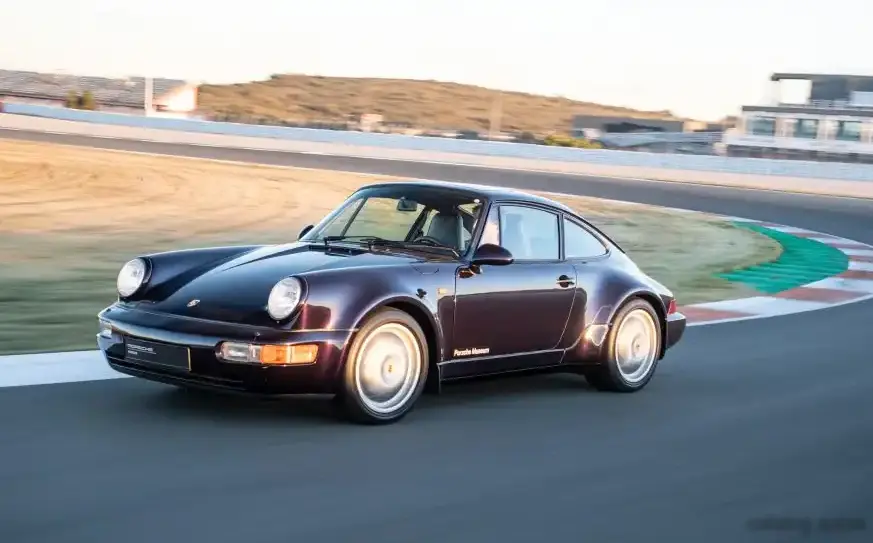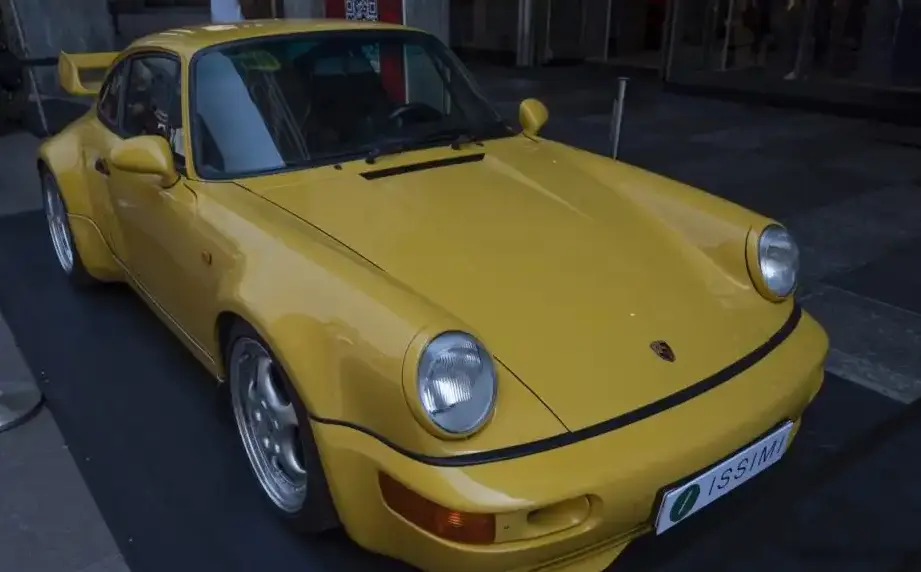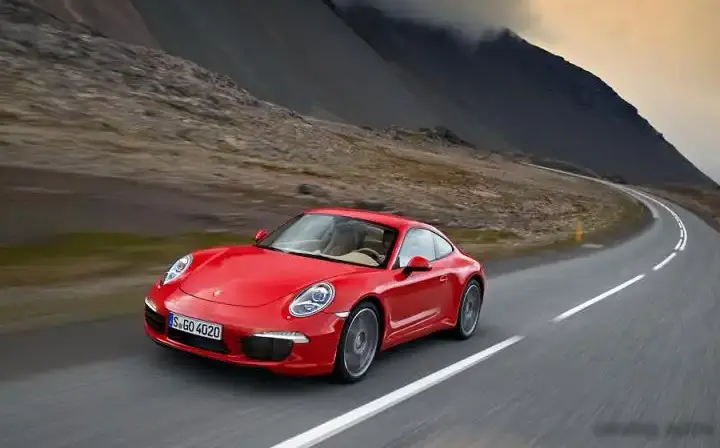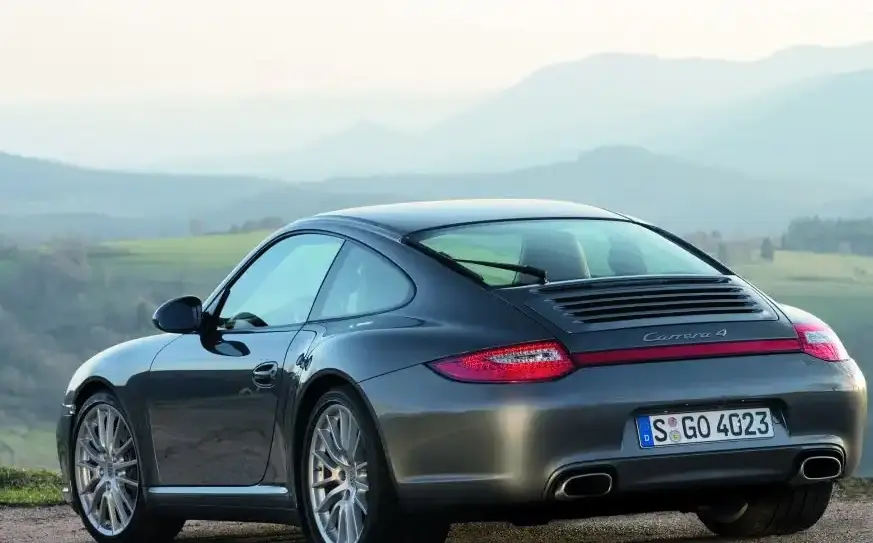
The Porsche 911 Carrera 4 3.6, produced from 2008 to 2011, represents a significant iteration of the iconic 997 generation. This facelifted model, internally designated as the 997.2, brought refinements to the engine, styling, and interior technology. The Carrera 4 3.6 occupied a crucial position in the 911 lineup, offering all-wheel drive capability and a naturally aspirated flat-six engine, appealing to drivers seeking a blend of performance and all-weather confidence. It sat above the base Carrera models and below the more potent Carrera S variants, providing a compelling balance of price and capability.
Technical Specifications
| Brand | Porsche |
| Model | 911 |
| Generation | 911 (997, facelift 2008) |
| Type (Engine) | Carrera 4 3.6 (345 Hp) |
| Start of production | 2008 |
| End of production | 2011 |
| Powertrain Architecture | Internal Combustion engine |
| Body type | Coupe |
| Seats | 4 |
| Doors | 2 |
| Fuel consumption (economy) – urban | 15.9 l/100 km (14.8 US mpg, 17.8 UK mpg, 6.3 km/l) |
| Fuel consumption (economy) – extra urban | 7.7 l/100 km (30.5 US mpg, 36.7 UK mpg, 13 km/l) |
| Fuel consumption (economy) – combined | 10.6 l/100 km (22.2 US mpg, 26.6 UK mpg, 9.4 km/l) |
| CO2 emissions | 249 g/km |
| Fuel Type | Petrol (Gasoline) |
| Acceleration 0 – 100 km/h | 5 sec |
| Acceleration 0 – 62 mph | 5 sec |
| Acceleration 0 – 60 mph | 4.8 sec |
| Maximum speed | 284 km/h (176.47 mph) |
| Emission standard | Euro 5 |
| Weight-to-power ratio | 4.3 kg/Hp, 234.7 Hp/tonne |
| Weight-to-torque ratio | 3.8 kg/Nm, 265.3 Nm/tonne |
| Power | 345 Hp @ 6500 rpm |
| Power per litre | 95.5 Hp/l |
| Torque | 390 Nm @ 4400 rpm (287.65 lb.-ft. @ 4400 rpm) |
| Engine layout | Rear, Longitudinal |
| Engine Model/Code | MA1.02 |
| Engine displacement | 3614 cm3 (220.54 cu. in.) |
| Engine configuration | Boxer |
| Compression ratio | 12.5:1 |
| Number of valves per cylinder | 4 |
| Fuel injection system | Direct injection |
| Engine oil capacity | 7.5 l (7.93 US qt | 6.6 UK qt) |
| Coolant | 28.9 l (30.54 US qt | 25.43 UK qt) |
| Kerb Weight | 1470 kg (3240.8 lbs) |
| Max. weight | 1870 kg (4122.64 lbs) |
| Max load | 400 kg (881.85 lbs) |
| Trunk (boot) space – maximum | 105 l (3.71 cu. ft) |
| Fuel tank capacity | 67 l (17.7 US gal | 14.74 UK gal) |
| Length | 4435 mm (174.61 in) |
| Width | 1852 mm (72.91 in) |
| Height | 1310 mm (51.57 in) |
| Wheelbase | 2350 mm (92.52 in) |
| Drag coefficient (Cd) | 0.30 |
| Minimum turning circle | 10.9 m (35.76 ft) |
| Drive wheel | All wheel drive (4×4) |
| Number of gears | 6 |
| Gearbox type | Manual transmission |
| Front suspension | Independent type McPherson |
| Rear suspension | Independent multi-link suspension |
| Front brakes | Ventilated discs, 330 mm |
| Rear brakes | Ventilated discs, 330 mm |
| Assisting systems | ABS (Anti-lock braking system) |
| Steering type | Steering rack and pinion |
| Power steering | Hydraulic Steering |
| Tires size | 235/40 ZR18; 295/35 ZR18 |
| Wheel rims size | 8J x 18; 11J x 18 |
Powertrain & Engine Architecture
At the heart of the Carrera 4 3.6 lies the MA1.02 engine, a 3.6-liter naturally aspirated flat-six. This engine benefited from Porsche’s Direct Fuel Injection (DFI) technology, improving both power output and fuel efficiency. DFI allowed for more precise fuel metering and increased combustion efficiency. The engine produced 345 horsepower at 6,500 rpm and 390 Nm (287.65 lb-ft) of torque at 4,400 rpm. The flat-six configuration, with its horizontally opposed cylinders, contributes to a low center of gravity, enhancing handling characteristics. The engine features four valves per cylinder and a relatively high compression ratio of 12.5:1. The six-speed manual transmission was standard, providing precise gear changes and a direct connection to the engine. Porsche’s all-wheel-drive system, Porsche Traction Management (PTM), distributes power between the front and rear axles based on traction conditions, enhancing stability and grip.
Driving Characteristics
The Carrera 4 3.6 delivers a refined and engaging driving experience. While not as overtly aggressive as the Carrera S, the 3.6-liter engine provides ample power for both spirited driving and comfortable cruising. The all-wheel-drive system inspires confidence in various weather conditions, providing enhanced traction during acceleration and cornering. The manual transmission offers a satisfyingly mechanical feel, allowing drivers to fully engage with the car. Compared to the base Carrera, the Carrera 4 offers improved stability and grip, particularly on slippery surfaces. The gear ratios are well-matched to the engine’s powerband, providing strong acceleration throughout the rev range. The car feels balanced and predictable, making it accessible to drivers of all skill levels.
Equipment & Trim Levels
The Carrera 4 3.6 came standard with a comprehensive list of features, including leather upholstery, automatic climate control, a Bose sound system, and bi-xenon headlights. Optional extras included sport seats, a sport steering wheel, a navigation system, and Porsche Dynamic Chassis Control (PDCC), which actively counteracts body roll during cornering. Interior trim options allowed for personalization, with a range of leather colors and materials available. The dashboard layout was typical of the 997 generation, with a central tachometer flanked by gauges for speed, fuel level, and coolant temperature.
Chassis & Braking
The 997.2 Carrera 4 utilizes an independent suspension system with McPherson struts at the front and a multi-link setup at the rear. This configuration provides a comfortable ride while maintaining excellent handling precision. Ventilated disc brakes are fitted to all four wheels, providing ample stopping power. The Carrera 4 features larger brakes than the base Carrera models. Anti-lock braking system (ABS) is standard, enhancing braking performance and stability. The chassis is constructed from a combination of steel and aluminum, contributing to a relatively lightweight yet rigid structure.
Market Reception & Comparison
The Carrera 4 3.6 was well-received by automotive critics, who praised its blend of performance, handling, and all-weather capability. It was often seen as a more practical and versatile alternative to the rear-wheel-drive Carrera models. Fuel economy was respectable for a sports car of its caliber, averaging around 22.2 US mpg in combined driving. Reliability was generally good, although maintenance costs could be high due to the car’s complex engineering. Compared to the Carrera S, the Carrera 4 offered a more accessible price point and a slightly more forgiving driving experience. The Carrera 4 also provided a compelling alternative to other high-performance sports cars, such as the Audi R8 and the BMW 911.
Legacy
The Porsche 911 Carrera 4 3.6 remains a highly sought-after model in the used car market. Its combination of performance, reliability, and iconic styling has ensured its enduring appeal. The MA1.02 engine is known for its durability, and with proper maintenance, it can provide many years of reliable service. The 997.2 generation is widely regarded as one of the most refined and enjoyable 911s ever produced, and the Carrera 4 3.6 represents a sweet spot in the lineup, offering a compelling balance of performance and practicality. Today, these cars are often seen as a great entry point into Porsche ownership, offering a taste of the 911 experience without the higher price tag of more recent or more powerful models.