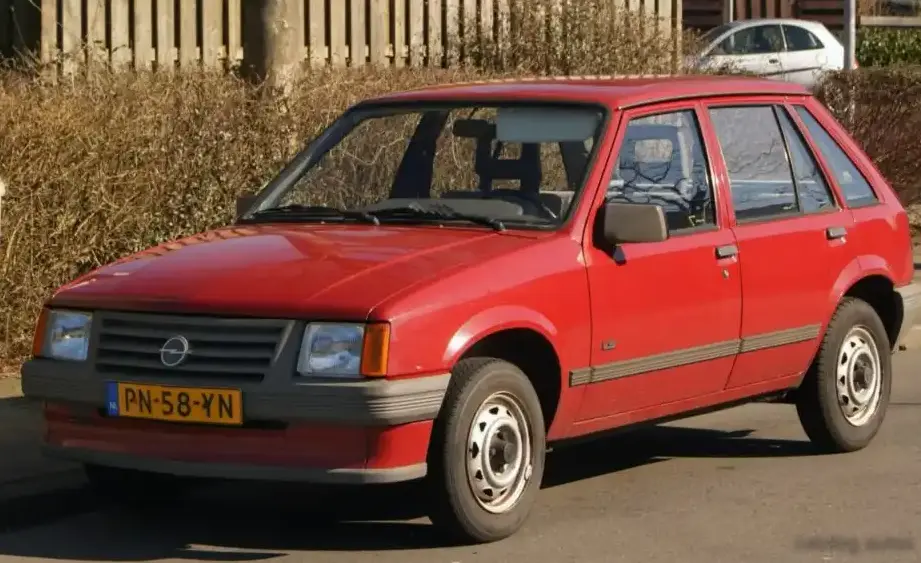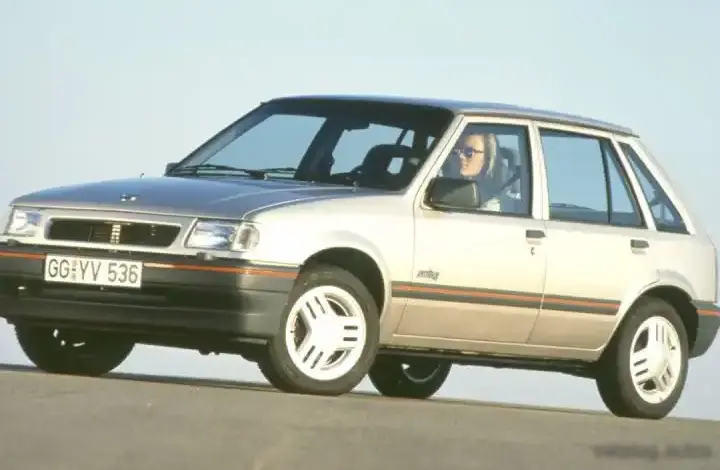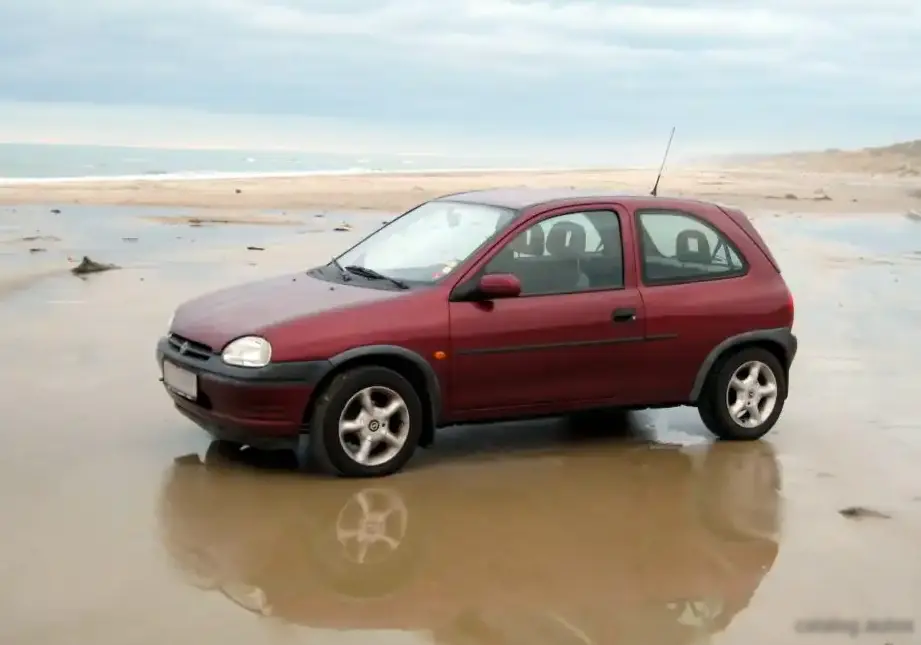
The Opel Corsa B 1.4 Si, produced from 1993 to 1997, represented a key entry point into the second generation of Opel’s popular supermini. Positioned as a mid-range offering within the Corsa B lineup (chassis code 1HX0/A3), it aimed to balance affordability with a reasonable level of equipment and performance. This variant, powered by the 1.4-liter C14SE engine and typically paired with a five-speed manual transmission, was a common sight on European roads, offering a practical and economical transportation solution. While a four-speed automatic transmission was available, the manual was far more prevalent. The Corsa B itself was a significant step forward for Opel, offering improved styling, safety, and refinement compared to its predecessor.
Technical Specifications
| Brand | Opel |
| Model | Corsa |
| Generation | Corsa B |
| Type (Engine) | 1.4 Si (82 Hp) |
| Start of production | March, 1993 |
| End of production | 1997 |
| Powertrain Architecture | Internal Combustion engine |
| Body type | Hatchback |
| Seats | 5 |
| Doors | 3-5 |
| Fuel consumption (urban) | 8.7 l/100 km (27 US mpg, 32.5 UK mpg, 11.5 km/l) |
| Fuel consumption (extra urban) | 5 l/100 km (47 US mpg, 56.5 UK mpg, 20 km/l) |
| Fuel consumption (combined) | 6.8 l/100 km (34.6 US mpg, 41.5 UK mpg, 14.7 km/l) |
| CO2 emissions | 162 g/km |
| Fuel Type | Petrol (Gasoline) |
| Acceleration 0 – 100 km/h | 12.5 sec |
| Acceleration 0 – 62 mph | 12.5 sec |
| Acceleration 0 – 60 mph | 11.9 sec |
| Maximum speed | 173 km/h (107.5 mph) |
| Weight-to-power ratio | 10.9 kg/Hp, 91.6 Hp/tonne |
| Weight-to-torque ratio | 7.9 kg/Nm, 127.4 Nm/tonne |
| Power | 82 Hp @ 5800 rpm |
| Power per litre | 59 Hp/l |
| Torque | 114 Nm @ 3400 rpm (84.08 lb.-ft. @ 3400 rpm) |
| Engine layout | Front, Transverse |
| Engine Model/Code | C14SE |
| Engine displacement | 1389 cm3 (84.76 cu. in.) |
| Number of cylinders | 4 |
| Engine configuration | Inline |
| Cylinder Bore | 77.6 mm (3.06 in.) |
| Piston Stroke | 73.4 mm (2.89 in.) |
| Compression ratio | 9.8:1 |
| Number of valves per cylinder | 2 |
| Fuel injection system | Multi-port manifold injection |
| Engine aspiration | Naturally aspirated engine |
| Valvetrain | OHC |
| Engine oil capacity | 3.5 l (3.7 US qt | 3.08 UK qt) |
| Coolant | 5.8 l (6.13 US qt | 5.1 UK qt) |
| Kerb Weight | 895 kg (1973.14 lbs.) |
| Max. weight | 1395 kg (3075.45 lbs.) |
| Max load | 500 kg (1102.31 lbs.) |
| Trunk (boot) space – minimum | 260 l (9.18 cu. ft.) |
| Trunk (boot) space – maximum | 1050 l (37.08 cu. ft.) |
| Fuel tank capacity | 46 l (12.15 US gal | 10.12 UK gal) |
| Length | 3740 mm (147.24 in.) |
| Width | 1610 mm (63.39 in.) |
| Height | 1420 mm (55.91 in.) |
| Wheelbase | 2445 mm (96.26 in.) |
| Front track | 1385 mm (54.53 in.) |
| Rear (Back) track | 1390 mm (54.72 in.) |
| Ride height (ground clearance) | 140 mm (5.51 in.) |
| Drag coefficient (Cd) | 0.35 |
| Drivetrain Architecture | The Internal combustion engine (ICE) drives the front wheels of the vehicle. |
| Drive wheel | Front wheel drive |
| Number of gears and type of gearbox | 5 gears, manual transmission |
| Front suspension | Coil spring |
| Rear suspension | Coil spring |
| Front brakes | Disc |
| Rear brakes | Drum |
| Steering type | Steering rack and pinion |
| Power steering | Hydraulic Steering |
| Tires size | 165/70 R13 |
| Wheel rims size | 5 J X 13 |
Powertrain & Engine Architecture
The heart of the Corsa B 1.4 Si was the C14SE engine, a 1.4-liter (1389cc) inline-four cylinder petrol engine. This engine featured a single overhead camshaft (OHC) design with two valves per cylinder. Fuel delivery was handled by a multi-port fuel injection system, a common setup for the time, providing improved efficiency and emissions compared to earlier carbureted designs. The C14SE was known for its relative simplicity and durability, though it wasn’t a powerhouse. The engine produced 82 horsepower at 5800 rpm and 114 Nm (84 lb-ft) of torque at 3400 rpm. The five-speed manual transmission offered in most examples was a standard unit, providing a reasonably direct and engaging driving experience. A four-speed automatic transmission was available, but it significantly impacted performance and fuel economy.
Driving Characteristics
The Corsa B 1.4 Si with the manual transmission offered adequate, if not exhilarating, performance. Acceleration from 0 to 60 mph took around 11.9 seconds, and top speed was approximately 107.5 mph. The engine felt relatively lively around town, but struggled when fully loaded or attempting quick overtaking maneuvers. The gear ratios were well-suited to everyday driving, providing a balance between fuel efficiency and usability. Compared to the more powerful 1.6-liter versions, the 1.4 Si felt noticeably slower, but it offered better fuel economy. The automatic transmission version suffered from even more sluggish performance, making it less appealing to drivers seeking a more engaging experience.
Equipment & Trim Levels
The 1.4 Si trim level typically included features such as power steering, central locking, and an upgraded interior trim compared to the base models. Interior upholstery was usually a cloth material, with options for different patterns and colors. Dashboard configuration was fairly basic, but functional, with clearly labeled controls. Optional extras included electric windows, a sunroof, and upgraded audio systems. Air conditioning was a relatively rare option. The Si trim aimed to provide a step up in comfort and convenience without significantly increasing the price.
Chassis & Braking
The Corsa B utilized a relatively simple chassis design, with coil spring suspension at both the front and rear. Front brakes were disc brakes, providing adequate stopping power, while rear brakes were drum brakes, a cost-saving measure common in this class of vehicle. The steering was a rack and pinion system with hydraulic power assistance, offering light and precise steering feel. Stabilizer bars were typically fitted to the front suspension, helping to reduce body roll during cornering. The suspension setup prioritized ride comfort over outright handling performance.
Market Reception & Comparison
The Corsa B 1.4 Si was generally well-received by automotive critics as a practical and affordable supermini. It was praised for its fuel efficiency, comfortable ride, and relatively spacious interior. However, it was often criticized for its lack of power and somewhat bland styling. Compared to rivals such as the Peugeot 106 and Renault Clio, the Corsa B offered a similar level of practicality and affordability. The 1.6-liter Corsa B models offered significantly more performance, but at a higher price point. The 1.4 Si represented a good compromise for buyers seeking a balance between cost and usability.
Legacy
The Corsa B 1.4 Si, particularly those equipped with the manual transmission, has proven to be a relatively reliable vehicle over the long term. The C14SE engine is known for its durability, although regular maintenance is essential to prevent issues such as oil leaks and timing chain wear. Today, these Corsas are increasingly sought after by classic car enthusiasts and collectors, particularly well-maintained examples. Parts availability remains good, making them relatively easy to maintain and repair. While not a performance icon, the Corsa B 1.4 Si holds a nostalgic appeal for many drivers who remember it as a dependable and affordable everyday car.