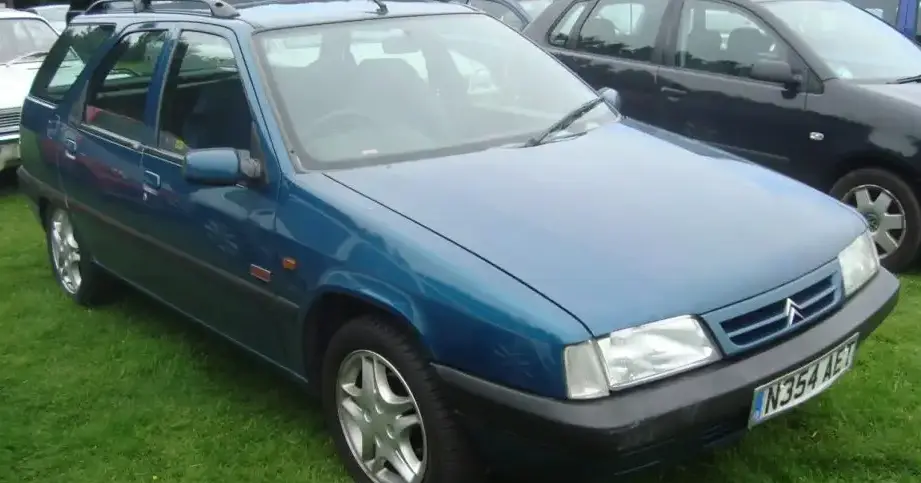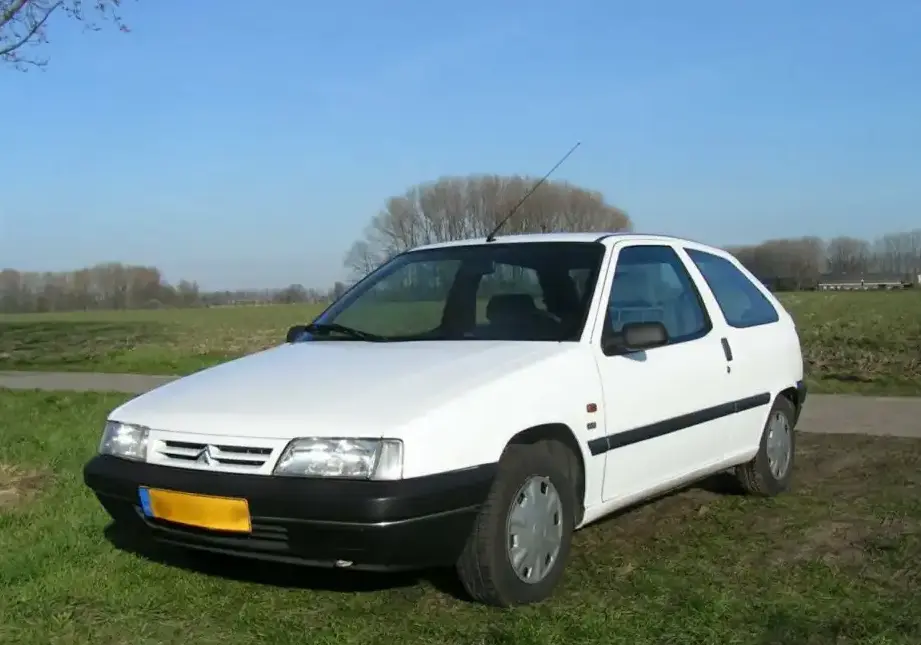
The Citroën ZX 2.0i 16V (N2, Phase II) 3-door, produced between 1996 and 1997, represented a performance-oriented variant within the broader ZX range. Positioned as a sporty offering, it aimed to provide enthusiasts with a more engaging driving experience compared to the lower-spec models. The ZX itself was Citroën’s replacement for the aging BX, utilizing the shared PSA Group platform known as the XU10, also underpinning the Peugeot 405. This particular 2.0i 16V model was a late-lifecycle enhancement, benefiting from refinements made during the Phase II update, and offered a significant power increase over the base models.
Technical Specifications
| Brand | Citroen |
| Model | ZX |
| Generation | ZX (N2, Phase II) 3-door |
| Type (Engine) | 2.0 i 16V (163 Hp) |
| Start of production | 1996 |
| End of production | 1997 |
| Powertrain Architecture | Internal Combustion engine |
| Body type | Hatchback |
| Seats | 5 |
| Doors | 3 |
| Fuel consumption (urban) | 13.6 l/100 km (17.3 US mpg, 20.8 UK mpg) |
| Fuel consumption (extra urban) | 7.1 l/100 km (33.1 US mpg, 39.8 UK mpg) |
| Fuel consumption (combined) | 9.4 l/100 km (25 US mpg, 30.1 UK mpg) |
| Fuel Type | Petrol (Gasoline) |
| Maximum speed | 219 km/h (136.08 mph) |
| Power | 163 Hp @ 6500 rpm |
| Power per litre | 81.6 Hp/l |
| Torque | 196 Nm @ 5500 rpm (144.56 lb.-ft. @ 5500 rpm) |
| Engine layout | Front, Transverse |
| Engine Model/Code | RFS XU10J4RS |
| Engine displacement | 1998 cm3 (121.93 cu. in.) |
| Number of cylinders | 4 |
| Engine configuration | Inline |
| Cylinder Bore | 86 mm (3.39 in.) |
| Piston Stroke | 86 mm (3.39 in.) |
| Compression ratio | 10.4:1 |
| Number of valves per cylinder | 4 |
| Fuel injection system | Multi-port manifold injection |
| Engine aspiration | Naturally aspirated engine |
| Valvetrain | DOHC |
| Engine oil capacity | 4.3 l (4.54 US qt | 3.78 UK qt) |
| Coolant | 8.5 l (8.98 US qt | 7.48 UK qt) |
| Trunk (boot) space – minimum | 324 l (11.44 cu. ft.) |
| Trunk (boot) space – maximum | 1146 l (40.47 cu. ft.) |
| Fuel tank capacity | 54 l (14.27 US gal | 11.88 UK gal) |
| Length | 4071 mm (160.28 in.) |
| Width | 1688 mm (66.46 in.) |
| Height | 1399 mm (55.08 in.) |
| Wheelbase | 2540 mm (100 in.) |
| Front overhang | 849 mm (33.43 in.) |
| Rear overhang | 682 mm (26.85 in.) |
| Minimum turning circle | 11.3 m (37.07 ft.) |
| Drivetrain Architecture | Front wheel drive |
| Number of gears | 5 gears, manual transmission |
| Front suspension | Independent type McPherson, Wishbone |
| Rear suspension | Hydro-pneumatic element, Trailing arm |
| Front brakes | Ventilated discs |
| Rear brakes | Drum |
| Steering type | Steering rack and pinion |
| Power steering | Hydraulic Steering |
Powertrain & Engine Architecture
The heart of the ZX 2.0i 16V is the RFS XU10J4RS engine, a 1.998-liter inline-four cylinder powerplant. This engine is a member of the XU series, developed by Peugeot and Citroën, and renowned for its robust construction and tuning potential. The “16V” designation indicates a dual overhead camshaft (DOHC) valvetrain with four valves per cylinder, enhancing breathing and high-rpm performance. Fuel delivery is managed by a multi-port fuel injection system, providing precise fuel metering for optimal combustion. The engine’s 10.4:1 compression ratio contributes to its spirited performance. The XU10J4RS engine was known for its relatively simple design, making it easier to maintain compared to some of its more complex contemporaries. The engine is transversely mounted, driving the front wheels.
Driving Characteristics
The 163 horsepower and 144.56 lb-ft of torque offered by the 2.0i 16V engine transformed the ZX’s driving experience. Compared to the lower-powered 1.6 or 1.8-liter versions, the 2.0i 16V provided noticeably quicker acceleration and a more confident feel at highway speeds. While not a true sports car, the ZX 2.0i 16V offered a pleasing balance between comfort and performance. The five-speed manual transmission, standard on this model, allowed drivers to fully exploit the engine’s powerband. The gear ratios were well-chosen, providing good responsiveness in everyday driving situations. The handling was competent, benefiting from the independent front suspension and the unique hydro-pneumatic rear suspension system, a Citroën hallmark, which provided a comfortable and controlled ride.
Equipment & Trim Levels
The ZX 2.0i 16V typically came with a reasonably well-equipped specification, reflecting its position as a higher-end trim level. Standard features often included power steering, central locking, electric front windows, and an upgraded interior trim. Upholstery was typically cloth, though leather options were sometimes available. Optional extras could include air conditioning, a sunroof, and upgraded audio systems. The dashboard layout was functional and driver-focused, with clear instrumentation. The 3-door configuration emphasized a sportier aesthetic compared to the 5-door models.
Chassis & Braking
The ZX’s chassis featured an independent McPherson strut suspension at the front, providing responsive handling and good ride quality. The rear suspension utilized Citroën’s innovative hydro-pneumatic system, offering self-leveling capabilities and exceptional comfort. Braking duties were handled by ventilated discs at the front and drum brakes at the rear. While the front discs provided adequate stopping power, the rear drums were a cost-saving measure and could feel less effective under heavy braking. The steering was a rack-and-pinion system with hydraulic power assistance, offering precise control and ease of maneuverability.
Market Reception & Comparison
The Citroën ZX 2.0i 16V was generally well-received by automotive critics, who praised its performance, comfortable ride, and distinctive styling. However, some reviewers noted that the interior quality wasn’t quite up to par with some of its German rivals. Compared to other trims in the ZX lineup, the 2.0i 16V offered a significant performance upgrade, but at the cost of slightly lower fuel economy. Against competitors like the Peugeot 405 SRi or the Renault 19 16V, the ZX 2.0i 16V offered a compelling package, particularly for those seeking a comfortable and capable hatchback with a touch of French flair.
Legacy
The XU10J4RS engine, found in the ZX 2.0i 16V, is known for its durability and reliability when properly maintained. While the hydro-pneumatic suspension system can require specialized knowledge for repairs, the engine itself is relatively straightforward to work on. Today, the ZX 2.0i 16V has gained a following among enthusiasts who appreciate its unique character and performance. Well-maintained examples are becoming increasingly collectible, and parts availability, while not always abundant, is generally reasonable. The ZX 2.0i 16V represents a memorable chapter in Citroën’s history, showcasing the brand’s commitment to innovation and driving pleasure.