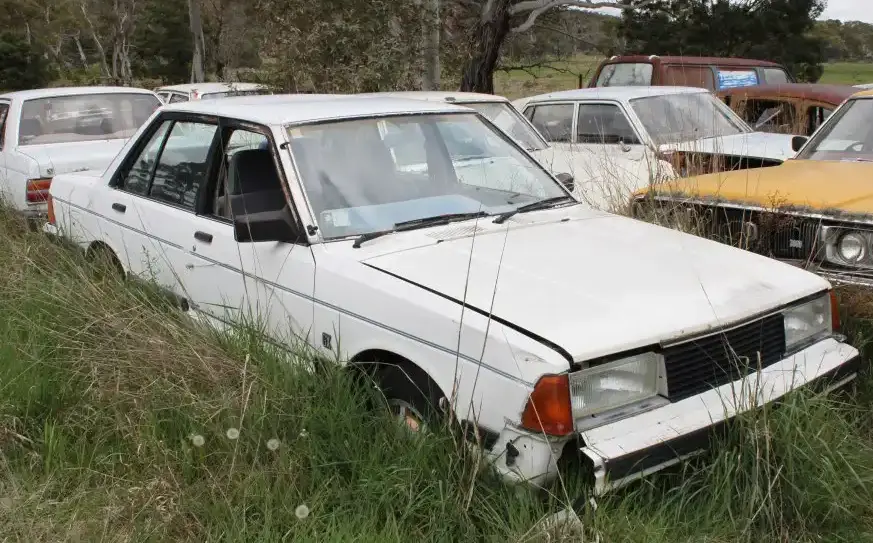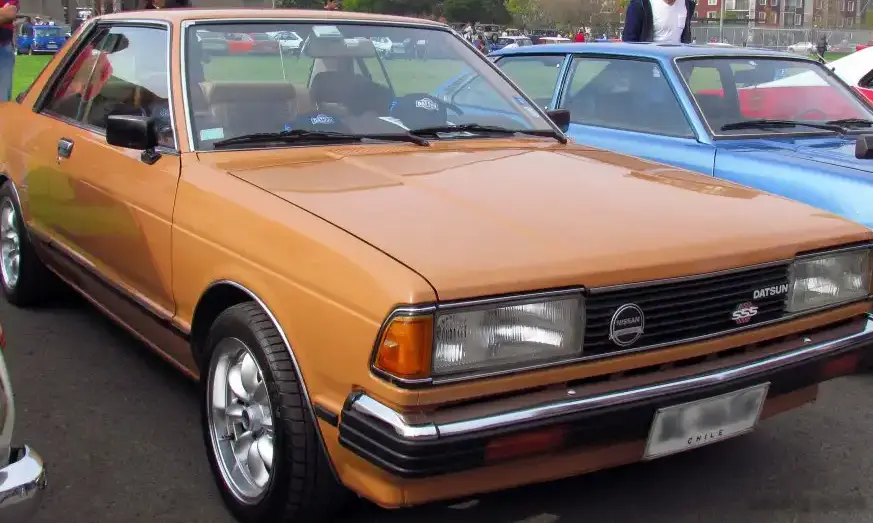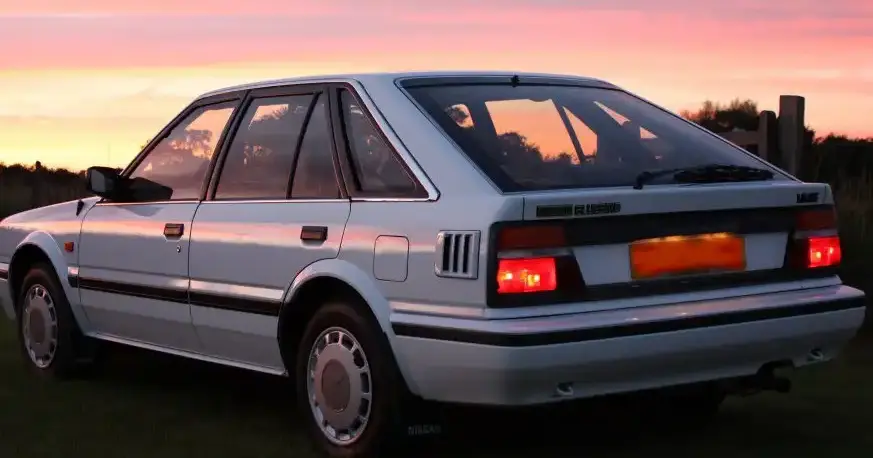
The Nissan Bluebird Hatchback, specifically the T72 and T12 series produced between 1986 and 1990, represented a significant offering in the compact car segment. This generation of Bluebird aimed to provide practical, reliable transportation for families, particularly in markets outside of North America where Nissan had a strong presence. The 1.6-liter, 83 horsepower variant occupied a crucial position in the lineup, serving as the entry-level engine option for buyers prioritizing fuel efficiency and affordability over outright performance. It was a common sight on roads in countries like Australia, New Zealand, and parts of Asia, offering a sensible alternative to more sporting or luxurious compacts.
Technical Specifications
| Brand | Nissan |
| Model | Bluebird |
| Generation | Bluebird Hatchback (T72, T12) |
| Type (Engine) | 1.6 (83 Hp) |
| Start of Production | 1986 |
| End of Production | 1990 |
| Powertrain Architecture | Internal Combustion Engine |
| Body Type | Hatchback |
| Seats | 5 |
| Doors | 5 |
| Fuel Type | Petrol (Gasoline) |
| Power | 83 Hp |
| Engine Aspiration | Naturally Aspirated |
| Drivetrain | Front Wheel Drive |
Powertrain & Engine Architecture
The heart of this Bluebird variant was the Nissan E16S engine, a 1.6-liter inline-four cylinder gasoline engine. This engine was a mainstay in Nissan’s lineup during the 1980s, known for its durability and relatively simple design. The E16S featured a single overhead camshaft (SOHC) valvetrain operating two valves per cylinder. Fuel delivery was managed by a carburetor, a common feature for vehicles of this era, though some later models within the T72/T12 range transitioned to fuel injection. The 83 horsepower output was achieved at approximately 5,600 rpm, with peak torque of around 98 lb-ft at 3,200 rpm. This engine wasn’t designed for rapid acceleration, but rather for providing adequate power for everyday driving conditions.
The transmission paired with the E16S in this configuration was typically a three or four-speed automatic. The automatic transmission was chosen by many buyers for its convenience, particularly in urban environments. While not offering the most responsive driving experience, it contributed to the Bluebird’s appeal as a comfortable and easy-to-drive vehicle. The gear ratios were optimized for fuel economy and smooth cruising, rather than spirited performance. The automatic transmission was a key factor in positioning this variant as a practical, no-frills option.
Driving Characteristics
Behind the wheel, the 1.6-liter Bluebird Hatchback with the automatic transmission delivered a predictable and unpretentious driving experience. Acceleration was modest, taking approximately 12-14 seconds to reach 60 mph. The automatic transmission, while smooth, lacked the urgency of a manual gearbox, and downshifts were often accompanied by a noticeable delay. However, this was typical for automatics of the time. The car felt stable and composed at highway speeds, though wind noise was noticeable. The steering was light and easy, making maneuvering in tight spaces effortless. Compared to the available manual transmission versions, the automatic sacrificed some responsiveness, but gained in ease of use. Higher-spec Bluebirds with larger engines (like the 2.0-liter) offered significantly more power and a more engaging driving experience, but at a higher price point.
Equipment & Trim Levels
The 1.6-liter Bluebird Hatchback typically represented the base trim level. Standard equipment generally included cloth upholstery, a basic AM/FM radio, and manual windows and door locks. Air conditioning was often an optional extra, as were power windows and a more advanced stereo system. Interior plastics were durable but utilitarian, reflecting the car’s focus on affordability. The dashboard layout was functional and straightforward, with clearly labeled controls. The exterior featured steel wheels with hubcaps, and relatively simple body trim. Higher trim levels added features like alloy wheels, upgraded interior materials, and more comprehensive instrumentation.
Chassis & Braking
The Bluebird Hatchback utilized a relatively conventional chassis design. It featured independent front suspension with MacPherson struts and a torsion beam rear suspension. This setup provided a comfortable ride, though it wasn’t particularly sporty. The braking system consisted of front disc brakes and rear drum brakes, which were adequate for the car’s weight and performance. Power steering was often included, making the car easy to maneuver. Stabilizer bars were typically fitted to the front suspension to reduce body roll during cornering. The suspension tuning prioritized ride comfort over handling precision, making it well-suited for everyday driving.
Market Reception & Comparison
The Nissan Bluebird 1.6 Automatic was generally well-received as a practical and reliable family car. Critics praised its fuel efficiency and affordability, but noted its lack of performance. Compared to rivals like the Toyota Corolla and Honda Civic, the Bluebird offered a similar level of practicality and reliability, but often at a slightly lower price point. The automatic transmission was seen as a convenience feature, but some reviewers preferred the more engaging driving experience offered by the manual gearbox. Fuel economy was a strong point, typically achieving around 28-32 mpg in mixed driving conditions. Reliability was generally good, with the E16S engine proving to be a durable and long-lasting unit.
Legacy
The Nissan Bluebird Hatchback (T72, T12) 1.6 Automatic has become a relatively common sight in the used car market, particularly in regions where it was originally sold. The E16S engine is known for its robustness and relatively simple maintenance requirements. Parts availability is generally good, though some components may be becoming increasingly difficult to find. While not a particularly collectible car, it remains a popular choice for budget-conscious buyers seeking a reliable and affordable mode of transportation. The 1.6-liter automatic variant, while not the most exciting version of the Bluebird, represents a sensible and practical choice that appealed to a wide range of buyers during its production run. Its enduring reputation for reliability has ensured its continued presence on roads today.