
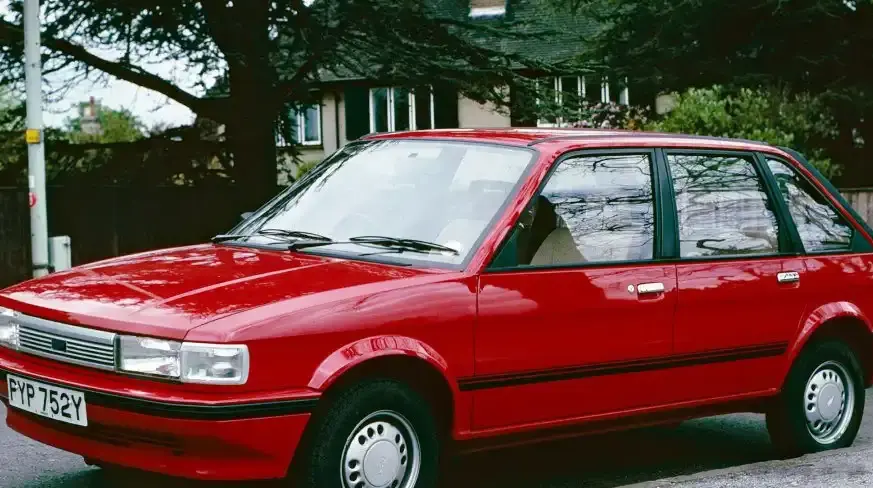
The Austin Maestro 2.0 EFi, produced between 1984 and 1990, represented a significant attempt by British Leyland (later Rover Group) to modernize its small family car offerings. Positioned as a more upmarket and technically advanced alternative to the aging Austin Allegro, the Maestro aimed to compete with rivals like the Ford Escort and Vauxhall Astra. The 2.0 EFi variant, boasting 113 horsepower, was a flagship model within the Maestro range, offering a blend of performance and relative sophistication. It was built on the XC platform, a new design intended to provide improved space and handling compared to its predecessors. The Maestro, despite its innovative features, ultimately faced challenges in the marketplace, struggling to overcome a reputation for variable build quality and fierce competition.
Technical Specifications
| Brand | Austin |
| Model | Maestro |
| Generation | Maestro (XC) |
| Type (Engine) | 2.0 EFi (113 Hp) |
| Start of Production | 1984 |
| End of Production | 1990 |
| Powertrain Architecture | Internal Combustion Engine |
| Body Type | Hatchback |
| Fuel Type | Petrol (Gasoline) |
| Power | 113 Hp |
| Engine Aspiration | Naturally Aspirated |
Powertrain & Engine Architecture
The heart of the Maestro 2.0 EFi was the M-Series engine, a 1,994cc inline-four cylinder unit. This engine was a significant departure from the older, less refined powerplants found in earlier British Leyland vehicles. It featured electronic fuel injection (hence the “EFi” designation), a Bosch L-Jetronic system, which improved fuel efficiency and reduced emissions compared to carbureted engines. The engine utilized a single overhead camshaft (SOHC) design with two valves per cylinder. The cylinder head was made of aluminum alloy, contributing to a relatively lightweight engine. The M-Series engine in the 2.0 EFi configuration produced 113 horsepower at 5,500 rpm and 125 lb-ft of torque at 3,500 rpm. The engine was typically paired with a five-speed manual transmission, although a three-speed automatic transmission was also available, albeit less common. The automatic transmission, a Borg-Warner unit, was known for its smooth operation but contributed to slightly reduced performance and fuel economy.
Driving Characteristics
The Maestro 2.0 EFi offered a noticeable step up in performance compared to the lower-spec models in the range. The 113 horsepower engine provided brisk acceleration, making it a capable performer on both city streets and highways. The five-speed manual transmission allowed drivers to exploit the engine’s powerband effectively, while the automatic version, though less engaging, offered convenience. Handling was generally considered good for a car of its class, with a relatively compliant suspension providing a comfortable ride. However, the Maestro’s steering was sometimes criticized for being vague and lacking in feel. The 2.0 EFi’s weight, approximately 2,400 lbs, was relatively light for a family hatchback of the era, contributing to its agility. Compared to the 1.3L and 1.6L versions, the 2.0 EFi offered significantly more power and torque, resulting in a more confident driving experience, particularly when carrying passengers or luggage. The automatic transmission, while smooth, did diminish acceleration times and increased fuel consumption compared to the manual.
Equipment & Trim Levels
The Maestro 2.0 EFi was typically offered in higher trim levels, such as the ‘HL’ and ‘Vanden Plas’ variants. Standard equipment included central locking, electric front windows, a stereo radio, and upgraded interior trim. The Vanden Plas model, the most luxurious version, featured leather upholstery, wood trim, and additional comfort features. Interior upholstery was typically cloth, although leather was an option on the Vanden Plas. The dashboard layout was modern for its time, with a clear instrument cluster and logically arranged controls. Optional extras included a sunroof, alloy wheels, and a more powerful stereo system. The Maestro also featured a distinctive digital dashboard on some models, displaying information such as speed, fuel level, and temperature. The HL trim offered a good balance of features and affordability, while the Vanden Plas catered to buyers seeking a more premium experience.
Chassis & Braking
The Maestro utilized a front-wheel-drive layout with independent suspension at the front and a twist-beam rear suspension. The front suspension featured MacPherson struts, while the rear suspension was designed to provide a comfortable ride and reasonable handling. Braking was initially provided by disc brakes at the front and drum brakes at the rear. Later models, particularly the Vanden Plas, were often equipped with disc brakes all around, offering improved stopping power. The steering was a rack-and-pinion system, but as mentioned previously, it lacked precision. Stabilizer bars were fitted to both the front and rear axles to reduce body roll during cornering. The Maestro’s chassis was relatively lightweight, contributing to its agility, but it was also prone to corrosion, particularly in areas exposed to salt and moisture.
Market Reception & Comparison
The Austin Maestro 2.0 EFi received mixed reviews from automotive critics. While the engine was praised for its performance and refinement, the car’s overall build quality and reliability were often questioned. Critics noted inconsistencies in panel gaps and interior fit and finish. Compared to the Ford Escort and Vauxhall Astra, the Maestro was often perceived as being less polished and reliable. However, the Maestro offered a spacious interior and a comfortable ride, which were considered strengths. Fuel economy for the 2.0 EFi was reasonable for its time, averaging around 28-32 mpg. The automatic transmission reduced fuel economy to around 25-29 mpg. The 2.0 EFi was more expensive than the lower-spec Maestro models, but it offered a significant performance upgrade. Compared to the 1.3L and 1.6L versions, the 2.0 EFi appealed to drivers who prioritized performance and refinement over fuel economy.
Legacy
The Austin Maestro, despite its shortcomings, remains a significant car in British automotive history. It was one of the last entirely British-designed cars produced by British Leyland/Rover Group. The M-Series engine, while not without its flaws, proved to be a durable and reliable powerplant when properly maintained. Today, the Maestro 2.0 EFi is a relatively rare car, and well-maintained examples are sought after by classic car enthusiasts. Corrosion remains a major issue for surviving examples, and finding parts can be challenging. The automatic transmission versions are particularly uncommon. The Maestro’s innovative features, such as its digital dashboard and spacious interior, have earned it a cult following among those who appreciate its unique character. While it didn’t achieve the commercial success that Rover hoped for, the Maestro represents a bold attempt to modernize British automotive manufacturing and design.
