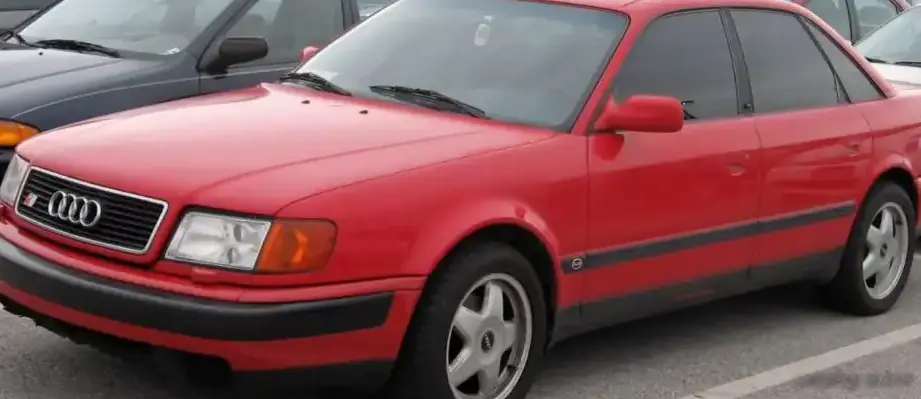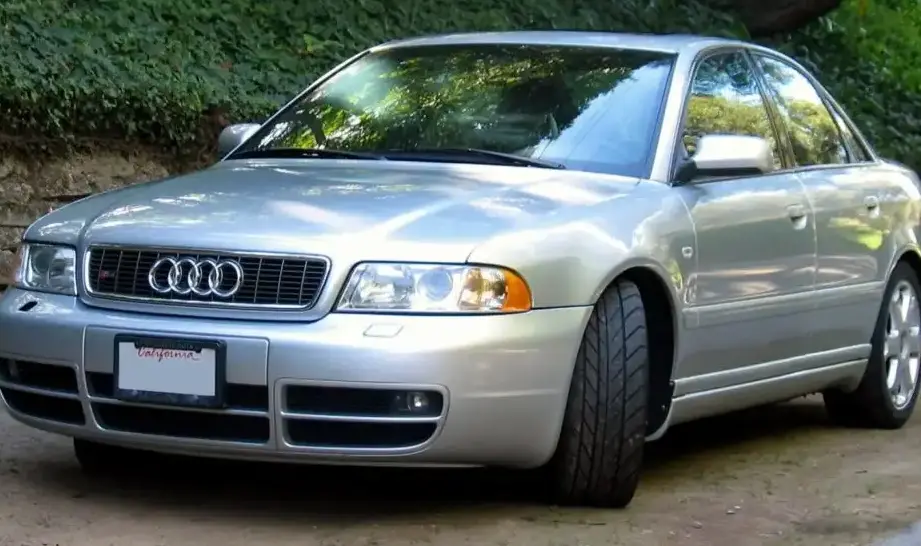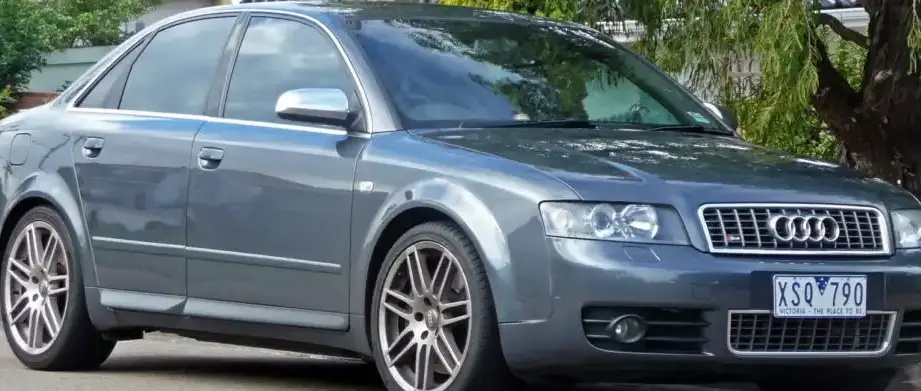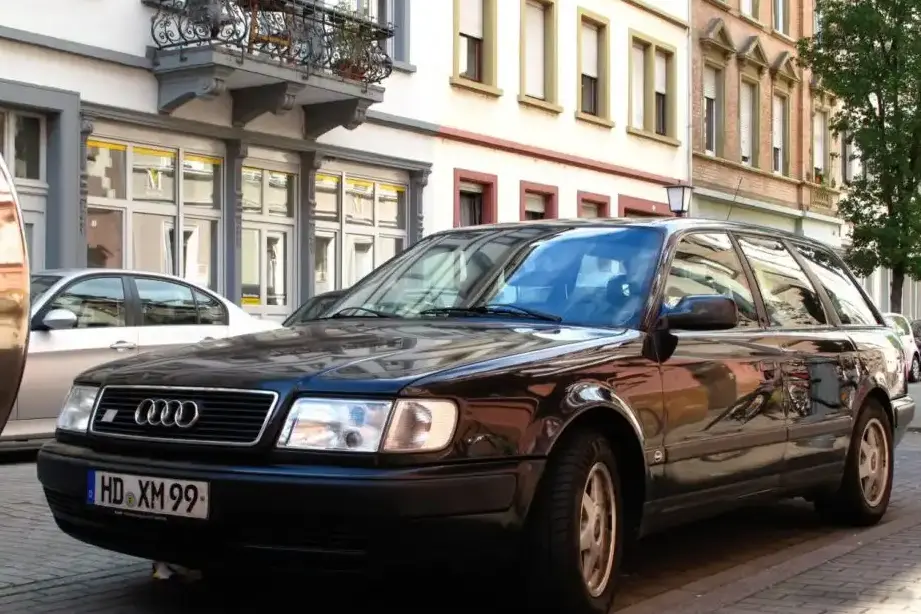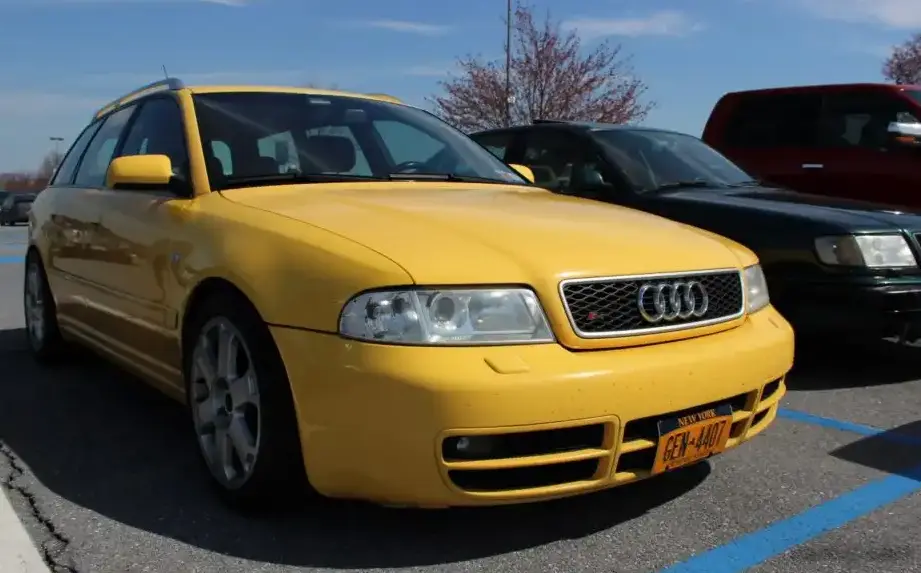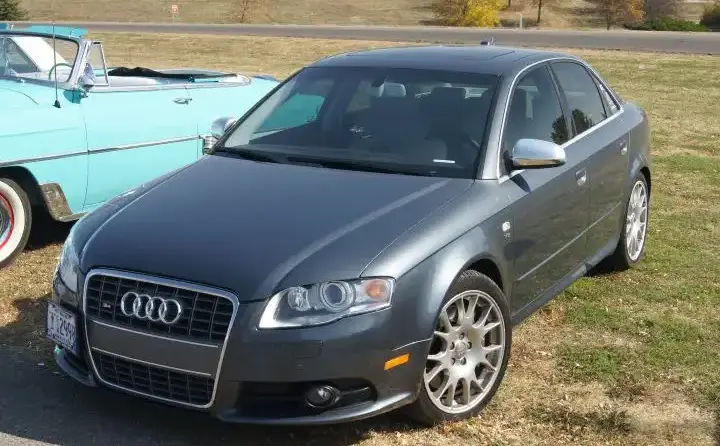
The Audi S4 (B7) 4.2i V8 quattro, produced from August 2004 to June 2008, represents the second generation of Audi’s high-performance S4 model. Positioned as the flagship variant of the B7 generation (which itself was a significant refresh of the 8E platform first introduced in 2002), the 4.2i V8 offered a substantial increase in power and performance compared to the standard A4 models and even the earlier 1.8T S4. It served as a direct competitor to BMW’s E46 M3 and the Mercedes-Benz C32 AMG, aiming to deliver a blend of luxury, performance, and all-weather capability through Audi’s renowned quattro all-wheel-drive system. This model year bridged the gap between the naturally aspirated performance era and the subsequent shift towards forced induction in the S4 lineage.
Technical Specifications
| Brand | Audi |
| Model | S4 |
| Generation | S4 (8E,B7) |
| Type (Engine) | 4.2i V8 (344 Hp) quattro |
| Start of production | August, 2004 |
| End of production | June, 2008 |
| Powertrain Architecture | Internal Combustion engine |
| Body type | Sedan |
| Seats | 5 |
| Doors | 4 |
| Fuel consumption (urban) | 19.5 l/100 km (12.1 US mpg, 14.5 UK mpg, 5.1 km/l) |
| Fuel consumption (extra urban) | 9.8 l/100 km (24 US mpg, 28.8 UK mpg, 10.2 km/l) |
| Fuel consumption (combined) | 13.3 l/100 km (17.7 US mpg, 21.2 UK mpg, 7.5 km/l) |
| CO2 emissions | 321 g/km |
| Fuel Type | Petrol (Gasoline) |
| Acceleration 0 – 100 km/h | 5.6 sec |
| Acceleration 0 – 62 mph | 5.6 sec |
| Acceleration 0 – 60 mph | 5.3 sec |
| Maximum speed | 250 km/h (155.34 mph) |
| Emission standard | Euro 4 |
| Weight-to-power ratio | 4.8 kg/Hp, 207.2 Hp/tonne |
| Weight-to-torque ratio | 4 kg/Nm, 247 Nm/tonne |
| Power | 344 Hp @ 7000 rpm |
| Power per litre | 82.6 Hp/l |
| Torque | 410 Nm @ 3500 rpm (302.4 lb.-ft. @ 3500 rpm) |
| Engine layout | Front, Longitudinal |
| Engine Model/Code | BBK |
| Engine displacement | 4163 cm3 (254.04 cu. in.) |
| Number of cylinders | 8 |
| Engine configuration | V-engine |
| Cylinder Bore | 84.5 mm (3.33 in.) |
| Piston Stroke | 92.8 mm (3.65 in.) |
| Compression ratio | 11:1 |
| Number of valves per cylinder | 5 |
| Fuel injection system | Multi-port manifold injection |
| Engine aspiration | Naturally aspirated engine |
| Valvetrain | DOHC |
| Engine oil capacity | 9 l (9.51 US qt | 7.92 UK qt) |
| Coolant | 12 l (12.68 US qt | 10.56 UK qt) |
| Kerb Weight | 1660 kg (3659.67 lbs.) |
| Max. weight | 2210 kg (4872.22 lbs.) |
| Max load | 550 kg (1212.54 lbs.) |
| Trunk (boot) space – minimum | 460 l (16.24 cu. ft.) |
| Trunk (boot) space – maximum | 833 l (29.42 cu. ft.) |
| Fuel tank capacity | 63 l (16.64 US gal | 13.86 UK gal) |
| Max. roof load | 75 kg (165.35 lbs.) |
| Length | 4586 mm (180.55 in.) |
| Width | 1781 mm (70.12 in.) |
| Height | 1415 mm (55.71 in.) |
| Wheelbase | 2651 mm (104.37 in.) |
| Front track | 1516 mm (59.69 in.) |
| Rear (Back) track | 1512 mm (59.53 in.) |
| Drag coefficient (Cd) | 0.3 |
| Minimum turning circle | 11.5 m (37.73 ft.) |
| Drive wheel | All wheel drive (4×4) |
| Number of gears and type of gearbox | 6 gears, manual transmission |
| Front suspension | Independent multi-link suspension |
| Rear suspension | Independent on trapezoidal lever |
| Front brakes | Ventilated discs |
| Rear brakes | Ventilated discs |
| Assisting systems | ABS (Anti-lock braking system) |
| Steering type | Steering rack and pinion |
| Power steering | Hydraulic Steering |
| Tires size | 235/40 R18 |
| Wheel rims size | 8J x 18 |
Powertrain & Engine Architecture
The heart of the B7 S4 is the 4.2-liter, naturally aspirated V8 engine, designated as the BBK engine code. This engine is a direct descendant of the V8 used in the Audi RS6 (4B) but with modifications to suit the S4’s character. It features a 90-degree V-angle, providing inherent smoothness and balance. The engine utilizes a multi-port fuel injection system, delivering fuel directly into the intake ports, and a double overhead camshaft (DOHC) valvetrain with five valves per cylinder (four intake, one exhaust). This configuration optimizes airflow and contributes to the engine’s high-revving nature. The 4.2L V8 produces 344 horsepower at 7000 rpm and 302 lb-ft of torque at 3500 rpm. The standard transmission for the US market was a six-speed manual, providing precise control and engaging driving experience. While a six-speed Tiptronic automatic transmission was available, it was often criticized for its slower shift times and less direct feel compared to the manual.
Driving Characteristics
The B7 S4 4.2i V8 quattro delivers a distinctly different driving experience compared to its turbocharged 1.8T sibling. The naturally aspirated V8 provides a linear power delivery, building smoothly to its 7000 rpm redline. The manual transmission offers crisp shifts and allows the driver to fully exploit the engine’s power. The quattro all-wheel-drive system provides exceptional grip and stability, particularly in adverse weather conditions. While not as fuel-efficient as the 1.8T, the V8 S4 offers a more visceral and engaging driving experience. The 0-60 mph time of around 5.3 seconds was competitive for its time, but the real appeal lay in the engine’s responsiveness and the confidence inspired by the quattro system. The automatic transmission, while offering convenience, noticeably dulled the performance and responsiveness.
Equipment & Trim Levels
The S4 4.2i V8 quattro came well-equipped as standard. Interior features typically included sport seats upholstered in Milano leather, a three-spoke sport steering wheel, and brushed aluminum interior trim. Standard exterior features included a unique S4 body kit, including front and rear bumpers, side skirts, and a rear spoiler. Optional extras included a premium package with features like a sunroof, Bose sound system, and navigation system. Recaro sport seats were also available as an option, providing even greater support and bolstering. The overall interior ambiance was one of understated luxury and sporty refinement.
Chassis & Braking
The B7 S4 featured a sport-tuned suspension compared to the standard A4. The front suspension utilized independent multi-link technology, while the rear suspension employed an independent trapezoidal link setup. Both systems were designed to minimize body roll and maximize handling precision. Brakes consisted of ventilated discs on all four wheels, providing ample stopping power. The ABS (Anti-lock Braking System) was standard, enhancing safety and control. The S4 also featured a hydraulic power steering system, offering precise and responsive steering feel.
Market Reception & Comparison
The B7 S4 4.2i V8 quattro was generally well-received by automotive critics. It was praised for its powerful engine, engaging driving dynamics, and all-weather capability. However, its fuel economy was often criticized, and the Tiptronic automatic transmission was seen as a less desirable option compared to the manual. Compared to the 1.8T S4, the V8 offered significantly more power and a more refined driving experience, but at a higher price point and with increased running costs. The V8 S4 also positioned itself as a direct competitor to the BMW M3, offering a different character – more focused on all-weather usability and a smoother power delivery than the M3’s sharper, more track-focused approach.
Legacy
The B7 S4 4.2i V8 quattro has developed a loyal following among enthusiasts. The BBK V8 engine is known for its reliability, although regular maintenance is crucial. Timing chain tensioners are a common point of failure and should be proactively addressed. The quattro all-wheel-drive system remains highly regarded for its durability and effectiveness. Today, well-maintained examples of the B7 S4 4.2i V8 quattro are sought after by collectors and enthusiasts who appreciate its unique blend of performance, luxury, and all-weather capability. The model represents a high point in Audi’s naturally aspirated performance era and remains a compelling alternative to its turbocharged successors.