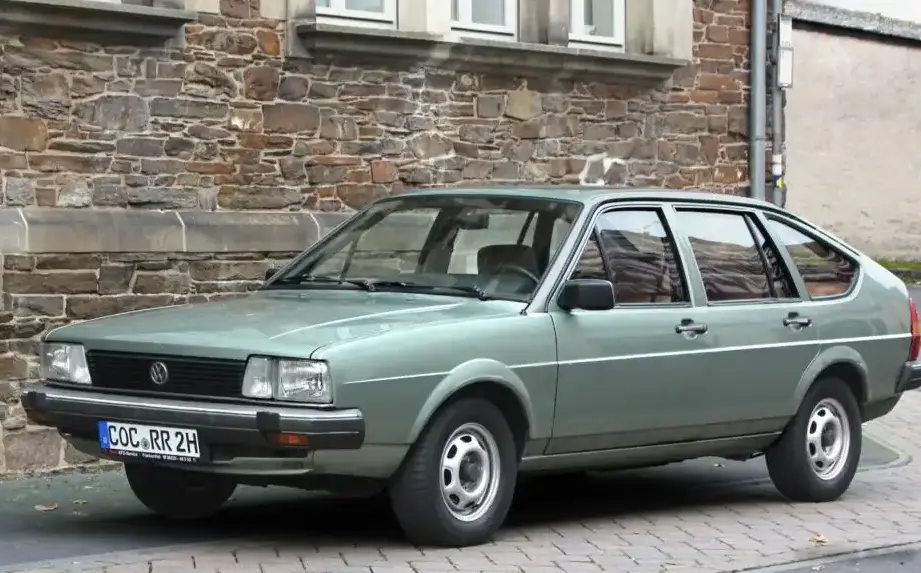
The Volkswagen Passat B2, produced between 1980 and 1988, represented a significant evolution for Volkswagen’s mid-size offering. The 2.2-liter (136 hp) variant, available from 1985 to 1988, occupied a middle ground in the B2 Passat lineup, offering a balance between performance and affordability. This model, designated with engine codes KV and HY, was primarily aimed at buyers seeking a comfortable and spacious family car with adequate power for highway cruising. It was a popular choice in European markets, where fuel economy and practicality were highly valued, and also saw moderate sales in North America.
Technical Specifications
| Brand | Volkswagen |
| Model | Passat |
| Generation | Passat (B2) |
| Engine Type | 2.2 (136 Hp) |
| Production Years | 1985 – 1988 |
| Powertrain Architecture | Internal Combustion Engine |
| Body Type | Hatchback |
| Seats | 5 |
| Doors | 5 |
| Fuel Type | Petrol (Gasoline) |
| Power | 136 Hp |
| Engine Model/Code | KV, HY |
| Engine Aspiration | Naturally Aspirated |
| Engine Oil Capacity | 3.5 l (3.7 US qt | 3.08 UK qt) |
| Coolant Capacity | 8 l (8.45 US qt | 7.04 UK qt) |
| Trunk (Boot) Space – Minimum | 480 l (16.95 cu. ft.) |
| Trunk (Boot) Space – Maximum | 1542 l (54.46 cu. ft.) |
| Fuel Tank Capacity | 70 l (18.49 US gal | 15.4 UK gal) |
| Length | 4435 mm (174.61 in.) |
| Width | 1685 mm (66.34 in.) |
| Height | 1385 mm (54.53 in.) |
| Wheelbase | 2550 mm (100.39 in.) |
Powertrain & Engine Architecture
The 2.2-liter engine, identified by the KV and HY codes, was a four-cylinder, inline engine featuring a cast iron block and an aluminum cylinder head. It utilized a Bosch K-Jetronic fuel injection system, a mechanical system known for its reliability and relatively precise fuel delivery. The engine employed a single overhead camshaft (SOHC) valvetrain with two valves per cylinder. While not a particularly high-revving engine, it produced a respectable 136 horsepower and approximately 138 lb-ft of torque. This power output was considered adequate for the B2 Passat’s weight, providing reasonable acceleration and highway performance. The engine was paired with a four-speed automatic transmission, which was a popular choice for buyers prioritizing ease of use over outright performance. The automatic transmission, while smooth in operation, did contribute to slightly slower acceleration times compared to the available five-speed manual.
Driving Characteristics
The 2.2-liter automatic Passat offered a comfortable and predictable driving experience. The automatic transmission, while not offering the responsiveness of a manual, provided smooth gear changes and made the car easy to drive in city traffic. Acceleration was adequate, but not particularly brisk. The gear ratios were tuned for fuel efficiency and cruising comfort rather than sporty performance. Compared to the smaller 1.8-liter engine options, the 2.2-liter provided noticeably more power, especially when fully loaded with passengers and luggage. However, it lacked the punch of the more expensive and performance-oriented GTI models or those equipped with the VR6 engine (introduced later in the B2 lifecycle). Steering was relatively light and precise, and the suspension provided a comfortable ride, absorbing bumps and imperfections in the road surface effectively.
Equipment & Trim Levels
The 2.2-liter Passat typically came equipped with a reasonable level of standard features. Interior upholstery was usually cloth, with options for upgraded velour or leather available at extra cost. The dashboard featured a straightforward layout with analog gauges for speed, fuel level, coolant temperature, and clock. Power steering was standard, and air conditioning was a common option. Other available extras included a sunroof, upgraded audio systems, and central locking. The trim level of the 2.2-liter Passat generally fell in the mid-range of the B2 lineup, offering more features than the base models but lacking the luxury appointments of the higher-end trims.
Chassis & Braking
The B2 Passat utilized a MacPherson strut front suspension and a semi-independent torsion beam rear suspension. This setup provided a good balance between ride comfort and handling. Braking systems varied depending on the market and specific trim level. Most 2.2-liter models were equipped with disc brakes on the front wheels and drum brakes on the rear. Higher-spec models sometimes featured disc brakes all around. Stabilizer bars were fitted to both the front and rear axles to reduce body roll during cornering. The chassis was relatively lightweight, contributing to the car’s overall agility and fuel efficiency.
Market Reception & Comparison
The 2.2-liter Passat B2 was generally well-received by automotive critics. It was praised for its spacious interior, comfortable ride, and reliable engine. However, some critics noted that the automatic transmission could feel sluggish at times, and the car lacked the sporty character of some of its competitors. Compared to the 1.8-liter models, the 2.2-liter offered a noticeable performance improvement, but at a slightly higher price point. Fuel economy was comparable to other cars in its class, although the automatic transmission did reduce fuel efficiency compared to the manual gearbox. The 2.2-liter engine proved to be quite durable, and well-maintained examples could provide many years of reliable service.
Legacy
The Volkswagen Passat B2 2.2-liter (136 hp) remains a popular choice among classic car enthusiasts today. Its simple mechanical design and readily available parts make it relatively easy to maintain and repair. The KV and HY engines are known for their longevity, and many examples are still on the road. While not a particularly rare or valuable model, well-preserved examples in good condition can command a reasonable price in the used car market. The B2 Passat, and specifically this 2.2-liter variant, represents a significant chapter in Volkswagen’s history, showcasing the brand’s commitment to building practical, comfortable, and reliable family cars. It’s a testament to the B2’s enduring appeal that so many examples continue to be enjoyed by enthusiasts and everyday drivers alike.