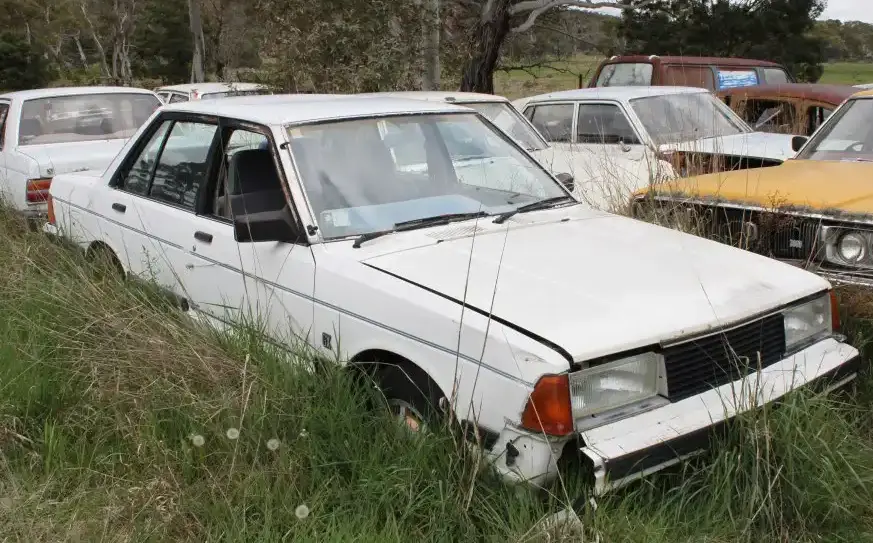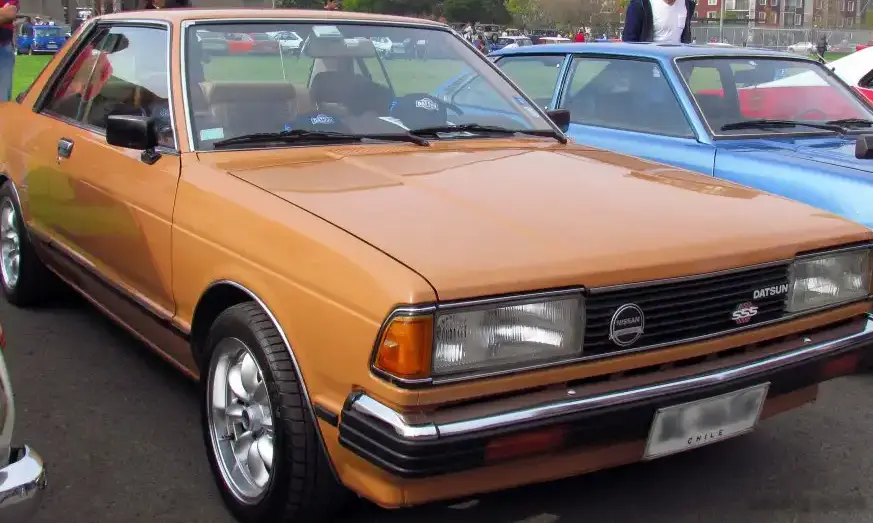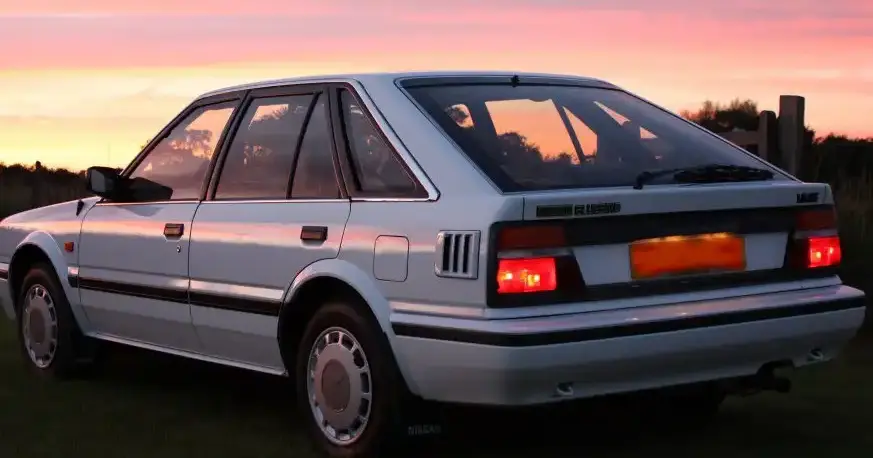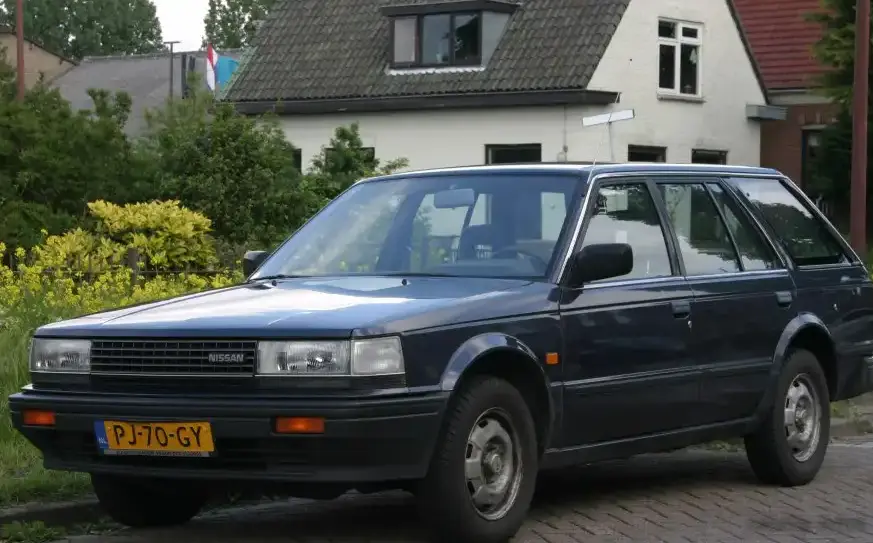
The Nissan Bluebird Station Wagon (WU11) 2.0, produced between 1986 and 1987, represented a practical and family-oriented offering within Nissan’s Bluebird lineup. Part of the broader WU11 series, which spanned from 1983 to 1987, this station wagon variant aimed to provide comfortable and reliable transportation for families in markets where larger, more utilitarian vehicles weren’t preferred. The 2.0-liter, 102 horsepower engine and front-wheel-drive configuration positioned it as a mid-range option, offering a balance between fuel economy and usable power. It was primarily sold in Japan, Australia, and select European markets, competing with similar estate cars from Toyota, Honda, and Ford.
Technical Specifications
| Brand | Nissan |
| Model | Bluebird |
| Generation | Bluebird Station Wagon (WU11) |
| Type (Engine) | 2.0 (102 Hp) |
| Start of production | 1986 |
| End of production | 1987 |
| Powertrain Architecture | Internal Combustion Engine |
| Body type | Station wagon (estate) |
| Seats | 5 |
| Doors | 5 |
| Fuel Type | Petrol (Gasoline) |
| Power | 102 Hp |
| Engine aspiration | Naturally aspirated engine |
| Drivetrain | Front wheel drive |
Powertrain & Engine Architecture
The WU11 Bluebird 2.0 utilized Nissan’s Z20 engine, a 1988cc (2.0-liter) inline-four cylinder gasoline engine. This engine was a naturally aspirated design, meaning it did not employ a turbocharger or supercharger. The Z20 featured a single overhead camshaft (SOHC) valvetrain, operating two valves per cylinder. Fuel delivery was managed by a carburetor, a common feature for vehicles of this era, though some later iterations saw the introduction of electronic fuel injection. The engine produced 102 horsepower at approximately 5,600 rpm and 138 lb-ft of torque at 3,200 rpm. The transmission paired with this engine was typically a four-speed automatic, although a five-speed manual transmission was also available in some markets. The automatic transmission was designed for smooth, comfortable shifts, prioritizing ease of use over outright performance. The engine block was constructed from cast iron, providing durability, while the cylinder head was made of aluminum alloy to reduce weight.
Driving Characteristics
The 102 hp Z20 engine in the WU11 Bluebird Station Wagon provided adequate, but not exhilarating, performance. Acceleration was modest, with a 0-60 mph time estimated to be around 12-14 seconds. The four-speed automatic transmission contributed to this, with relatively wide gear ratios geared towards fuel efficiency rather than rapid acceleration. In real-world driving, the car felt most comfortable at highway speeds, where the engine could operate efficiently. Compared to the manual transmission versions, the automatic offered a smoother driving experience, particularly in city traffic, but at the expense of responsiveness. The front-wheel-drive layout provided predictable handling, although it wasn’t particularly sporty. The suspension, tuned for comfort, absorbed bumps reasonably well, making it a suitable vehicle for long journeys. The automatic transmission, while convenient, did exhibit some typical characteristics of older automatic designs, such as a slight delay in downshifting and a tendency to “hunt” for gears on inclines.
Equipment & Trim Levels
The WU11 Bluebird Station Wagon 2.0 typically came equipped with a reasonable level of standard features for its time. Interior upholstery was generally cloth, available in a variety of colors. The dashboard layout was functional and straightforward, with analog gauges for speed, fuel level, coolant temperature, and a clock. Power steering was a common feature, making maneuvering easier, especially at low speeds. Other standard equipment often included a radio (typically AM/FM), a heater, and ventilation system. Optional extras could include air conditioning, upgraded sound systems, power windows, and central locking. Trim levels varied depending on the market, but generally, the 2.0-liter model represented a mid-range offering, positioned above the base models with smaller engines and fewer features, but below any potential luxury or performance-oriented trims. The station wagon body style itself added practicality with a large cargo area, making it ideal for families and those needing to transport larger items.
Chassis & Braking
The WU11 Bluebird Station Wagon utilized a conventional front-wheel-drive chassis. The front suspension consisted of MacPherson struts, while the rear suspension employed a twist-beam axle. This setup prioritized ride comfort and simplicity. Steering was rack-and-pinion, providing reasonable precision. Braking was typically accomplished with disc brakes on the front wheels and drum brakes on the rear wheels. This configuration was common for vehicles in this class during the 1980s. Anti-lock braking systems (ABS) were not widely available on this model, even as an option. Stabilizer bars (anti-roll bars) were fitted to both the front and rear axles to reduce body roll during cornering, improving handling stability. The chassis was designed to provide a balance between rigidity and weight, contributing to the car’s overall comfort and handling characteristics.
Market Reception & Comparison
The Nissan Bluebird Station Wagon 2.0 received generally positive reviews for its practicality, reliability, and comfortable ride. Critics praised its spacious interior and large cargo area, making it a suitable vehicle for families. However, its performance was often described as adequate rather than exciting. Compared to other trims in the Bluebird lineup, the 2.0-liter model offered a noticeable improvement in performance over the smaller 1.6-liter and 1.8-liter engines. Fuel economy was respectable for the time, averaging around 25-30 mpg in mixed driving conditions. Reliability was a strong point, with the Z20 engine proving to be durable and relatively trouble-free. Compared to competitors like the Toyota Corolla Wagon and Honda Civic Wagon, the Bluebird offered a similar level of practicality and reliability, with a slightly more comfortable ride. However, some competitors offered more advanced features or a sportier driving experience.
Legacy
The WU11 Bluebird Station Wagon 2.0, while not a particularly iconic or collectible vehicle, holds a place in automotive history as a representative of the practical and reliable family cars of the 1980s. The Z20 engine, while not known for its high performance, proved to be a durable and long-lasting powerplant. In the used car market today, these vehicles are relatively rare and typically found in well-maintained condition. Parts availability can be a challenge, but many components are still available through specialist suppliers or cross-referenced with other Nissan models. The WU11 Bluebird Station Wagon 2.0 is remembered fondly by those who owned and drove them for its comfortable ride, spacious interior, and overall reliability, representing a solid and dependable choice for families during its production run.