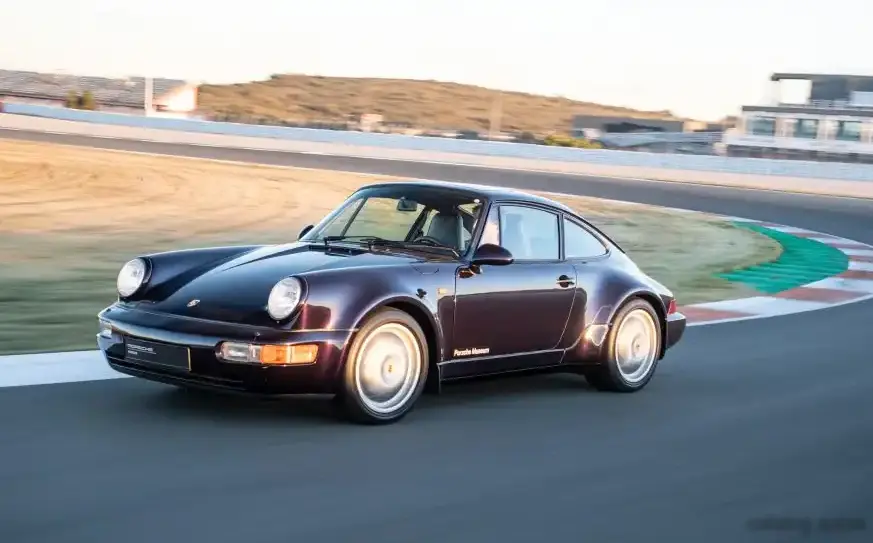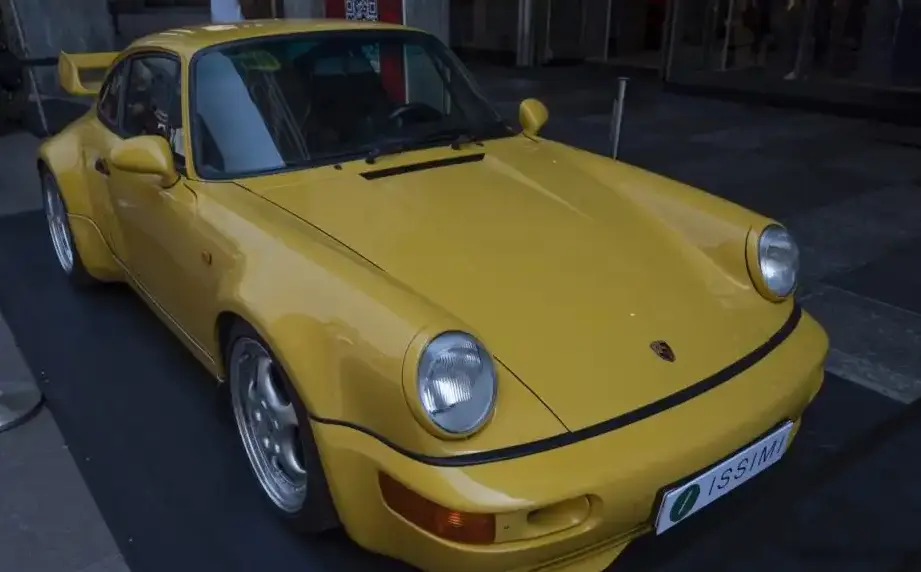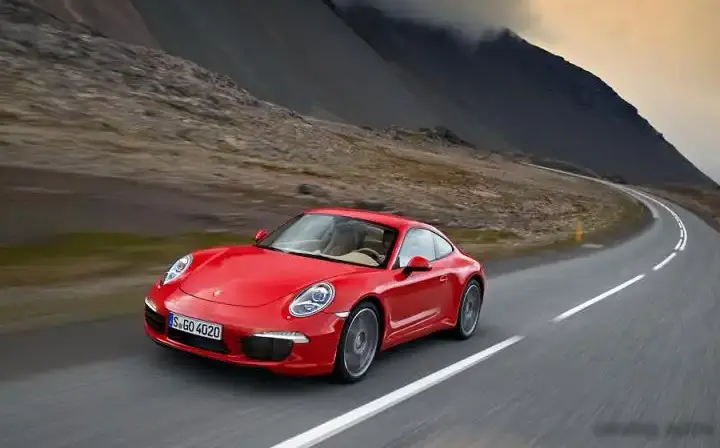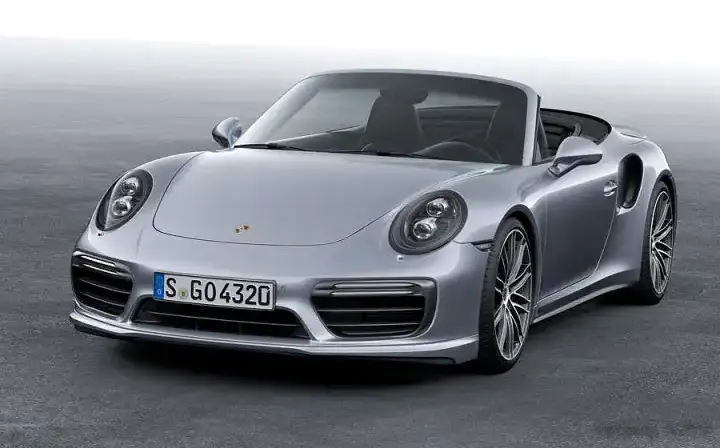
The Porsche 911 Cabriolet (991 II) Carrera 4 GTS 3.0, produced from 2017 to 2018, represents a compelling blend of performance, luxury, and open-air driving enjoyment within the broader 991.2 generation of the iconic 911. Positioned as a high-performance variant within the Carrera 4 range, the GTS model bridged the gap between the standard Carrera 4 and the more track-focused 911 Turbo models. It was designed to offer a more engaging driving experience without sacrificing the everyday usability expected of a 911. The 991.2 generation itself brought significant updates over the initial 991, including a switch to smaller, turbocharged engines across the Carrera range, improved aerodynamics, and a revised interior featuring Porsche’s Communication Management (PCM) system.
Technical Specifications
| Brand | Porsche |
| Model | 911 |
| Generation | 911 Cabriolet (991 II) |
| Type (Engine) | Carrera 4 GTS 3.0 (450 Hp) PDK |
| Start of production | 2017 |
| End of production | 2018 |
| Powertrain Architecture | Internal Combustion engine |
| Body type | Cabriolet |
| Seats | 4 |
| Doors | 2 |
| Fuel consumption (economy) – urban | 11.2 l/100 km (21 US mpg, 25.2 UK mpg, 8.9 km/l) |
| Fuel consumption (economy) – extra urban | 7.3 l/100 km (32.2 US mpg, 38.7 UK mpg, 13.7 km/l) |
| Fuel consumption (economy) – combined | 8.7 l/100 km (27 US mpg, 32.5 UK mpg, 11.5 km/l) |
| CO2 emissions | 196 g/km |
| Fuel Type | Petrol (Gasoline) |
| Acceleration 0 – 100 km/h | 3.7 sec |
| Acceleration 0 – 62 mph | 3.7 sec |
| Acceleration 0 – 60 mph | 3.5 sec |
| Acceleration 0 – 200 km/h | 13.2 sec |
| Maximum speed | 306 km/h (190.14 mph) |
| Emission standard | Euro 6 |
| Weight-to-power ratio | 3.5 kg/Hp, 283.9 Hp/tonne |
| Weight-to-torque ratio | 2.9 kg/Nm, 347 Nm/tonne |
| Power | 450 Hp @ 6500 rpm |
| Power per litre | 151 Hp/l |
| Torque | 550 Nm @ 2150-5000 rpm (405.66 lb.-ft. @ 2150-5000 rpm) |
| Maximum engine speed | 7500 rpm |
| Engine layout | Rear, Longitudinal |
| Engine Model/Code | MDC.JA |
| Engine displacement | 2981 cm3 (181.91 cu. in.) |
| Number of cylinders | 6 |
| Engine configuration | Boxer |
| Cylinder Bore | 91 mm (3.58 in.) |
| Piston Stroke | 76.4 mm (3.01 in.) |
| Compression ratio | 10:1 |
| Number of valves per cylinder | 4 |
| Fuel injection system | Direct injection |
| Engine aspiration | BiTurbo, Intercooler |
| Engine oil capacity | 8 l (8.45 US qt | 7.04 UK qt) |
| Kerb Weight | 1585 kg (3494.33 lbs.) |
| Max. weight | 2015 kg (4442.31 lbs.) |
| Max load | 430 kg (947.99 lbs.) |
| Trunk (boot) space – maximum | 285 l (10.06 cu. ft.) |
| Fuel tank capacity | 67 l (17.7 US gal | 14.74 UK gal) |
| Length | 4528 mm (178.27 in.) |
| Width | 1852 mm (72.91 in.) |
| Width including mirrors | 1978 mm (77.87 in.) |
| Height | 1293 mm (50.91 in.) |
| Wheelbase | 2450 mm (96.46 in.) |
| Front track | 1539 mm (60.59 in.) |
| Rear (Back) track | 1544 mm (60.79 in.) |
| Drag coefficient (Cd) | 0.32 |
| Minimum turning circle | 11.1 m (36.42 ft.) |
| Drive wheel | All wheel drive (4×4) |
| Number of gears and type of gearbox | 7 gears, automatic transmission PDK |
| Front suspension | Independent type McPherson |
| Rear suspension | Independent multi-link suspension |
| Front brakes | Ventilated discs |
| Rear brakes | Ventilated discs |
| Assisting systems | ABS (Anti-lock braking system) |
| Steering type | Steering rack and pinion |
| Power steering | Electric Steering |
| Tires size | 245/35 ZR 20; 305/30 ZR 20 |
| Wheel rims size | 9J x 20; 12J x 20 |
Powertrain & Engine Architecture
The heart of the 911 Carrera 4 GTS is the 3.0-liter twin-turbocharged flat-six engine, designated as the MDC.JA. This engine represents a significant departure from the naturally aspirated engines of previous 911 generations. The use of turbocharging allowed Porsche to maintain and even increase power output while improving fuel efficiency and reducing emissions. The engine utilizes direct fuel injection, ensuring precise fuel delivery for optimal combustion. The valvetrain features four valves per cylinder, contributing to the engine’s high-revving nature. The PDK (Porsche Doppelkupplung) 7-speed dual-clutch transmission is standard, offering incredibly fast and smooth gear changes. This transmission is known for its responsiveness and ability to seamlessly shift gears during both spirited driving and everyday commuting. The engine produces 450 horsepower at 6500 rpm and 550 Nm (405.66 lb-ft) of torque between 2150 and 5000 rpm, providing a broad and accessible powerband.
Driving Characteristics
The 911 Carrera 4 GTS with the PDK transmission delivers a remarkably engaging driving experience. The all-wheel-drive system provides excellent traction, particularly in adverse weather conditions, and enhances cornering stability. The PDK transmission allows for both fully automatic operation and manual gear selection via steering wheel-mounted paddles. In automatic mode, the transmission intelligently selects the optimal gear for the driving situation. In manual mode, the driver has complete control over gear changes, allowing for precise and responsive shifts. Compared to the standard Carrera 4, the GTS benefits from a more aggressive engine tune and a sportier suspension setup, resulting in sharper handling and a more connected feel. While not as raw or visceral as a 911 GT3, the GTS offers a compelling balance between performance and comfort. The power delivery is linear and predictable, making it easy to modulate the throttle and maintain control.
Equipment & Trim Levels
The Carrera 4 GTS came standard with a generous array of features, including a sport exhaust system, Porsche Active Suspension Management (PASM), and a sport steering wheel. Interior appointments included leather upholstery, heated front seats, and a premium audio system. Optional extras were plentiful, allowing buyers to personalize their 911 to their exact specifications. Popular options included adaptive cruise control, lane keep assist, and a Burmester high-end sound system. The GTS also featured unique styling cues, such as darkened exterior trim, black wheels, and interior accents. The standard interior color options were typically black or a combination of black and dark grey, with extended leather options available.
Chassis & Braking
The 991.2 Carrera 4 GTS utilizes an independent suspension system with McPherson struts at the front and a multi-link setup at the rear. The PASM system allows the driver to adjust the suspension stiffness, providing a more comfortable ride in normal driving conditions and a firmer, more controlled feel during spirited driving. Braking duties are handled by ventilated discs on all four wheels, providing ample stopping power. The GTS also features Porsche Stability Management (PSM), an electronic stability control system that helps to maintain control in challenging driving situations. The all-wheel-drive system distributes power between the front and rear axles as needed, optimizing traction and stability.
Market Reception & Comparison
The 911 Carrera 4 GTS was widely praised by automotive critics for its exceptional performance, refined handling, and luxurious interior. It was often lauded as the sweet spot in the 911 lineup, offering a compelling blend of performance and usability. Compared to the standard Carrera 4, the GTS provided a noticeable increase in performance and a more engaging driving experience. Compared to the more expensive 911 Turbo models, the GTS offered a similar level of performance at a lower price point. Fuel economy was respectable for a high-performance sports car, with combined fuel consumption of around 27 US mpg. Reliability has generally been good, although routine maintenance can be expensive due to the complexity of the engine and drivetrain.
Legacy
The 991.2 Carrera 4 GTS has established itself as a highly desirable and collectible 911 variant. The twin-turbocharged engine, while initially controversial among some purists, has proven to be reliable and capable. The PDK transmission continues to be highly regarded for its performance and smoothness. On the used car market, well-maintained examples of the 991.2 Carrera 4 GTS command premium prices, reflecting their performance, desirability, and the enduring appeal of the Porsche 911. The combination of all-wheel drive, a powerful engine, and a luxurious interior makes it a compelling choice for enthusiasts seeking a high-performance sports car that can be enjoyed both on the road and on the track.