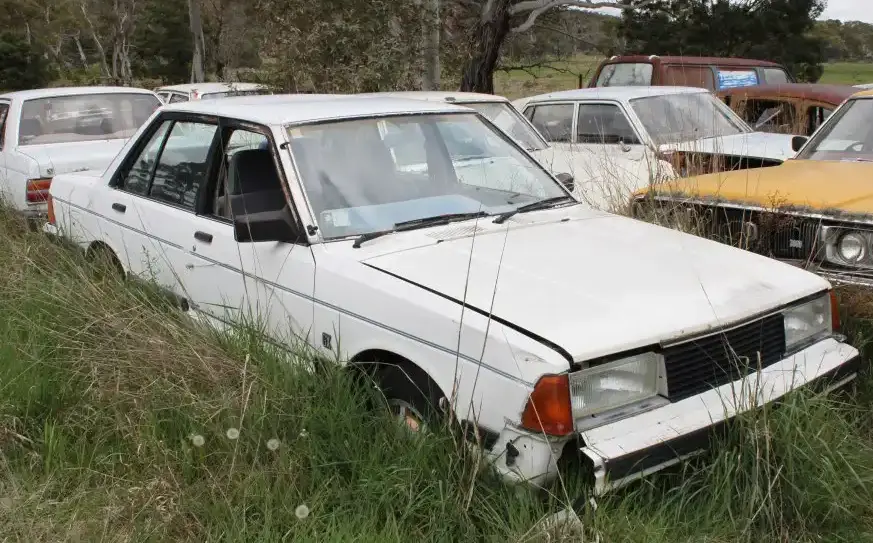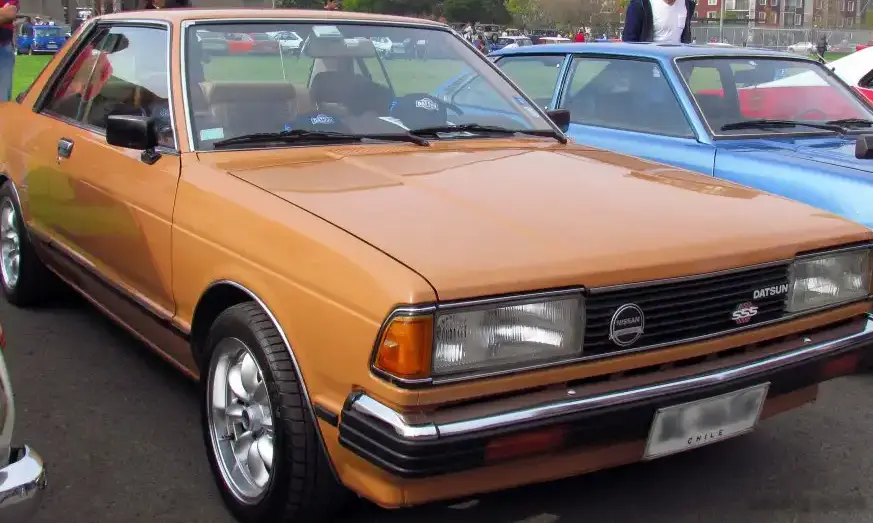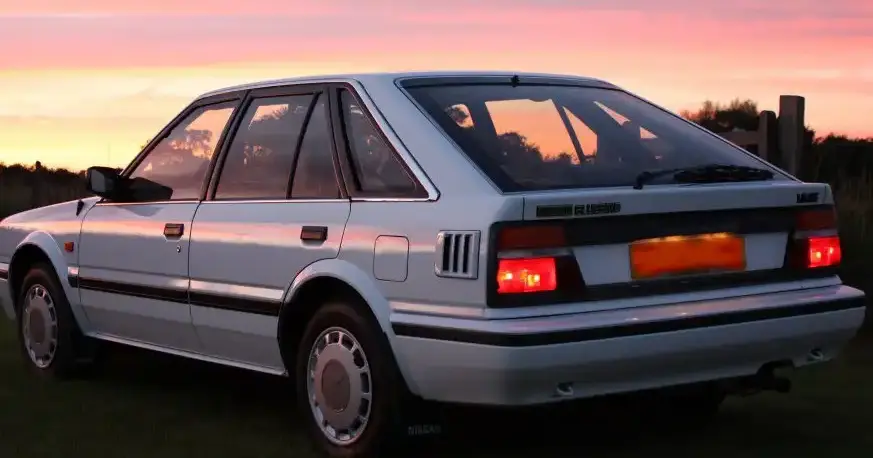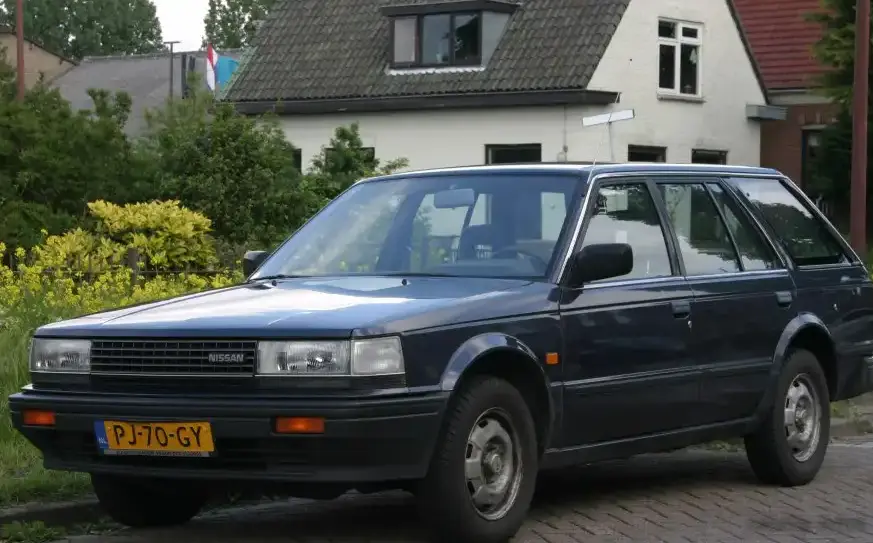
The Nissan Bluebird Station Wagon (WU11) 2.0 D, produced between 1986 and 1990, represented a practical and economical offering within the broader Bluebird range. The WU11 series, launched in 1987, was Nissan’s entry into the competitive mid-size station wagon segment, primarily aimed at the Japanese domestic market (JDM) and select export markets. This 2.0-liter diesel variant, delivering 67 horsepower, occupied the lower end of the Bluebird wagon lineup, prioritizing fuel efficiency and affordability over outright performance. It served as a workhorse vehicle for families and businesses needing a spacious and reliable transport solution.
Technical Specifications
| Brand | Nissan |
| Model | Bluebird |
| Generation | Bluebird Station Wagon (WU11) |
| Type (Engine) | 2.0 D (67 Hp) |
| Start of Production | 1986 |
| End of Production | 1990 |
| Powertrain Architecture | Internal Combustion Engine |
| Body Type | Station Wagon (Estate) |
| Seats | 5 |
| Doors | 5 |
| Fuel Type | Diesel |
| Power | 67 Hp |
| Engine Aspiration | Naturally Aspirated |
| Drivetrain | Front Wheel Drive |
Powertrain & Engine Architecture
The WU11 2.0 D Bluebird Station Wagon was powered by Nissan’s naturally aspirated 2.0-liter diesel engine, typically identified by engine code LD20. This engine was a robust, indirect injection diesel, designed for durability and fuel economy rather than high output. The LD20 featured a cast iron block and head, contributing to its longevity. The indirect injection system, common for diesels of this era, utilized a pre-chamber combustion system to improve cold starting and reduce engine noise compared to direct injection designs. While specific details varied slightly depending on the year and market, the LD20 generally employed a Bosch rotary injection pump. The engine’s valvetrain consisted of a single overhead camshaft (SOHC) operating two valves per cylinder. The transmission paired with the LD20 was typically a four-speed automatic, chosen to enhance ease of driving and appeal to a broader customer base. Manual transmission options were available in other Bluebird variants, but the automatic was a common choice for the diesel-powered wagon.
Driving Characteristics
The 67 horsepower output of the LD20 diesel engine in the WU11 Bluebird Station Wagon resulted in modest, but adequate, performance. Acceleration was not a strong point, and the vehicle was geared towards relaxed cruising and hauling loads. The four-speed automatic transmission, while providing smooth shifts, further emphasized the engine’s torque-focused nature over rapid acceleration. Gear ratios were optimized for fuel efficiency and maintaining momentum on inclines. Compared to the gasoline-powered Bluebird wagons, the 2.0 D offered significantly more torque at lower engine speeds, making it well-suited for carrying passengers and cargo. However, it lacked the responsiveness and higher top speed of its petrol counterparts. The diesel’s heavier engine also impacted handling, resulting in a slightly more pronounced front-end weight bias. Overall, the driving experience was characterized by practicality and dependability, rather than sporty dynamics.
Equipment & Trim Levels
The 2.0 D Bluebird Station Wagon typically represented a mid-range trim level within the WU11 lineup. Standard equipment generally included cloth upholstery, a basic AM/FM radio, and manual windows and door locks. Air conditioning was often an optional extra, as were power windows and central locking. Interior trim was functional and durable, prioritizing practicality over luxury. The dashboard layout was straightforward, with clearly labeled controls. Higher trim levels, available with gasoline engines, offered features such as upgraded audio systems, power seats, and more refined interior materials. The station wagon body style itself offered a significant amount of cargo space, making it a popular choice for families. Exterior features typically included steel wheels with hubcaps, and relatively simple body cladding.
Chassis & Braking
The WU11 Bluebird Station Wagon utilized a conventional front-engine, front-wheel-drive layout. The suspension consisted of MacPherson struts at the front and a twist-beam rear axle. This setup provided a comfortable ride, although it wasn’t particularly sporty. Stabilizer bars were typically fitted to both the front and rear axles to reduce body roll. Braking was accomplished via disc brakes at the front and drum brakes at the rear. This configuration was common for vehicles in this price range during the late 1980s. Steering was rack-and-pinion, providing reasonably precise control. The chassis was designed to prioritize durability and load-carrying capacity, reflecting the vehicle’s intended role as a practical family wagon. The weight distribution, influenced by the diesel engine, contributed to a slightly understeer-biased handling characteristic.
Market Reception & Comparison
The Nissan Bluebird Station Wagon 2.0 D was generally well-received in its target markets as a reliable and economical family vehicle. Critics praised its spacious interior, fuel efficiency, and durable diesel engine. However, its modest performance and relatively basic interior appointments were often noted. Compared to other station wagons of the era, such as the Toyota Corolla Wagon or the Mazda Familia Wagon, the Bluebird offered a competitive combination of features and price. The diesel engine provided superior fuel economy compared to the gasoline alternatives, making it an attractive option for drivers covering long distances. However, the diesel’s higher initial cost and slightly noisier operation were potential drawbacks. Within the Bluebird lineup, the 2.0 D appealed to buyers prioritizing practicality and economy over performance, while the gasoline-powered models catered to those seeking a more engaging driving experience.
Legacy
The LD20 diesel engine, found in the WU11 Bluebird Station Wagon, proved to be a remarkably durable and reliable powerplant. Many examples remain on the road today, testament to its robust construction. While not known for its high performance, the LD20 is respected for its longevity and relatively low maintenance requirements. In the used car market, the WU11 Bluebird Station Wagon 2.0 D is often sought after by those looking for a simple, affordable, and dependable vehicle. Parts availability can be a challenge in some regions, but the engine’s simplicity makes it relatively easy to repair. The WU11 Bluebird, and particularly the diesel wagon variant, represents a significant example of Japanese automotive engineering focused on practicality, fuel efficiency, and long-term reliability. It remains a fondly remembered vehicle for many who experienced its dependable service during its production run.