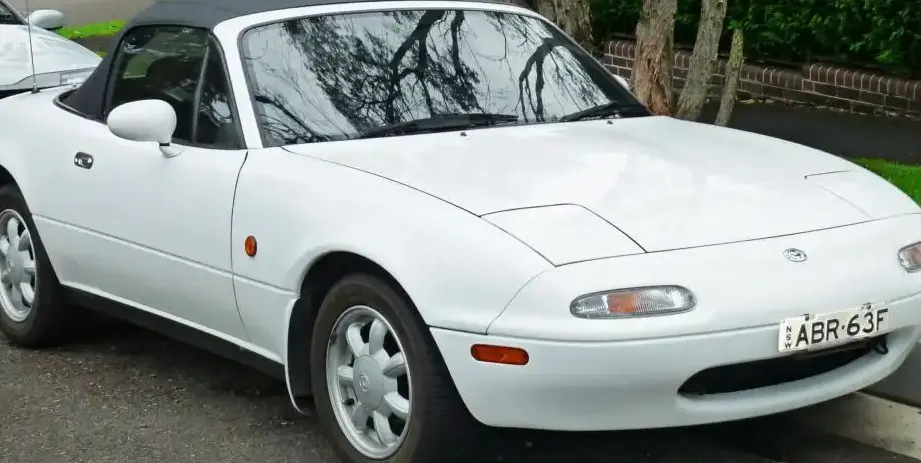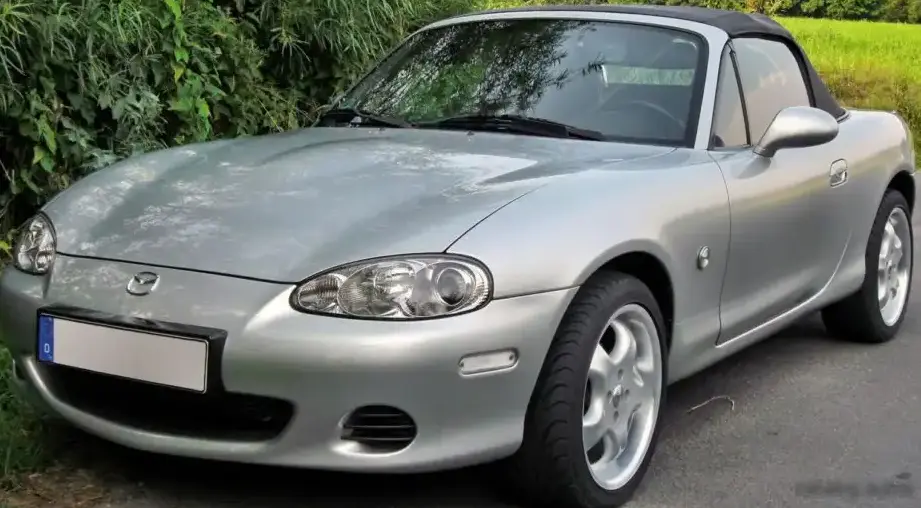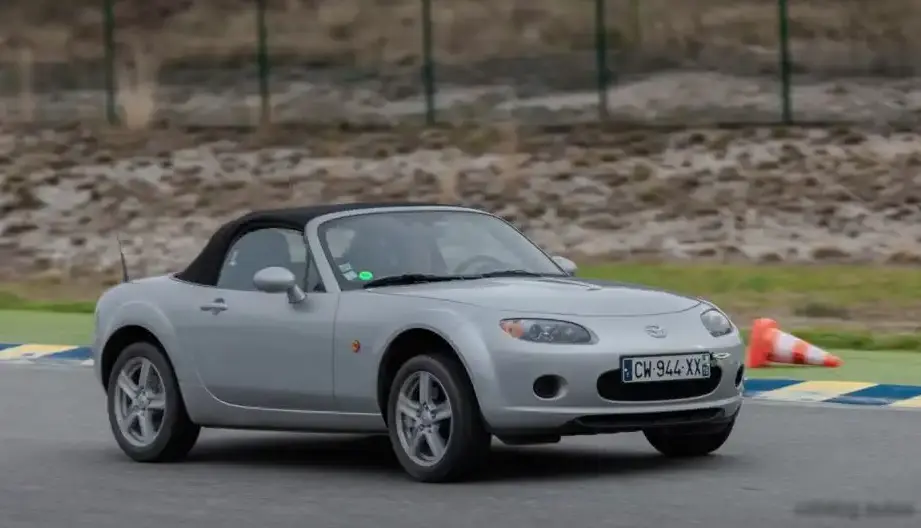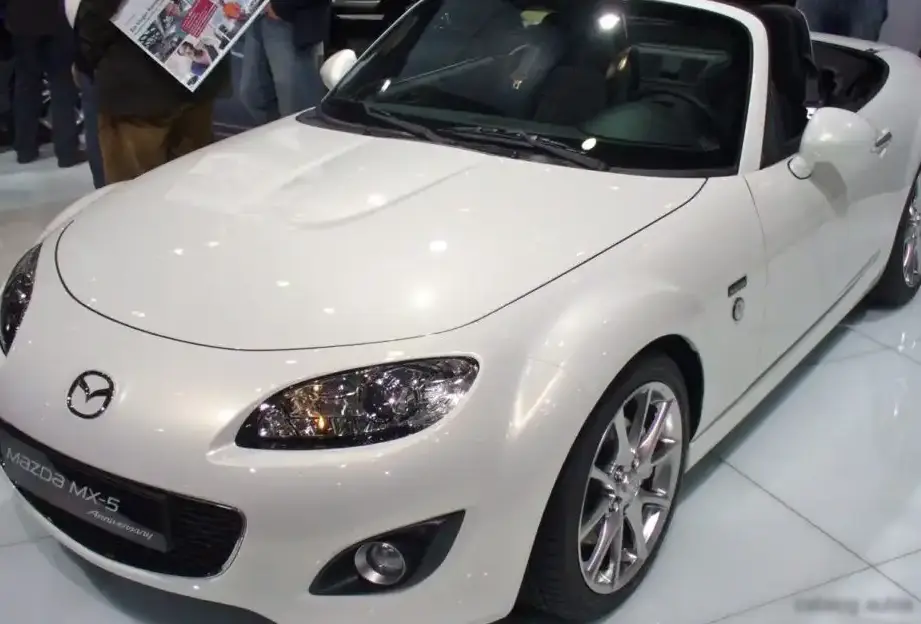
The Mazda MX-5 NC, specifically the 2.0-liter (161 hp) variant produced from 2008 to 2012, represents a significant evolution in Mazda’s iconic roadster lineage. This facelifted version of the third-generation MX-5 (NC) built upon the success of the original NC launched in 2005, addressing some initial criticisms and refining the driving experience. Positioned as a mid-range offering within the NC lineup, it bridged the gap between the base 2.0-liter models and the more performance-focused, limited-edition variants. The NC generation, as a whole, aimed to retain the original NA and NB MX-5’s lightweight, driver-focused philosophy while incorporating modern safety and convenience features. This 2.0-liter model was primarily sold in North America, Europe, and Australia, catering to enthusiasts seeking an accessible and engaging sports car.
Technical Specifications
| Brand | Mazda |
| Model | MX-5 |
| Generation | MX-5 III (NC, facelift 2008) |
| Type (Engine) | 2.0 (161 Hp) |
| Start of production | 2008 |
| End of production | 2012 |
| Powertrain Architecture | Internal Combustion engine |
| Body type | Roadster |
| Seats | 2 |
| Doors | 2 |
| Fuel consumption (urban) | 10.5 l/100 km (22.4 US mpg) |
| Fuel consumption (extra urban) | 5.9 l/100 km (39.9 US mpg) |
| Fuel consumption (combined) | 7.6 l/100 km (30.9 US mpg) |
| Fuel Type | Petrol (Gasoline) |
| Acceleration 0 – 100 km/h | 7.6 sec |
| Acceleration 0 – 62 mph | 7.6 sec |
| Acceleration 0 – 60 mph | 7.2 sec |
| Maximum speed | 213 km/h (132.35 mph) |
| Emission standard | Euro 5 |
| Weight-to-power ratio | 6.8 kg/Hp |
| Weight-to-torque ratio | 5.8 kg/Nm |
| Power | 161 Hp @ 7000 rpm |
| Torque | 188 Nm @ 5000 rpm (138.66 lb.-ft. @ 5000 rpm) |
| Engine layout | Front, Longitudinal |
| Engine displacement | 1999 cm3 (121.99 cu. in.) |
| Number of cylinders | 4 |
| Engine configuration | Inline |
| Cylinder Bore | 87.5 mm (3.44 in.) |
| Piston Stroke | 83.1 mm (3.27 in.) |
| Compression ratio | 10.8:1 |
| Fuel injection system | Multi-port manifold injection |
| Engine aspiration | Naturally aspirated engine |
| Valvetrain | DOHC |
| Engine oil capacity | 4.55 l (4.81 US qt | 4 UK qt) |
| Coolant capacity | 7.3 l (7.71 US qt | 6.42 UK qt) |
| Kerb Weight | 1090 kg (2403.04 lbs.) |
| Max. weight | 1375 kg (3031.36 lbs.) |
| Max load | 285 kg (628.32 lbs.) |
| Length | 4020 mm (158.27 in.) |
| Width | 1720 mm (67.72 in.) |
| Wheelbase | 2330 mm (91.73 in.) |
| Front track | 1490 mm (58.66 in.) |
| Rear track | 1495 mm (58.86 in.) |
| Minimum turning circle | 10 m (32.81 ft.) |
| Drivetrain | Rear wheel drive |
| Number of gears | 5 gears, manual transmission |
| Front suspension | Double wishbone |
| Rear suspension | Independent multi-link suspension |
| Front brakes | Ventilated discs |
| Rear brakes | Disc |
| Assisting systems | ABS (Anti-lock braking system) |
| Steering type | Steering rack and pinion |
| Power steering | Hydraulic Steering |
| Tires size | 205/45 R17 |
| Wheel rims size | 17 |
Powertrain & Engine Architecture
At the heart of the 2008-2012 Mazda MX-5 2.0-liter facelift lies the MZR (Mazda Zoom-Zoom) engine family. Specifically, this variant utilizes the LF-VE engine code. This 1999cc inline-four cylinder engine features a double overhead camshaft (DOHC) valvetrain and multi-point fuel injection. The engine’s design prioritized a balance between power and fuel efficiency, with a compression ratio of 10.8:1. The engine produced 161 horsepower at 7000 rpm and 138.66 lb-ft of torque at 5000 rpm. The five-speed manual transmission was the most common pairing, offering a direct and engaging driving experience. The transmission’s gear ratios were tuned to maximize the engine’s usable power band, providing good acceleration in everyday driving situations.
Driving Characteristics
The 2.0-liter MX-5 NC offered a distinctly balanced driving experience. While not as overtly powerful as some of its competitors or even higher-spec MX-5 variants, it provided ample power for spirited driving on both winding roads and open highways. The relatively light weight of the vehicle (around 2400 lbs) contributed to its nimble handling and responsive steering. The five-speed manual transmission allowed drivers to fully exploit the engine’s power band, while the precise shift action enhanced the overall driving enjoyment. Compared to the earlier 1.8-liter NC models, the 2.0-liter offered a noticeable improvement in acceleration and overall performance. It wasn’t a track weapon, but it was a highly capable and enjoyable sports car for everyday use.
Equipment & Trim Levels
The 2008-2012 MX-5 2.0-liter typically came standard with features such as power windows and locks, air conditioning, and a basic audio system. Higher trim levels, often designated as “Sport” or “Grand Touring,” added features like leather upholstery, a premium Bose audio system, heated seats, and a limited-slip differential. Optional extras included a hardtop convertible roof, alloy wheels, and various cosmetic enhancements. The interior design was driver-focused, with a simple and functional layout. The seats provided good support, and the steering wheel was well-positioned for a comfortable driving experience.
Chassis & Braking
The MX-5 NC utilized a lightweight chassis construction, employing a combination of high-strength steel. The suspension system consisted of double wishbones at the front and an independent multi-link setup at the rear, providing a good balance between ride comfort and handling precision. The braking system featured ventilated discs at the front and solid discs at the rear, equipped with an Anti-lock Braking System (ABS) as standard. The steering was a hydraulic rack-and-pinion system, offering precise and responsive control. The standard tire size was 205/45 R17, providing good grip and handling characteristics.
Market Reception & Comparison
The 2008-2012 Mazda MX-5 2.0-liter received generally positive reviews from automotive critics. It was praised for its engaging driving dynamics, responsive handling, and relatively affordable price point. Compared to other roadsters in its class, such as the BMW Z4 and Porsche Boxster, the MX-5 offered a more accessible and driver-focused experience. Fuel economy was also a strong point, with combined fuel consumption averaging around 30.9 US mpg. Reliability was generally good, although some owners reported minor issues with the soft top mechanism and certain electrical components.
Legacy
The Mazda MX-5 NC 2.0-liter has established itself as a popular choice in the used car market. Its combination of affordability, reliability, and engaging driving dynamics makes it an attractive option for enthusiasts seeking a fun and accessible sports car. The MZR engine, while not known for being exceptionally powerful, has proven to be relatively durable and reliable with proper maintenance. Today, well-maintained examples of the NC MX-5 continue to be enjoyed by driving enthusiasts around the world, solidifying its place as a modern classic in the roadster segment. The NC generation, and this 2.0-liter variant in particular, successfully carried the torch of the original MX-5, offering a compelling blend of performance, affordability, and driving enjoyment.