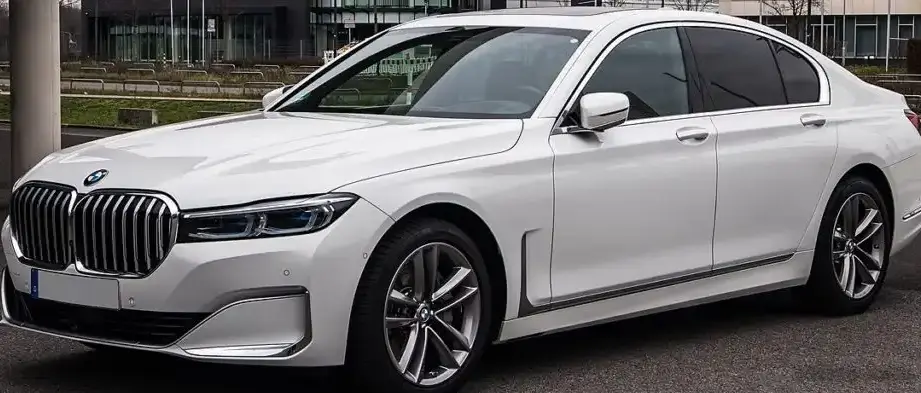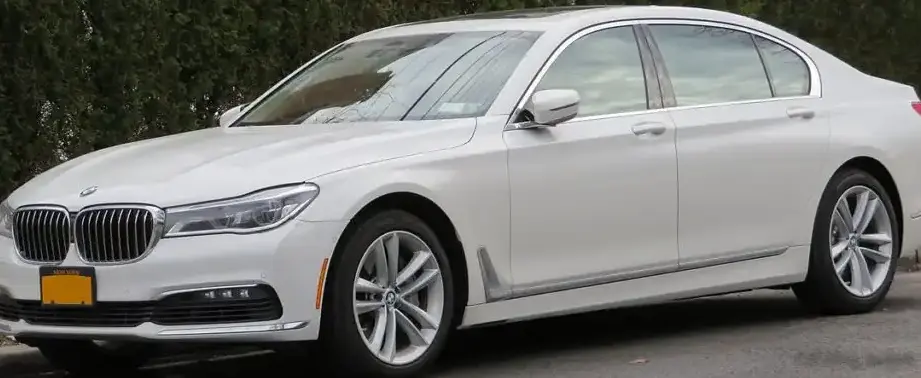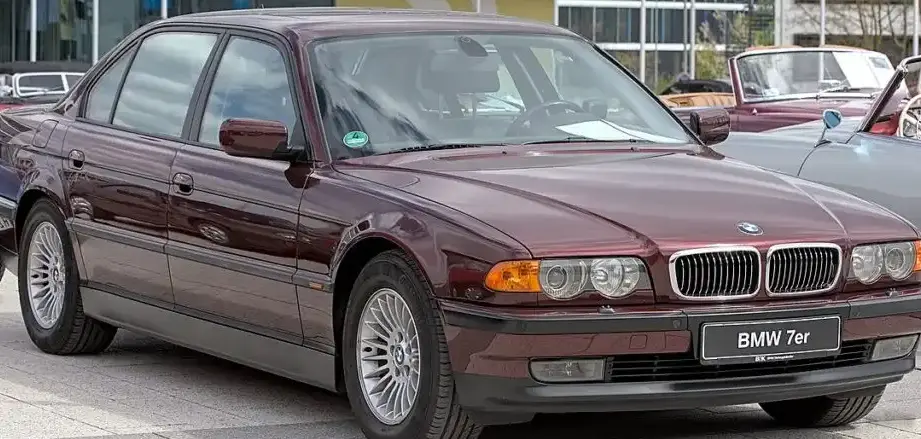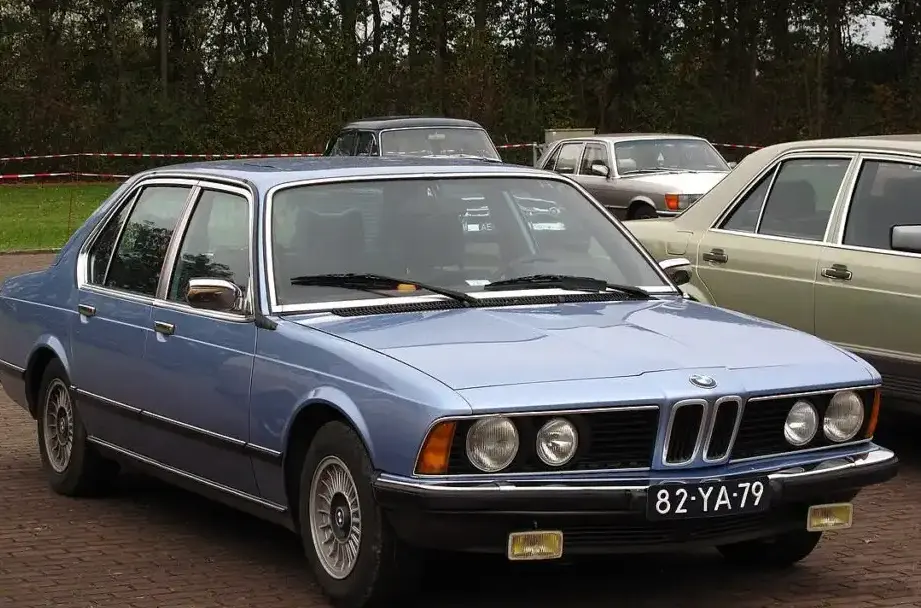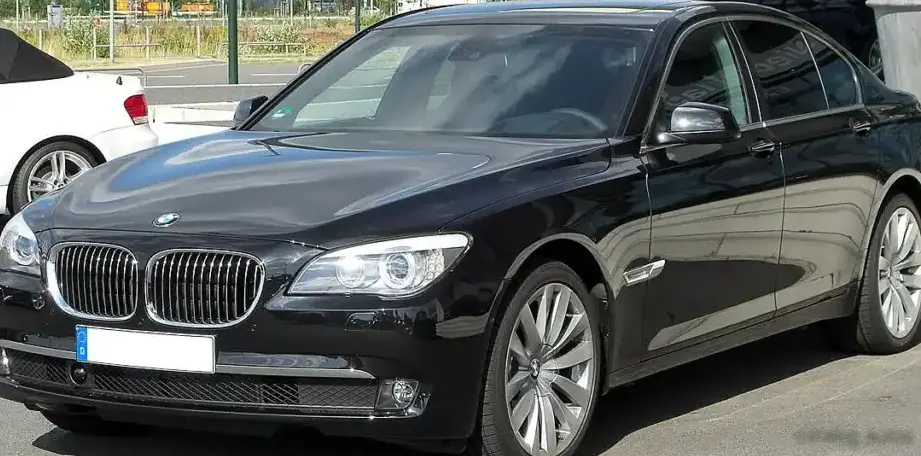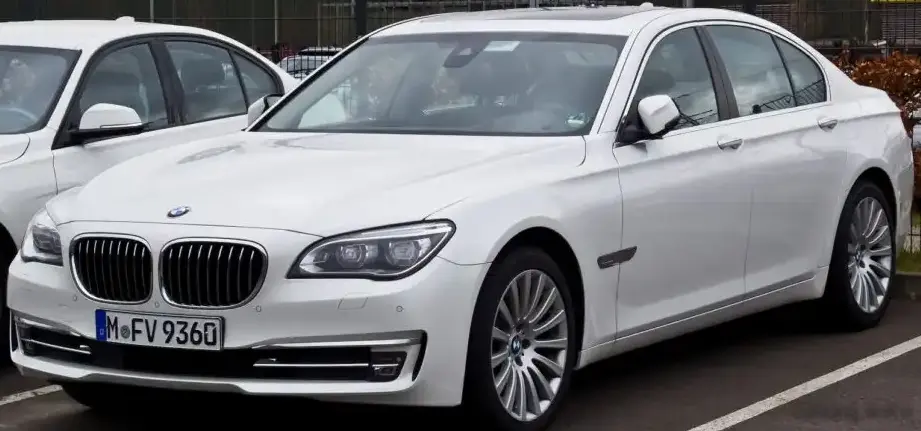
The BMW 750i, part of the F01 LCI (Life Cycle Impulse) facelift generation of the 7 Series produced from 2012 to 2015, represented the performance-oriented variant of BMW’s flagship sedan. Positioned above the 740i and 730d in the lineup, the 750i catered to buyers seeking a blend of luxury, technology, and substantial power. The LCI update brought revised styling, enhanced efficiency, and updated technology compared to the initial F01 models launched in 2008. This particular iteration, equipped with the N63B44B engine and Steptronic 8-speed automatic transmission, was primarily sold in North America, Europe, and select Asian markets.
Technical Specifications
| Brand | BMW |
| Model | 7 Series |
| Generation | 7 Series (F01 LCI, facelift 2012) |
| Type (Engine) | 750i (450 Hp) Steptronic |
| Start of production | 2012 |
| End of production | 2015 |
| Powertrain Architecture | Internal Combustion engine |
| Body type | Sedan |
| Seats | 5 |
| Doors | 4 |
| Fuel consumption (economy) – urban | 11.9 l/100 km (19.8 US mpg, 23.7 UK mpg, 8.4 km/l) |
| Fuel consumption (economy) – extra urban | 6.6 l/100 km (35.6 US mpg, 42.8 UK mpg, 15.2 km/l) |
| Fuel consumption (economy) – combined | 8.6 l/100 km (27.4 US mpg, 32.8 UK mpg, 11.6 km/l) |
| Fuel Type | Petrol (Gasoline) |
| Acceleration 0 – 100 km/h | 4.8 sec |
| Acceleration 0 – 62 mph | 4.8 sec |
| Acceleration 0 – 60 mph | 4.6 sec |
| Maximum speed | 250 km/h (155.34 mph) |
| Weight-to-power ratio | 4.5 kg/Hp, 223.3 Hp/tonne |
| Weight-to-torque ratio | 3.1 kg/Nm, 322.6 Nm/tonne |
| Power | 450 Hp @ 5500 rpm |
| Power per litre | 102.4 Hp/l |
| Torque | 650 Nm @ 2000-4500 rpm (479.42 lb.-ft. @ 2000-4500 rpm) |
| Engine layout | Front, Longitudinal |
| Engine Model/Code | N63B44B |
| Engine displacement | 4395 cm3 (268.2 cu. in.) |
| Number of cylinders | 8 |
| Engine configuration | V-engine |
| Cylinder Bore | 89 mm (3.5 in.) |
| Piston Stroke | 88.3 mm (3.48 in.) |
| Compression ratio | 10:1 |
| Number of valves per cylinder | 4 |
| Fuel injection system | Direct injection |
| Engine aspiration | Turbocharger, Intercooler |
| Engine oil capacity | 8.5 l (8.98 US qt | 7.48 UK qt) |
| Coolant | 13.5 l (14.27 US qt | 11.88 UK qt) |
| Kerb Weight | 2015 kg (4442.31 lbs.) |
| Max. weight | 2600 kg (5732.02 lbs.) |
| Max load | 585 kg (1289.7 lbs.) |
| Fuel tank capacity | 80 l (21.13 US gal | 17.6 UK gal) |
| Length | 5079 mm (199.96 in.) |
| Width | 1902 mm (74.88 in.) |
| Height | 1471 mm (57.91 in.) |
| Wheelbase | 3070 mm (120.87 in.) |
| Front track | 1611 mm (63.43 in.) |
| Rear (Back) track | 1650 mm (64.96 in.) |
| Drivetrain Architecture | The Internal combustion engine (ICE) drives the rear wheels of the vehicle. |
| Drive wheel | Rear wheel drive |
| Number of gears and type of gearbox | 8 gears, automatic transmission Steptronic |
| Front brakes | Ventilated discs |
| Rear brakes | Ventilated discs |
| Assisting systems | ABS (Anti-lock braking system) |
| Steering type | Steering rack and pinion |
| Tires size | 245/50 R18 100Y |
| Wheel rims size | 8J x 18 |
Powertrain & Engine Architecture
The heart of the 750i was the N63B44B, a 4.4-liter twin-turbocharged V8 engine. This engine represented a significant advancement over its predecessor, the N62, incorporating direct injection, variable valve timing (VANOS) and variable valve lift (Valvetronic) for improved efficiency and performance. The twin-turbocharger setup utilized two small turbochargers positioned within the V of the engine, minimizing turbo lag and providing a broad torque curve. The engine produced 450 horsepower at 5,500 rpm and a substantial 650 Nm (479 lb-ft) of torque between 2,000 and 4,500 rpm. The Steptronic 8-speed automatic transmission was specifically tuned to handle the engine’s output, offering smooth and responsive shifts. It featured steering wheel-mounted paddle shifters for manual control, although the transmission primarily operated in automatic mode.
Driving Characteristics
The 750i delivered a markedly different driving experience compared to the 740i or 730d. The abundant torque from the twin-turbo V8 provided effortless acceleration in all situations. The 0-60 mph sprint was dispatched in around 4.6 seconds, making it a genuinely quick luxury sedan. The Steptronic transmission, while generally smooth, could occasionally exhibit some hesitation during downshifts. The suspension, typically featuring BMW’s Dynamic Damper Control, offered a comfortable ride while maintaining reasonable body control. Compared to the 740i, the 750i felt more planted and confident, particularly during spirited driving. The increased weight of the V8 engine was noticeable, but the extra power more than compensated for it.
Equipment & Trim Levels
The 750i came standard with a comprehensive list of luxury features, including leather upholstery, power-adjustable heated and ventilated front seats, a premium sound system (often Bang & Olufsen), a navigation system, and a rear-seat entertainment system. Optional extras included massaging seats, a split-view display for the driver and passenger, and various interior trim options. The LCI facelift brought updated interior trim materials and a revised iDrive infotainment system with improved functionality. Exterior features included adaptive LED headlights, parking sensors, and a choice of wheel designs.
Chassis & Braking
The F01 LCI 7 Series utilized a lightweight aluminum chassis and suspension components to minimize weight and improve handling. The front suspension featured a double-wishbone design, while the rear suspension employed an integral-arm setup. The 750i was equipped with ventilated disc brakes on all four wheels, providing ample stopping power. Anti-lock braking system (ABS), dynamic stability control (DSC), and traction control were standard safety features. The suspension was tuned to prioritize comfort, but the optional Dynamic Damper Control allowed drivers to adjust the damping rates for a sportier ride.
Market Reception & Comparison
The 750i was generally well-received by automotive critics, who praised its powerful engine, luxurious interior, and advanced technology. However, some reviewers noted the complexity of the iDrive system and the high cost of maintenance. Compared to its rivals, such as the Mercedes-Benz S550 and the Audi A8 4.2, the 750i offered a more engaging driving experience. Fuel economy, while respectable for a V8-powered luxury sedan, was lower than that of the 740i or 730d. Reliability was generally good, but the complex engine and transmission systems could be prone to expensive repairs if not properly maintained.
Legacy
The F01 LCI 750i remains a desirable used luxury car, offering a compelling combination of performance, comfort, and technology. The N63B44B engine, while complex, is generally considered robust if properly maintained. Regular oil changes and adherence to BMW’s recommended service intervals are crucial for long-term reliability. Common issues include turbocharger failure and cooling system leaks. Today, these cars represent a significant value proposition for buyers seeking a high-performance luxury sedan at a fraction of the original price. The 750i’s blend of power and refinement continues to appeal to enthusiasts and luxury car buyers alike.