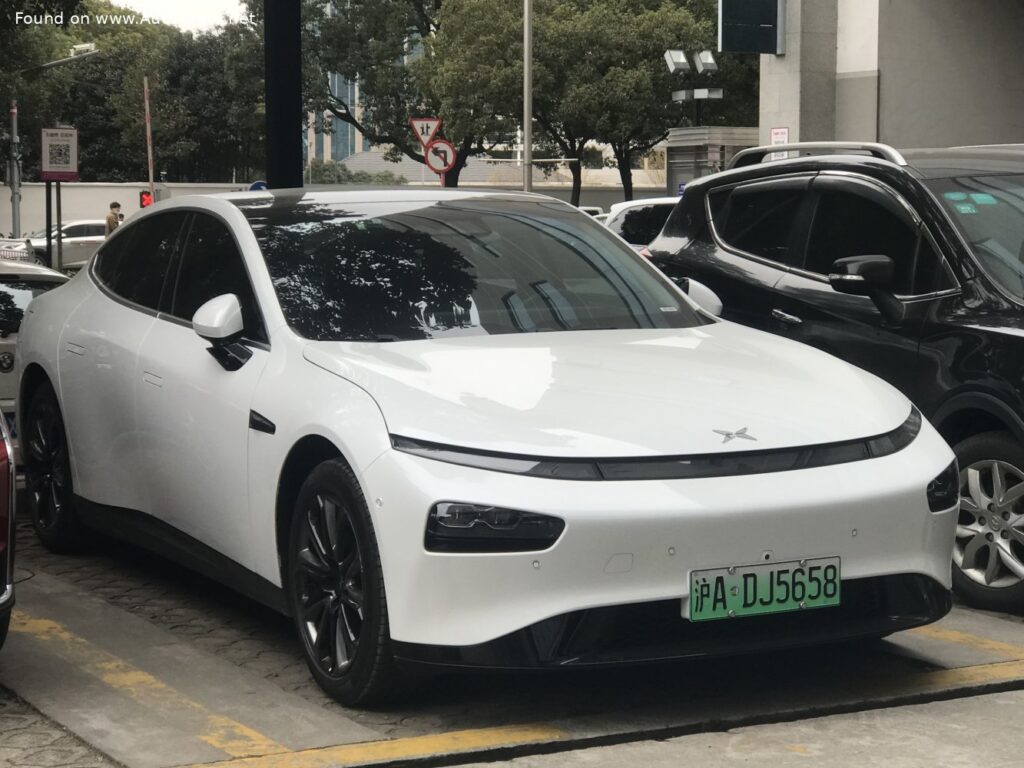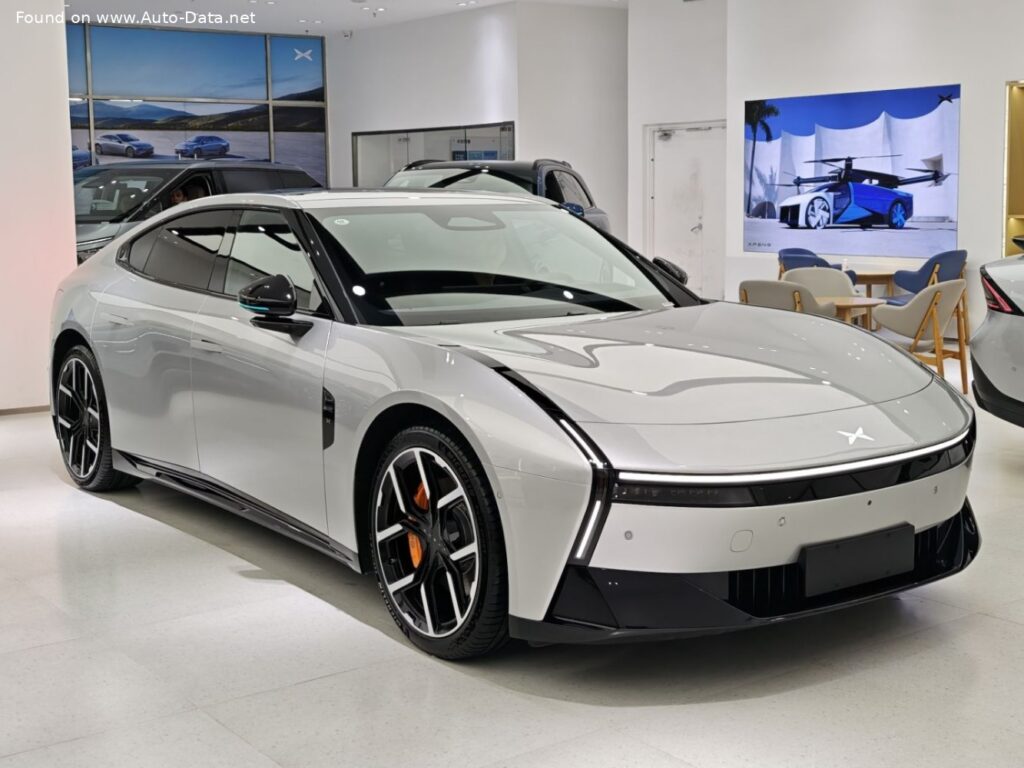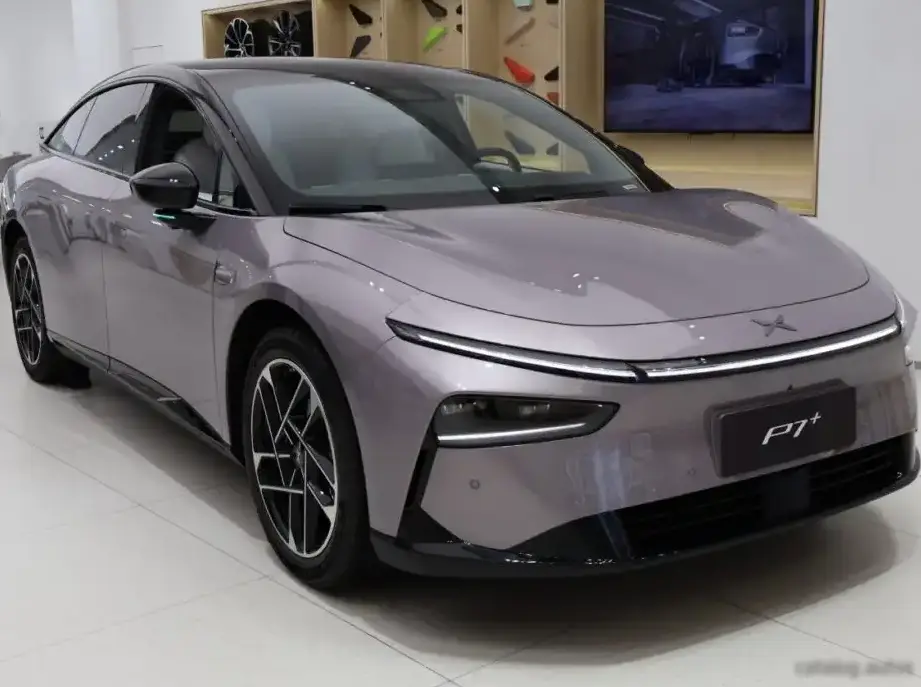
The XPENG P7+ 60.7 kWh (245 Hp) Electric is a battery electric vehicle (BEV) fastback produced by the Chinese manufacturer XPENG from November 2024 to 2026. Positioned as a mid-range offering within the P7 lineup, it aimed to provide a balance between range, performance, and affordability in the rapidly expanding electric vehicle market. The P7+ represents XPENG’s commitment to advanced technology and stylish design, targeting tech-savvy consumers seeking a premium EV experience. It builds upon the foundation of the initial P7 model, incorporating improvements in battery technology and software features.
Technical Specifications
| Brand | XPENG |
| Model | P7+ |
| Generation | P7+ |
| Type (Engine) | 60.7 kWh (245 Hp) Electric |
| Start of production | November, 2024 |
| End of production | 2026 |
| Powertrain Architecture | BEV (Electric Vehicle) |
| Body type | Fastback |
| Seats | 5 |
| Doors | 5 |
| Fuel Type | Electricity |
| Acceleration 0 – 100 km/h | 6.9 sec |
| Acceleration 0 – 62 mph | 6.9 sec |
| Acceleration 0 – 60 mph | 6.6 sec |
| Maximum speed | 200 km/h (124.27 mph) |
| Weight-to-power ratio | 8 kg/Hp, 124.6 Hp/tonne |
| Weight-to-torque ratio | 4.4 kg/Nm, 228.8 Nm/tonne |
| Gross battery capacity | 60.7 kWh |
| Battery voltage | 800 V |
| Battery technology | Lithium iron phosphate (LiFePO4) |
| Battery location | Below the floor |
| All-electric range (CLTC) | 602-615 km (374.07 – 382.14 mi) |
| Average Energy consumption (CLTC) | 11.4 kWh/100 km (18.35 kWh/100 mi) |
| MPGe | 184 |
| km/kWh | 8.8 |
| mi/kWh | 5.5 |
| Electric motor power | 245 Hp |
| Electric motor Torque | 450 Nm (331.9 lb.-ft.) |
| Electric motor model/code | TZ230XY01F57X |
| Electric motor location | Rear axle, Transverse |
| Electric motor type | Synchronous |
| System power | 245 Hp |
| System torque | 450 Nm (331.9 lb.-ft.) |
| Kerb Weight | 1967 kg (4336.49 lbs.) |
| Max. weight | 2400 kg (5291.09 lbs.) |
| Max load | 433 kg (954.6 lbs.) |
| Trunk (boot) space – minimum | 725 l (25.6 cu. ft.) |
| Trunk (boot) space – maximum | 2221 l (78.43 cu. ft.) |
| Length | 5056 mm (199.06 in.) |
| Width | 1937 mm (76.26 in.) |
| Height | 1512 mm (59.53 in.) |
| Wheelbase | 3000 mm (118.11 in.) |
| Front track | 1638 mm (64.49 in.) |
| Rear (Back) track | 1675 mm (65.94 in.) |
| Drag coefficient (Cd) | 0.206 |
| Approach angle | 14° |
| Departure angle | 17° |
| Drivetrain Architecture | One electric motor drives the rear wheels. |
| Drive wheel | Rear wheel drive |
| Number of gears and type of gearbox | 1 gears, automatic transmission |
| Front suspension | Coil spring, Double wishbone, Transverse stabilizer |
| Rear suspension | Independent multi-link spring suspension with stabilizer |
| Front brakes | Ventilated discs |
| Rear brakes | Ventilated discs |
| Assisting systems | ABS (Anti-lock braking system) |
| Steering type | Steering rack and pinion |
| Power steering | Electric Steering |
| Tires size | 235/60 R18; 255/45 R20 |
| Wheel rims size | 18; 20 |
Powertrain & Engine Architecture
The XPENG P7+ utilizes a single rear-mounted synchronous electric motor producing 245 horsepower and 450 Nm (331.9 lb.-ft.) of torque. The motor, designated TZ230XY01F57X, is powered by a 60.7 kWh Lithium Iron Phosphate (LiFePO4) battery pack operating at 800V. LiFePO4 chemistry is favored for its improved thermal stability and longer cycle life compared to traditional Nickel Manganese Cobalt (NMC) batteries, although it typically offers slightly lower energy density. The 800V architecture allows for faster charging times when connected to compatible DC fast-charging stations. The powertrain employs a single-speed automatic transmission, typical of most electric vehicles, delivering seamless acceleration. The battery pack is positioned under the floor, contributing to a low center of gravity and improved handling.
Driving Characteristics
The P7+ with the 60.7 kWh battery and single motor configuration offers a balanced driving experience. Acceleration from 0-60 mph is achieved in approximately 6.6 seconds, making it adequately quick for everyday driving. The rear-wheel-drive layout provides a responsive feel, although it lacks the all-wheel-drive grip of higher-spec P7 models. The single-speed transmission delivers instant torque, characteristic of electric motors, resulting in brisk acceleration from a standstill. Compared to the dual-motor P7 variants, the P7+ offers a slightly less exhilarating but more efficient driving experience. The single gear ratio is optimized for a blend of acceleration and highway cruising.
Equipment & Trim Levels
The P7+ typically came standard with a comprehensive suite of technology features, including XPENG’s Xmart OS infotainment system, a large touchscreen display, advanced driver-assistance systems (ADAS) such as adaptive cruise control and lane keeping assist, and over-the-air (OTA) software updates. Interior upholstery generally consisted of synthetic leather, with options for upgraded materials. Standard features also included automatic climate control, power-adjustable seats, and a panoramic sunroof. Optional extras included premium audio systems, ventilated seats, and enhanced ADAS functionality. The trim level focused on providing a comfortable and technologically advanced experience without the higher price tag of the performance-oriented models.
Chassis & Braking
The P7+ features a coil spring, double wishbone suspension setup at the front and an independent multi-link suspension at the rear, both incorporating transverse stabilizer bars to minimize body roll. The suspension is tuned for a comfortable ride quality while maintaining reasonable handling characteristics. Braking duties are handled by ventilated discs on all four wheels, coupled with an Anti-lock Braking System (ABS) for enhanced safety. The vehicle’s relatively low curb weight of 1967 kg (4336.49 lbs.) contributes to its agility and braking performance.
Market Reception & Comparison
The XPENG P7+ was generally well-received by critics for its stylish design, advanced technology, and competitive pricing. It was often compared to other mid-range electric sedans, such as the Tesla Model 3 and the BYD Han. The P7+ offered a compelling alternative, particularly in the Chinese market, where XPENG has a strong brand presence. Fuel economy, measured by CLTC standards, ranged from 11.4 kWh/100 km (18.35 kWh/100 mi), translating to approximately 184 MPGe. Reliability reports were still emerging during its production run, but XPENG focused on improving build quality and software stability through OTA updates. Compared to the higher-end P7 models with larger batteries and dual motors, the P7+ offered a more affordable entry point into the XPENG ecosystem.
Legacy
The XPENG P7+ played a significant role in establishing XPENG as a major player in the electric vehicle market. While production ended in 2026, the P7+ continues to be available on the used car market. The powertrain, utilizing LiFePO4 battery technology and a single-motor rear-wheel-drive configuration, has proven to be relatively reliable. The vehicle’s advanced technology features and stylish design continue to appeal to buyers seeking a modern and efficient electric vehicle. The P7+ helped pave the way for XPENG’s subsequent models and solidified its position as a leading innovator in the Chinese automotive industry.