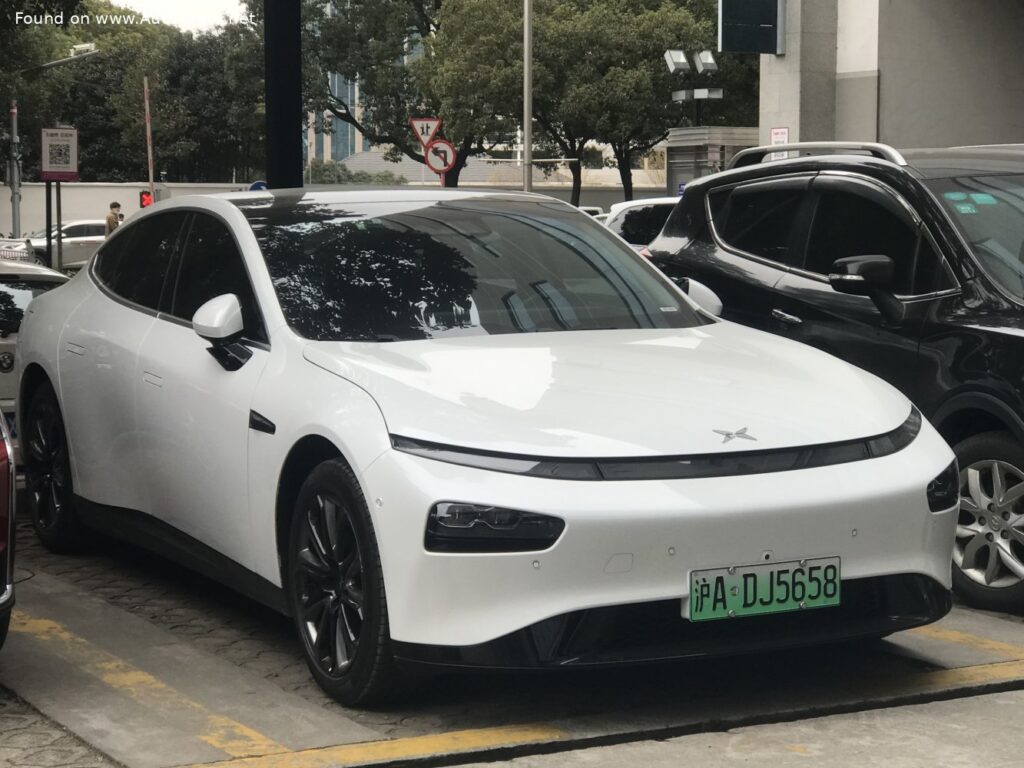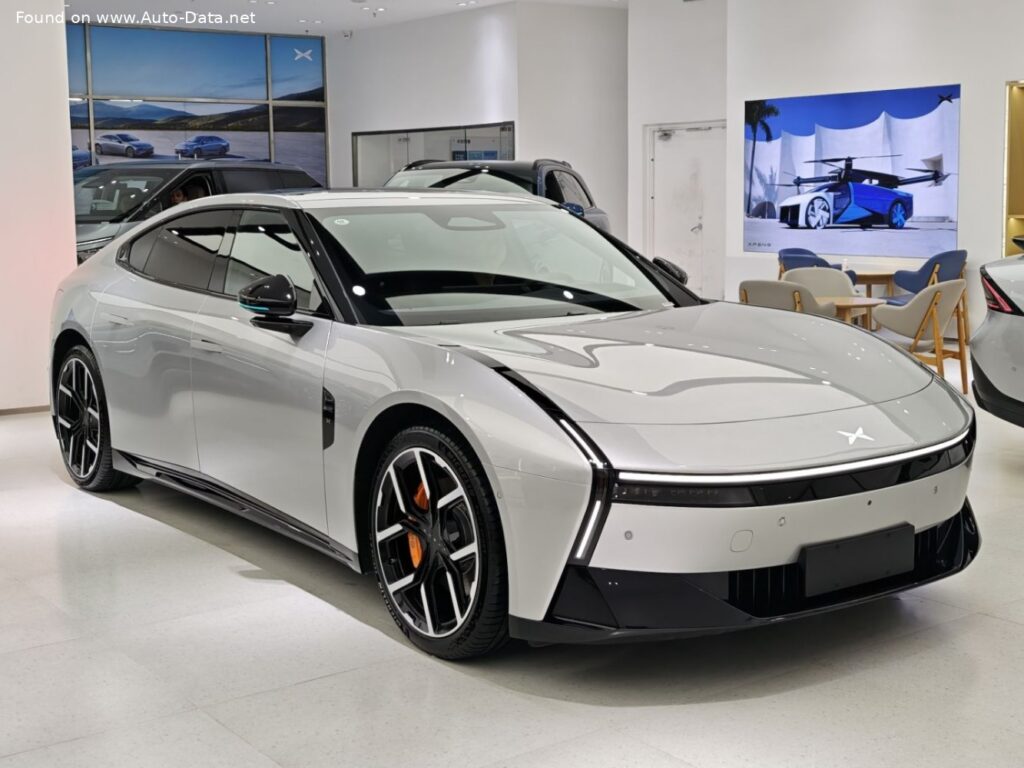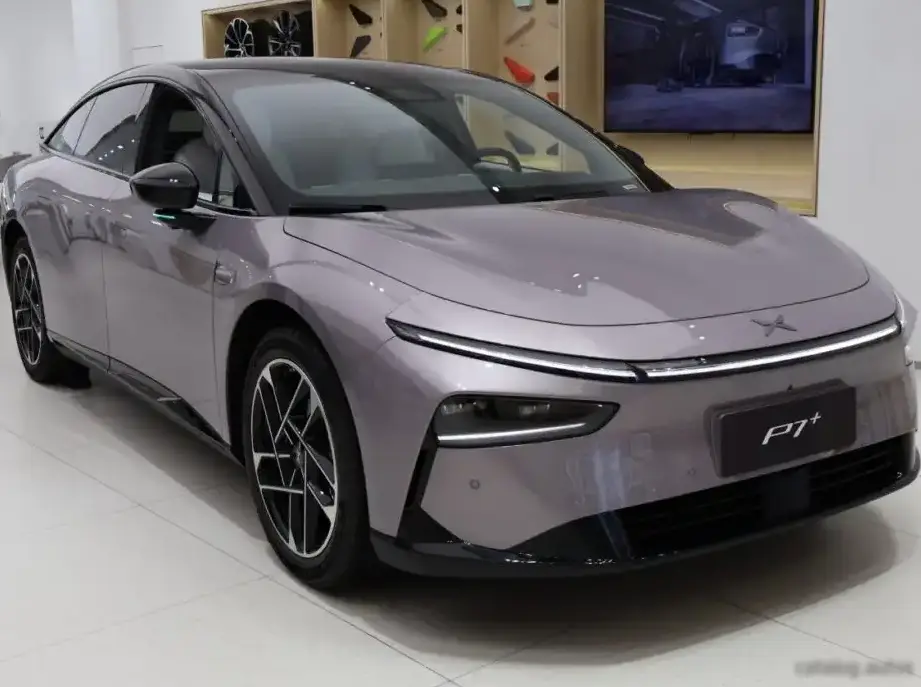
The XPENG P7+ 76.3 kWh (313 Hp) Electric, launched in November 2024 and produced through 2026, represents a significant offering in the burgeoning electric vehicle market. Positioned as a mid-range trim within the P7 lineup, it aimed to balance performance, range, and affordability for consumers seeking a stylish and technologically advanced fastback sedan. The P7+ utilizes XPENG’s dedicated electric vehicle architecture and is a key model in the company’s strategy to establish itself as a leading EV manufacturer, primarily targeting the Chinese domestic market with growing export ambitions. This variant builds upon the foundation of the P7 platform (often referred to as the 1HX0 internally) and distinguishes itself through its battery capacity and resulting range.
Technical Specifications
| Brand | XPENG |
| Model | P7+ |
| Generation | P7+ |
| Type (Engine) | 76.3 kWh (313 Hp) Electric |
| Start of production | November, 2024 |
| End of production | 2026 |
| Powertrain Architecture | BEV (Electric Vehicle) |
| Body type | Fastback |
| Seats | 5 |
| Doors | 5 |
| Fuel Type | Electricity |
| Acceleration 0 – 100 km/h | 5.9 sec |
| Acceleration 0 – 62 mph | 5.9 sec |
| Acceleration 0 – 60 mph | 5.6 sec |
| Maximum speed | 200 km/h (124.27 mph) |
| 100 km/h – 0 | 35 m |
| Weight-to-power ratio | 6.6 kg/Hp, 151 Hp/tonne |
| Weight-to-torque ratio | 4.6 kg/Nm, 217.1 Nm/tonne |
| Gross battery capacity | 76.3 kWh |
| Battery voltage | 800 V |
| Battery technology | Lithium iron phosphate (LiFePO4) |
| Battery location | Below the floor |
| All-electric range (CLTC) | 700-725 km (434.96 – 450.49 mi) |
| Average Energy consumption (CLTC) | 12.2-12.6 kWh/100 km (19.63 – 20.28 kWh/100 mi) |
| MPGe | 172 – 166 |
| km/kWh | 8.2 – 7.9 |
| mi/kWh | 5.1 – 4.9 |
| Electric motor power | 313 Hp |
| Electric motor Torque | 450 Nm (331.9 lb.-ft.) |
| Electric motor model/code | TZ230XY01F57X |
| Electric motor location | Rear axle, Transverse |
| Electric motor type | Synchronous |
| System power | 313 Hp |
| System torque | 450 Nm (331.9 lb.-ft.) |
| Kerb Weight | 2073 kg (4570.18 lbs.) |
| Max. weight | 2500 kg (5511.56 lbs.) |
| Max load | 427 kg (941.37 lbs.) |
| Trunk (boot) space – minimum | 725 l (25.6 cu. ft.) |
| Trunk (boot) space – maximum | 2221 l (78.43 cu. ft.) |
| Length | 5056 mm (199.06 in.) |
| Width | 1937 mm (76.26 in.) |
| Height | 1512 mm (59.53 in.) |
| Wheelbase | 3000 mm (118.11 in.) |
| Front track | 1638 mm (64.49 in.) |
| Rear (Back) track | 1675 mm (65.94 in.) |
| Drag coefficient (Cd) | 0.206 |
| Approach angle | 14° |
| Departure angle | 17° |
| Drivetrain Architecture | One electric motor drives the rear wheels. |
| Drive wheel | Rear wheel drive |
| Number of gears and type of gearbox | 1 gears, automatic transmission |
| Front suspension | Coil spring, Double wishbone, Transverse stabilizer |
| Rear suspension | Independent multi-link spring suspension with stabilizer |
| Front brakes | Ventilated discs |
| Rear brakes | Ventilated discs |
| Assisting systems | ABS (Anti-lock braking system) |
| Steering type | Steering rack and pinion |
| Power steering | Electric Steering |
| Tires size | 235/60 R18; 255/45 R20 |
| Wheel rims size | 18; 20 |
Powertrain & Engine Architecture
The XPENG P7+ is powered by a single rear-mounted electric motor, designated TZ230XY01F57X, producing 313 horsepower and 450 Nm (331.9 lb.-ft.) of torque. This synchronous motor is integrated into a single-speed automatic transmission, delivering power to the rear wheels. The vehicle utilizes an 800V electrical architecture, enabling faster charging times compared to older 400V systems. The 76.3 kWh lithium iron phosphate (LiFePO4) battery pack is positioned under the floor, contributing to a low center of gravity and improved handling. LiFePO4 chemistry is favored for its enhanced thermal stability and longer cycle life, although it typically offers slightly lower energy density compared to nickel-manganese-cobalt (NMC) batteries. The battery management system (BMS) is crucial for optimizing battery performance, longevity, and safety.
Driving Characteristics
The P7+ offers brisk acceleration, achieving 0-60 mph in approximately 5.6 seconds. The single-speed transmission provides seamless power delivery, characteristic of electric vehicles. While not as explosively quick as higher-performance P7 variants with dual-motor all-wheel drive, the P7+ provides ample power for everyday driving and highway merging. The rear-wheel-drive configuration contributes to a balanced feel, although traction can be limited in adverse weather conditions. The relatively low curb weight of 2073 kg (4570.18 lbs) aids in agility and responsiveness. The single gear ratio is optimized for a balance between acceleration and efficiency.
Equipment & Trim Levels
The P7+ trim typically includes standard features such as a large touchscreen infotainment system, advanced driver-assistance systems (ADAS) including adaptive cruise control and lane keeping assist, a panoramic sunroof, and premium interior materials. Interior upholstery is generally a combination of leatherette and fabric, with options for full leather upgrades. Available options include a premium sound system, ventilated front seats, and a head-up display. The P7+ aimed to provide a comfortable and well-equipped experience, bridging the gap between the base P7 models and the higher-end performance trims.
Chassis & Braking
The P7+ features a double wishbone front suspension and an independent multi-link rear suspension, both incorporating stabilizer bars to minimize body roll. Ventilated disc brakes are used on all four wheels, providing ample stopping power. The electronic stability control (ESC) system and anti-lock braking system (ABS) enhance safety and control. The suspension tuning is geared towards a balance between comfort and handling, providing a compliant ride while maintaining reasonable body control during cornering. Tire sizes vary depending on the wheel size, with 18-inch wheels typically fitted with 235/60 R18 tires and 20-inch wheels using 255/45 R20 tires.
Market Reception & Comparison
The XPENG P7+ received generally positive reviews, with critics praising its stylish design, advanced technology, and competitive range. Compared to other trims in the P7 lineup, the P7+ offered a compelling value proposition for buyers prioritizing range and efficiency over outright performance. Its CLTC range of 700-725 km (434.96 – 450.49 mi) was a key selling point. Fuel economy, measured in kWh/100km, was competitive with other electric sedans in its class. Reliability reports are still emerging, as the P7 is a relatively new model, but early indications suggest a generally positive ownership experience.
Legacy
The XPENG P7+ represents a significant step forward in the development of electric vehicles in China. Its combination of range, technology, and style has helped to establish XPENG as a major player in the EV market. The LiFePO4 battery technology used in the P7+ is becoming increasingly popular due to its safety and longevity. As the used car market matures, the P7+ is expected to hold its value well, particularly among buyers seeking a well-equipped and efficient electric sedan. The P7+’s success has paved the way for XPENG to expand its product lineup and global reach.