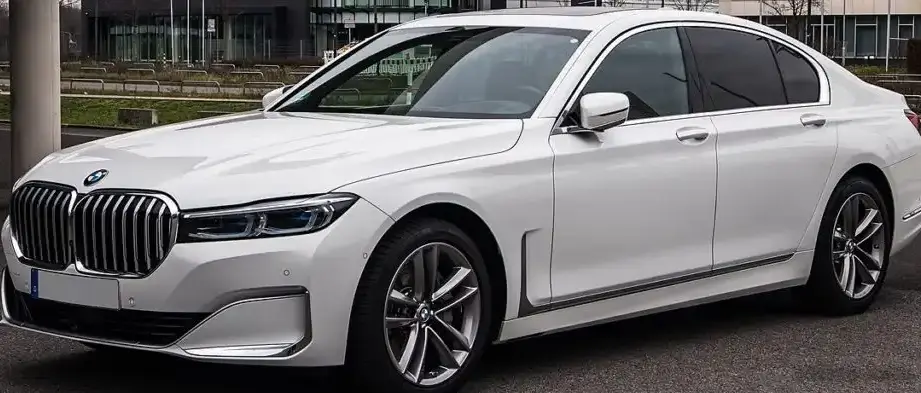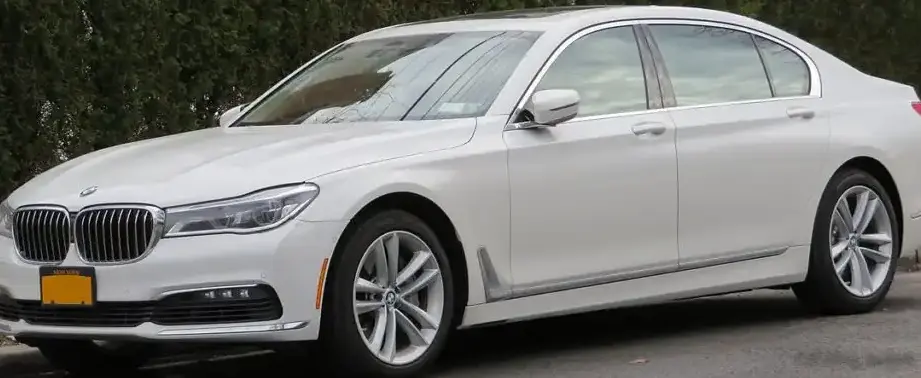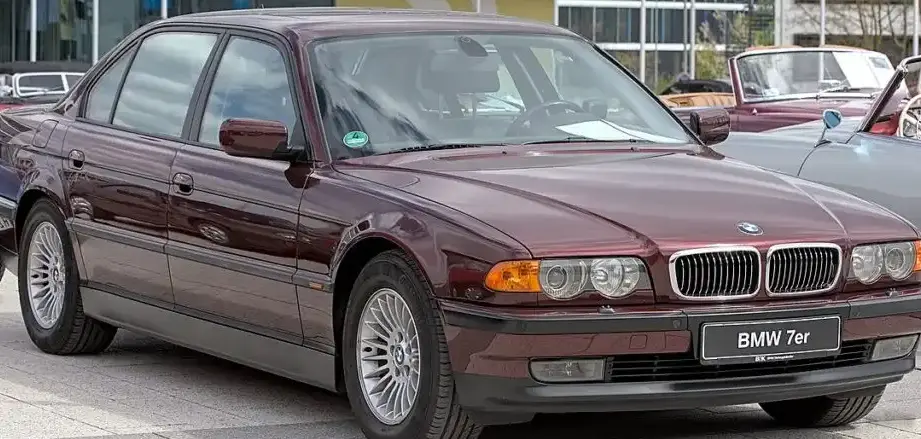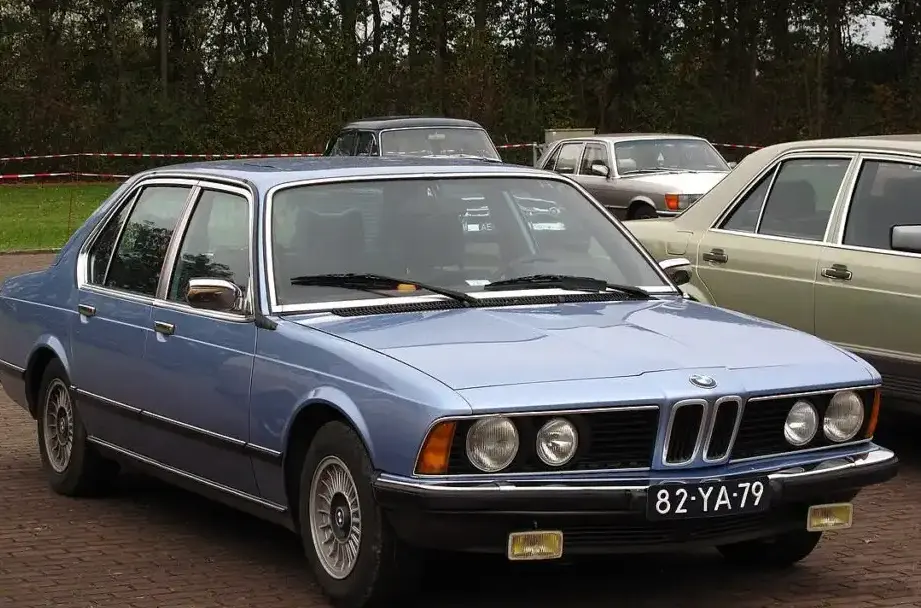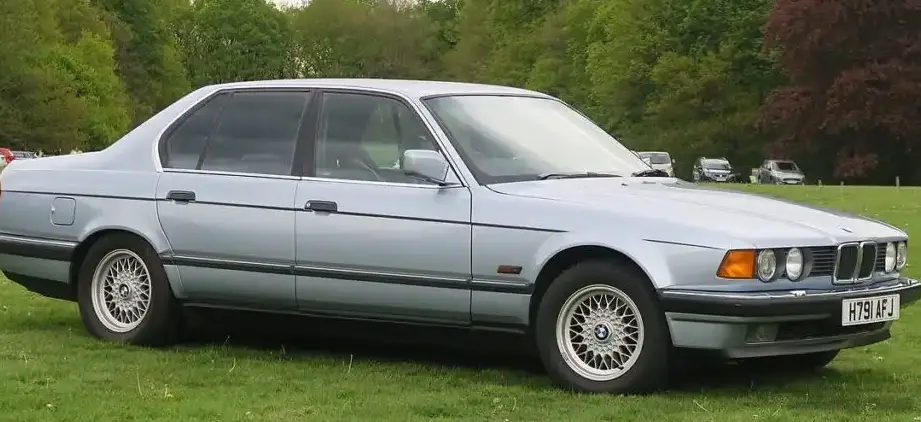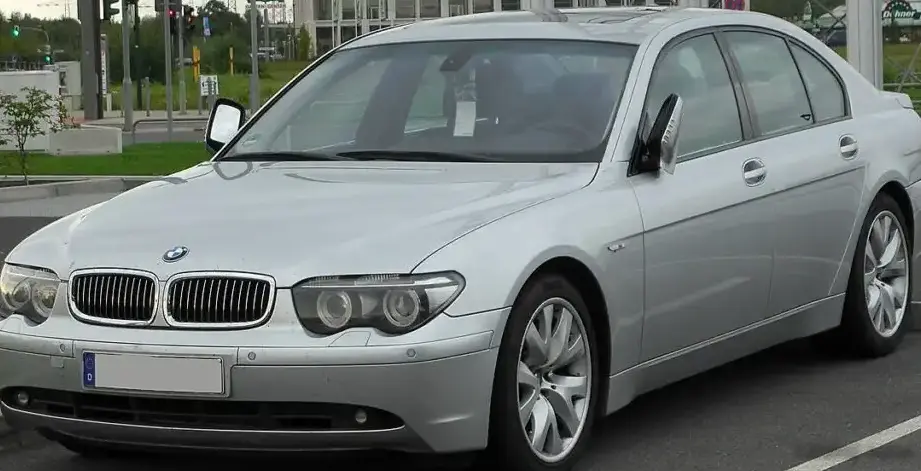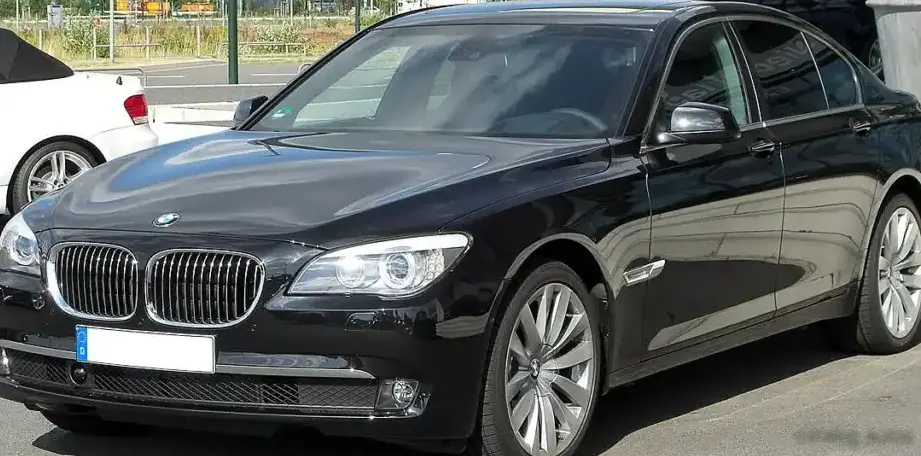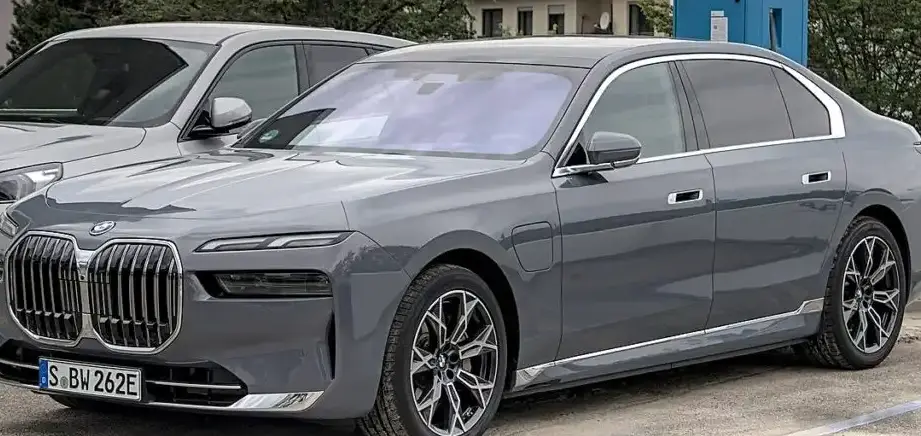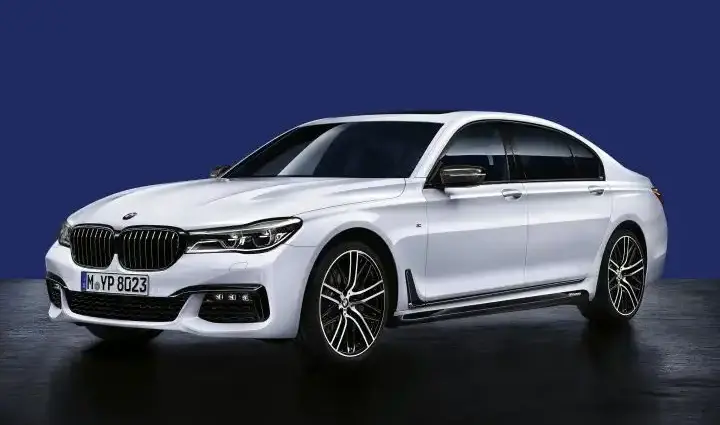
The BMW 740e iPerformance, produced from 2016 to 2019, represents BMW’s initial foray into plug-in hybrid technology within its flagship 7 Series (G11) sedan. Positioned as a technologically advanced and fuel-efficient alternative to the traditional gasoline-powered 7 Series models, the 740e aimed to appeal to buyers seeking luxury, performance, and reduced emissions. It was a key component of BMW’s strategy to offer electrified options across its model range, responding to increasingly stringent emissions regulations and growing consumer demand for sustainable mobility. The 740e iPerformance utilized the G11 chassis, sharing its core structure and dimensions with other 7 Series variants, but distinguished itself through its unique powertrain and associated technologies.
Technical Specifications
| Brand | BMW |
| Model | 7 Series |
| Generation | 7 Series (G11) |
| Type | 740e iPerformance (326 Hp) Plug-in Hybrid Steptronic |
| Start of production | 2016 |
| End of production | 2019 |
| Powertrain Architecture | PHEV (Plug-in Hybrid Electric Vehicle) |
| Body type | Sedan |
| Seats | 5 |
| Doors | 4 |
| Fuel consumption (combined) | 2.0-2.2 l/100 km (117.6 – 106.9 US mpg, 141.2 – 128.4 UK mpg, 50 – 45.5 km/l) |
| CO2 emissions | 45-50 g/km |
| Fuel Type | Petrol / electricity |
| Acceleration 0 – 100 km/h | 5.4 sec |
| Acceleration 0 – 62 mph | 5.4 sec |
| Acceleration 0 – 60 mph | 5.1 sec |
| Maximum speed | 250 km/h (155.34 mph) |
| Emission standard | Euro 6 |
| Weight-to-power ratio | 5.8 kg/Hp, 171.6 Hp/tonne |
| Weight-to-torque ratio | 3.8 kg/Nm, 263.2 Nm/tonne |
| Gross battery capacity | 9.2 kWh |
| Battery voltage | 351 V |
| Battery technology | Lithium-ion (Li-Ion) |
| Battery location | Below the floor, under the rear seats |
| Recuperation output | 20 kW |
| All-electric range | 44-48 km (27.34 – 29.83 mi) |
| Average Energy consumption | 12.5-13.3 kWh/100 km (20.12 – 21.4 kWh/100 mi, 168 – 157 MPGe, 8 – 7.5 km/kWh, 5 – 4.7 mi/kWh) |
| Max speed (electric) | 140 km/h (86.99 mph) |
| Electric motor power | 113 Hp @ 3170 rpm (184.39 lb.-ft. @ 0-3170 rpm) |
| System power | 326 Hp |
| System torque | 500 Nm (368.78 lb.-ft.) |
| Engine Power | 258 Hp @ 5000-6500 rpm |
| Engine Torque | 400 Nm @ 1550-4400 rpm (295.02 lb.-ft. @ 1550-4400 rpm) |
| Engine layout | Front, Longitudinal |
| Engine Model/Code | B48 |
| Engine displacement | 1998 cm3 (121.93 cu. in.) |
| Number of cylinders | 4 |
| Engine configuration | Inline |
| Cylinder Bore | 82 mm (3.23 in.) |
| Piston Stroke | 94.6 mm (3.72 in.) |
| Compression ratio | 10.2:1 |
| Number of valves per cylinder | 4 |
| Fuel injection system | Direct injection |
| Engine aspiration | Twin-power turbo, Intercooler |
| Valvetrain | VALVETRONIC |
| Engine oil capacity | 5.25 l (5.55 US qt | 4.62 UK qt) |
| Coolant | 9.1 l (9.62 US qt | 8.01 UK qt) |
| Kerb Weight | 1900 kg (4188.78 lbs.) |
| Max. weight | 2585 kg (5698.95 lbs.) |
| Max load | 685 kg (1510.17 lbs.) |
| Trunk (boot) space – minimum | 420 l (14.83 cu. ft.) |
| Fuel tank capacity | 46 l (12.15 US gal | 10.12 UK gal) |
| Max. roof load | 100 kg (220.46 lbs.) |
| Length | 5098 mm (200.71 in.) |
| Width | 1902 mm (74.88 in.) |
| Width including mirrors | 2169 mm (85.39 in.) |
| Height | 1467 mm (57.76 in.) |
| Wheelbase | 3070 mm (120.87 in.) |
| Front track | 1617 mm (63.66 in.) |
| Rear (Back) track | 1646 mm (64.8 in.) |
| Front overhang | 880 mm (34.65 in.) |
| Rear overhang | 1148 mm (45.2 in.) |
| Ride height (ground clearance) | 135 mm (5.31 in.) |
| Drag coefficient (Cd) | 0.25 |
| Minimum turning circle (turning diameter) | 12.3 m (40.35 ft.) |
| Drivetrain Architecture | Rear wheel drive. PHEV. ICE and electric motor drive rear wheels. |
| Drive wheel | Rear wheel drive |
| Number of gears and type of gearbox | 8 gears, automatic transmission Steptronic |
| Front suspension | Double wishbone, Air suspension |
| Rear suspension | Independent multi-link suspension, Air suspension |
| Front brakes | Ventilated discs |
| Rear brakes | Ventilated discs |
| Assisting systems | ABS (Anti-lock braking system) |
| Steering type | Steering rack and pinion |
| Power steering | Electric Steering |
| Tires size (Front) | 225/60 R17; 245/50 R18; 245/45 R19; 245/40 R20; 245/35 R21 |
| Tires size (Rear) | 225/60 R17; 245/50 R18; 245/45 R19; 275/40 R19; 275/35 R20; 275/30 R21 |
| Wheel rims size (Front) | 7.5J x 17; 8J x 18; 8.5J x 19; 8.5J x 20; 8.5J x 21 |
| Wheel rims size (Rear) | 7.5J x 17; 8J x 18; 8.5J x 19; 9.5J x 19; 10J x 20; 10J x 21 |
Powertrain & Engine Architecture
The 740e iPerformance’s powertrain centers around BMW’s B48 2.0-liter turbocharged inline-four cylinder gasoline engine, paired with an electric motor integrated into the eight-speed Steptronic automatic transmission. The gasoline engine produces 258 horsepower and 295 lb-ft of torque, while the electric motor contributes an additional 113 horsepower and 184 lb-ft of torque, resulting in a combined system output of 326 horsepower and 369 lb-ft of torque. The B48 engine features direct fuel injection, a twin-scroll turbocharger, and BMW’s VALVETRONIC variable valve timing system for optimized efficiency and responsiveness. The 9.2 kWh lithium-ion battery pack is located under the rear seats, minimizing impact on cabin space. The electric motor acts as both a power source and a generator during regenerative braking, capturing energy to recharge the battery. The transmission is specifically tuned to work seamlessly with both power sources, providing smooth transitions between electric, gasoline, and combined operation.
Driving Characteristics
The 740e iPerformance offers a unique driving experience, blending the refinement of a luxury sedan with the instant torque of an electric motor. In electric-only mode, the car provides silent and emissions-free driving for up to 29 miles, suitable for short commutes and urban driving. When the battery is depleted or additional power is needed, the gasoline engine seamlessly kicks in, providing ample acceleration. The combined output delivers a 0-60 mph time of around 5.1 seconds. The eight-speed Steptronic transmission offers smooth and precise gear changes, and the car’s suspension, featuring air springs, provides a comfortable ride. Compared to the 740i (gasoline-only model), the 740e feels slightly heavier due to the added weight of the battery pack, but the electric motor’s instant torque compensates for this, providing brisk acceleration. Compared to the 750i or 760i models with larger engines, the 740e offers a more balanced approach, prioritizing efficiency without sacrificing significant performance.
Equipment & Trim Levels
The 740e iPerformance came standard with a high level of equipment, reflecting its position as a flagship luxury vehicle. Standard features included leather upholstery, power-adjustable front seats with massage function, a premium sound system, a large infotainment screen with iDrive controller, navigation, and a suite of advanced driver-assistance systems such as lane departure warning, automatic emergency braking, and adaptive cruise control. Optional extras included upgraded leather options, rear-seat entertainment, a panoramic sunroof, and various customization options through BMW’s Individual program. The interior design was largely consistent with other 7 Series models, but featured unique trim elements and displays related to the plug-in hybrid system.
Chassis & Braking
The 740e iPerformance utilizes the same sophisticated chassis as other 7 Series models, featuring a double-wishbone front suspension and an independent multi-link rear suspension, both with air springs and adaptive dampers. This setup provides a comfortable ride and precise handling. The car is equipped with ventilated disc brakes on all four wheels, providing ample stopping power. The electronic stability control system is specifically tuned to work with the hybrid powertrain, ensuring optimal control in various driving conditions. The steering is electrically assisted, offering precise and responsive feel.
Market Reception & Comparison
The BMW 740e iPerformance was generally well-received by critics, who praised its fuel efficiency, smooth driving experience, and luxurious interior. However, some reviewers noted that the electric-only range was relatively limited compared to some competitors. Compared to the 740i, the 740e offered significantly better fuel economy, particularly for drivers who frequently commute in urban areas. Compared to the higher-powered 750i and 760i models, the 740e provided a more balanced combination of performance and efficiency. The 740e’s plug-in hybrid system also qualified it for various government incentives and tax breaks, making it an attractive option for environmentally conscious buyers.
Legacy
The 740e iPerformance marked a significant step in BMW’s electrification strategy, paving the way for a wider range of plug-in hybrid and fully electric models. While the G11 7 Series has been replaced by the G70 generation, the 740e remains a desirable option in the used car market, particularly for buyers seeking a luxurious and fuel-efficient sedan. The B48 engine and eight-speed Steptronic transmission have proven to be reliable, and the hybrid system has generally held up well over time. However, as with any complex vehicle, regular maintenance and attention to the battery pack are essential to ensure long-term reliability.