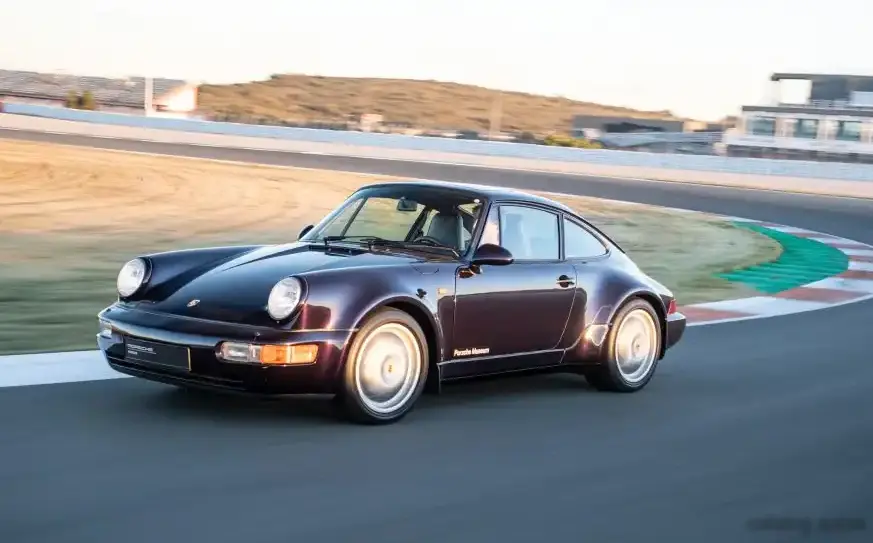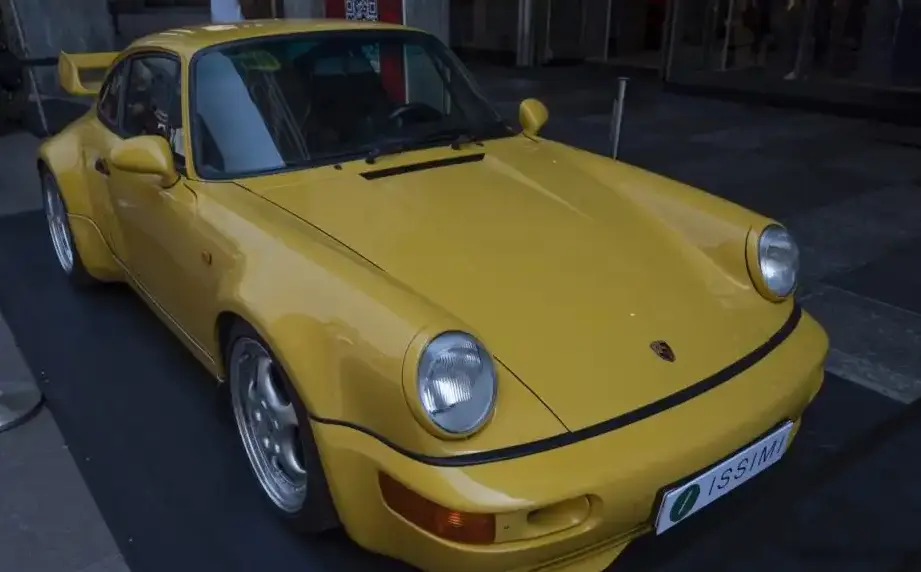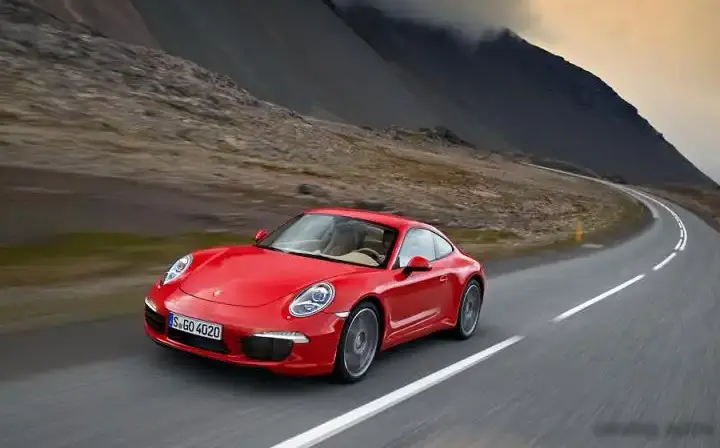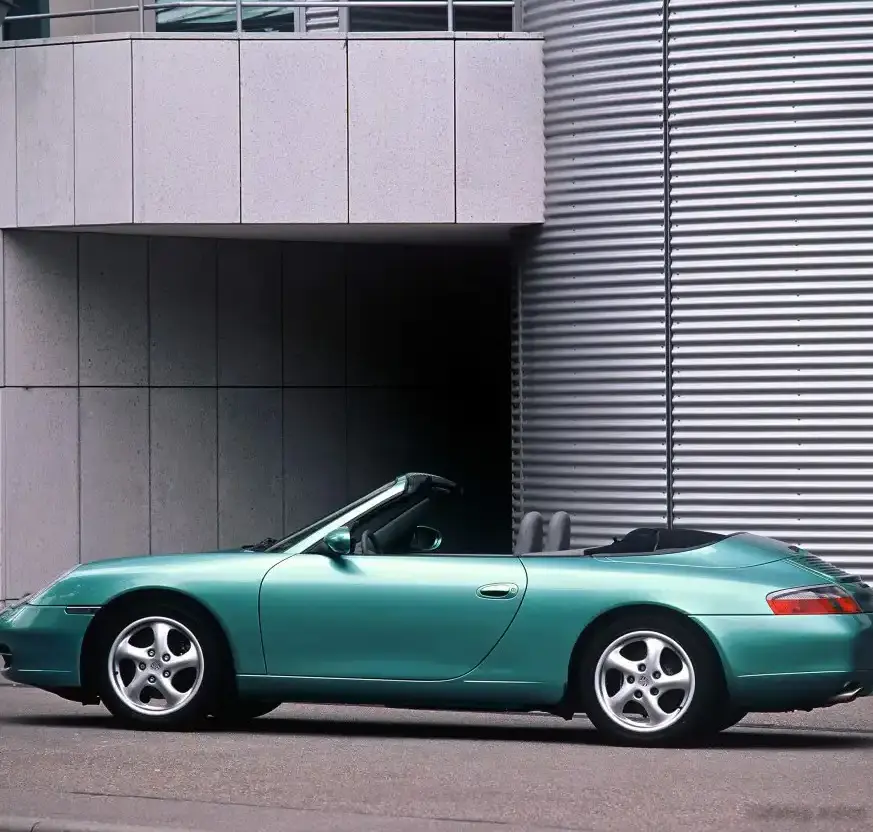
The Porsche 911 Cabriolet (996) Carrera 3.4, equipped with the Tiptronic S automatic transmission, represents a significant evolution in the iconic 911 lineage. Produced from 1998 to 2001, this variant occupied a middle ground within the 996 generation, offering a blend of performance and convenience. It was positioned above the base Carrera models and below the more potent Carrera 4S and Turbo variants. The 996 generation marked a substantial departure from its air-cooled predecessors, embracing water cooling and a completely redesigned chassis, while retaining the classic 911 silhouette and rear-engine layout. This particular configuration, the 3.4-liter engine paired with the Tiptronic S gearbox, aimed to broaden the 911’s appeal to drivers seeking a more accessible and comfortable experience without sacrificing the core Porsche driving dynamics.
Technical Specifications
| Brand | Porsche |
| Model | 911 |
| Generation | 911 Cabriolet (996) |
| Type (Engine) | Carrera 3.4 (300 Hp) Tiptronic S |
| Start of production | 1998 |
| End of production | 2001 |
| Powertrain Architecture | Internal Combustion engine |
| Body type | Cabriolet |
| Seats | 4 |
| Doors | 2 |
| Fuel consumption (economy) – urban | 18.2 l/100 km (12.9 US mpg, 15.5 UK mpg, 5.5 km/l) |
| Fuel consumption (economy) – extra urban | 8.5 l/100 km (27.7 US mpg, 33.2 UK mpg, 11.8 km/l) |
| Fuel consumption (economy) – combined | 12 l/100 km (19.6 US mpg, 23.5 UK mpg, 8.3 km/l) |
| Fuel Type | Petrol (Gasoline) |
| Acceleration 0 – 100 km/h | 6.2 sec |
| Acceleration 0 – 62 mph | 6.2 sec |
| Acceleration 0 – 60 mph | 5.9 sec |
| Maximum speed | 275 km/h (170.88 mph) |
| Weight-to-power ratio | 4.8 kg/Hp, 208.3 Hp/tonne |
| Weight-to-torque ratio | 4.1 kg/Nm, 243.1 Nm/tonne |
| Power | 300 Hp @ 6800 rpm |
| Power per litre | 88.6 Hp/l |
| Torque | 350 Nm @ 4600 rpm (258.15 lb.-ft. @ 4600 rpm) |
| Engine layout | Rear, Longitudinal |
| Engine Model/Code | M96.01, M96.04 |
| Engine displacement | 3387 cm3 (206.69 cu. in.) |
| Number of cylinders | 6 |
| Engine configuration | Boxer |
| Cylinder Bore | 96 mm (3.78 in.) |
| Piston Stroke | 78 mm (3.07 in.) |
| Compression ratio | 11.3:1 |
| Number of valves per cylinder | 4 |
| Fuel injection system | Multi-port manifold injection |
| Engine aspiration | Naturally aspirated engine |
| Engine oil capacity | 8.3 l (8.77 US qt | 7.3 UK qt) |
| Coolant | 22.5 l (23.78 US qt | 19.8 UK qt) |
| Kerb Weight | 1440 kg (3174.66 lbs.) |
| Length | 4430 mm (174.41 in.) |
| Width | 1765 mm (69.49 in.) |
| Height | 1305 mm (51.38 in.) |
| Wheelbase | 2350 mm (92.52 in.) |
| Front track | 1455 mm (57.28 in.) |
| Rear (Back) track | 1500 mm (59.06 in.) |
| Drivetrain Architecture | The Internal combustion engine (ICE) drives the rear wheels of the vehicle. |
| Drive wheel | Rear wheel drive |
| Number of gears and type of gearbox | 5 gears, automatic transmission Tiptronic S |
| Front suspension | Independent, type McPherson with coil spring and anti-roll bar |
| Rear suspension | Independent multi-link suspension |
| Front brakes | Ventilated discs, 318 mm |
| Rear brakes | Ventilated discs, 229 mm |
| Assisting systems | ABS (Anti-lock braking system) |
| Steering type | Steering rack and pinion |
| Power steering | Hydraulic Steering |
| Tires size | 205/50 R17; 255/40 R17 |
| Wheel rims size | 7J x 17; 9J x 17 |
Powertrain & Engine Architecture
At the heart of the 996 Carrera 3.4 Tiptronic S lies the M96.01 or M96.04 engine, a 3.4-liter naturally aspirated flat-six. This engine represented a significant departure from the traditional air-cooled 911 engines, utilizing water cooling for improved thermal management and reduced noise. The engine features a dry-sump lubrication system, a hallmark of Porsche engineering, which ensures consistent oil supply even under extreme cornering forces. Fuel delivery is handled by a multi-port fuel injection system, providing precise control over the air-fuel mixture. The engine’s valvetrain employs four valves per cylinder, contributing to its high-revving nature and power output. The Tiptronic S transmission is a five-speed automatic with a torque converter and the ability for manual gear selection via steering wheel-mounted paddles or the gear selector. This transmission was designed to offer both the convenience of an automatic and the engagement of a manual gearbox.
Driving Characteristics
The 996 Carrera 3.4 Tiptronic S delivers a refined and capable driving experience. While not as overtly aggressive as the manual transmission or higher-output variants, it provides ample power for both everyday driving and spirited excursions. The Tiptronic S transmission offers smooth and relatively quick shifts, although it doesn’t match the immediacy of a traditional manual gearbox. The gear ratios are tuned for a balance of acceleration and fuel efficiency. Compared to the six-speed manual, the Tiptronic S sacrifices some responsiveness, but gains in ease of use, particularly in congested traffic. The rear-engine layout contributes to the 911’s distinctive handling characteristics, providing excellent traction and a unique feel.
Equipment & Trim Levels
The Carrera 3.4 Tiptronic S came standard with a respectable array of features, including leather upholstery, power-adjustable seats, air conditioning, and a basic audio system. Optional extras were plentiful, allowing buyers to customize their vehicles to their preferences. Popular options included a premium sound system, navigation system, sport seats, and various interior trim packages. The Cabriolet version, as tested here, featured a fully automatic retractable soft top, adding open-air enjoyment to the driving experience.
Chassis & Braking
The 996 generation 911 benefited from a completely redesigned chassis, offering improved rigidity and handling compared to previous generations. The suspension utilizes independent McPherson struts at the front and a multi-link setup at the rear, providing a comfortable yet controlled ride. Braking duties are handled by ventilated disc brakes on all four wheels, with ABS standard. The rear brakes are slightly smaller in diameter than the front brakes, reflecting the weight distribution of the rear-engine layout.
Market Reception & Comparison
The 996 Carrera 3.4 Tiptronic S was generally well-received by automotive critics. It was praised for its performance, handling, and refinement. However, some critics noted that the Tiptronic S transmission wasn’t as engaging as the manual gearbox. Compared to the base Carrera models, the 3.4-liter engine offered a noticeable increase in power and torque. Compared to the Carrera 4S, it offered a similar driving experience but with a slightly lower price point. Fuel economy was reasonable for a sports car of its caliber, but not exceptional. Reliability was generally good, although some owners have reported issues with the intermediate shaft (IMS) bearing, a common concern for early 996 models.
Legacy
The 996 Carrera 3.4 Tiptronic S has become a popular choice among Porsche enthusiasts and collectors. While the IMS bearing issue remains a concern, it can be addressed with preventative maintenance. The 996 generation represents a pivotal moment in 911 history, bridging the gap between the classic air-cooled era and the modern water-cooled era. Today, well-maintained examples of the 996 Carrera 3.4 Tiptronic S can be found on the used car market at relatively affordable prices, making them an accessible entry point into the world of Porsche ownership. The combination of performance, comfort, and iconic styling ensures that this variant will continue to be appreciated for years to come.