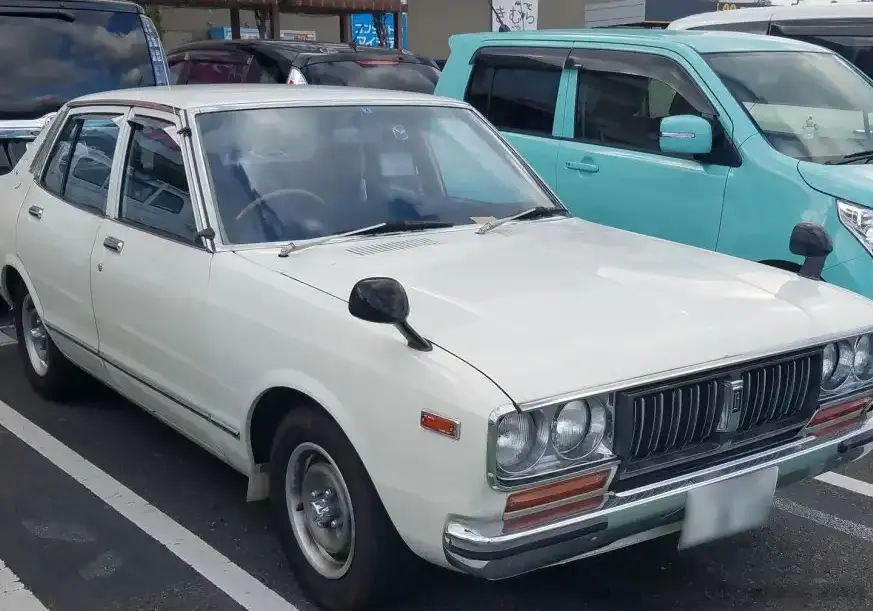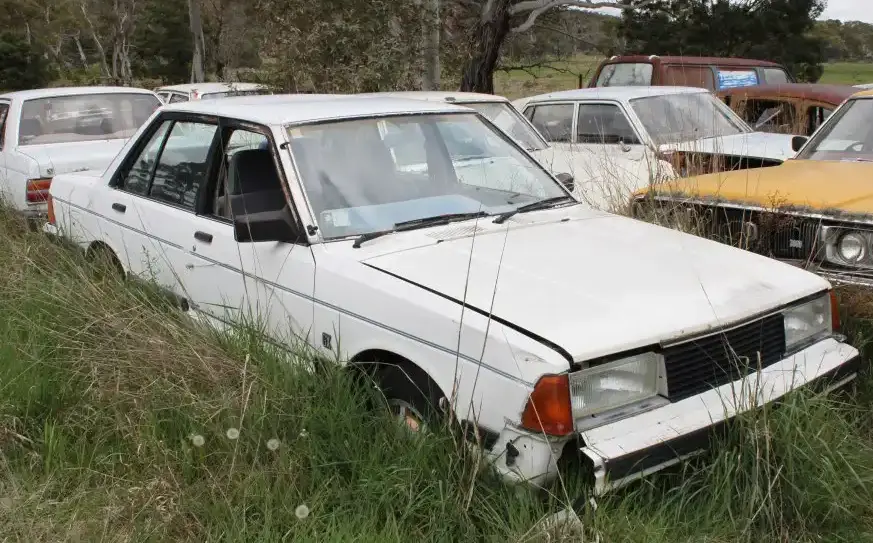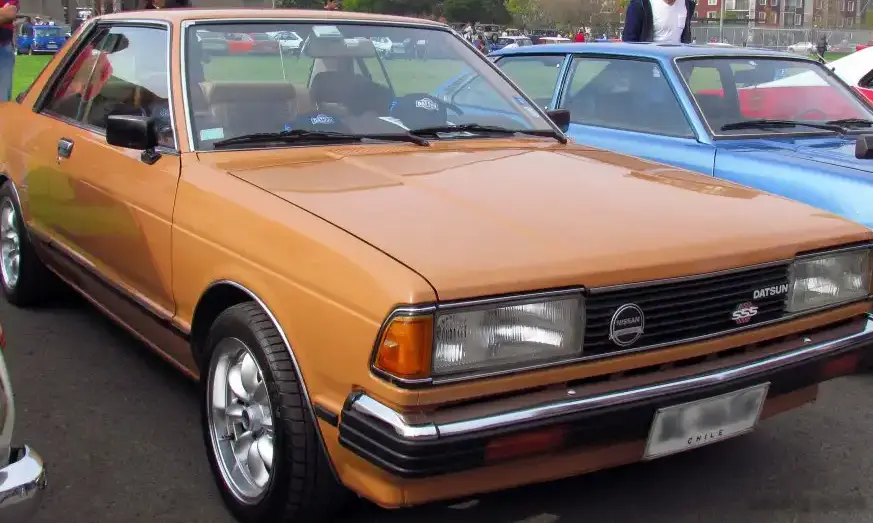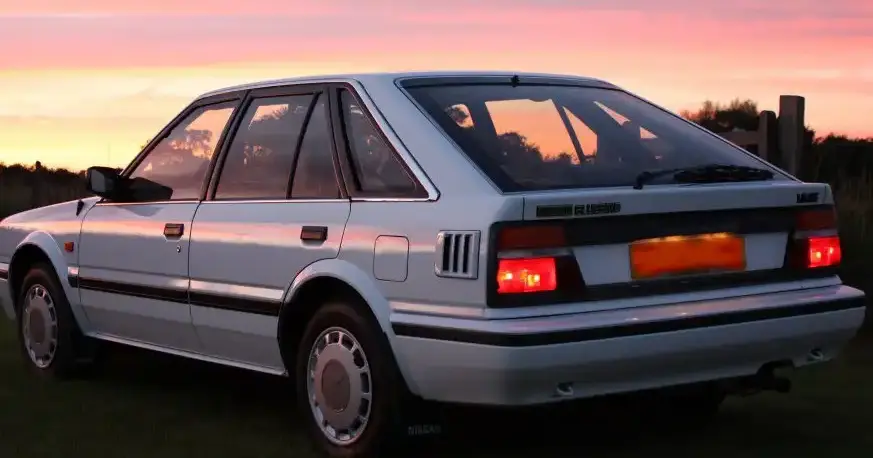
The Nissan Bluebird U12, produced between 1987 and 1991, represented a significant evolution in Nissan’s mid-size sedan offerings. Positioned as a more sporting variant within the Bluebird range, the 2.0 SSS (Super Sports Sedan) model, boasting 140 horsepower, aimed to attract buyers seeking a blend of practicality and performance. The U12 generation Bluebird was a key model for Nissan, particularly in markets like Japan, Australia, and parts of Asia, offering a comfortable and reliable family car with a touch of driver engagement. This variant occupied a middle ground in the lineup, offering more performance than the base models but remaining more accessible than potential luxury-focused trims.
Technical Specifications
| Brand | Nissan |
| Model | Bluebird |
| Generation | Bluebird (U12) |
| Type | 2.0 SSS (140 Hp) |
| Start of production | 1987 |
| End of production | 1991 |
| Powertrain Architecture | Internal Combustion engine |
| Body type | Sedan |
| Seats | 5 |
| Doors | 4 |
| Fuel consumption (urban) | 7.4 l/100 km (31.8 US mpg, 38.2 UK mpg, 13.5 km/l) |
| Fuel Type | Petrol (Gasoline) |
| Power | 140 Hp @ 5800 rpm |
| Power per litre | 70.1 Hp/l |
| Torque | 181 Nm @ 4800 rpm (133.5 lb.-ft. @ 4800 rpm) |
| Engine layout | Front, Transverse |
| Engine displacement | 1998 cm3 (121.93 cu. in.) |
| Number of cylinders | 4 |
| Engine configuration | Inline |
| Cylinder Bore | 86 mm (3.39 in.) |
| Piston Stroke | 86 mm (3.39 in.) |
| Compression ratio | 10:1 |
| Number of valves per cylinder | 4 |
| Fuel injection system | Multi-port manifold injection |
| Engine aspiration | Naturally aspirated engine |
| Valvetrain | DOHC |
| Fuel tank capacity | 60 l (15.85 US gal, 13.2 UK gal) |
| Length | 4520 mm (177.95 in.) |
| Width | 1690 mm (66.54 in.) |
| Height | 1375 mm (54.13 in.) |
| Wheelbase | 2550 mm (100.39 in.) |
| Front track | 1460 mm (57.48 in.) |
| Rear track | 1440 mm (56.69 in.) |
| Minimum turning circle | 10 m (32.81 ft.) |
| Drivetrain | Front wheel drive |
| Number of gears | 5 |
| Gearbox type | Manual transmission |
| Front brakes | Ventilated discs |
| Rear brakes | Drum |
Powertrain & Engine Architecture
The heart of the Bluebird 2.0 SSS was Nissan’s CA20S engine, a 1998cc inline-four cylinder powerplant. This engine featured a double overhead camshaft (DOHC) valvetrain, operating four valves per cylinder, which contributed to its relatively high output for the time. The CA20S utilized multi-port fuel injection, a significant advancement over earlier carbureted designs, improving fuel efficiency and throttle response. The engine’s 86mm bore and 86mm stroke resulted in a square configuration, known for its smooth operation and balanced power delivery. The 140 horsepower peak was achieved at 5800 rpm, while the 181 Nm (133.5 lb-ft) of torque was available at 4800 rpm. The engine was transversely mounted in the front of the vehicle, driving the front wheels. The standard transmission for the SSS model was a five-speed manual gearbox, designed to maximize the engine’s performance potential. While an automatic transmission was offered in some markets, it wasn’t the primary configuration for the SSS, and generally resulted in a noticeable performance decrease.
Driving Characteristics
The 2.0 SSS offered a noticeably more engaging driving experience compared to the lower-spec Bluebird models. The five-speed manual transmission allowed drivers to fully exploit the engine’s powerband. While not a sports car by any means, the SSS provided brisk acceleration and respectable cruising speeds. The gear ratios were tuned to provide a balance between everyday drivability and spirited performance. First gear was relatively short for quick acceleration, while fifth gear was geared for comfortable highway cruising. The relatively light weight of the U12 Bluebird, combined with the 140 hp engine, resulted in a decent power-to-weight ratio for the late 1980s. Compared to a hypothetical automatic transmission version, the manual gearbox offered greater control and efficiency, though at the expense of some convenience. The suspension, while comfortable, was firm enough to minimize body roll during cornering, contributing to a more confident feel. Steering was responsive, providing good feedback to the driver.
Equipment & Trim Levels
The 2.0 SSS trim level included several features designed to enhance both comfort and style. Standard equipment typically included power steering, a decent audio system, and upgraded interior trim compared to the base models. The interior often featured sporty cloth upholstery and a more comprehensive instrument cluster, including a tachometer. Optional extras could include air conditioning, electric windows, and a sunroof. The SSS also often featured unique exterior styling cues, such as a rear spoiler and alloy wheels, differentiating it from the more conservatively styled standard Bluebird models. The dashboard layout was functional and driver-focused, with easy-to-read gauges and well-placed controls. The SSS trim generally represented a step up in interior refinement compared to the base Bluebird models, with higher quality materials and more attention to detail.
Chassis & Braking
The U12 Bluebird utilized a front-engine, front-wheel-drive layout. The suspension consisted of MacPherson struts at the front and a semi-independent torsion beam setup at the rear. This configuration provided a good balance between ride comfort and handling. The front brakes were ventilated discs, offering superior stopping power compared to the drum brakes used on the rear wheels. The steering was typically a rack-and-pinion system, providing precise and responsive control. Stabilizer bars were often included at both the front and rear to reduce body roll during cornering. The chassis was designed to be relatively lightweight, contributing to the car’s overall agility. The rear drum brakes, while adequate for normal driving, were a point of differentiation from higher-spec vehicles that often featured all-disc braking systems.
Market Reception & Comparison
The Nissan Bluebird 2.0 SSS was generally well-received by automotive critics as a competent and enjoyable mid-size sedan. It was praised for its smooth engine, comfortable ride, and relatively sporty handling. Compared to rivals like the Toyota Corolla and Honda Accord, the Bluebird SSS offered a slightly more driver-focused experience. Fuel economy was considered reasonable for the time, although not class-leading, averaging around 32 mpg in combined driving. Reliability was a strong point for the Bluebird, with the CA20S engine proving to be durable and long-lasting. The manual transmission version was favored by enthusiasts for its greater engagement, while the automatic transmission offered greater convenience for everyday driving. The Bluebird SSS positioned itself as a more affordable alternative to more expensive sports sedans, offering a good balance of performance and practicality.
Legacy
The Nissan Bluebird U12 2.0 SSS remains a fondly remembered car among enthusiasts, particularly in regions where it was widely sold. The CA20S engine is known for its robustness and relatively simple maintenance requirements. While parts availability may be becoming more challenging, the engine is generally considered to be reliable and capable of high mileage with proper care. Today, well-maintained examples of the U12 Bluebird SSS are becoming increasingly collectible, appealing to those seeking a classic Japanese sedan with a touch of sporting flair. The U12 Bluebird, and the 2.0 SSS variant in particular, represents a significant chapter in Nissan’s history, showcasing the company’s commitment to building practical, reliable, and enjoyable vehicles. Its blend of affordability, performance, and durability has cemented its place as a desirable classic car for many enthusiasts.