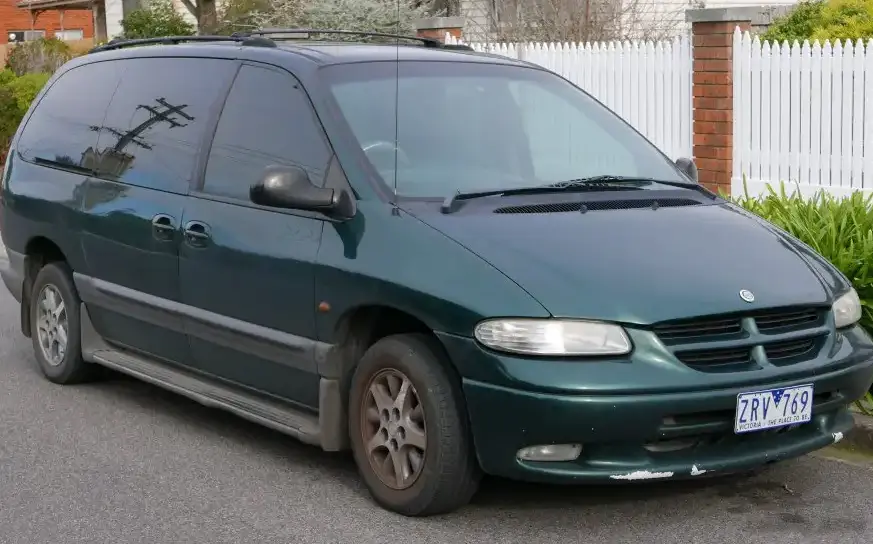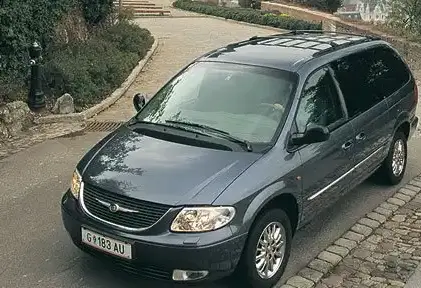
The Chrysler Grand Voyager IV 2.4i 16V, produced between 2001 and 2007, represented a key iteration of Chrysler’s popular minivan offering in the European market. Positioned as a mid-range option within the fourth-generation (NS) Grand Voyager lineup, this variant combined a 2.4-liter inline-four engine with a five-speed manual transmission, offering a balance between affordability and practicality for families. It was part of the larger Chrysler Voyager family, which included both short-wheelbase Voyager models and the extended-length Grand Voyager, catering to diverse needs within the minivan segment. This generation saw the Voyager transition further towards a more refined and feature-rich experience compared to its predecessors.
Technical Specifications
| Brand | Chrysler |
| Model | Voyager |
| Generation | Grand Voyager IV |
| Type (Engine) | 2.4 i 16V (147 Hp) |
| Start of production | 2001 |
| End of production | 2007 |
| Powertrain Architecture | Internal Combustion engine |
| Body type | Minivan |
| Seats | 7 |
| Doors | 4 |
| Fuel consumption (urban) | 13.6 l/100 km (17.3 US mpg, 20.8 UK mpg) |
| Fuel consumption (extra urban) | 8.1 l/100 km (29 US mpg, 34.9 UK mpg) |
| Fuel consumption (combined) | 10.1 l/100 km (23.3 US mpg, 28 UK mpg) |
| Fuel Type | Petrol (Gasoline) |
| Acceleration 0 – 100 km/h | 15.8 sec |
| Acceleration 0 – 62 mph | 15.8 sec |
| Acceleration 0 – 60 mph | 15 sec |
| Maximum speed | 183 km/h (113.71 mph) |
| Weight-to-power ratio | 13.2 kg/Hp |
| Weight-to-torque ratio | 8.9 kg/Nm |
| Power | 147 Hp @ 5200 rpm |
| Torque | 218 Nm @ 4000 rpm (160.79 lb.-ft. @ 4000 rpm) |
| Engine layout | Front, Transverse |
| Engine Model/Code | EDZ |
| Engine displacement | 2429 cm3 (148.23 cu. in.) |
| Number of cylinders | 4 |
| Engine configuration | Inline |
| Cylinder Bore | 87.5 mm (3.44 in.) |
| Piston Stroke | 101 mm (3.98 in.) |
| Compression ratio | 9.5:1 |
| Number of valves per cylinder | 4 |
| Fuel injection system | Multi-port manifold injection |
| Engine aspiration | Naturally aspirated engine |
| Valvetrain | DOHC |
| Engine oil capacity | 4.7 l (4.97 US qt | 4.14 UK qt) |
| Coolant capacity | 10.7 l (11.31 US qt | 9.41 UK qt) |
| Kerb Weight | 1935 kg (4265.94 lbs.) |
| Max. weight | 2505 kg (5522.58 lbs.) |
| Max load | 570 kg (1256.63 lbs.) |
| Trunk (boot) space – minimum | 920 l (32.49 cu. ft.) |
| Trunk (boot) space – maximum | 4130 l (145.85 cu. ft.) |
| Fuel tank capacity | 75 l (19.81 US gal | 16.5 UK gal) |
| Length | 5094 mm (200.55 in.) |
| Width | 1997 mm (78.62 in.) |
| Height | 1749 mm (68.86 in.) |
| Wheelbase | 3030 mm (119.29 in.) |
| Front track | 1600 mm (62.99 in.) |
| Rear (Back) track | 1625 mm (63.98 in.) |
| Drivetrain Architecture | Front wheel drive |
| Number of gears and type of gearbox | 5 gears, manual transmission |
| Front suspension | Wishbone |
| Rear suspension | Leaf spring |
| Front brakes | Ventilated discs |
| Rear brakes | Disc |
| Assisting systems | ABS (Anti-lock braking system) |
| Steering type | Steering rack and pinion |
| Power steering | Hydraulic Steering |
| Tires size | 215/65 R16 |
Powertrain & Engine Architecture
The heart of the Grand Voyager IV 2.4i 16V is the EDZ engine, a 2.4-liter inline-four cylinder gasoline engine. This engine utilizes a multi-port fuel injection system, delivering fuel directly into the intake ports, optimizing combustion efficiency. The engine features a double overhead camshaft (DOHC) valvetrain, operating four valves per cylinder, enhancing volumetric efficiency and contributing to the engine’s 147 horsepower output at 5200 rpm and 218 Nm (160.79 lb-ft) of torque at 4000 rpm. The five-speed manual transmission was a key differentiator for this trim, offering drivers more control and a more engaging driving experience compared to the available automatic options. The transmission’s gear ratios were tuned for a balance of acceleration and fuel economy, though the Grand Voyager’s weight inevitably impacted performance.
Driving Characteristics
The 2.4-liter engine, paired with the five-speed manual, provided adequate, though not exhilarating, performance for the Grand Voyager. Acceleration from 0-100 km/h (0-62 mph) took approximately 15.8 seconds, and top speed was limited to 183 km/h (113.71 mph). The manual transmission allowed drivers to make the most of the available power, but the vehicle’s substantial weight – around 1935 kg (4265.94 lbs) – was always noticeable. Compared to the higher-powered V6 options, the 2.4i felt less responsive, particularly when fully loaded with passengers and cargo. However, the manual gearbox provided a more connected feel and better fuel economy than the automatic versions.
Equipment & Trim Levels
The 2.4i 16V Grand Voyager typically came with a respectable level of standard equipment. This included power windows, power locks, air conditioning, and an AM/FM radio. Interior upholstery was generally cloth, with options for upgraded materials available. Common optional extras included alloy wheels, a sunroof, and a more advanced audio system. The trim level sat in the middle of the range, offering a good balance of features and affordability. It was aimed at families who prioritized practicality and value over outright performance or luxury.
Chassis & Braking
The Grand Voyager IV utilized a front-wheel-drive layout with a wishbone suspension at the front and a leaf spring suspension at the rear. The leaf spring setup, while cost-effective, was less sophisticated than the independent suspension found on some competitors. Braking duties were handled by ventilated discs at the front and solid discs at the rear, assisted by an Anti-lock Braking System (ABS). The steering was rack and pinion, with hydraulic power assistance. The tires were typically sized 215/65 R16, providing a reasonable compromise between ride comfort and handling.
Market Reception & Comparison
The 2.4i 16V Grand Voyager was generally well-received as a practical and affordable family vehicle. Critics noted its spacious interior, comfortable ride, and reasonable fuel economy (around 10.1 l/100 km combined). However, the engine’s performance was often criticized as being underpowered, especially when compared to the V6 options. The manual transmission was appreciated by drivers who enjoyed a more engaging driving experience, but it wasn’t as popular as the automatic transmission among the target demographic. Compared to rivals like the Renault Espace or Volkswagen Sharan, the Grand Voyager offered a more American-style driving experience, prioritizing comfort and space over sporty handling.
Legacy
The Chrysler Grand Voyager IV 2.4i 16V has proven to be a relatively reliable vehicle, with the EDZ engine generally considered durable. However, like all vehicles of this age, regular maintenance is crucial to prevent issues. Common problems include wear and tear on suspension components, corrosion, and occasional issues with the fuel injection system. In the used car market, this variant represents a good value proposition for buyers seeking a spacious and practical minivan at an affordable price. While it may not offer the performance of higher-spec models, its reliability and practicality make it a compelling choice for families.