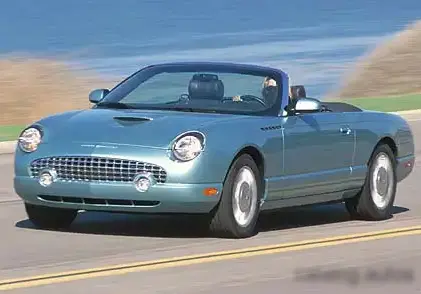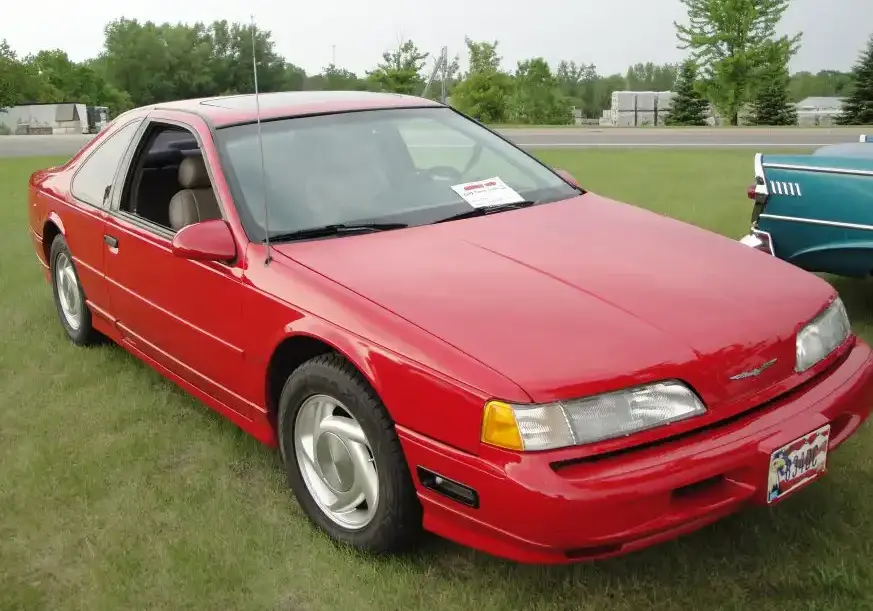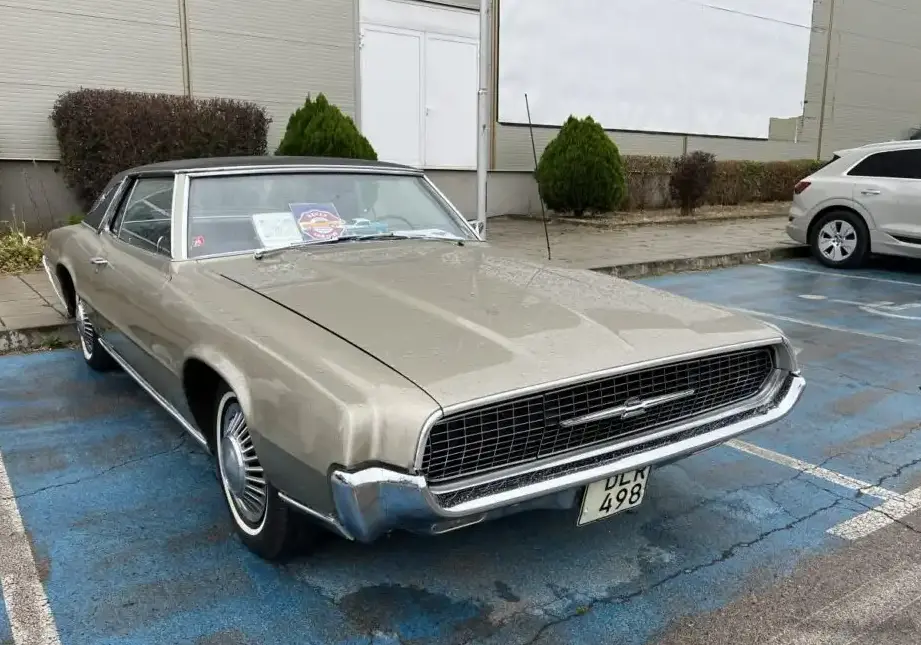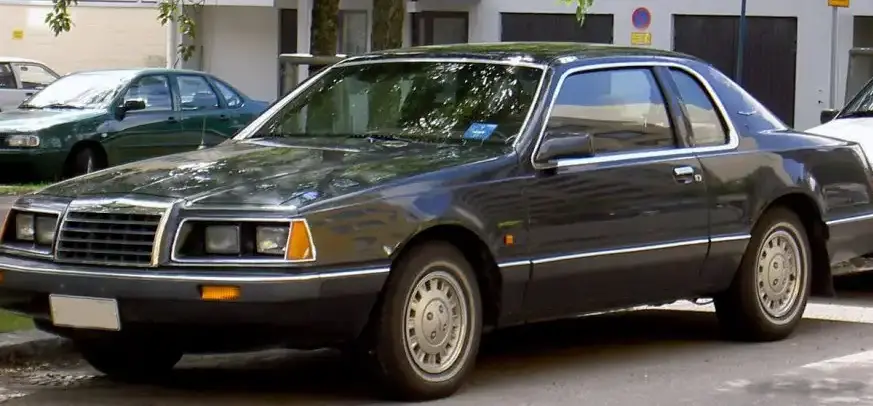
The Ford Thunderbird (Aero Birds) 3.8 Essex V6, produced between 1983 and 1988, represented a significant departure for Ford’s iconic personal luxury car. This generation, often referred to as the “Aero Birds” due to its more aerodynamic styling, aimed to attract a younger, more fuel-conscious buyer than previous Thunderbirds. The 3.8 Essex V6, producing 110 horsepower, was positioned as the base engine option, offering a balance of affordability and reasonable performance. It served as the entry point into the Thunderbird lineup, sitting below the more powerful V8 variants. This model played a crucial role in keeping the Thunderbird relevant during a period of increasing fuel prices and changing consumer preferences.
Technical Specifications
| Brand | Ford |
| Model | Thunderbird |
| Generation | Thunderbird (Aero Birds) |
| Engine Type | 3.8 Essex V6 (110 Hp) |
| Production Years | 1983 – 1988 |
| Powertrain Architecture | Internal Combustion Engine |
| Body Type | Coupe |
| Seats | 5 |
| Doors | 2 |
| Fuel Type | Petrol (Gasoline) |
| Maximum Speed | 235 km/h (146.02 mph) |
| Power | 110 Hp |
| Engine Aspiration | Naturally Aspirated |
| Length | 5133 mm (202.09 in) |
| Width | 1806 mm (71.1 in) |
| Height | 1356 mm (53.39 in) |
| Wheelbase | 2647 mm (104.21 in) |
| Drivetrain | Rear Wheel Drive |
| Number of Gears | 5 |
| Gearbox Type | Manual Transmission |
Powertrain & Engine Architecture
The heart of this Thunderbird variant was the Ford 3.8-liter Essex V6 engine. This engine, internally designated as the 3800, was a 60-degree V6, utilizing a cast iron block and aluminum cylinder heads. While not a high-performance engine, it was known for its relative smoothness and durability. The 110 horsepower output was achieved through a two-barrel carburetor fuel system, a relatively simple setup for the time. The engine featured a single overhead camshaft (SOHC) valvetrain, operating two valves per cylinder. The 5-speed manual transmission was a key component, offering drivers more control over the engine’s power delivery compared to the optional automatic. This transmission was a relatively standard design for the era, providing a direct connection to the rear wheels. The engine’s design prioritized fuel efficiency and reliability over outright power, aligning with the market trends of the 1980s.
Driving Characteristics
The 1983-1988 Thunderbird with the 3.8L V6 and 5-speed manual offered a driving experience that was more engaging than the automatic-equipped models. While not a sports car, the manual transmission allowed drivers to keep the engine in its optimal power band. Acceleration was adequate for everyday driving, but it wasn’t particularly quick. The gear ratios were tuned for fuel economy, meaning that the engine needed to be revved to achieve brisk acceleration. Compared to the V8-powered Thunderbirds, the 3.8L felt noticeably less powerful, especially when fully loaded with passengers. However, the lighter weight of the V6 engine contributed to slightly better handling. The rear-wheel-drive configuration provided a balanced feel, although the suspension was tuned for comfort rather than sporty handling. Overall, the driving experience was comfortable and predictable, making it a suitable choice for cruising and daily commuting.
Equipment & Trim Levels
The base 3.8L Thunderbird came with a fairly standard set of features for the early 1980s. The interior typically featured cloth upholstery, a basic AM/FM radio, and manual windows and locks. Air conditioning was often an optional extra. The dashboard layout was straightforward and functional, with clearly marked gauges. Higher trim levels, such as the LX, offered upgrades like upgraded upholstery, power windows and locks, and a more sophisticated sound system. Optional extras included a sunroof, cruise control, and upgraded wheels. The exterior styling was characterized by its sleek, aerodynamic lines, with a distinctive grille and pop-up headlights. The overall interior ambiance was geared towards comfort and practicality, rather than luxury.
Chassis & Braking
The Thunderbird Aero Birds utilized a body-on-frame construction, a common practice for American cars of that era. The suspension consisted of independent front suspension with coil springs and a solid rear axle with leaf springs. The rear drum brakes were standard on the base 3.8L model, while higher trim levels often received rear disc brakes. The front brakes were power-assisted discs. The steering was a recirculating ball system, providing a relatively smooth but somewhat vague steering feel. Stabilizer bars were included to reduce body roll during cornering, but the suspension was primarily tuned for a comfortable ride. The chassis was designed to provide a stable and predictable driving experience, prioritizing comfort over sporty handling.
Market Reception & Comparison
The 1983-1988 Thunderbird with the 3.8L V6 and 5-speed manual received mixed reviews. Critics praised its fuel efficiency and comfortable ride, but some found the engine to be underpowered. Compared to the V8-powered Thunderbirds, the 3.8L offered significantly lower fuel consumption, making it a more attractive option for budget-conscious buyers. However, the V8 models provided a much more exhilarating driving experience. The 3.8L was also often compared to other personal luxury coupes of the time, such as the Chevrolet Monte Carlo and the Dodge Mirada. The Thunderbird generally offered a more modern and aerodynamic design, as well as a slightly more refined interior. Reliability was generally good, although some owners reported issues with the carburetor and the automatic transmission (in automatic equipped models).
Legacy
The 3.8 Essex V6-powered Thunderbird, while not the most powerful or sought-after variant, holds a significant place in the Thunderbird’s history. It represented Ford’s attempt to adapt to changing market conditions and appeal to a wider range of buyers. The engine itself proved to be durable and reliable, and many examples are still on the road today. In the used car market, these Thunderbirds are relatively affordable and offer a classic American driving experience. While not a collector’s item, they are appreciated by enthusiasts for their simplicity, comfort, and distinctive styling. The 3.8L V6 version remains a viable option for those seeking a classic American coupe that is both enjoyable to drive and relatively easy to maintain.