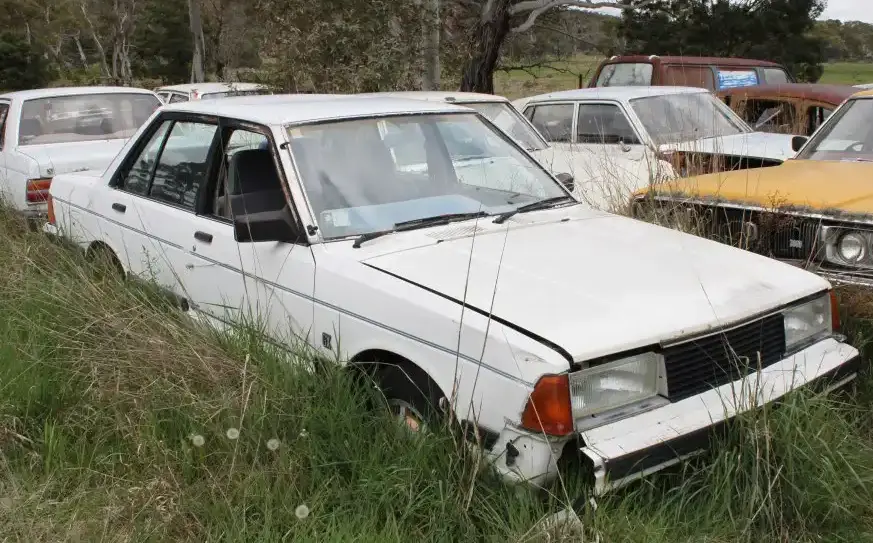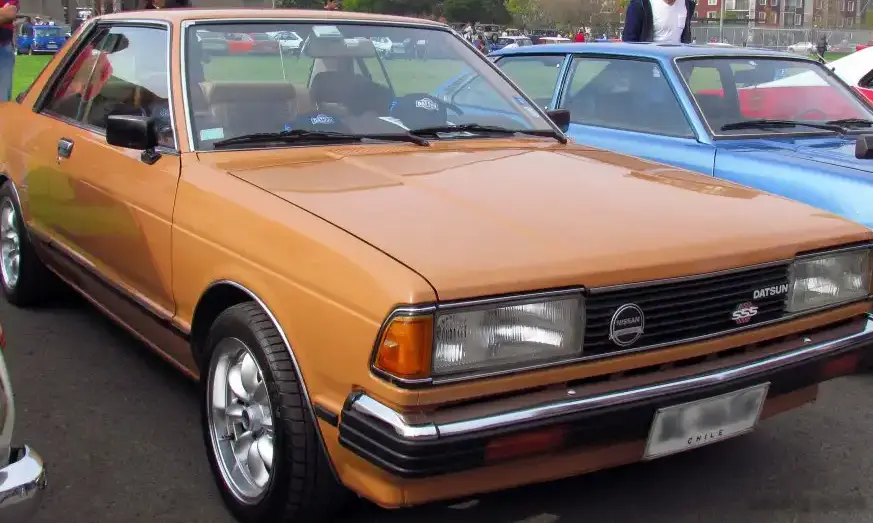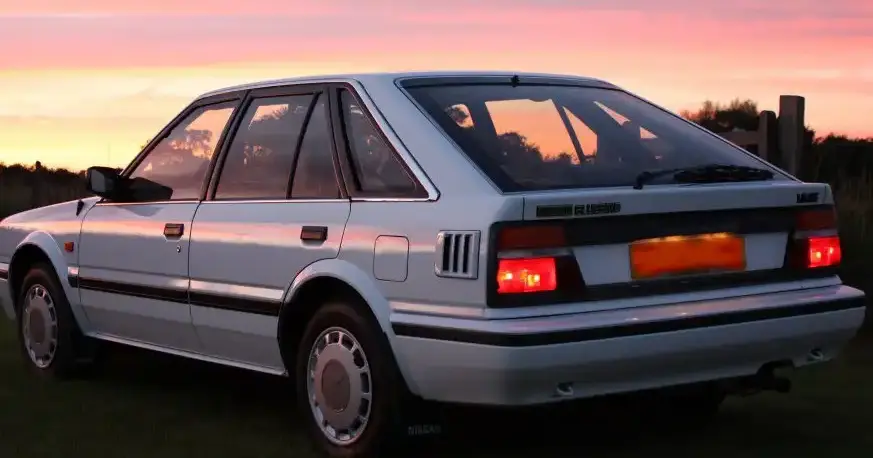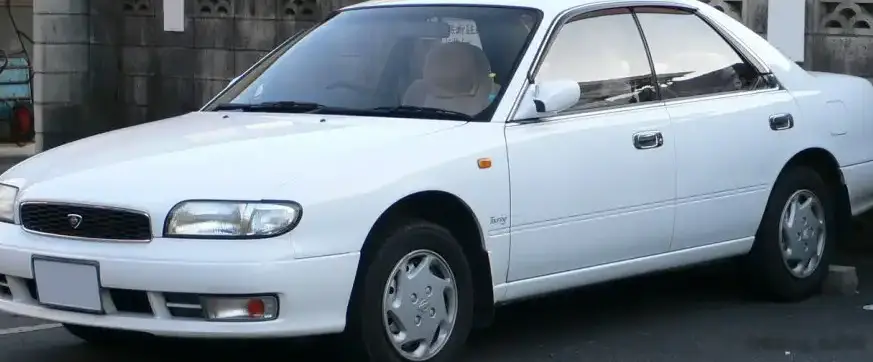
The Nissan Bluebird U13, produced between 1991 and 1995, represented a significant evolution of Nissan’s long-running Bluebird lineage. This generation, sold primarily in Japan and select export markets, aimed to blend practicality, comfort, and a degree of sporting appeal within the competitive mid-size sedan segment. The 1.6-liter (97 hp) variant occupied an important position in the U13 lineup, serving as the entry point for buyers seeking a reliable and fuel-efficient family car. It was positioned below the more powerful 1.8 and 2.0-liter options, and offered a more affordable alternative to competitors like the Toyota Corolla and Honda Accord.
Technical Specifications
| Brand | Nissan |
| Model | Bluebird |
| Generation | Bluebird (U13) |
| Type (Engine) | 1.6 (97 Hp) |
| Start of production | 1991 |
| End of production | 1995 |
| Powertrain Architecture | Internal Combustion engine |
| Body type | Sedan |
| Seats | 5 |
| Doors | 4 |
| Fuel Type | Petrol (Gasoline) |
| Weight-to-power ratio | 11.3 kg/Hp, 88.2 Hp/tonne |
| Weight-to-torque ratio | 8.3 kg/Nm, 120 Nm/tonne |
| Power | 97 Hp @ 6000 rpm |
| Power per litre | 60.8 Hp/l |
| Torque | 132 Nm @ 4000 rpm (97.36 lb.-ft. @ 4000 rpm) |
| Engine layout | Front, Transverse |
| Engine displacement | 1596 cm3 (97.39 cu. in.) |
| Number of cylinders | 4 |
| Engine configuration | Inline |
| Cylinder Bore | 76 mm (2.99 in.) |
| Piston Stroke | 88 mm (3.46 in.) |
| Compression ratio | 10:1 |
| Number of valves per cylinder | 4 |
| Fuel injection system | Multi-port manifold injection |
| Engine aspiration | Naturally aspirated engine |
| Kerb Weight | 1100 kg (2425.08 lbs.) |
| Fuel tank capacity | 60 l (15.85 US gal | 13.2 UK gal) |
| Length | 4585 mm (180.51 in.) |
| Width | 1695 mm (66.73 in.) |
| Height | 1405 mm (55.31 in.) |
| Wheelbase | 2620 mm (103.15 in.) |
| Front track | 1465 mm (57.68 in.) |
| Rear (Back) track | 1455 mm (57.28 in.) |
| Ride height (ground clearance) | 145 mm (5.71 in.) |
| Drivetrain Architecture | The Internal combustion engine (ICE) drives the front wheels of the vehicle. |
| Drive wheel | Front wheel drive |
| Number of gears and type of gearbox | 5 gears, manual transmission |
| Front brakes | Ventilated discs |
| Rear brakes | Drum |
| Steering type | Steering rack and pinion |
Powertrain & Engine Architecture
The heart of the U13 Bluebird 1.6 was the GA16DE engine, a 1.6-liter inline-four cylinder powerplant. This engine utilized a naturally aspirated configuration with multi-port fuel injection, a common setup for the time aimed at balancing performance and fuel economy. The GA16DE featured a single overhead camshaft (SOHC) design with four valves per cylinder, contributing to its relatively smooth operation. The engine’s 10:1 compression ratio was typical for a non-turbocharged gasoline engine of this era. The 97 horsepower output was achieved at 6000 rpm, while peak torque of 132 Nm (97.36 lb-ft) arrived at 4000 rpm. This engine was known for its durability and relatively simple maintenance requirements. The U13 1.6 was exclusively offered with a 5-speed manual transmission, providing drivers with direct control over the engine’s power delivery.
Driving Characteristics
The 1.6-liter Bluebird offered a comfortable and predictable driving experience. While not particularly sporty, the engine provided adequate power for everyday driving situations. Acceleration was modest, but sufficient for merging onto highways and navigating city streets. The 5-speed manual transmission allowed drivers to keep the engine in its optimal power band, maximizing efficiency and responsiveness. Compared to the larger 1.8 and 2.0-liter variants, the 1.6 felt less strained during acceleration, but also lacked the same level of outright performance. The gear ratios were tuned for fuel economy, resulting in a slightly higher engine speed at cruising speeds. The front-wheel-drive configuration provided decent handling, although it wasn’t as engaging as some rear-wheel-drive alternatives.
Equipment & Trim Levels
The 1.6-liter Bluebird typically came with a fairly basic level of equipment, reflecting its position as the entry-level model. Standard features generally included power steering, cloth upholstery, and a basic audio system. Air conditioning was often an optional extra. Interior trim was functional and durable, prioritizing practicality over luxury. Higher trim levels, available with the larger engines, offered features such as power windows, central locking, and upgraded audio systems. The dashboard layout was straightforward and easy to use, with clearly labeled controls. The U13 Bluebird prioritized a comfortable and spacious cabin for both front and rear passengers.
Chassis & Braking
The U13 Bluebird utilized a MacPherson strut front suspension and a torsion beam rear suspension. This setup provided a good balance between ride comfort and handling. The front suspension featured ventilated disc brakes, while the rear brakes were drum brakes. This configuration was common for vehicles in this class during the early 1990s. The steering system employed a rack and pinion setup, offering precise and responsive steering feel. The relatively lightweight nature of the 1.6-liter model contributed to its nimble handling characteristics. Stabilizer bars were typically fitted to the front suspension to reduce body roll during cornering.
Market Reception & Comparison
The Nissan Bluebird U13 1.6 was generally well-received as a reliable and affordable family sedan. Critics praised its fuel efficiency and comfortable ride. However, some reviewers noted that its performance was somewhat lacking compared to competitors. The 1.6-liter engine offered a significant fuel economy advantage over the larger engine options, making it a popular choice for budget-conscious buyers. In terms of reliability, the GA16DE engine proved to be exceptionally durable, with many examples exceeding 200,000 kilometers without major issues. Compared to the 1.8 and 2.0-liter models, the 1.6 offered a lower purchase price and lower running costs, but at the expense of performance.
Legacy
The Nissan Bluebird U13 1.6 has maintained a reputation for reliability and affordability in the used car market. The GA16DE engine is known for its longevity and relatively simple maintenance requirements. Parts availability remains good, making it a relatively easy vehicle to keep on the road. While not a particularly sought-after model by enthusiasts, the U13 1.6 represents a solid and dependable choice for those seeking a classic Japanese sedan. Its enduring appeal lies in its practicality, fuel efficiency, and overall reliability, making it a testament to Nissan’s engineering prowess of the early 1990s.