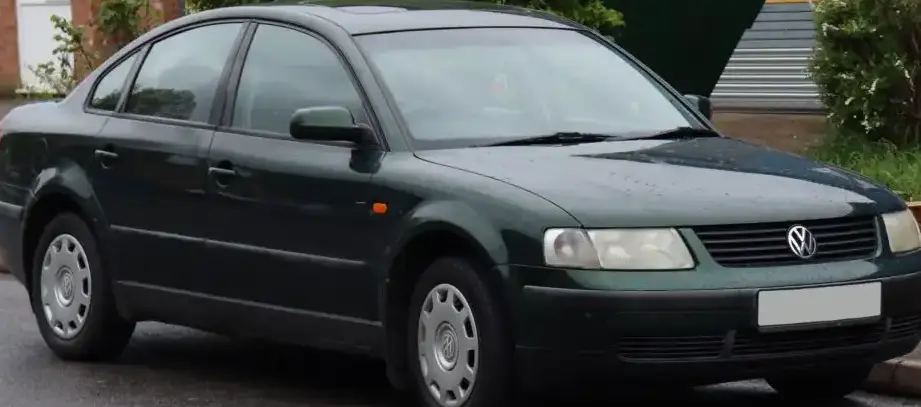
The Volkswagen Passat B5 2.0i Syncro, produced between 1997 and 2000, represents a compelling blend of practicality, all-wheel-drive capability, and relatively accessible performance within the broader B5 Passat range. Positioned as a mid-range offering, it catered to buyers seeking enhanced traction and stability, particularly in regions experiencing inclement weather. This variant utilized Volkswagen’s 4Motion all-wheel-drive system, differentiating it from the more common front-wheel-drive Passat models. It was a key part of the B5 generation (1996-2005), which marked a significant step forward in terms of refinement and technology for Volkswagen’s mid-size family car.
Technical Specifications
| Brand | Volkswagen |
| Model | Passat |
| Generation | Passat (B5) |
| Type (Engine) | 2.0 i (115 Hp) Syncro |
| Start of production | 1997 |
| End of production | 2000 |
| Powertrain Architecture | Internal Combustion engine |
| Body type | Sedan |
| Seats | 5 |
| Doors | 4 |
| Fuel consumption (urban) | 12.3 l/100 km (19.1 US mpg, 23 UK mpg, 8.1 km/l) |
| Fuel consumption (extra urban) | 7 l/100 km (33.6 US mpg, 40.4 UK mpg, 14.3 km/l) |
| Fuel consumption (combined) | 8.9 l/100 km (26.4 US mpg, 31.7 UK mpg, 11.2 km/l) |
| Fuel Type | Petrol (Gasoline) |
| Acceleration 0 – 100 km/h | 11.6 sec |
| Acceleration 0 – 62 mph | 11.6 sec |
| Acceleration 0 – 60 mph | 11 sec |
| Maximum speed | 196 km/h (121.79 mph) |
| Weight-to-power ratio | 12.6 kg/Hp, 79.6 Hp/tonne |
| Weight-to-torque ratio | 8.7 kg/Nm, 114.9 Nm/tonne |
| Power | 115 Hp @ 5400 rpm |
| Power per litre | 58 Hp/l |
| Torque | 166 Nm @ 3200 rpm (122.44 lb.-ft. @ 3200 rpm) |
| Engine layout | Front, Longitudinal |
| Engine Model/Code | AZM, BFF |
| Engine displacement | 1984 cm3 (121.07 cu. in.) |
| Number of cylinders | 4 |
| Engine configuration | Inline |
| Cylinder Bore | 82.5 mm (3.25 in.) |
| Piston Stroke | 92.8 mm (3.65 in.) |
| Compression ratio | 10:1 |
| Number of valves per cylinder | 2 |
| Fuel injection system | Multi-port manifold injection |
| Engine aspiration | Naturally aspirated engine |
| Valvetrain | OHC |
| Engine oil capacity | 4 l (4.23 US qt | 3.52 UK qt) |
| Coolant capacity | 5.5 l (5.81 US qt | 4.84 UK qt) |
| Kerb Weight | 1445 kg (3185.68 lbs.) |
| Max. weight | 2000 kg (4409.25 lbs.) |
| Max load | 555 kg (1223.57 lbs.) |
| Trunk (boot) space – minimum | 400 l (14.13 cu. ft.) |
| Trunk (boot) space – maximum | 725 l (25.6 cu. ft.) |
| Fuel tank capacity | 62 l (16.38 US gal | 13.64 UK gal) |
| Length | 4703 mm (185.16 in.) |
| Width | 1746 mm (68.74 in.) |
| Height | 1462 mm (57.56 in.) |
| Wheelbase | 2703 mm (106.42 in.) |
| Front track | 1515 mm (59.65 in.) |
| Rear (Back) track | 1515 mm (59.65 in.) |
| Drive wheel | All wheel drive (4×4) |
| Number of gears and type of gearbox | 5 gears, manual transmission |
| Front suspension | Coil spring |
| Rear suspension | Double wishbone |
| Front brakes | Ventilated discs |
| Rear brakes | Disc |
| Assisting systems | ABS (Anti-lock braking system) |
| Steering type | Steering rack and pinion |
| Power steering | Hydraulic Steering |
| Tires size | 195/65 R15 |
| Wheel rims size | 6J x 15 |
Powertrain & Engine Architecture
The 2.0i Syncro variant was typically powered by either the AZM or BFF engine code, both representing variations of Volkswagen’s 1.8 and 2.0 liter inline-four cylinder gasoline engines. These engines featured multi-port fuel injection and a single overhead camshaft (OHC) valvetrain. The 1984cc engine produced 115 horsepower at 5400 rpm and 166 Nm (122.44 lb-ft) of torque at 3200 rpm. The engine’s longitudinal mounting, coupled with the 4Motion system, necessitated a more complex drivetrain layout compared to front-wheel-drive Passats. The 4Motion system utilized a viscous coupling to distribute power between the front and rear axles, providing all-wheel drive capability when slip was detected. The standard transmission was a five-speed manual, although an optional four-speed automatic transmission was available, albeit less common.
Driving Characteristics
The 2.0i Syncro, with its 115 hp and five-speed manual transmission, offered a reasonable balance between performance and fuel economy. Acceleration from 0 to 60 mph took around 11 seconds, and top speed was approximately 122 mph. While not a particularly sporty configuration, the 4Motion system provided significantly improved traction, especially on slippery surfaces. Compared to the more powerful 1.8T or VR6 variants, the 2.0i felt less responsive, particularly during overtaking maneuvers. The automatic transmission, when equipped, further dulled performance due to its less efficient power delivery and fewer gear ratios. However, it provided a more relaxed driving experience, appealing to drivers prioritizing comfort over outright speed.
Equipment & Trim Levels
The 2.0i Syncro typically came with a respectable level of standard equipment. This included power windows, central locking, power steering, and an ABS anti-lock braking system. Interior upholstery was generally cloth, with options for upgraded materials available. Trim levels varied depending on the market, but common options included alloy wheels, a sunroof, and a more sophisticated audio system. Air conditioning was often standard, but could be an optional extra in some markets. The dashboard layout was typical of the B5 Passat, characterized by a functional and ergonomic design.
Chassis & Braking
The Passat B5 featured independent suspension all around, with coil springs and dampers at the front and a multi-link double wishbone setup at the rear. The Syncro models often had slightly stiffer suspension settings to compensate for the added weight of the all-wheel-drive system. Braking was handled by ventilated discs at the front and solid discs at the rear. The ABS system provided effective stopping power and stability, particularly in adverse conditions. The 4Motion system also contributed to improved braking performance by distributing braking force more effectively.
Market Reception & Comparison
The 2.0i Syncro was generally well-received by automotive critics as a practical and capable family car. It was praised for its all-wheel-drive system, which provided enhanced safety and stability in challenging weather conditions. However, some critics noted that the engine lacked the punch of the more powerful alternatives. Compared to the 1.8T, the 2.0i offered less performance but was generally more reliable and less prone to turbocharger issues. The 2.0i also offered better fuel economy than the VR6, but at the expense of performance. In terms of reliability, the 2.0i engine proved to be relatively robust, although regular maintenance was essential.
Legacy
Today, the Volkswagen Passat B5 2.0i Syncro remains a relatively affordable and practical used car option. The 2.0-liter engine is known for its durability, and the 4Motion system continues to provide a significant advantage in regions with harsh winters. While not a collector’s item, well-maintained examples are increasingly sought after by enthusiasts who appreciate their blend of practicality, reliability, and all-weather capability. Common issues include wear and tear on suspension components and potential corrosion, particularly in areas exposed to salt. However, with proper maintenance, these cars can provide many years of reliable service.