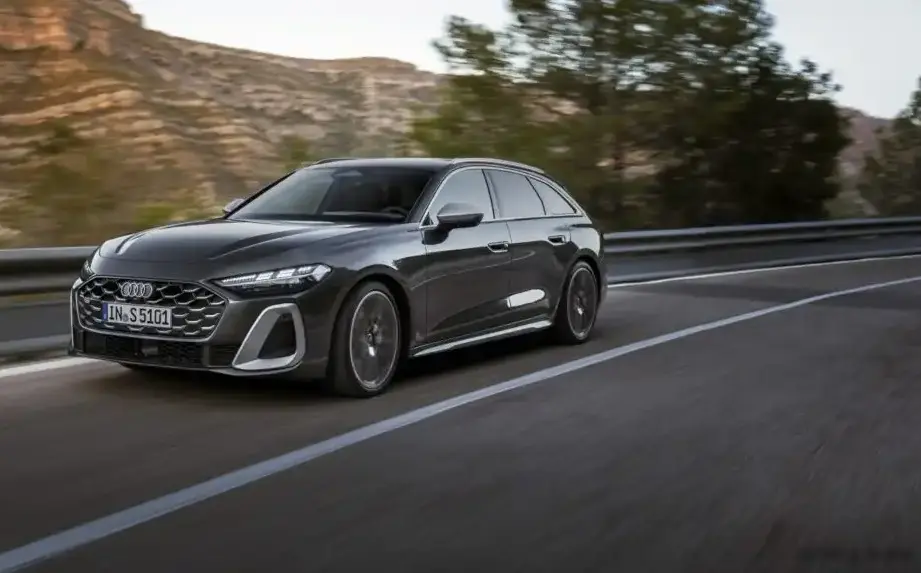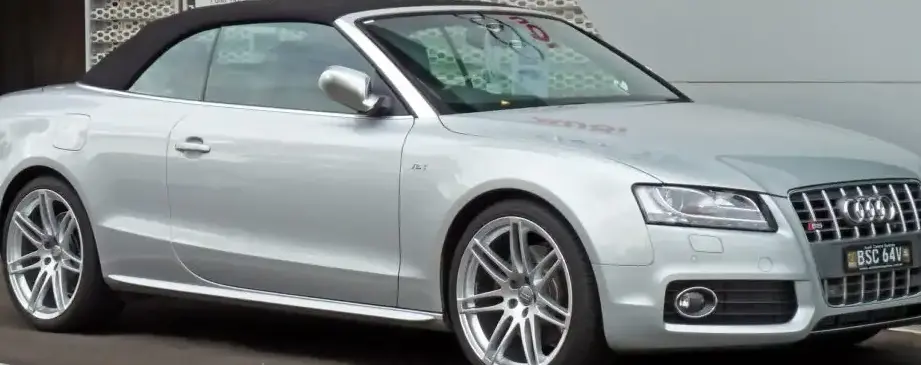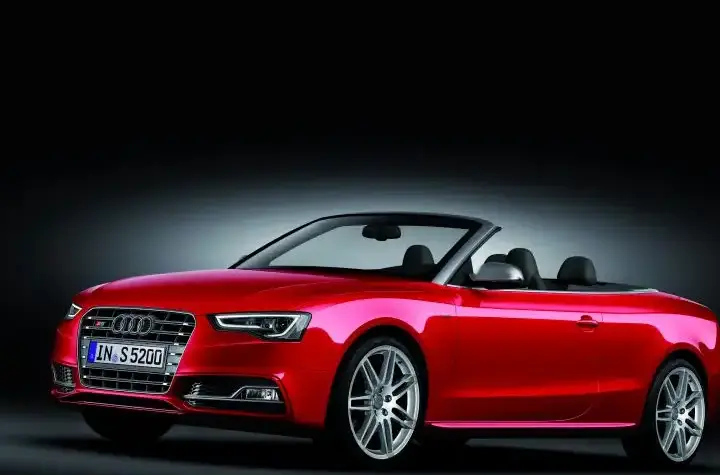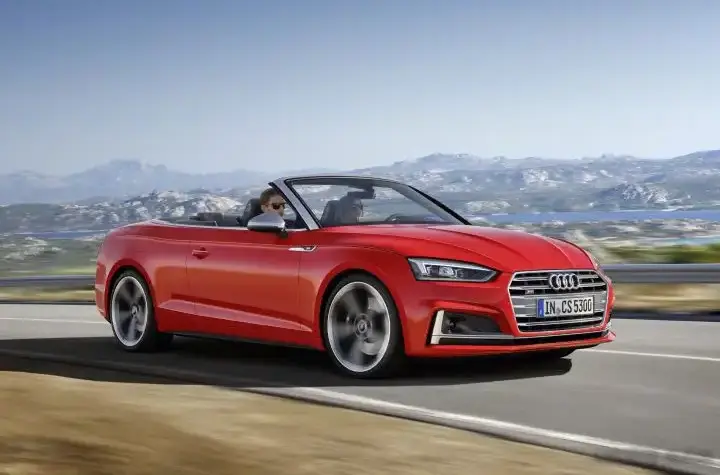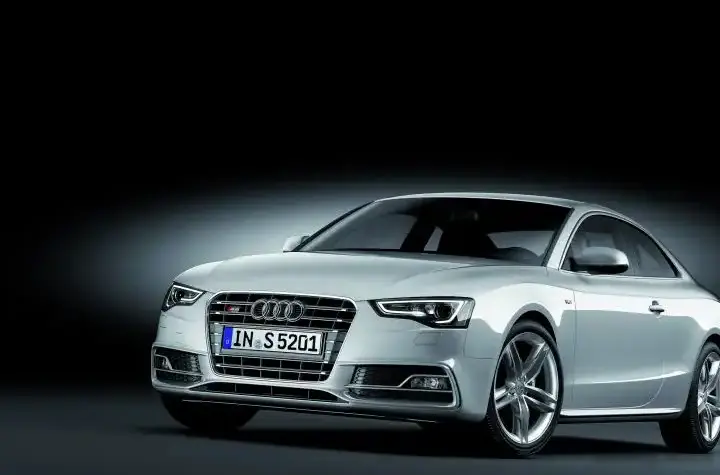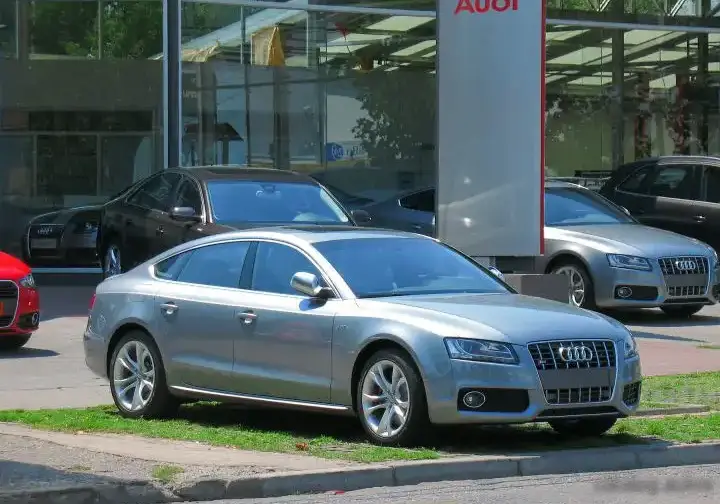
The Audi S5 Sportback (8T) 3.0 TFSI V6 quattro S tronic represents a compelling blend of performance and practicality within the Audi lineup. Produced from January 2010 to 2011, this variant occupied a premium position within the broader S5 Sportback range, offering a significant step up in power and technology compared to the base 2.0 TFSI models. Built on the Audi 8T platform – shared with the A4 and Q5 – the S5 Sportback aimed to deliver a sporty driving experience without sacrificing the versatility of a five-door fastback body style. This model was primarily marketed in Europe and other international markets, with limited availability in the United States.
Technical Specifications
| Brand | Audi |
| Model | S5 |
| Generation | S5 Sportback (8T) |
| Type (Engine) | 3.0 TFSI V6 (333 Hp) quattro S tronic |
| Start of production | January, 2010 |
| End of production | 2011 |
| Powertrain Architecture | Internal Combustion engine |
| Body type | Fastback |
| Seats | 5 |
| Doors | 5 |
| Fuel consumption (urban) | 13.5 l/100 km (17.4 US mpg, 20.9 UK mpg, 7.4 km/l) |
| Fuel consumption (extra urban) | 7 l/100 km (33.6 US mpg, 40.4 UK mpg, 14.3 km/l) |
| Fuel consumption (combined) | 9.4 l/100 km (25 US mpg, 30.1 UK mpg, 10.6 km/l) |
| CO2 emissions | 315 g/km |
| Fuel Type | Petrol (Gasoline) |
| Acceleration 0 – 100 km/h | 5.4 sec |
| Acceleration 0 – 62 mph | 5.4 sec |
| Acceleration 0 – 60 mph | 5.1 sec |
| Maximum speed | 250 km/h (155.34 mph) |
| Emission standard | Euro 5 |
| Weight-to-power ratio | 5.3 kg/Hp, 189.7 Hp/tonne |
| Weight-to-torque ratio | 4 kg/Nm, 250.7 Nm/tonne |
| Power | 333 Hp @ 5500-7000 rpm |
| Power per litre | 111.2 Hp/l |
| Torque | 440 Nm @ 2900-5300 rpm (324.53 lb.-ft. @ 2900-5300 rpm) |
| Engine layout | Front, Longitudinal |
| Engine Model/Code | CAKA |
| Engine displacement | 2995 cm3 (182.77 cu. in.) |
| Number of cylinders | 6 |
| Engine configuration | V-engine |
| Cylinder Bore | 84.5 mm (3.33 in.) |
| Piston Stroke | 89 mm (3.5 in.) |
| Compression ratio | 10.3:1 |
| Number of valves per cylinder | 4 |
| Fuel injection system | Direct injection |
| Engine aspiration | Supercharger, Intercooler |
| Valvetrain | DOHC |
| Engine oil capacity | 6.2 l (6.55 US qt | 5.46 UK qt) |
| Kerb Weight | 1755 kg (3869.11 lbs.) |
| Max. weight | 2285 kg (5037.56 lbs.) |
| Max load | 530 kg (1168.45 lbs.) |
| Trunk (boot) space – minimum | 480 l (16.95 cu. ft.) |
| Trunk (boot) space – maximum | 980 l (34.61 cu. ft.) |
| Fuel tank capacity | 64 l (16.91 US gal | 14.08 UK gal) |
| Max. roof load | 90 kg (198.42 lbs.) |
| Permitted trailer load with brakes (8%) | 2100 kg (4629.71 lbs.) |
| Permitted trailer load with brakes (12%) | 1900 kg (4188.78 lbs.) |
| Permitted trailer load without brakes | 750 kg (1653.47 lbs.) |
| Permitted towbar download | 80 kg (176.37 lbs.) |
| Length | 4713 mm (185.55 in.) |
| Width | 1854 mm (72.99 in.) |
| Width including mirrors | 1981 mm (77.99 in.) |
| Height | 1382 mm (54.41 in.) |
| Wheelbase | 2811 mm (110.67 in.) |
| Front track | 1588 mm (62.52 in.) |
| Rear (Back) track | 1575 mm (62.01 in.) |
| Drag coefficient (Cd) | 0.30 |
| Minimum turning circle (turning diameter) | 11.5 m (37.73 ft.) |
| Drive wheel | All wheel drive (4×4) |
| Number of gears and type of gearbox | 7 gears, automatic transmission S tronic |
| Front suspension | Independent multi-link suspension |
| Rear suspension | Independent on trapezoidal lever |
| Front brakes | Ventilated discs |
| Rear brakes | Ventilated discs |
| Assisting systems | ABS (Anti-lock braking system) |
| Steering type | Steering rack and pinion |
| Power steering | Hydraulic Steering |
| Tires size | 245/40 R18 |
| Wheel rims size | 8.5J x 18 |
INTRODUCTION
The Audi S5 Sportback (8T) 3.0 TFSI V6 quattro S tronic, launched in 2010, was a key component of Audi’s strategy to offer a more practical and stylish alternative to traditional sports coupes. It slotted into the 8T generation of the A5/S5 family, distinguished by its five-door fastback design. This body style provided increased rear passenger access and cargo space compared to the coupe and convertible versions. The “3.0 TFSI” designation indicated the engine – a supercharged 3.0-liter V6 – and the “quattro” label signified Audi’s renowned all-wheel-drive system. The “S tronic” denoted the use of Audi’s dual-clutch transmission, offering rapid and smooth gear changes. This particular configuration was positioned as a mid-to-high range offering, appealing to buyers seeking a blend of performance, luxury, and everyday usability.
Powertrain & Engine Architecture
At the heart of the S5 Sportback 3.0 TFSI lies the CAKA engine code, a 2,995 cc (182.77 cu. in.) 60-degree V6 engine. This engine is notable for its combination of a mechanical supercharger and direct fuel injection. The supercharger, driven by the crankshaft, provides instant boost at low engine speeds, eliminating turbo lag and delivering a linear power curve. Direct injection precisely meters fuel into the combustion chambers, improving efficiency and reducing emissions. The engine utilizes a dual overhead camshaft (DOHC) valvetrain with four valves per cylinder. The S tronic 7-speed dual-clutch transmission is a crucial element of the powertrain. This transmission features two separate clutches – one for odd-numbered gears and one for even-numbered gears – allowing for incredibly fast and seamless shifts. The quattro all-wheel-drive system employs a Torsen center differential, distributing torque between the front and rear axles based on traction conditions. Typically, the system favors a rear-biased distribution for a more engaging driving experience.
Driving Characteristics
The 333 horsepower and 324.53 lb.-ft. of torque produced by the 3.0 TFSI engine, coupled with the quick-shifting S tronic transmission and quattro all-wheel drive, resulted in impressive performance. Acceleration from 0 to 60 mph was achieved in approximately 5.1 seconds, and the car was electronically limited to a top speed of 155.34 mph. The supercharger provided strong low-end and mid-range grunt, making the S5 Sportback feel responsive in everyday driving situations. Compared to the 2.0 TFSI models, the 3.0 TFSI offered a significantly more powerful and refined driving experience. While not as raw or focused as the higher-performance RS5, the S5 Sportback provided a comfortable balance between sportiness and usability. The S tronic transmission’s gear ratios were optimized for both acceleration and fuel efficiency, and the quattro system provided excellent grip in all weather conditions. The steering was precise and well-weighted, contributing to a confident and engaging driving experience.
Equipment & Trim Levels
The S5 Sportback 3.0 TFSI came standard with a comprehensive list of features, reflecting its premium positioning. Interior appointments typically included sport seats upholstered in a combination of leather and Alcantara, along with brushed aluminum or carbon fiber trim. Standard equipment included a multi-function steering wheel, a driver information system, tri-zone automatic climate control, and a premium sound system. Optional extras included navigation, a panoramic sunroof, adaptive cruise control, and advanced parking assistance systems. Exterior features typically included S-specific body styling, including unique front and rear bumpers, side skirts, and a rear spoiler. LED daytime running lights and 18-inch alloy wheels were also standard. Audi offered a range of customization options, allowing buyers to personalize their S5 Sportback to their preferences.
Chassis & Braking
The S5 Sportback’s chassis was tuned for a balance of comfort and handling. It featured an independent multi-link suspension at the front and an independent trapezoidal link suspension at the rear. The suspension geometry was optimized to minimize body roll and provide precise steering response. Compared to the standard A5 Sportback, the S5 featured stiffer springs and dampers, as well as a larger stabilizer bar, to enhance handling performance. The braking system consisted of ventilated discs at all four corners, providing ample stopping power. ABS (Anti-lock braking system) was standard, along with electronic brake-force distribution and brake assist. The car’s hydraulic power steering provided precise and consistent steering feel.
Market Reception & Comparison
The Audi S5 Sportback 3.0 TFSI was generally well-received by automotive critics. It was praised for its powerful engine, quick-shifting transmission, and all-weather capability. The fastback body style was also appreciated for its practicality and stylish design. Compared to the 2.0 TFSI models, the S5 Sportback offered a significant performance upgrade, but at a higher price point. Against competitors such as the BMW 335i Gran Turismo and the Mercedes-Benz CLS, the S5 Sportback offered a compelling combination of performance, luxury, and practicality. Fuel economy, while respectable for a performance car, was not a strong point, with combined fuel consumption of around 25 US mpg. Reliability was generally good, although some owners reported minor issues with the supercharger and the S tronic transmission.
Legacy
The Audi S5 Sportback (8T) 3.0 TFSI V6 quattro S tronic remains a desirable used car today. The 3.0 TFSI engine, while requiring regular maintenance, is generally considered to be robust and reliable. The S tronic transmission, if properly maintained, can provide years of smooth and reliable operation. The car’s stylish design and practical fastback body style continue to appeal to buyers seeking a sporty and versatile vehicle. However, potential buyers should be aware of the potential for maintenance costs associated with a high-performance European car. The S5 Sportback represents a significant step forward in Audi’s design and engineering, and it remains a popular choice for enthusiasts seeking a blend of performance, luxury, and practicality.