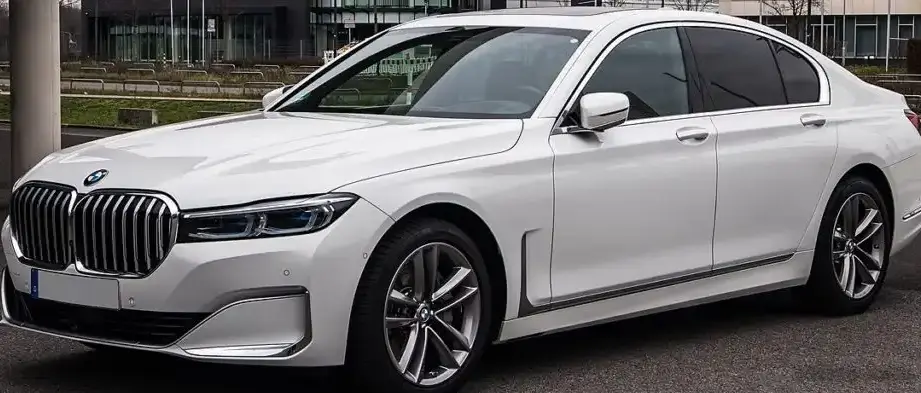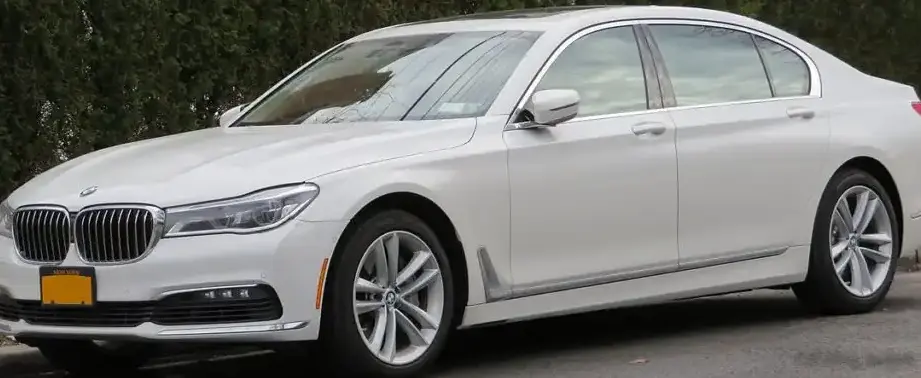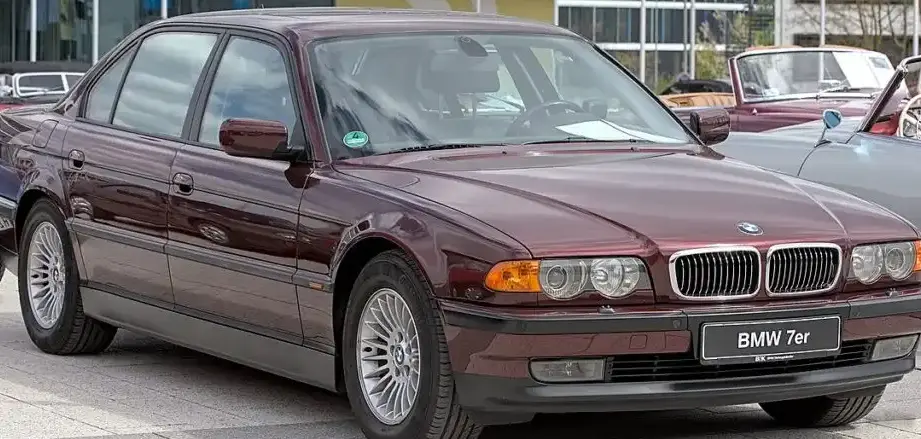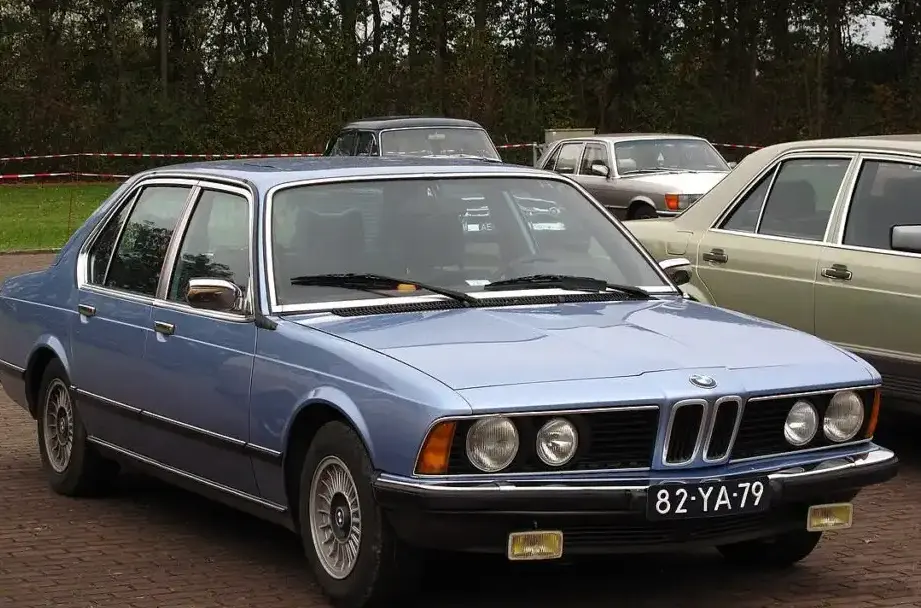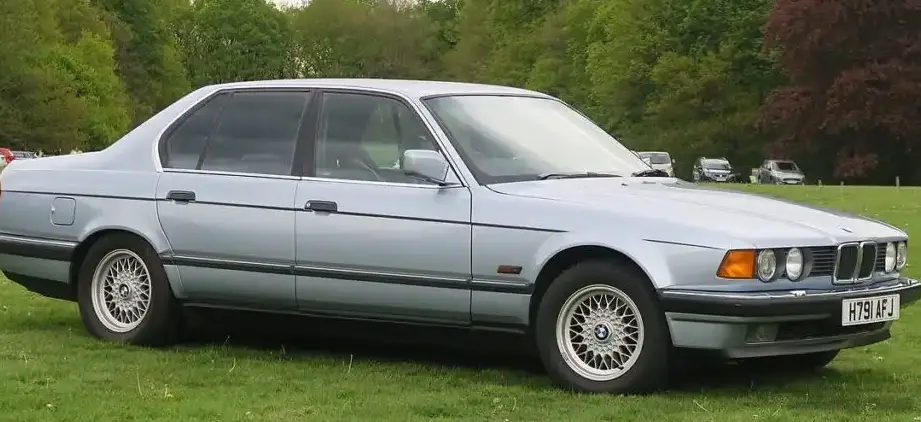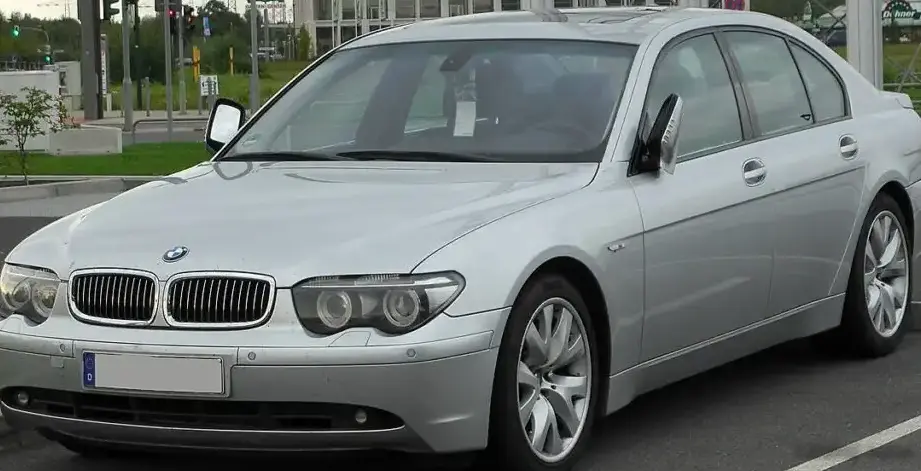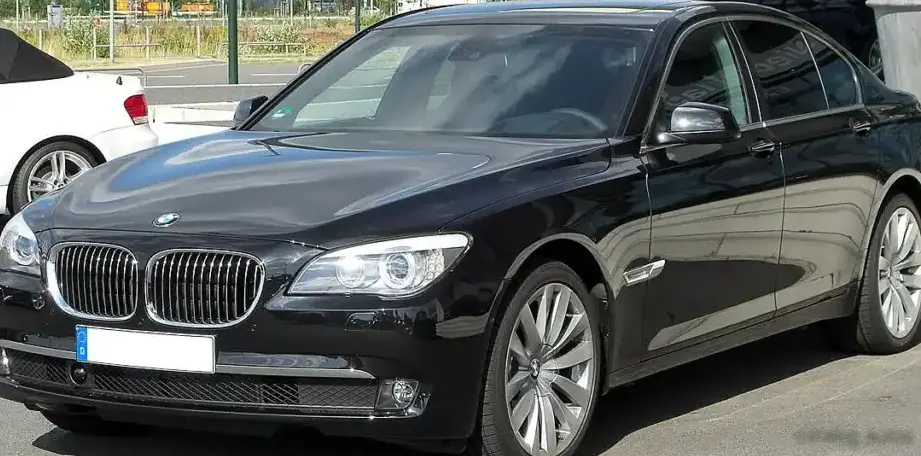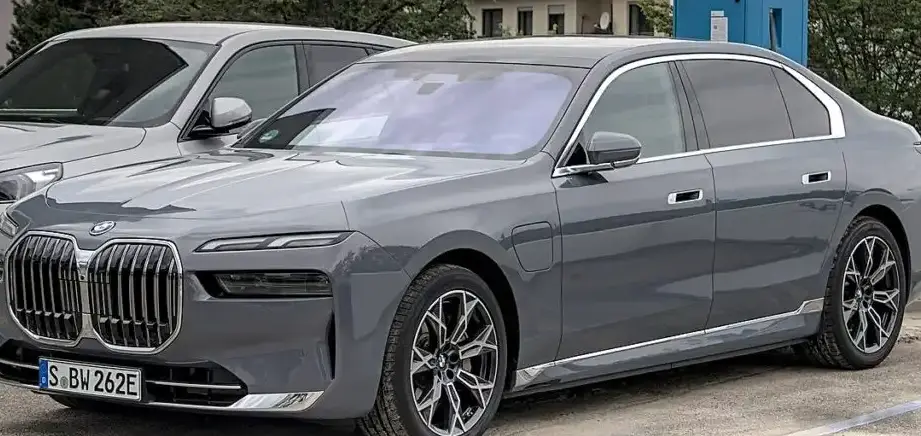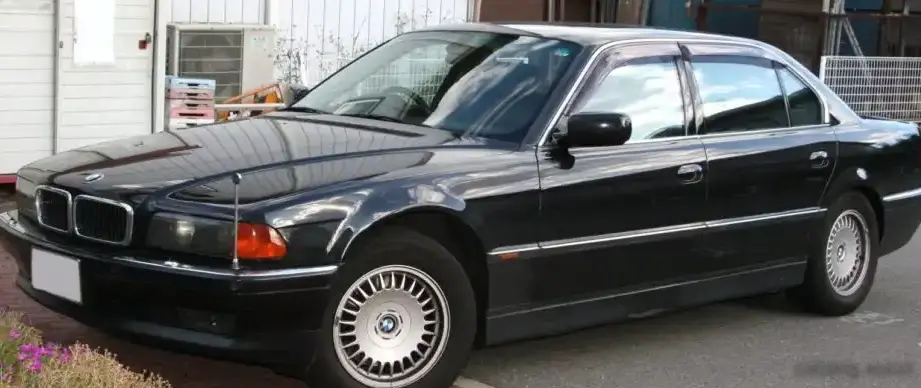
The BMW 740iL of the E38 generation, produced from 1996 to 1998, represented a significant evolution in BMW’s flagship sedan. The “L” designation signified a long-wheelbase version, primarily aimed at providing increased rear passenger space, a feature particularly valued in markets like the United States. Positioned as a mid-range offering within the E38 lineup – slotted between the 730i/735i and the high-performance 750iL – the 740iL combined a potent V8 engine with a comfortable ride and a generous suite of luxury features. It was a key model for BMW in establishing its presence in the full-size luxury segment, competing directly with vehicles like the Mercedes-Benz S-Class and the Lexus LS400.
Technical Specifications
| Brand | BMW |
| Model | 7 Series |
| Generation | 7 Series Long (E38) |
| Type (Engine) | 740iL 4.4 (286 Hp) Steptronic |
| Start of production | 1996 |
| End of production | 1998 |
| Powertrain Architecture | Internal Combustion engine |
| Body type | Sedan |
| Seats | 5 |
| Doors | 4 |
| Fuel consumption (economy) – urban | 19.5 l/100 km (12.1 US mpg, 14.5 UK mpg, 5.1 km/l) |
| Fuel consumption (economy) – extra urban | 9.3 l/100 km (25.3 US mpg, 30.4 UK mpg, 10.8 km/l) |
| Fuel consumption (economy) – combined | 13 l/100 km (18.1 US mpg, 21.7 UK mpg, 7.7 km/l) |
| Fuel Type | Petrol (Gasoline) |
| Acceleration 0 – 100 km/h | 7 sec |
| Acceleration 0 – 62 mph | 7 sec |
| Acceleration 0 – 60 mph | 6.7 sec |
| Maximum speed | 250 km/h (155.34 mph) |
| Weight-to-power ratio | 6.6 kg/Hp, 152.5 Hp/tonne |
| Weight-to-torque ratio | 4.5 kg/Nm, 224 Nm/tonne |
| Power | 286 Hp @ 5700 rpm |
| Power per litre | 65 Hp/l |
| Torque | 420 Nm @ 3900 rpm (309.78 lb.-ft. @ 3900 rpm) |
| Engine layout | Front, Longitudinal |
| Engine Model/Code | M62B44 |
| Engine displacement | 4398 cm3 (268.38 cu. in.) |
| Number of cylinders | 8 |
| Engine configuration | V-engine |
| Cylinder Bore | 92 mm (3.62 in.) |
| Piston Stroke | 82.7 mm (3.26 in.) |
| Compression ratio | 10:1 |
| Number of valves per cylinder | 4 |
| Fuel injection system | Multi-port manifold injection |
| Engine aspiration | Naturally aspirated engine |
| Valvetrain | DOHC |
| Engine oil capacity | 7.5 l (7.93 US qt | 6.6 UK qt) |
| Coolant | 12.5 l (13.21 US qt | 11 UK qt) |
| Kerb Weight | 1875 kg (4133.67 lbs.) |
| Max. weight | 2410 kg (5313.14 lbs.) |
| Max load | 535 kg (1179.47 lbs.) |
| Trunk (boot) space – minimum | 500 l (17.66 cu. ft.) |
| Fuel tank capacity | 95 l (25.1 US gal | 20.9 UK gal) |
| Length | 5124 mm (201.73 in.) |
| Width | 1862 mm (73.31 in.) |
| Height | 1425 mm (56.1 in.) |
| Wheelbase | 3070 mm (120.87 in.) |
| Front track | 1552 mm (61.1 in.) |
| Rear (Back) track | 1568 mm (61.73 in.) |
| Drag coefficient (Cd) | 0.30 |
| Minimum turning circle (turning diameter) | 12.2 m (40.03 ft.) |
| Drivetrain Architecture | The Internal combustion engine (ICE) drives the rear wheels of the vehicle. |
| Drive wheel | Rear wheel drive |
| Number of gears and type of gearbox | 5 gears, automatic transmission Steptronic |
| Front suspension | Wishbone |
| Rear suspension | Inclined Lever |
| Front brakes | Ventilated discs |
| Rear brakes | Disc |
| Assisting systems | ABS (Anti-lock braking system) |
| Steering type | Steering rack and pinion |
| Power steering | Hydraulic Steering |
| Tires size | 235/60 R16 |
| Wheel rims size | 16 |
Powertrain & Engine Architecture
The heart of the 740iL was the M62B44 engine, a 4.4-liter naturally aspirated V8. This engine represented a significant departure from the previous M60 and M62 designs, featuring individual throttle bodies and a more refined engine management system. The M62B44 utilized a cast aluminum block and cylinder heads, contributing to a lighter overall weight. Fuel delivery was handled by a multi-port fuel injection system, and the engine boasted double overhead camshafts (DOHC) with four valves per cylinder. The “Steptronic” transmission was BMW’s marketing name for its 5-speed automatic gearbox. This transmission offered both fully automatic operation and a manual shift mode, allowing drivers to exert more control over gear selection. The transmission was designed to provide smooth and responsive shifts, complementing the V8’s power delivery.
Driving Characteristics
The 740iL, with its 286 horsepower and 309 lb-ft of torque, offered a compelling blend of performance and comfort. Acceleration from 0-60 mph took approximately 6.7 seconds, making it a brisk performer for its size. However, the automatic transmission, while smooth, did result in some power loss compared to the available manual transmission options in other 7 Series models. The gear ratios were tuned for comfortable cruising, prioritizing smooth transitions over outright acceleration. Compared to the 750iL, the 740iL felt less urgent in its acceleration, but it offered a more manageable and fuel-efficient driving experience. The long wheelbase contributed to a remarkably smooth ride, absorbing bumps and imperfections in the road with ease.
Equipment & Trim Levels
The 740iL came standard with a comprehensive list of luxury features, including leather upholstery, power-adjustable front seats with memory function, automatic climate control, a premium sound system, and a sunroof. The long wheelbase translated into significantly more rear legroom, making it a favorite among chauffeured executives. Optional extras included rear seat entertainment systems, upgraded leather options, and a navigation system. The interior design was characterized by a clean, elegant aesthetic, with high-quality materials and meticulous attention to detail. Wood trim was commonly used throughout the cabin, adding a touch of warmth and sophistication.
Chassis & Braking
The E38 7 Series featured a robust chassis with independent suspension at all four wheels. The front suspension utilized a double wishbone design, while the rear employed an inclined lever setup. This configuration provided a comfortable ride and precise handling. The 740iL was equipped with ventilated disc brakes at the front and solid disc brakes at the rear. Anti-lock braking system (ABS) was standard, enhancing safety and control during emergency braking situations. The steering was a rack-and-pinion system with hydraulic power assistance, providing a responsive and precise steering feel.
Market Reception & Comparison
The 740iL was generally well-received by automotive critics, who praised its comfortable ride, spacious interior, and refined engine. However, some reviewers noted that the automatic transmission could feel slightly sluggish compared to the manual options. Fuel economy, at 18.1 US mpg combined, was typical for a large luxury sedan of the era, but it wasn’t a standout feature. Compared to the 730i/735i, the 740iL offered a significant performance upgrade, while remaining more affordable than the flagship 750iL. The 740iL proved to be a popular choice among buyers seeking a luxurious and comfortable grand tourer.
Legacy
The M62B44 engine, while generally reliable, is known to be susceptible to certain issues with age, including coolant leaks from the plastic expansion tank and valve stem seal deterioration. The Steptronic automatic transmission is also known to require regular maintenance to ensure smooth operation. Today, well-maintained E38 740iLs are sought after by enthusiasts and collectors, representing a classic era of BMW engineering and luxury. The combination of a potent V8 engine, a comfortable ride, and a spacious interior continues to appeal to those seeking a sophisticated and rewarding driving experience. Finding parts can be increasingly challenging, but a dedicated community of BMW enthusiasts ensures that these cars remain on the road for years to come.