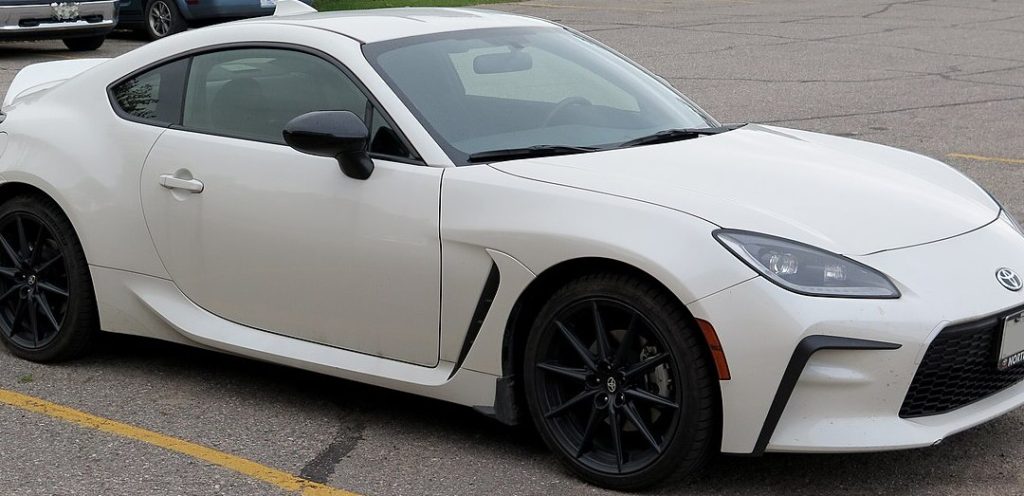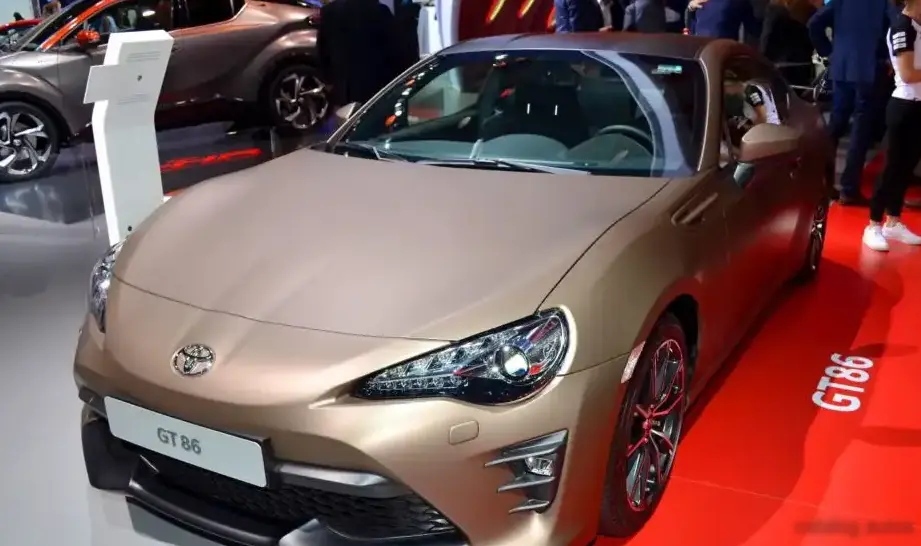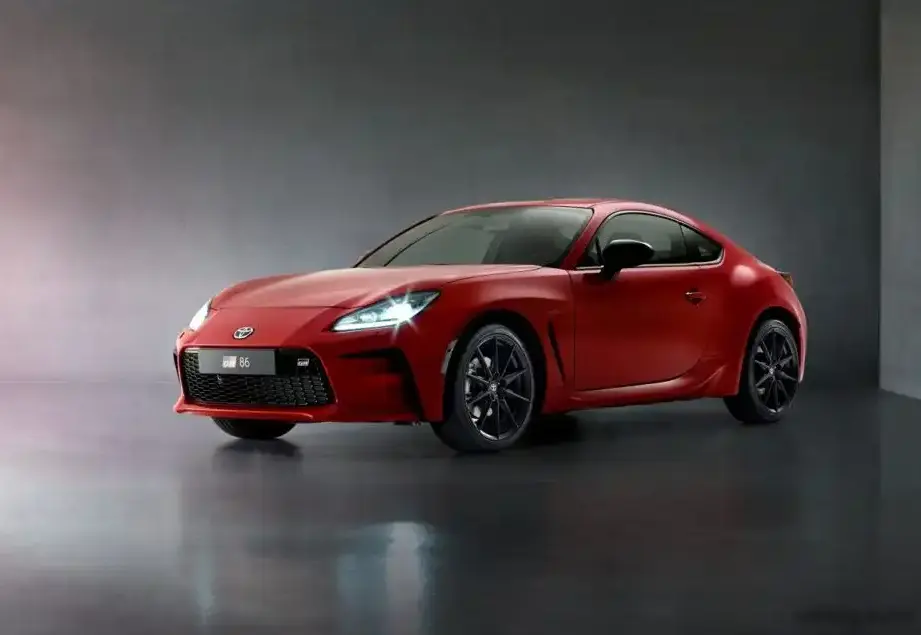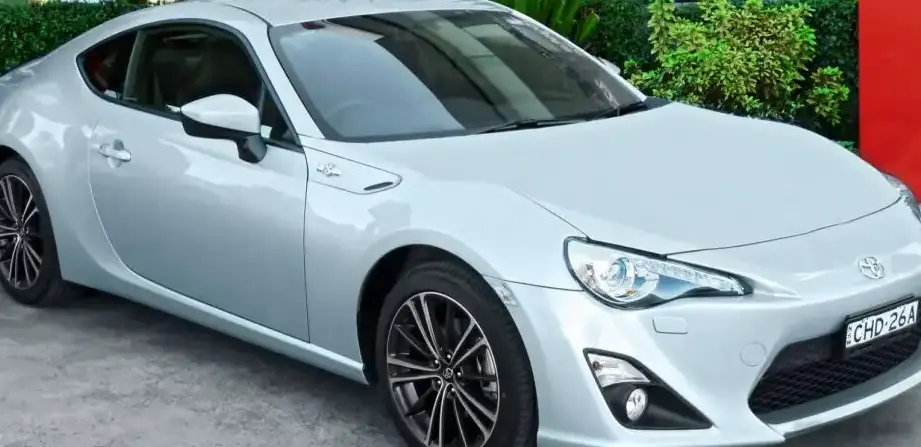
The Toyota 86, known as the Subaru BRZ and Scion FR-S in some markets, represented a return to the roots of affordable, lightweight, rear-wheel-drive sports cars. Introduced for the 2013 model year (2012 in some regions), the 86 was the result of a collaborative effort between Toyota and Subaru. The first generation, designated the 86 I (internally known as the ZN6 at Toyota), ran from 2012 to 2016, and the 2.0 D-4S variant, producing 200 horsepower, was a cornerstone of the lineup throughout its production run. This model aimed to recapture the spirit of classic Japanese sports cars like the AE86, offering a pure driving experience focused on balance and driver engagement.
Technical Specifications
| Brand | Toyota |
| Model | 86 |
| Generation | 86 I |
| Type (Engine) | 2.0 D-4S (200 Hp) |
| Start of production | 2012 |
| End of production | 2016 |
| Powertrain Architecture | Internal Combustion engine |
| Body type | Coupe |
| Seats | 4 |
| Doors | 2 |
| Fuel consumption (economy) – urban | 10.4 l/100 km (22.6 US mpg) |
| Fuel consumption (economy) – extra urban | 6.4 l/100 km (36.8 US mpg) |
| Fuel consumption (economy) – combined | 7.8 l/100 km (30.2 US mpg) |
| CO2 emissions | 181 g/km |
| Fuel Type | Petrol (Gasoline) |
| Acceleration 0 – 100 km/h | 7.6 sec |
| Acceleration 0 – 62 mph | 7.6 sec |
| Acceleration 0 – 60 mph | 7.2 sec |
| Maximum speed | 226 km/h (140.43 mph) |
| Emission standard | Euro 5 J |
| Weight-to-power ratio | 6.2 kg/Hp |
| Weight-to-torque ratio | 6 kg/Nm |
| Power | 200 Hp @ 7000 rpm |
| Torque | 205 Nm @ 6400-6600 rpm (151.2 lb.-ft. @ 6400-6600 rpm) |
| Maximum engine speed | 7400 rpm |
| Engine layout | Front, Longitudinal |
| Engine Model/Code | FA20 |
| Engine displacement | 1998 cm3 (121.93 cu. in.) |
| Number of cylinders | 4 |
| Engine configuration | Boxer |
| Cylinder Bore | 86 mm (3.39 in.) |
| Piston Stroke | 86 mm (3.39 in.) |
| Compression ratio | 12.5:1 |
| Number of valves per cylinder | 4 |
| Fuel injection system | Direct injection |
| Engine aspiration | Naturally aspirated engine |
| Valvetrain | DOHC |
| Engine oil capacity | 5.4 l (5.71 US qt | 4.75 UK qt) |
| Coolant | 7.2 l (7.61 US qt | 6.34 UK qt) |
| Kerb Weight | 1230-1258 kg (2711.69 – 2773.42 lbs.) |
| Max. weight | 1670 kg (3681.72 lbs.) |
| Max load | 412-440 kg (908.3 – 970.03 lbs.) |
| Trunk (boot) space – minimum | 243 l (8.58 cu. ft.) |
| Fuel tank capacity | 50 l (13.21 US gal | 11 UK gal) |
| Length | 4240 mm (166.93 in.) |
| Width | 1775 mm (69.88 in.) |
| Height | 1285 mm (50.59 in.) |
| Wheelbase | 2570 mm (101.18 in.) |
| Front track | 1520 mm (59.84 in.) |
| Rear (Back) track | 1540 mm (60.63 in.) |
| Front overhang | 845 mm (33.27 in.) |
| Rear overhang | 825 mm (32.48 in.) |
| Ride height (ground clearance) | 120 mm (4.72 in.) |
| Drag coefficient (Cd) | 0.27 |
| Minimum turning circle (turning diameter) | 10.8 m (35.43 ft.) |
| Drivetrain Architecture | Rear wheel drive |
| Drive wheel | Rear wheel drive |
| Number of gears and type of gearbox | 6 gears, manual transmission |
| Front suspension | Independent, type McPherson with coil spring and anti-roll bar |
| Rear suspension | Double wishbone |
| Front brakes | Ventilated discs |
| Rear brakes | Ventilated discs |
| Assisting systems | ABS (Anti-lock braking system) |
| Steering type | Steering rack and pinion |
| Power steering | Electric Steering |
| Tires size | 215/45 R17 |
| Wheel rims size | 7J x 17 |
Powertrain & Engine Architecture
The heart of the 200 hp Toyota 86 is the FA20 2.0-liter naturally aspirated boxer-4 engine. Developed jointly by Toyota and Subaru, this engine is notable for its horizontally opposed cylinder configuration, which lowers the center of gravity and improves balance. The “D-4S” designation refers to Toyota’s Direct-injection 4-valve with variable valve timing system. This system combines direct and port fuel injection, optimizing combustion efficiency and power delivery across the rev range. The engine features a high 12.5:1 compression ratio, contributing to its responsive nature. The FA20 utilizes a dual overhead camshaft (DOHC) valvetrain. The 6-speed manual transmission was standard, providing a direct connection to the rear wheels. The transmission featured relatively short gear ratios, geared towards acceleration rather than outright top speed.
Driving Characteristics
The 200 hp 86 offered a distinctly engaging driving experience. While not exceptionally powerful, the engine’s responsiveness and the car’s light weight (around 2700 lbs) resulted in brisk acceleration. The rear-wheel-drive layout and well-tuned chassis provided excellent balance and handling. The short gear ratios meant frequent shifting was necessary to stay in the powerband, but this encouraged driver involvement. Compared to potential higher-output variants (which were often achieved through aftermarket modifications), the 200 hp version prioritized predictability and ease of control. It was considered more accessible for novice sports car drivers.
Equipment & Trim Levels
The 86 was generally offered in a relatively streamlined trim structure. The base model typically included features like air conditioning, power windows and locks, a basic audio system, and stability control. Higher trims added features such as keyless entry, a premium audio system, leather-trimmed seats, and a rear spoiler. Interior upholstery was typically cloth on the base model, with leather options available on higher trims. Optional extras included a Torsen limited-slip differential, which further enhanced handling performance, and various cosmetic upgrades.
Chassis & Braking
The 86’s chassis was designed for optimal balance and rigidity. It featured a McPherson strut front suspension and a double wishbone rear suspension. The rear suspension design was crucial for maintaining rear-wheel-drive handling characteristics. Braking duties were handled by ventilated disc brakes on all four wheels, providing adequate stopping power for the car’s weight and performance. ABS (Anti-lock Braking System) was standard. The relatively low curb weight contributed to the car’s nimble handling and reduced braking distances.
Market Reception & Comparison
The Toyota 86 was generally well-received by automotive critics, who praised its engaging driving dynamics and affordability. It was often compared to the Mazda MX-5 Miata, offering a similar focus on driver involvement but with a coupe body style and rear-wheel drive. Fuel economy was respectable, averaging around 30 mpg combined. Reliability was generally good, although some owners reported minor issues with the engine’s oil consumption. Compared to potential turbocharged or higher-displacement variants, the 2.0 D-4S engine was considered more reliable and less prone to mechanical issues.
Legacy
The Toyota 86, along with its Subaru BRZ and Scion FR-S counterparts, successfully revived the affordable rear-wheel-drive sports car segment. The FA20 engine proved to be a robust and tunable powerplant, becoming popular among enthusiasts for modifications and performance upgrades. In the used car market, the 86 remains a popular choice for those seeking a fun-to-drive and relatively affordable sports car. Its simple mechanical design and readily available parts contribute to its ongoing appeal. The first generation 86 laid the groundwork for the second generation, which continued to build on the original’s strengths.