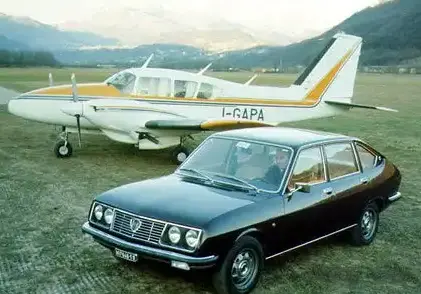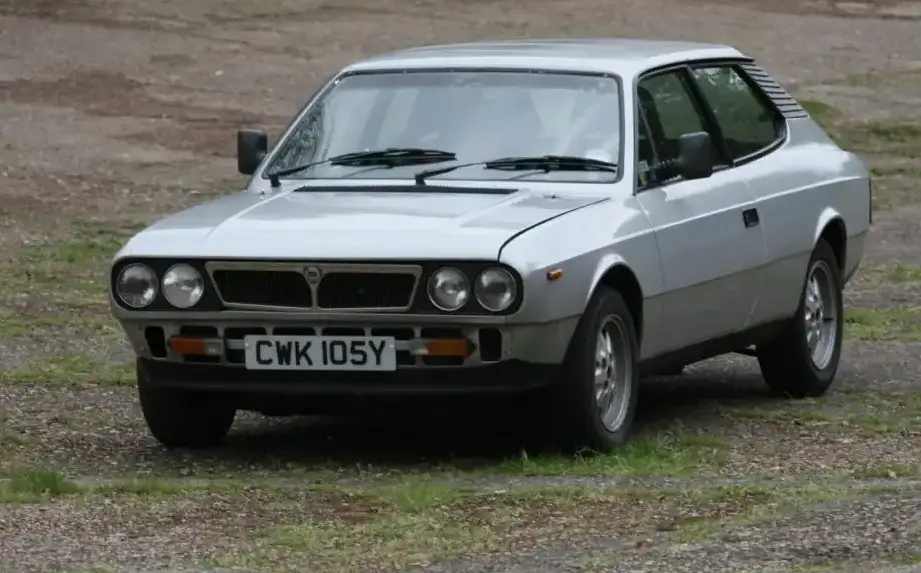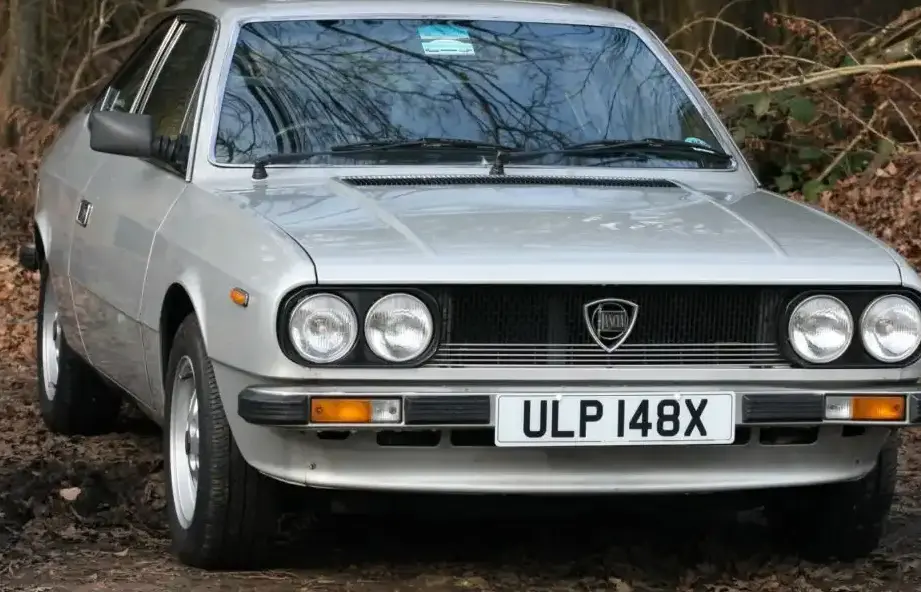
The Lancia Beta Coupe (BC) 2000 i.e., produced between 1981 and 1984, represents a refined iteration of the Beta Coupe line, offering a significant performance upgrade over earlier models. Positioned as the top-of-the-line Beta Coupe, the 2000 i.e. aimed to deliver a more sophisticated driving experience, appealing to enthusiasts seeking a blend of Italian style and respectable performance. It built upon the foundation of the Beta Coupe, which itself was a stylish and relatively affordable grand tourer, but elevated the offering with fuel injection and increased displacement. The BC designation refers to the ‘Berlinetta Coupe’ body style, and the 2000 i.e. was a key part of Lancia’s attempt to modernize and revitalize the Beta range.
Technical Specifications
| Brand | Lancia |
| Model | Beta |
| Generation | Beta Coupe (BC) |
| Type (Engine) | 2000 i.e. (122 Hp) |
| Start of production | 1981 |
| End of production | 1984 |
| Powertrain Architecture | Internal Combustion engine |
| Body type | Coupe |
| Fuel Type | Petrol (Gasoline) |
| Power | 122 Hp |
| Engine Model/Code | 828 B4.000 |
| Engine aspiration | Naturally aspirated engine |
| Engine oil capacity | 4.2 l / 4.44 US qt / 3.7 UK qt |
| Coolant capacity | 7.5 l / 7.93 US qt / 6.6 UK qt |
Powertrain & Engine Architecture
The heart of the 2000 i.e. is the 828 B4.000 engine, a 1995cc inline-four cylinder powerplant. This engine represents a significant upgrade from the earlier, carbureted Beta engines. The “i.e.” designation stands for “iniezione elettronica” (electronic injection), referring to the Bosch K-Jetronic fuel injection system employed. This system, while mechanically complex, offered improved fuel efficiency, reduced emissions, and enhanced throttle response compared to carburetors. The engine features a cast iron block and an aluminum cylinder head, with a dual overhead camshaft (DOHC) design operating four valves per cylinder. This valvetrain configuration contributed to the engine’s ability to produce 122 horsepower at 6200 rpm and 137 lb-ft of torque at 4000 rpm. The engine’s compression ratio is 9.2:1. The 828 B4.000 was known for its relatively smooth operation and willingness to rev, characteristics that set it apart from some of its contemporaries.
Driving Characteristics
The Lancia Beta Coupe 2000 i.e. offered a noticeably more spirited driving experience than the lower-spec models. While not a sports car in the modern sense, the 2000 i.e. provided ample power for comfortable and confident cruising, as well as enjoyable back-road driving. Acceleration from 0 to 60 mph was typically achieved in around 9.5 seconds, and the car could reach a top speed of approximately 125 mph. The Bosch K-Jetronic fuel injection system delivered a linear power band, making the engine predictable and easy to control. The five-speed manual transmission, standard on the 2000 i.e., allowed drivers to fully exploit the engine’s capabilities. While an automatic transmission was offered in some markets, it generally detracted from the driving experience, resulting in slower acceleration and reduced fuel economy. The Beta Coupe’s independent suspension, featuring MacPherson struts at the front and a De Dion axle at the rear, provided a comfortable ride and good handling characteristics, although body roll was noticeable during aggressive cornering.
Equipment & Trim Levels
The 2000 i.e. was the best-equipped variant of the Beta Coupe. Standard features included power-assisted steering, front disc brakes, and a comprehensive instrument panel with a tachometer. The interior was typically trimmed with cloth upholstery, although leather options were available. The dashboard featured woodgrain accents, and the seats were designed for comfort on long journeys. Optional extras included air conditioning, electric windows, and a sunroof. The 2000 i.e. also featured distinctive exterior styling cues, such as a black grille and revised wheel trims, setting it apart from the lower-spec models. The overall interior ambiance aimed for a level of sophistication befitting a grand tourer of its era.
Chassis & Braking
The Lancia Beta Coupe utilized a monocoque steel chassis, providing a good balance of rigidity and weight. The front suspension employed MacPherson struts with anti-roll bar, while the rear suspension featured a De Dion axle with trailing arms and a Panhard rod. This setup aimed to provide a comfortable ride and predictable handling. Braking duties were handled by disc brakes at the front and drum brakes at the rear. While the front discs provided adequate stopping power, the rear drums were often criticized for being less effective, particularly under heavy braking. The steering was rack and pinion, providing precise and responsive control. The 2000 i.e. typically rode on 165/80 SR14 tires, which offered a good compromise between grip and ride comfort.
Market Reception & Comparison
The Lancia Beta Coupe 2000 i.e. was generally well-received by automotive critics, who praised its stylish design, comfortable interior, and improved performance. However, the Bosch K-Jetronic fuel injection system was sometimes criticized for its complexity and potential maintenance issues. Compared to its siblings, the 1.6 and 1.8 liter carbureted Beta Coupes, the 2000 i.e. offered a significant performance advantage. It also provided a more refined driving experience, thanks to its fuel injection and five-speed manual transmission. In terms of fuel economy, the 2000 i.e. was slightly less efficient than the smaller-engined models, but the performance gains were generally considered worthwhile. Competitors included the Alfa Romeo GTV, the Fiat Coupe, and various offerings from British manufacturers like Triumph and MG.
Legacy
The Lancia Beta Coupe 2000 i.e. remains a desirable classic car, appreciated for its Italian style and relatively strong performance. The 828 B4.000 engine, while requiring regular maintenance, is generally considered to be a robust and reliable unit when properly cared for. However, the Bosch K-Jetronic fuel injection system can be challenging to diagnose and repair, requiring specialized knowledge. Today, the 2000 i.e. commands a premium in the used car market compared to the lower-spec Beta Coupes. Its relative rarity and the appeal of its fuel-injected engine contribute to its collectibility. The Beta Coupe, and particularly the 2000 i.e. variant, represents a high point in Lancia’s history, showcasing the brand’s commitment to stylish design and innovative engineering. Finding well-maintained examples is becoming increasingly difficult, making the 2000 i.e. a rewarding, if sometimes challenging, classic car ownership experience.