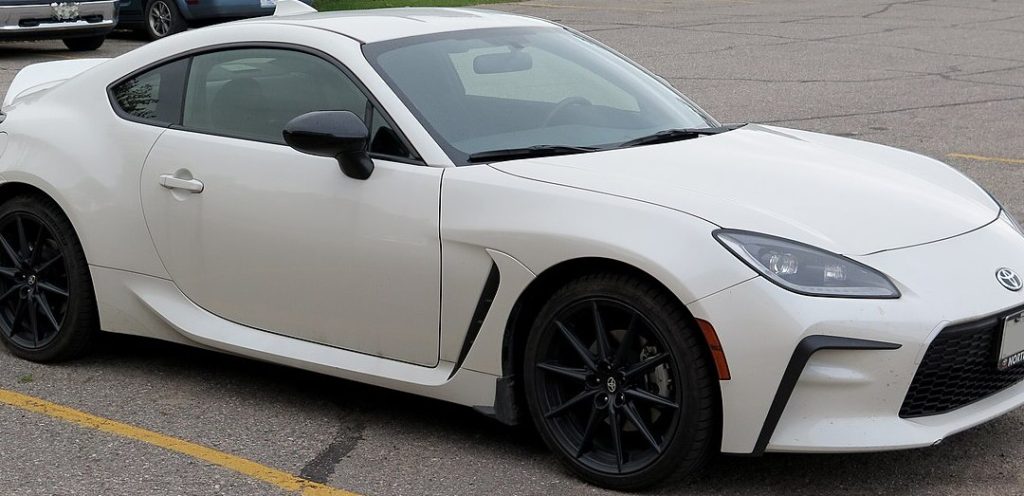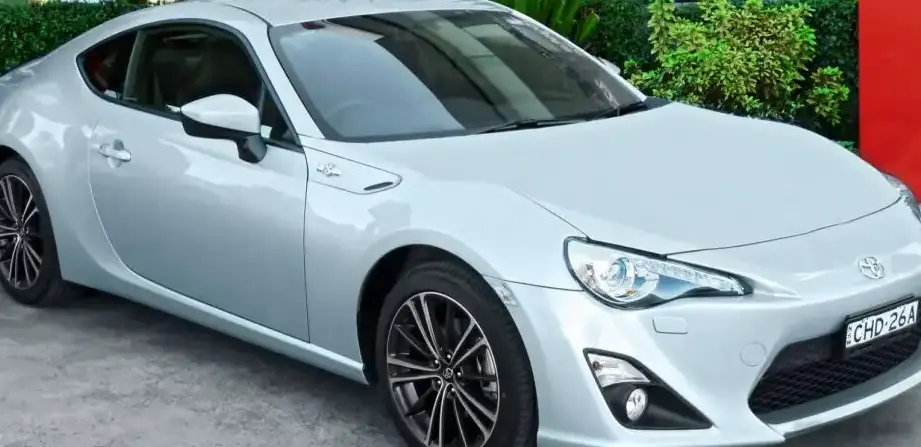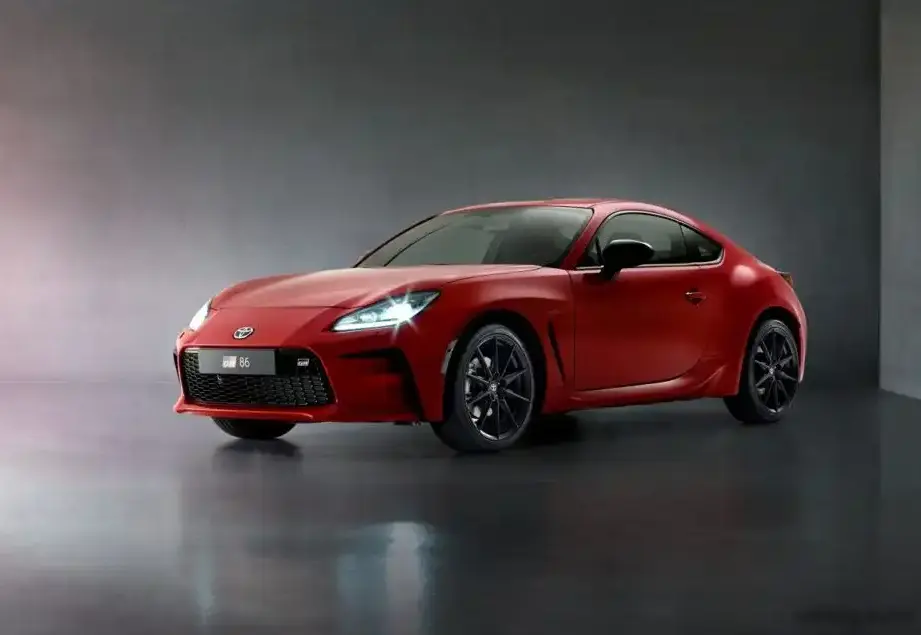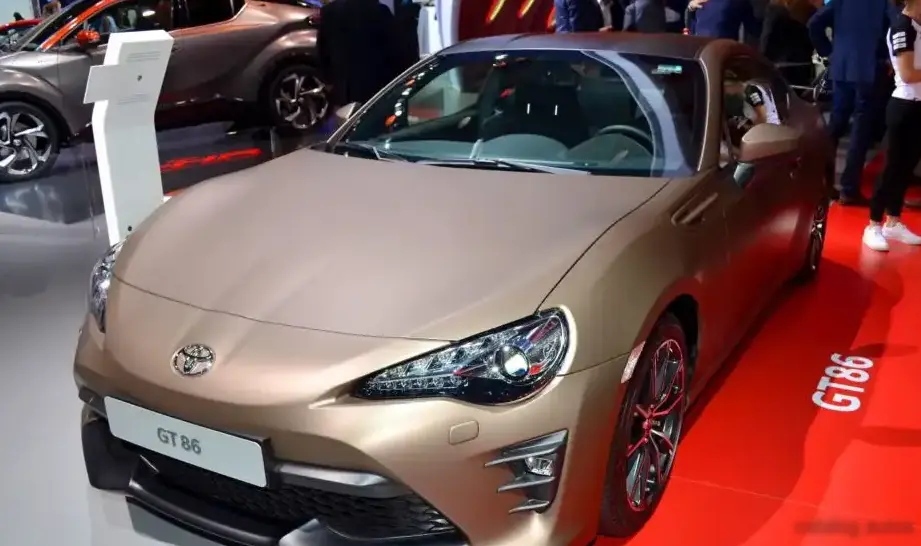
The Toyota 86, known as the Subaru BRZ and Scion FR-S in some markets, represented a return to the roots of affordable, lightweight, rear-wheel-drive sports cars. The facelifted first generation, produced from 2016 through April 2021, brought subtle styling revisions and improvements to the chassis. The GT 2.0 variant, producing 205 horsepower, occupied the top trim level within the 86 lineup, offering a balance of performance and features aimed at driving enthusiasts. This model was primarily sold in North America, Europe, and Australia, filling a niche for a nimble and engaging sports coupe at a relatively accessible price point.
Technical Specifications
| Brand | Toyota |
| Model | 86 |
| Generation | 86 I (facelift 2016) |
| Type (Engine) | GT 2.0 (205 Hp) |
| Start of production | 2016 |
| End of production | April, 2021 |
| Powertrain Architecture | Internal Combustion engine |
| Body type | Coupe |
| Seats | 4 |
| Doors | 2 |
| Fuel consumption (economy) – urban | 11.2 l/100 km (21 US mpg, 25.2 UK mpg, 8.9 km/l) |
| Fuel consumption (economy) – extra urban | 8.4 l/100 km (28 US mpg, 33.6 UK mpg, 11.9 km/l) |
| Fuel consumption (economy) – combined | 9.8 l/100 km (24 US mpg, 28.8 UK mpg, 10.2 km/l) |
| Fuel Type | Petrol (Gasoline) |
| Weight-to-power ratio | 6.1 kg/Hp, 163 Hp/tonne |
| Weight-to-torque ratio | 5.9 kg/Nm, 168.5 Nm/tonne |
| Power | 205 Hp @ 7000 rpm |
| Power per litre | 102.6 Hp/l |
| Torque | 212 Nm @ 6400-6600 rpm (156.36 lb.-ft. @ 6400-6600 rpm) |
| Engine layout | Front, Longitudinal |
| Engine Model/Code | FA20 |
| Engine displacement | 1998 cm3 (121.93 cu. in.) |
| Number of cylinders | 4 |
| Engine configuration | Boxer |
| Cylinder Bore | 86 mm (3.39 in.) |
| Piston Stroke | 86 mm (3.39 in.) |
| Compression ratio | 12.5:1 |
| Number of valves per cylinder | 4 |
| Fuel injection system | Direct injection |
| Engine aspiration | Naturally aspirated engine |
| Valvetrain | DOHC, DVVT |
| Engine oil capacity | 5.4 l (5.71 US qt | 4.75 UK qt) |
| Coolant | 7.2 l (7.61 US qt | 6.34 UK qt) |
| Kerb Weight | 1258 kg (2773.42 lbs.) |
| Max. weight | 1670 kg (3681.72 lbs.) |
| Max load | 412 kg (908.3 lbs.) |
| Trunk (boot) space – minimum | 195 l (6.89 cu. ft.) |
| Fuel tank capacity | 50 l (13.21 US gal | 11 UK gal) |
| Length | 4234 mm (166.69 in.) |
| Width | 1775 mm (69.88 in.) |
| Height | 1285 mm (50.59 in.) |
| Wheelbase | 2570 mm (101.18 in.) |
| Front track | 1519 mm (59.8 in.) |
| Rear (Back) track | 1539 mm (60.59 in.) |
| Ride height (ground clearance) | 124 mm (4.88 in.) |
| Drag coefficient (Cd) | 0.27 |
| Minimum turning circle (turning diameter) | 11.0 m (36.09 ft.) |
| Drivetrain Architecture | Rear wheel drive |
| Drive wheel | Rear wheel drive |
| Number of gears and type of gearbox | 6 gears, manual transmission |
| Front suspension | Independent, type McPherson with coil spring and anti-roll bar |
| Rear suspension | Double wishbone |
| Front brakes | Ventilated discs, 294×24 mm |
| Rear brakes | Ventilated discs, 290×18 mm |
| Assisting systems | ABS (Anti-lock braking system) |
| Steering type | Steering rack and pinion |
| Power steering | Electric Steering |
| Tires size | 215/45 R17 |
| Wheel rims size | 7J x 17 |
INTRODUCTION
The 2016 facelift of the Toyota 86 (and its Subaru BRZ/Scion FR-S counterparts) represented a mid-cycle refresh of the popular sports coupe. Built on the A86 platform (internally designated as the 1HX0 for Toyota), the 86 aimed to recapture the spirit of classic Japanese sports cars like the AE86 Corolla. The GT 2.0 trim, with its 205 horsepower output, was the highest specification available, offering a more refined experience than the base model while remaining true to the car’s lightweight and driver-focused ethos. Production continued until April 2021, paving the way for the second-generation model.
Powertrain & Engine Architecture
The heart of the 86 GT 2.0 is the FA20 2.0-liter naturally aspirated boxer-four engine. This engine, co-developed with Subaru, features direct injection and dual overhead camshafts (DOHC) with Dual Variable Valve Timing (DVVT). The boxer configuration, with its horizontally opposed pistons, contributes to a low center of gravity, enhancing handling. The FA20 produces 205 hp at 7000 rpm and 156 lb-ft of torque between 6,400 and 6,600 rpm. The engine’s relatively high compression ratio of 12.5:1 necessitates premium fuel for optimal performance. The 6-speed manual transmission was standard, offering precise shifts and a direct connection to the rear wheels. While an automatic transmission was available, it was generally considered less engaging than the manual due to its slower shift times and tendency to hunt for gears.
Driving Characteristics
The 86 GT 2.0, even with the increased power output over earlier models, isn’t about brute force acceleration. Instead, it excels in cornering and driver involvement. The rear-wheel-drive layout, combined with the low center of gravity and well-tuned suspension, provides a balanced and predictable handling experience. The manual transmission allows for precise control, while the automatic, though convenient, diminishes some of the driving pleasure. The power delivery is linear, requiring the driver to maintain momentum through corners. Compared to potential upgrades like turbocharging, the naturally aspirated engine offers a more predictable and responsive feel. The 6-speed manual’s gear ratios are well-matched to the engine’s powerband, encouraging spirited driving.
Equipment & Trim Levels
The GT 2.0 trim came standard with features like keyless entry, a 7-inch touchscreen infotainment system with Bluetooth connectivity, and a premium audio system. Interior upholstery consisted of sport seats trimmed in a combination of leather and Alcantara. Optional extras included a rear spoiler, upgraded speakers, and various cosmetic enhancements. The dashboard layout was driver-focused, with clearly visible gauges and intuitive controls. While not luxurious, the interior prioritized functionality and a sporty aesthetic.
Chassis & Braking
The 86 utilizes a McPherson strut front suspension and a double wishbone rear suspension, providing a good balance of ride comfort and handling precision. The chassis is relatively lightweight, contributing to the car’s agility. The GT 2.0 featured ventilated disc brakes on all four wheels, providing adequate stopping power for spirited driving. ABS (Anti-lock Braking System) was standard. The rear brakes were slightly smaller than the front, reflecting the weight distribution. The electric power steering offered a responsive feel, though some drivers found it lacking in feedback.
Market Reception & Comparison
The Toyota 86 GT 2.0 was generally well-received by automotive critics, praised for its engaging driving dynamics and affordability. However, some criticized the engine’s lack of low-end torque and the automatic transmission’s performance. Compared to the base 86 model, the GT 2.0 offered a more premium experience with its upgraded interior and additional features. Against competitors like the Mazda MX-5 Miata, the 86 offered a more practical coupe body style with a usable rear seat (albeit small), while the Miata prioritized pure roadster enjoyment. Fuel economy was respectable, averaging around 24 mpg combined, but not exceptional.
Legacy
The Toyota 86 GT 2.0 has established itself as a popular choice in the used car market, particularly among driving enthusiasts. The FA20 engine is generally considered reliable, though regular maintenance is crucial. The car’s simple design and readily available aftermarket parts make it a popular platform for modification. While not without its flaws, the 86 GT 2.0 represents a return to the fundamentals of sports car design – lightweight construction, rear-wheel drive, and a focus on driver engagement – and continues to be appreciated for its unique character.