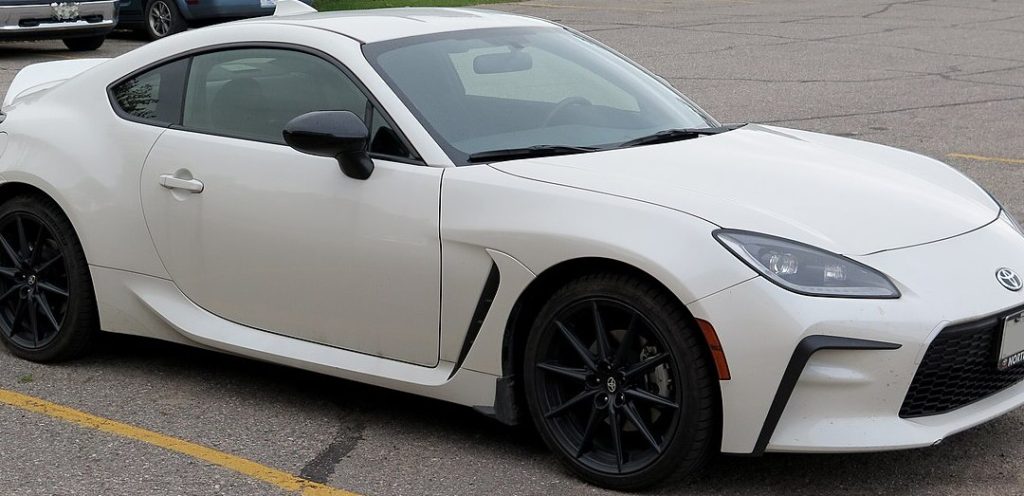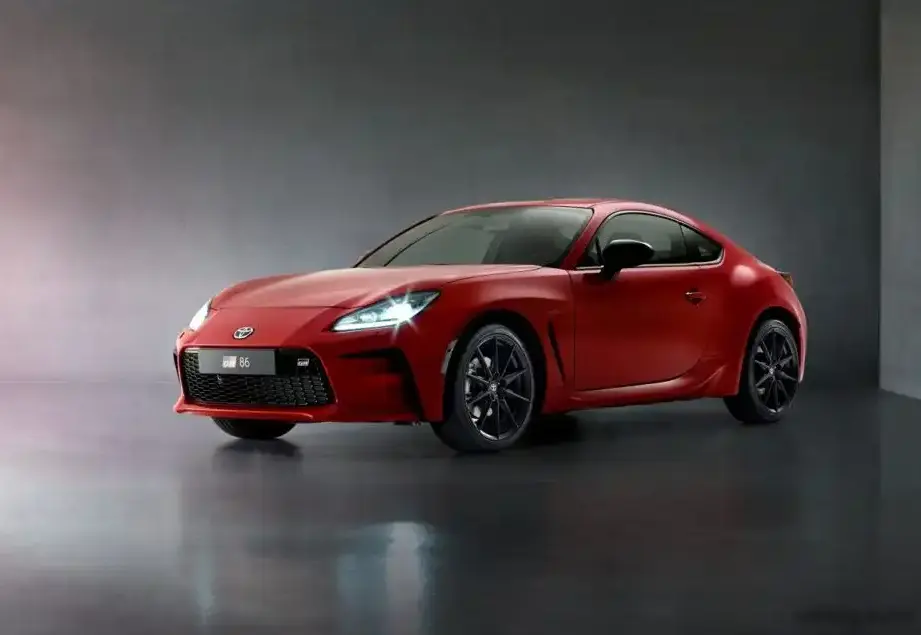
The Toyota 86 II, specifically the GR 2.4 D-4S variant producing 235 horsepower, represents a significant evolution of the original 86/Scion FR-S platform. Introduced in April 2021, this second generation model (internally designated as the ZN8) aimed to address criticisms of the first generation’s power delivery while retaining the core principles of a lightweight, rear-wheel-drive sports coupe. Positioned as the performance flagship of the 86 lineup, it offered a substantial upgrade over the earlier 2.0-liter models, targeting driving enthusiasts seeking a pure and engaging experience. The 86 II was primarily marketed in Japan, Australia, and North America, filling a niche for affordable, driver-focused sports cars.
Technical Specifications
| Brand | Toyota |
| Model | 86 |
| Generation | 86 II |
| Type (Engine) | GR 2.4 D-4S (235 Hp) |
| Start of production | April, 2021 |
| Powertrain Architecture | Internal Combustion engine |
| Body type | Coupe |
| Seats | 4 |
| Doors | 2 |
| Fuel consumption (urban) | 11.8 l/100 km (19.9 US mpg) |
| Fuel consumption (extra urban) | 8.7 l/100 km (27 US mpg) |
| Fuel consumption (combined) | 10.7 l/100 km (22 US mpg) |
| Fuel Type | Petrol (Gasoline) |
| Acceleration 0 – 60 mph | 6.1 sec |
| Maximum speed | 225 km/h (139.81 mph) |
| Weight-to-power ratio | 5.4 kg/Hp |
| Weight-to-torque ratio | 5.1 kg/Nm |
| Power | 235 Hp @ 7000 rpm |
| Power per litre | 98.4 Hp/l |
| Torque | 250 Nm @ 3700 rpm (184.39 lb.-ft. @ 3700 rpm) |
| Maximum engine speed | 7400 rpm |
| Engine layout | Front, Longitudinal |
| Engine Model/Code | FA24 |
| Engine displacement | 2387 cm3 (145.66 cu. in.) |
| Number of cylinders | 4 |
| Engine configuration | Boxer |
| Cylinder Bore | 94 mm (3.7 in.) |
| Piston Stroke | 86 mm (3.39 in.) |
| Compression ratio | 12.5:1 |
| Number of valves per cylinder | 4 |
| Fuel injection system | Direct injection and Multi-port manifold injection |
| Engine aspiration | Naturally aspirated engine |
| Valvetrain | DOHC |
| Engine oil capacity | 5 l (5.28 US qt | 4.4 UK qt) |
| Coolant | 7.4 l (7.82 US qt | 6.51 UK qt) |
| Kerb Weight | 1270-1285 kg (2799.87 – 2832.94 lbs.) |
| Max. weight | 1670 kg (3681.72 lbs.) |
| Max load | 385-400 kg (848.78 – 881.85 lbs.) |
| Trunk (boot) space – minimum | 177 l (6.25 cu. ft.) |
| Fuel tank capacity | 50 l (13.21 US gal | 11 UK gal) |
| Length | 4265 mm (167.91 in.) |
| Width | 1775 mm (69.88 in.) |
| Height | 1310 mm (51.57 in.) |
| Wheelbase | 2575 mm (101.38 in.) |
| Front track | 1520 mm (59.84 in.) |
| Rear (Back) track | 1550 mm (61.02 in.) |
| Ride height (ground clearance) | 130 mm (5.12 in.) |
| Drag coefficient (Cd) | 0.276 |
| Minimum turning circle (turning diameter) | 10.8 m (35.43 ft.) |
| Drivetrain Architecture | Rear wheel drive |
| Number of gears and type of gearbox | 6 gears, manual transmission |
| Front suspension | Independent type McPherson, Transverse stabilizer |
| Rear suspension | Double wishbone, Transverse stabilizer |
| Front brakes | Ventilated discs, 294 mm |
| Rear brakes | Disc, 290 mm |
| Assisting systems | ABS (Anti-lock braking system) |
| Steering type | Steering rack and pinion |
| Power steering | Electric Steering |
| Tires size | 215/40 R18 |
| Wheel rims size | 7.5J x 18 |
Powertrain & Engine Architecture
The heart of the 86 II GR 2.4 D-4S is the FA24 2.4-liter naturally aspirated boxer-four engine. This engine represents a significant departure from the 2.0-liter FA20 found in the first generation. The increased displacement, achieved through a larger bore and longer stroke, directly addresses the earlier model’s perceived lack of low-end torque. The “D-4S” designation refers to Toyota’s Direct-injection and port-injection system, which combines the benefits of both technologies for improved efficiency and power delivery. Direct injection provides precise fuel metering for optimal combustion, while port injection helps cool the intake charge and reduce knocking. The engine utilizes a dual overhead camshaft (DOHC) valvetrain with four valves per cylinder, contributing to its high-revving nature. The 6-speed manual transmission featured in this variant is a carryover from the previous generation, but with revised gear ratios optimized for the increased power output.
Driving Characteristics
The 235 hp and 184 lb-ft of torque offered by the FA24 engine transform the driving experience compared to the earlier 86 models. The increased torque is particularly noticeable at lower and mid-range RPMs, making the car more tractable in everyday driving situations. While still requiring the driver to actively manage the gears to stay in the powerband, the 2.4-liter engine provides a more linear and predictable power delivery. The manual transmission’s revised ratios complement the engine’s characteristics, allowing for quicker acceleration and more confident overtaking. The rear-wheel-drive layout, combined with the relatively lightweight chassis, continues to provide a balanced and engaging driving experience, rewarding skilled drivers with a playful and responsive feel. Compared to a hypothetical automatic version, the manual transmission offers greater control and driver involvement, aligning with the 86’s core philosophy.
Equipment & Trim Levels
The GR 2.4 D-4S typically came well-equipped, though specific features varied slightly depending on the market. Standard equipment generally included LED headlights, a 7-inch touchscreen infotainment system with Apple CarPlay and Android Auto compatibility, a rearview camera, and a suite of safety features including ABS, stability control, and traction control. Interior upholstery was typically cloth, with optional leather available. Additional options included a premium audio system, keyless entry, and automatic climate control. The 86 II generally avoided overly complex trim levels, focusing on providing a focused and driver-oriented experience.
Chassis & Braking
The 86 II retains the fundamental chassis layout of the first generation, featuring a MacPherson strut front suspension and a double-wishbone rear suspension. However, subtle revisions were made to the suspension tuning to improve ride quality and handling balance. The braking system consists of ventilated discs at the front and solid discs at the rear. ABS (Anti-lock Braking System) is standard. The relatively low curb weight (around 2800 lbs) contributes significantly to the car’s agility and responsiveness.
Market Reception & Comparison
The 86 II GR 2.4 D-4S was generally well-received by automotive critics, who praised the increased power and improved torque delivery of the new engine. The car was lauded for its engaging driving dynamics, balanced handling, and affordability. Compared to the earlier 2.0-liter models, the 2.4-liter variant offered a more refined and enjoyable driving experience. Fuel economy, while not exceptional, was reasonable for a sports car, averaging around 22 mpg in combined driving. Reliability has proven to be generally good, with the FA24 engine demonstrating a robust design.
Legacy
The Toyota 86 II GR 2.4 D-4S represents a compelling option in the used sports car market. Its combination of affordability, engaging driving dynamics, and relatively simple mechanicals makes it an attractive choice for enthusiasts. The FA24 engine has proven to be a durable and reliable powerplant, and parts availability is generally good. As a modern interpretation of the classic rear-wheel-drive sports coupe, the 86 II has secured a place as a beloved and respected vehicle among driving enthusiasts.