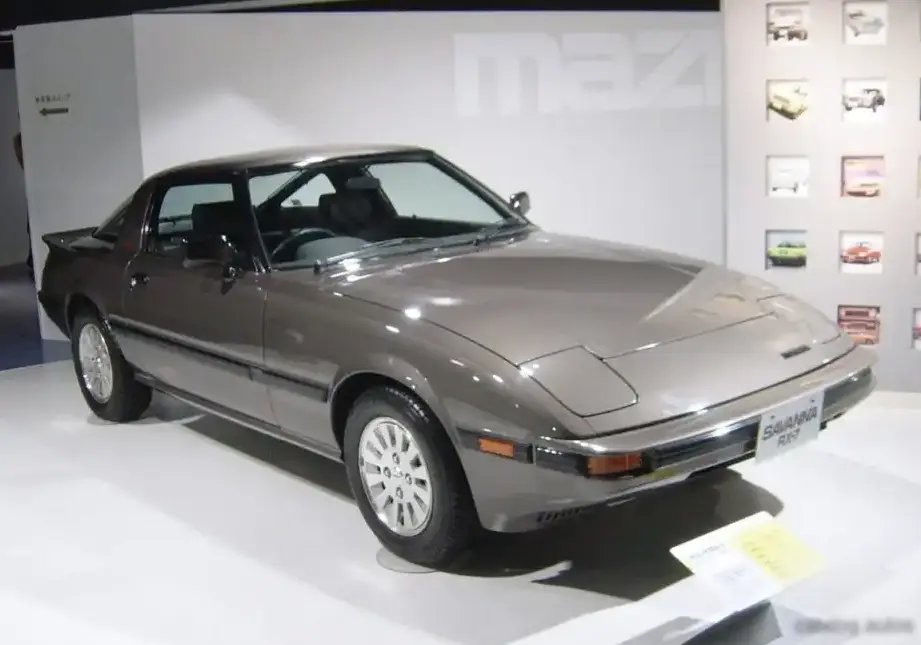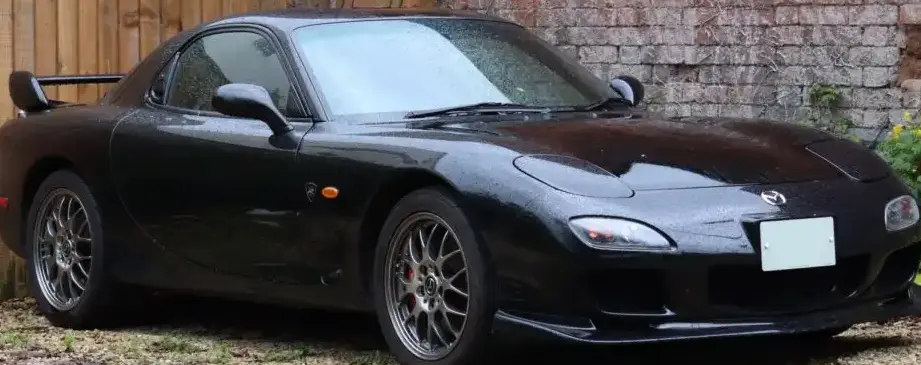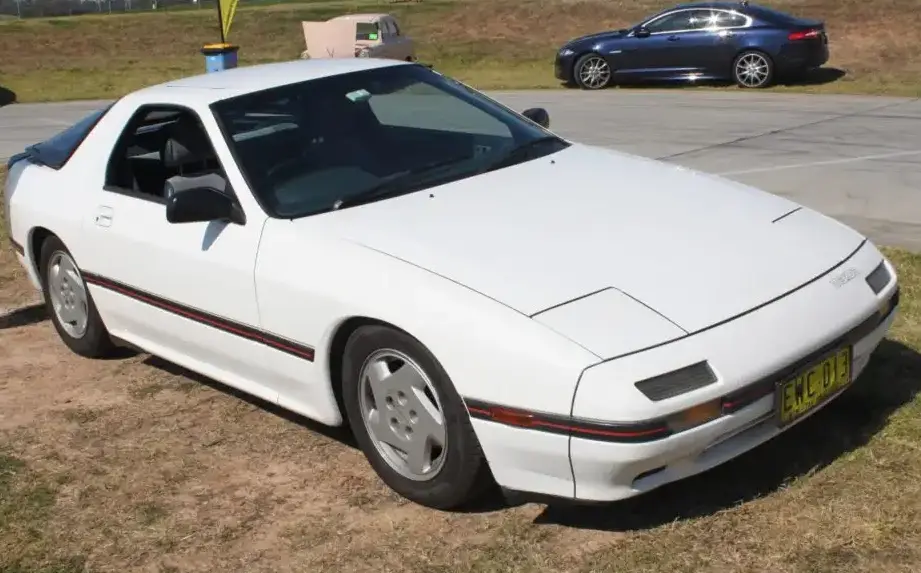
The Mazda RX-7 II (FC), produced between 1985 and 1989, represents a significant evolution of Mazda’s iconic rotary-powered sports car. This second generation RX-7 built upon the success of the original FB series, offering improved styling, handling, and refinement. The FC chassis, internally designated as the FC3S, moved the RX-7 further upmarket, aiming to compete with established sports coupes from Porsche and Nissan. The 150 horsepower naturally aspirated Wankel rotary engine variant, while not the most powerful offering in the FC lineup, served as a popular entry point into the rotary experience, balancing performance with relative affordability and improved fuel economy compared to the turbocharged models. It was a key model in establishing the RX-7’s reputation for unique engineering and driving dynamics within the American market, where it gained a dedicated following.
Technical Specifications
| Brand | Mazda |
| Model | RX-7 |
| Generation | RX-7 II (FC) |
| Engine Type | Wankel Rotary |
| Horsepower | 150 hp |
| Production Years | 1985-1989 |
| Body Type | Coupe |
| Fuel Type | Petrol (Gasoline) |
| Engine Aspiration | Naturally Aspirated |
| Engine Displacement | 1.3 Liters (1308cc) |
| Transmission | Automatic (typically a 4-speed) |
| Weight (approx.) | 2,700 – 2,800 lbs (depending on options) |
Powertrain & Engine Architecture
The heart of the RX-7 II is its 13B rotary engine. Unlike traditional piston engines, the 13B utilizes a triangular rotor spinning within a specially shaped housing to generate power. This design allows for a remarkably smooth and high-revving engine, but also presents unique engineering challenges. The 150 hp version of the 13B, typically identified by its engine code 13B, featured a single carburetor (later models transitioned to fuel injection) and a compression ratio of 9.4:1. The engine’s architecture is inherently compact and lightweight, contributing to the RX-7’s balanced handling. The fuel system in early models utilized a Hitachi carburetor, while later iterations adopted a multi-point fuel injection system, improving throttle response and emissions. The rotary engine’s valvetrain is notably absent of traditional valves; instead, ports within the housing are uncovered and covered by the rotor’s motion, controlling the intake and exhaust processes. The automatic transmission paired with this engine was typically a four-speed unit, designed to handle the rotary’s unique power delivery characteristics. It wasn’t known for particularly quick shifts, but provided a comfortable driving experience.
Driving Characteristics
The 150 hp, naturally aspirated, automatic RX-7 II offered a distinct driving experience. While not possessing the outright acceleration of the turbocharged models, it delivered smooth, linear power throughout the rev range. The automatic transmission, while not sporty, provided ease of use for daily driving. The gear ratios were optimized for fuel efficiency and comfortable cruising, rather than aggressive acceleration. The engine readily revved to its 7,000 rpm redline, producing a unique, high-pitched exhaust note characteristic of rotary engines. Compared to the manual transmission versions, the automatic suffered a slight performance penalty due to the transmission’s inherent losses and less direct connection to the engine. However, the automatic offered a more accessible entry point for drivers unfamiliar with the nuances of rotary engines and manual transmissions. The car’s handling was generally praised, thanks to its well-tuned suspension and near-perfect weight distribution. The automatic transmission didn’t detract significantly from the car’s inherent balance.
Equipment & Trim Levels
The 150 hp RX-7 II typically represented the base trim level. Standard equipment included cloth upholstery, manual windows and locks, and a basic stereo system. Air conditioning was often an optional extra. The interior design was driver-focused, with a simple and functional layout. Dashboard configuration featured analog gauges for speed, tachometer, fuel level, and coolant temperature. Optional extras included power windows and locks, a sunroof, upgraded stereo systems, and leather upholstery. The exterior styling was characterized by its sleek, aerodynamic shape and pop-up headlights. Wheel options typically included steel wheels with hubcaps or optional alloy wheels. The overall trim level aimed to provide a comfortable and well-equipped sports coupe at a relatively affordable price point.
Chassis & Braking
The FC RX-7 utilized a MacPherson strut front suspension and a semi-trailing arm rear suspension. This setup provided a good balance of handling and ride comfort. The base model typically featured rear drum brakes, while higher trim levels received rear disc brakes. Front brakes were ventilated discs. Stabilizer bars were fitted to both the front and rear axles, further enhancing handling stability. The chassis was relatively lightweight, contributing to the car’s nimble handling characteristics. Steering was unassisted, providing a direct and responsive feel. The suspension tuning was geared towards providing a comfortable ride for everyday driving, while still offering capable handling performance on twisty roads. The brake system, while adequate for normal driving, could feel somewhat underpowered during aggressive driving or repeated hard stops.
Market Reception & Comparison
The 150 hp RX-7 II received generally positive reviews from automotive critics. It was praised for its unique engine, smooth ride, and stylish design. However, some critics noted the relatively modest power output compared to other sports coupes in its class. Compared to the turbocharged RX-7 models, the naturally aspirated version offered improved fuel economy and reduced turbo lag, but at the expense of outright performance. The automatic transmission was seen as a convenient option for daily driving, but less engaging for enthusiasts. In terms of reliability, the rotary engine required more frequent maintenance than traditional piston engines, including regular apex seal inspections and replacements. Fuel economy was also lower than comparable piston-engined cars. However, the RX-7’s unique driving experience and distinctive styling continued to attract a loyal following.
Legacy
The RX-7 II (FC) 150 hp automatic remains a popular choice among rotary enthusiasts and classic car collectors. The 13B engine, while requiring diligent maintenance, is known for its durability and potential for modification. The availability of aftermarket parts and a strong online community ensures that these cars can be kept running for years to come. In the used car market, prices for well-maintained FC RX-7s have been steadily increasing, reflecting their growing desirability. The 150 hp automatic variant, while not the most sought-after trim, offers an affordable entry point into the world of rotary power and provides a unique and enjoyable driving experience. The FC RX-7 cemented the RX-7’s place as a truly unique and innovative sports car, and its legacy continues to inspire automotive enthusiasts today. Finding a well-maintained example is becoming increasingly difficult, as many have been lost to neglect or modification, making original, unmolested cars particularly valuable.